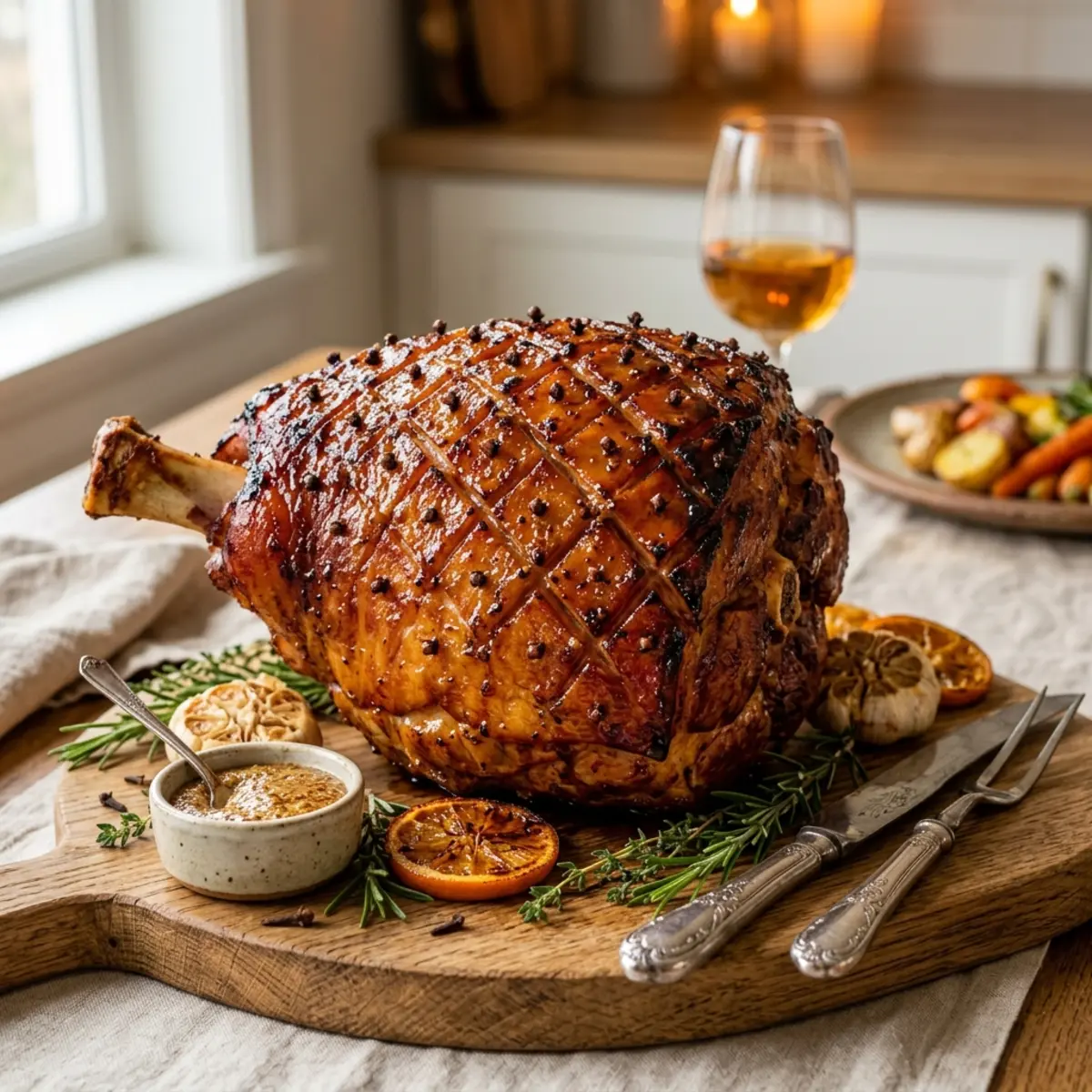
Honey Mustard Glazed Bone-In Ham in Air Fryer
A simple and quick recipe for a succulent bone-in ham, glazed with honey and mustard, perfectly cooked in the air fryer.
Steps
- 01
Pat the bone-in ham dry with paper towels to remove excess moisture.
- 02
In a small bowl, mix honey, mustard, paprika, garlic powder, onion powder, pepper, and salt to form a smooth glaze. Brush the glaze all over the ham, ensuring even coverage.
- 03
Place the ham in the air fryer basket and cook at 180°C (350°F) for 25–30 minutes, turning occasionally for even cooking.
- 04
The ham is done when the internal temperature reaches 70°C (158°F). Check with a meat thermometer; if you don't have one, follow the recommended cooking time.
- 05
Serve the succulent and flavorful ham straight from the air fryer.
Recipe story
Honey mustard glazed ham is a traditional dish in many European cultures, where honey has been used as a natural sweetener since ancient times. In Germany, for instance, glazed ham is a holiday centerpiece, and the combination of honey and mustard adds a sweet-spicy kick. In France, bone-in ham is often served with a honey mustard glaze at festive meals. This recipe has evolved over centuries, now adapted for quick air fryer cooking while retaining its authentic flavor.
Ingredient Secrets
Discover the culinary secrets and flavor history of key ingredients in this dish.
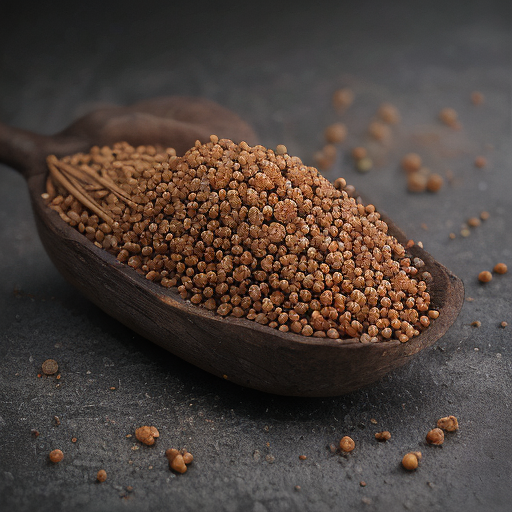
Black pepper
Known as 'black gold' in antiquity, pepper was so valuable that it served as currency and tribute. In the Middle Ages, Venetian merchants controlled the pepper trade, and individual peppercorns were often counted. Legend has it that when Alaric, king of the Visigoths, demanded tribute from Rome, he included 3,000 pounds of pepper.
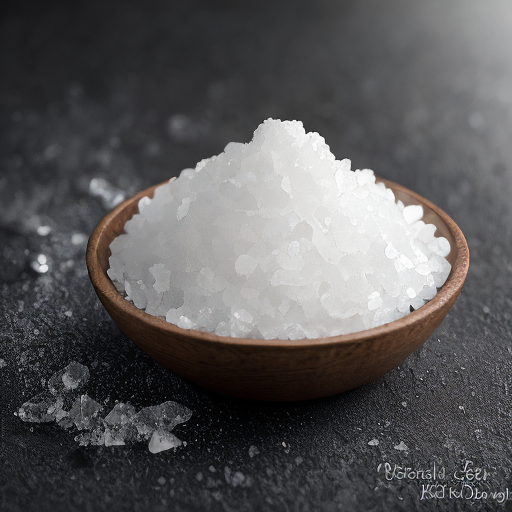
Sea salt
Sea salt, extracted from ocean waters by evaporation, was one of the most precious goods of antiquity, used both as food and as currency. In ancient Rome, soldiers were paid with salt, which is the origin of the word 'salary'. Salt roads connected entire civilizations, and in the Middle Ages, salt was so valuable it was called 'white gold'.
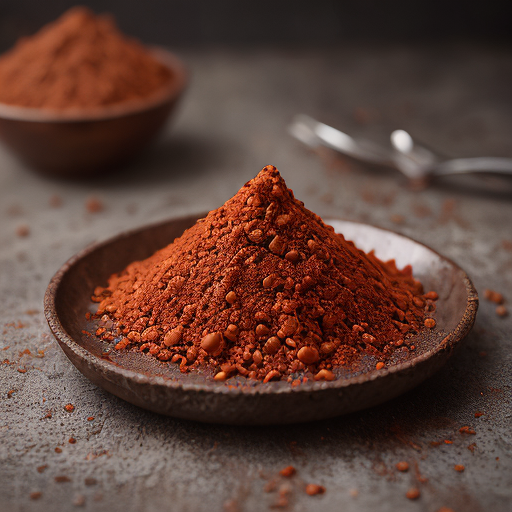
Paprika
Paprika, a emblematic spice brought to Europe by Christopher Columbus from the New World. Although associated with Hungarian cuisine, its origins are in Central America, where it was used by the Aztecs.
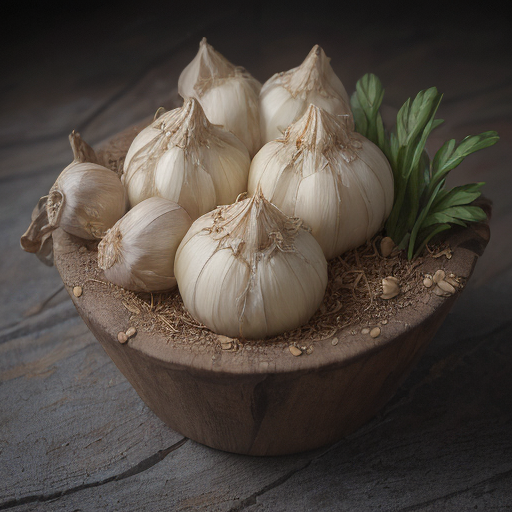
Garlic
Native to Central Asia, garlic was already known in ancient Egypt, where it was given to slaves to boost their strength. In ancient Greece, athletes consumed it before competitions, and in Rome, legionaries considered it essential for courage. During the Middle Ages, it was used to ward off vampires and the plague.
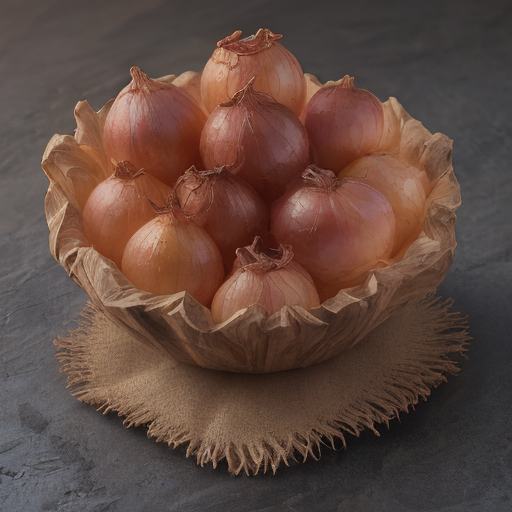
Onion
Probably originating in Central or West Asia, onions were cultivated in ancient Egypt, where they were considered a symbol of eternity and placed in tombs. In ancient Greece, athletes ate them to balance their blood, and in Rome, they were a staple food for soldiers. During the Middle Ages, onions were believed to protect against arrows and the plague.
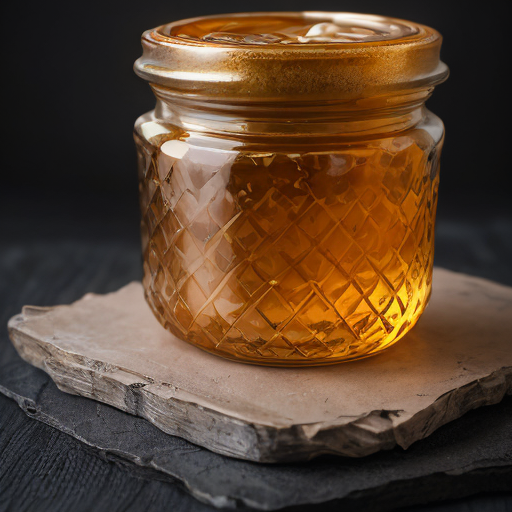
Honey
Honey is one of the oldest sweet foods, used since the Stone Age. In ancient Egypt, it was offered to the gods and used in embalming. In ancient Greece, it was considered the food of the gods, and in Rome, it was used as medicine and preservative. During the Middle Ages, honey was the main sweetener in Europe before sugar.
You may also like
 Pork
PorkCrispy Bacon in Air Fryer in 8 Minutes – Quick Recipe
 Pork
PorkCrispy Bacon in Ninja Foodi Air Fryer – Quick 12-Minute Recipe
 Pork
PorkAir Fryer Ranch Pork Chops
 Pork
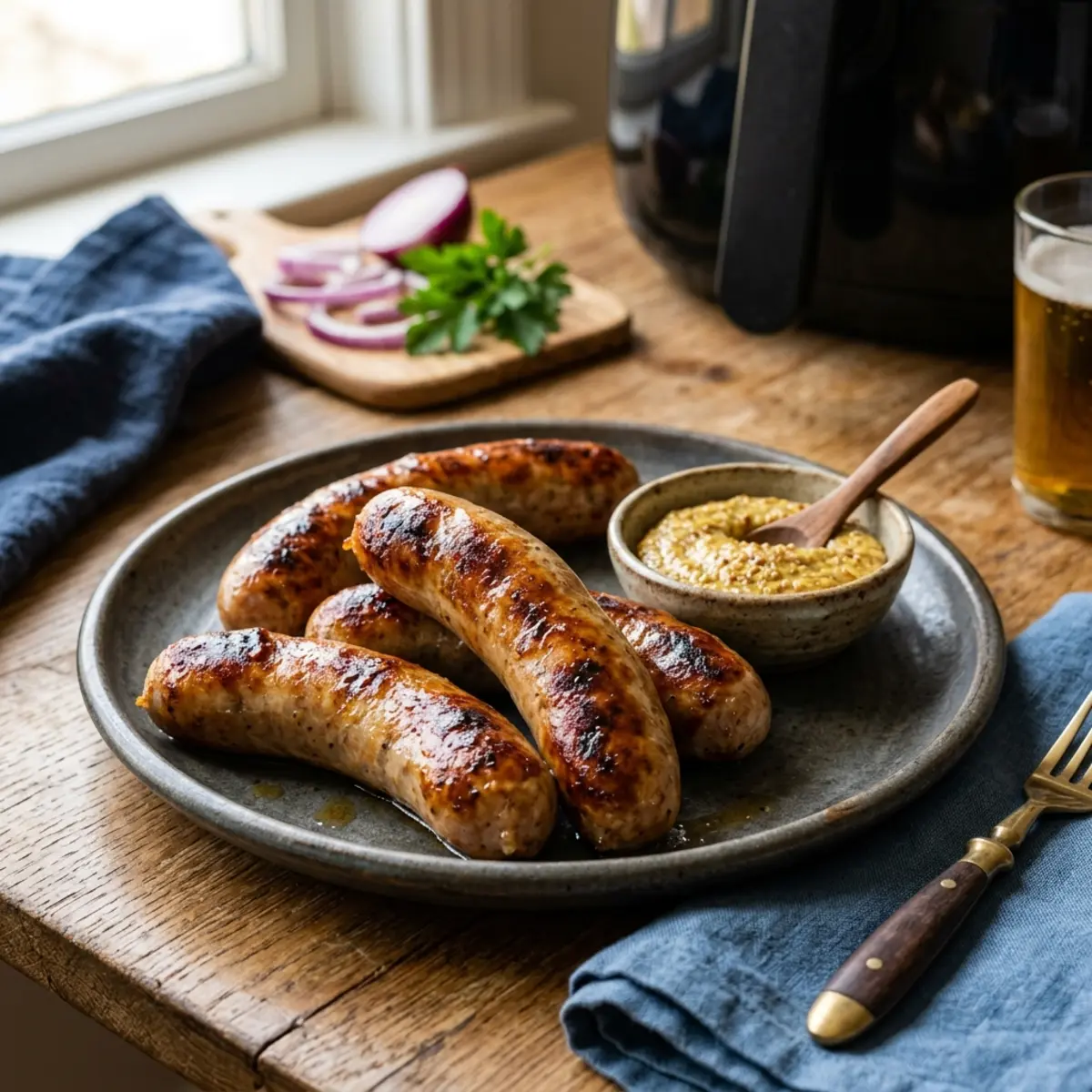
PorkAir Fryer Chipolatas – Crispy Sausages in 15 Minutes
 Pork
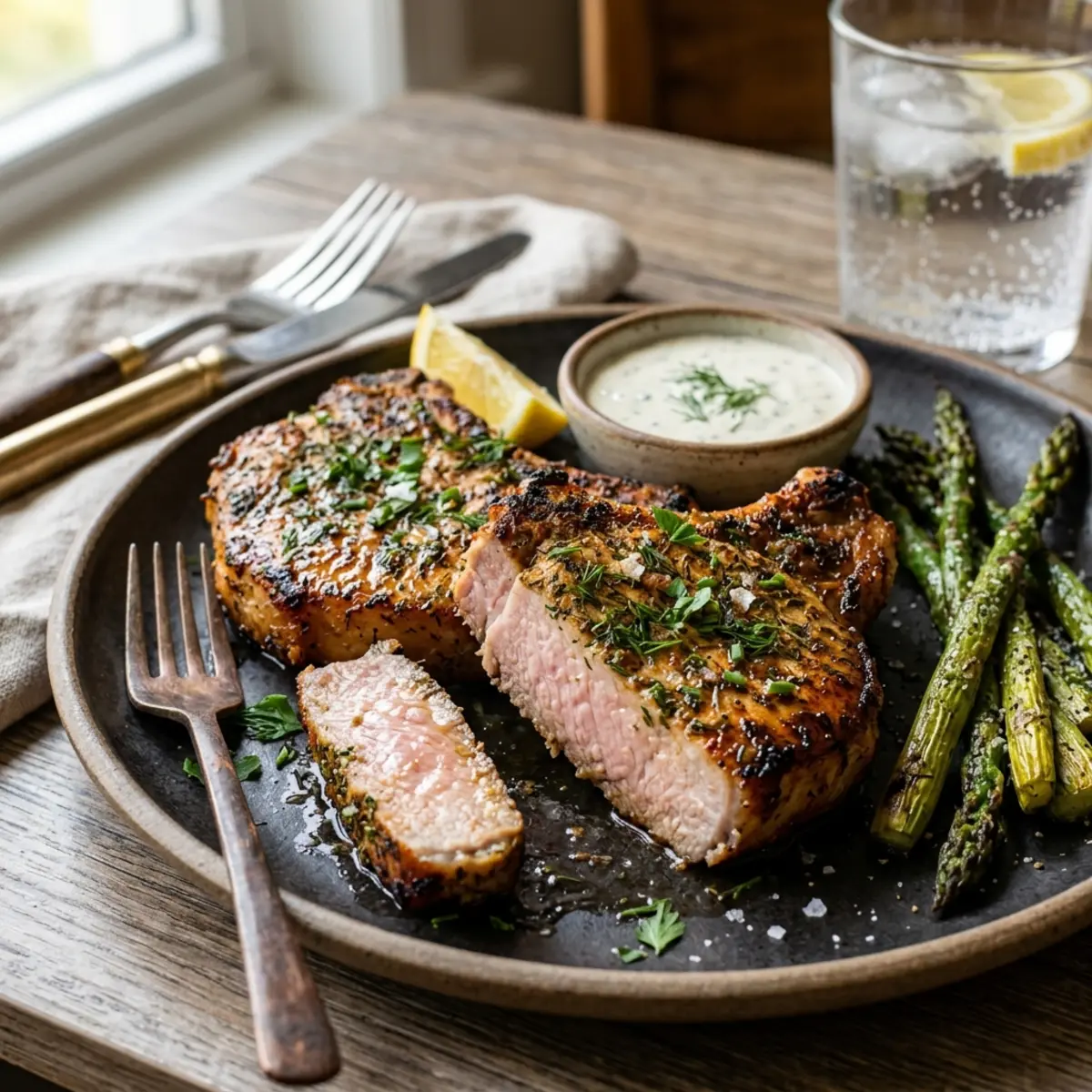
PorkAir Fryer Pork Chops with Ranch Seasoning
 Pork
Pork