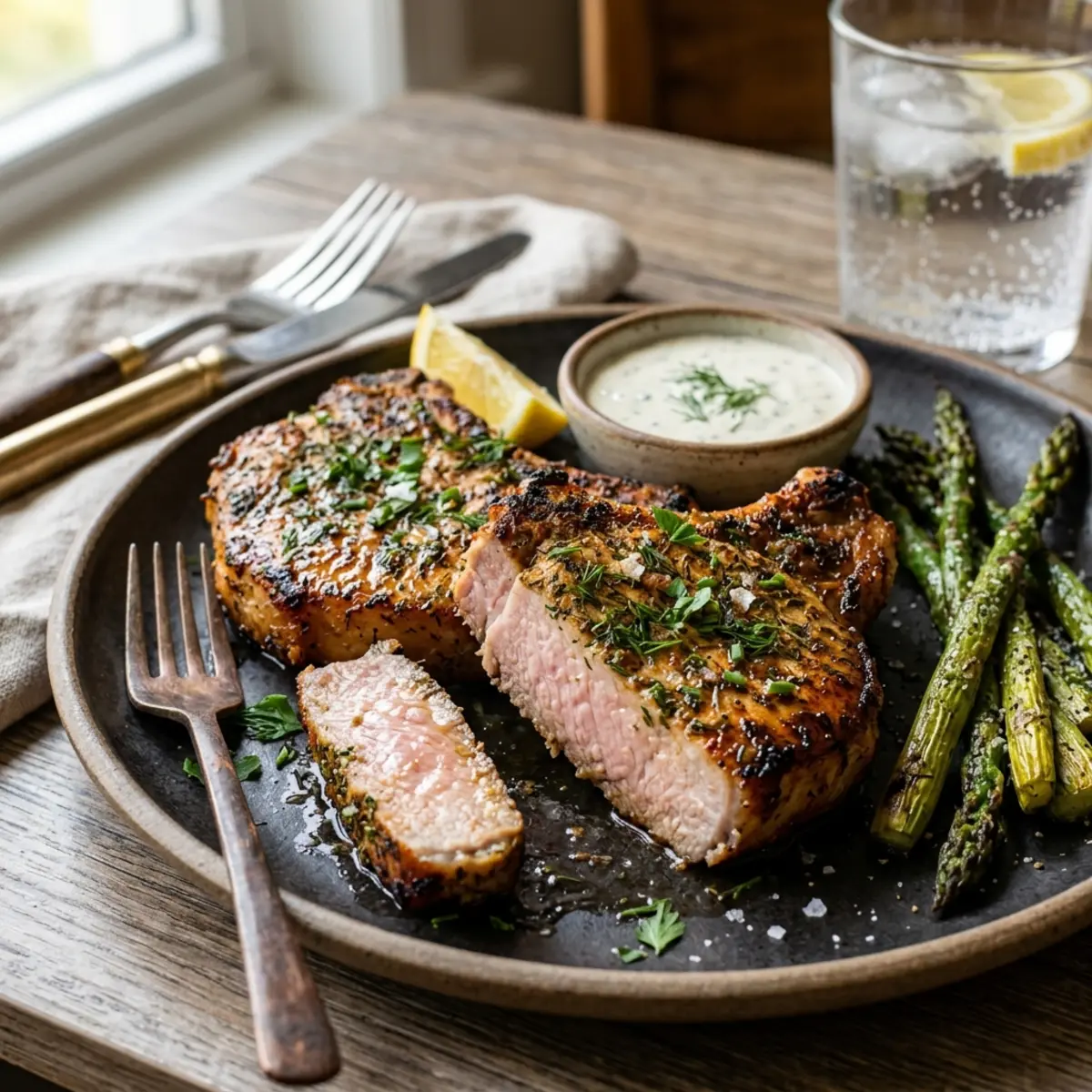
Air Fryer Pork Chops with Ranch Seasoning
Tender and flavorful pork chops cooked quickly in the air fryer with a smoky ranch seasoning blend.
Steps
- 01
Remove pork chops from packaging and pat dry with paper towels. Brush both sides with olive oil.
- 02
In a small bowl, mix together ranch seasoning, smoked paprika, and dried parsley.
- 03
Sprinkle the seasoning mixture evenly over both sides of the chops, rubbing gently to adhere.
- 04
Preheat the Ninja Foodi to 185°C (370°F) on Air Fryer function for 2 minutes.
- 05
Place chops in the air fryer basket and cook for 8-10 minutes, flipping halfway through.
- 06
Check internal temperature; it should reach at least 63°C (145°F).
- 07
Serve immediately with your favorite side: mashed potatoes, rice, or vegetables.
Recipe story
Pork chops have been a staple in European cuisine since ancient times, particularly in German and Austrian cooking. Ranch seasoning was created in the 1950s in California, inspired by ranch dressing, and the addition of smoked paprika gives a Tex-Mex twist. This modern recipe combines European pork chop tradition with American seasoning innovation for a quick and flavorful dish.
Ingredient Secrets
Discover the culinary secrets and flavor history of key ingredients in this dish.
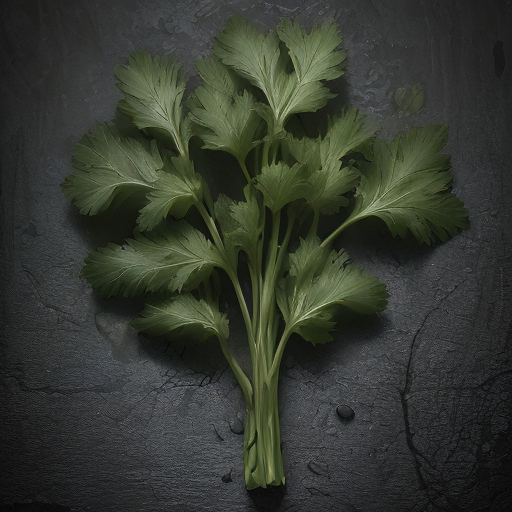
Parsley
In Greek mythology, parsley was associated with death and rebirth, planted on graves to symbolize the cycle of life. Romans used it generously in cooking and as a remedy for hangovers.
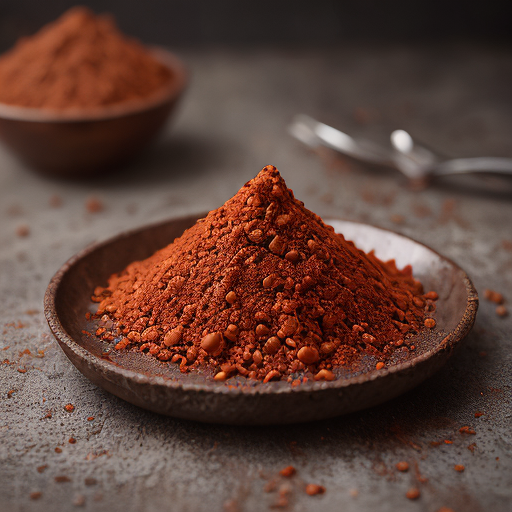
Paprika
Paprika, a emblematic spice brought to Europe by Christopher Columbus from the New World. Although associated with Hungarian cuisine, its origins are in Central America, where it was used by the Aztecs.
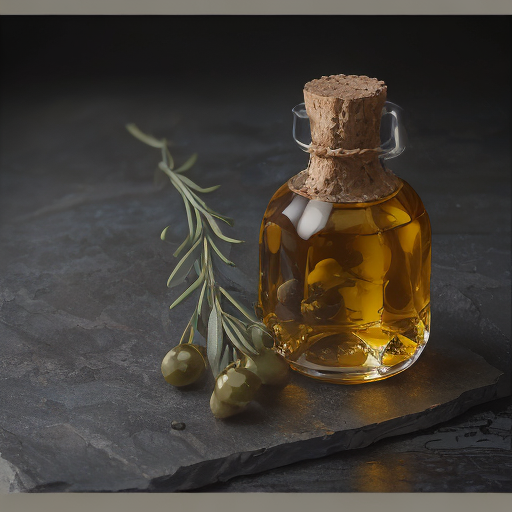
Olive oil
Originating in the Mediterranean basin, olive oil was already produced in ancient Crete 5,000 years ago. In ancient Greece, it was considered a gift from Athena and used in lamps, cosmetics, and religious ceremonies. The Romans spread it throughout the empire, and in the Middle Ages, monasteries preserved the tradition of its production.
You may also like
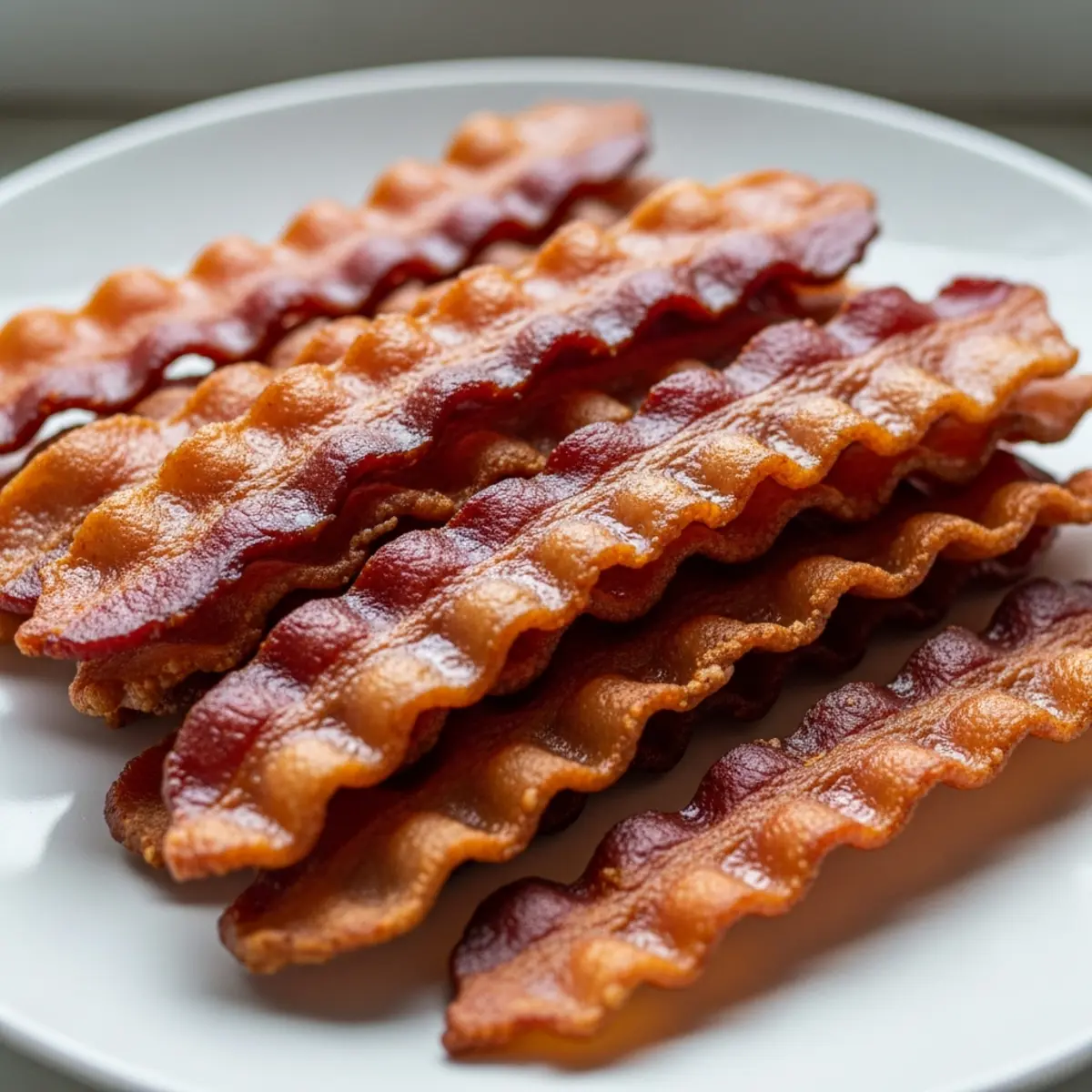 Pork
PorkCrispy Bacon in Air Fryer in 8 Minutes – Quick Recipe
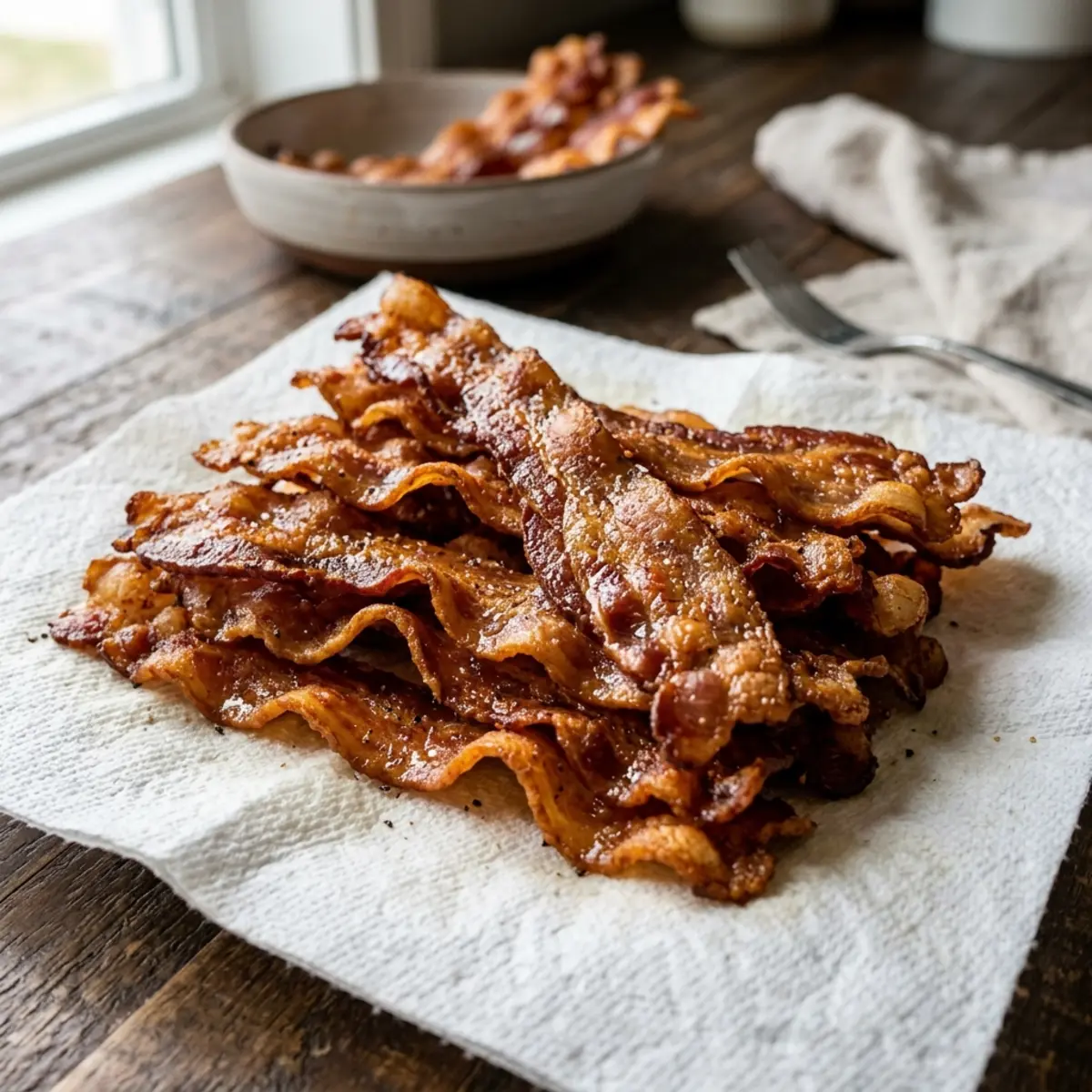 Pork
PorkCrispy Bacon in Ninja Foodi Air Fryer – Quick 12-Minute Recipe
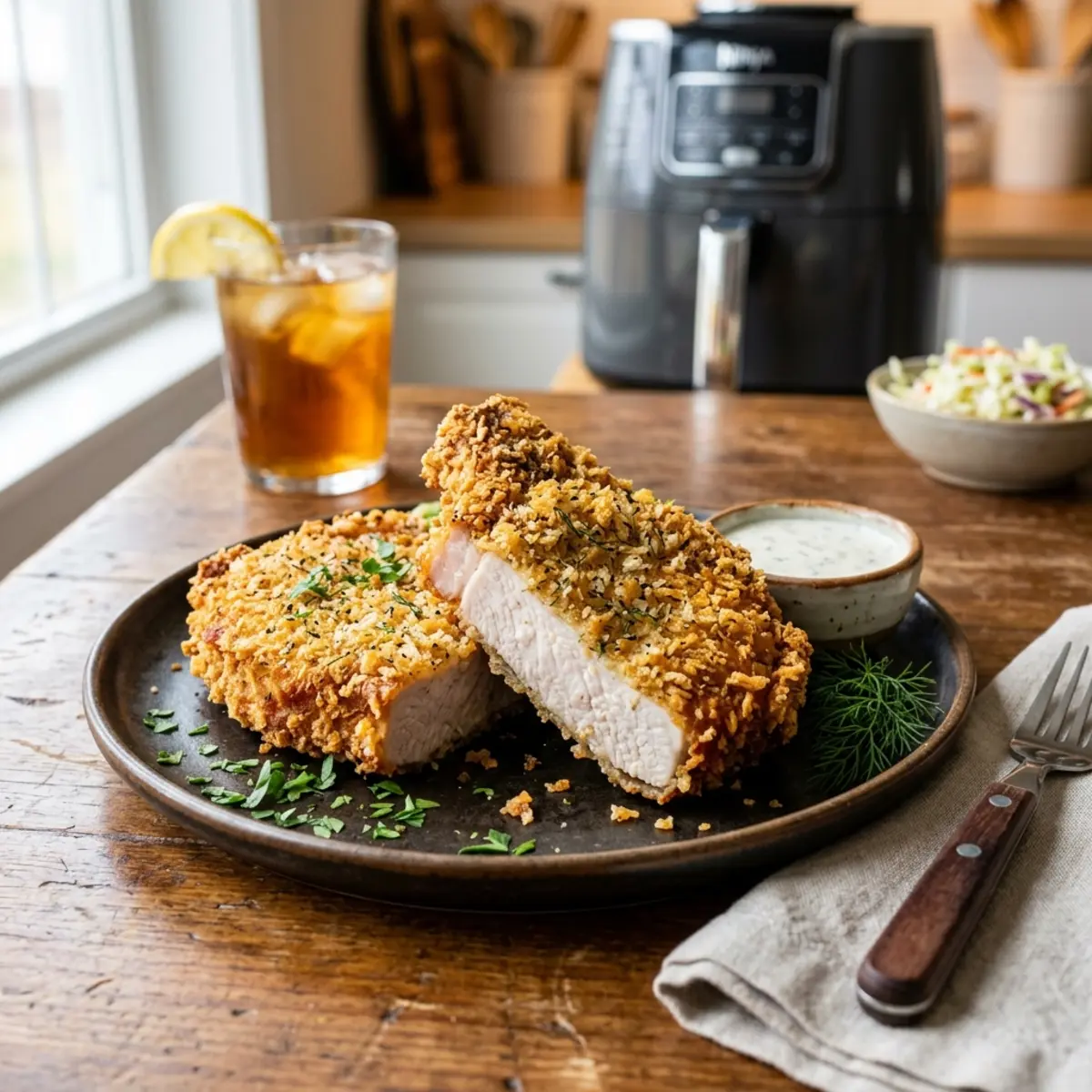 Pork
PorkAir Fryer Ranch Pork Chops
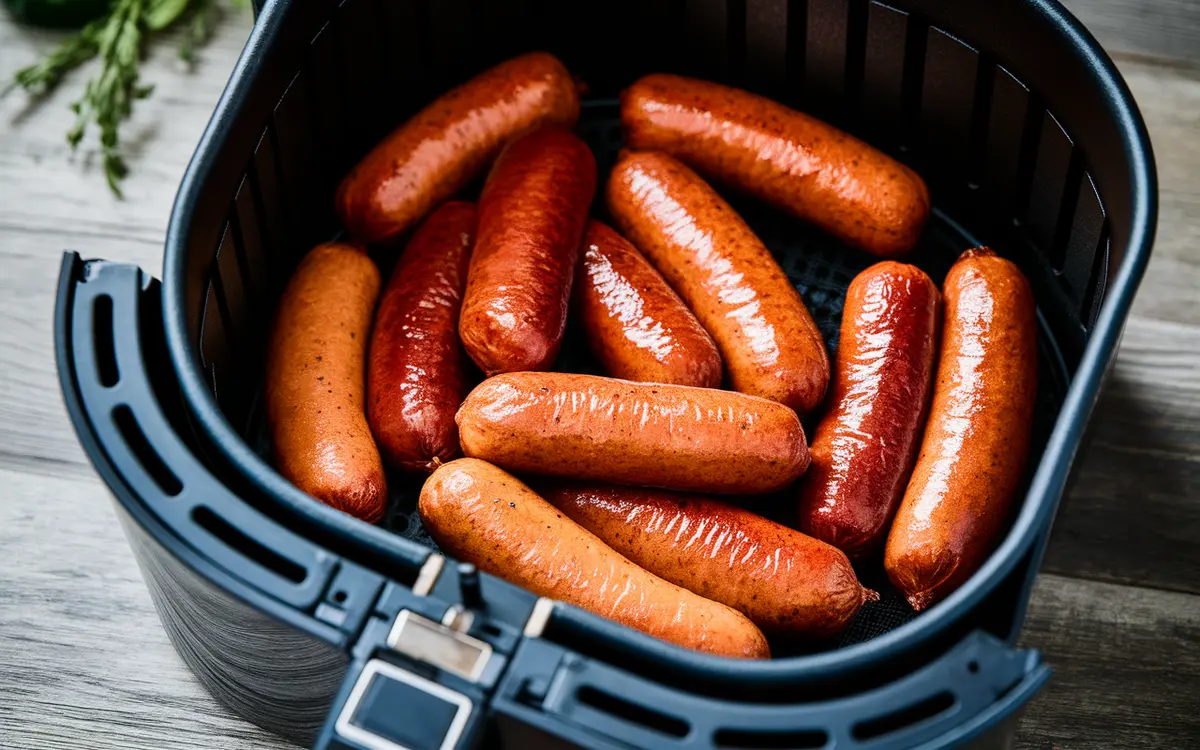 Pork
PorkAir Fryer Chipolatas – Crispy Sausages in 15 Minutes
 Pork
PorkCrispy and Juicy Bratwurst in Air Fryer – Quick Pork Sausage Recipe
 Pork
Pork