Crispy and Juicy Bratwurst in Air Fryer – Quick Pork Sausage Recipe
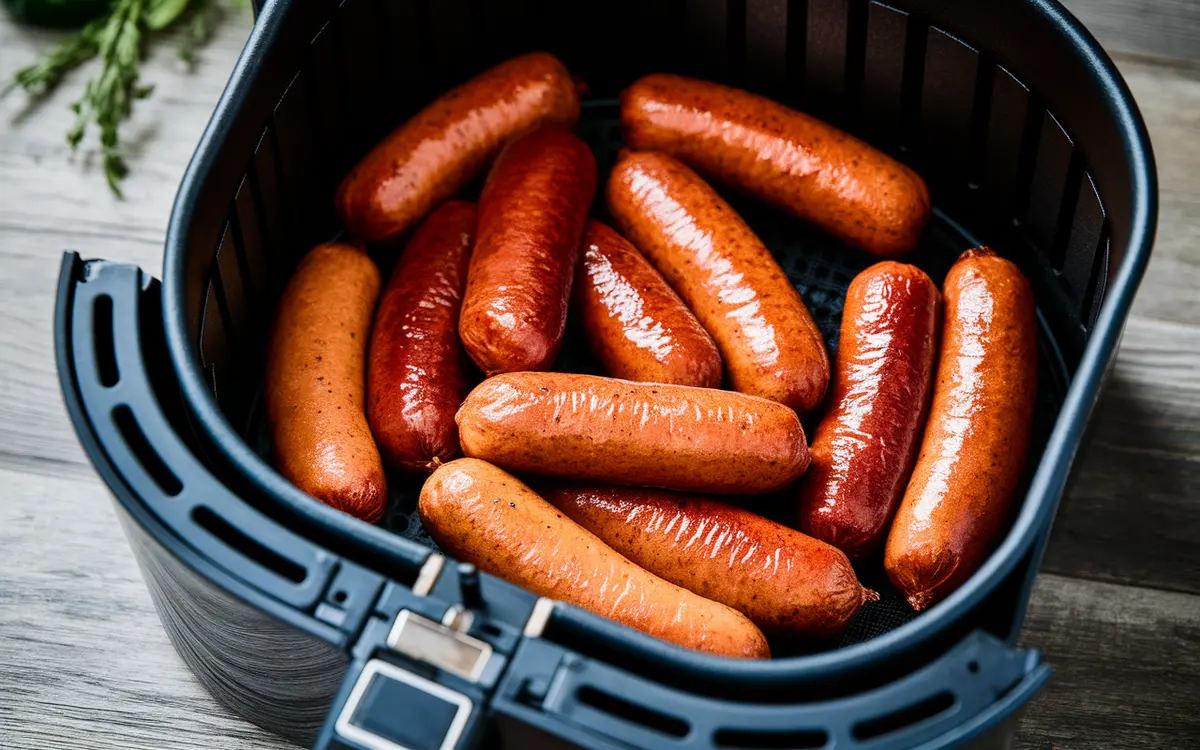
Perfectly browned bratwurst in the air fryer, crispy on the outside and juicy inside. A quick and simple recipe for a delicious dinner.
Steps
- 01
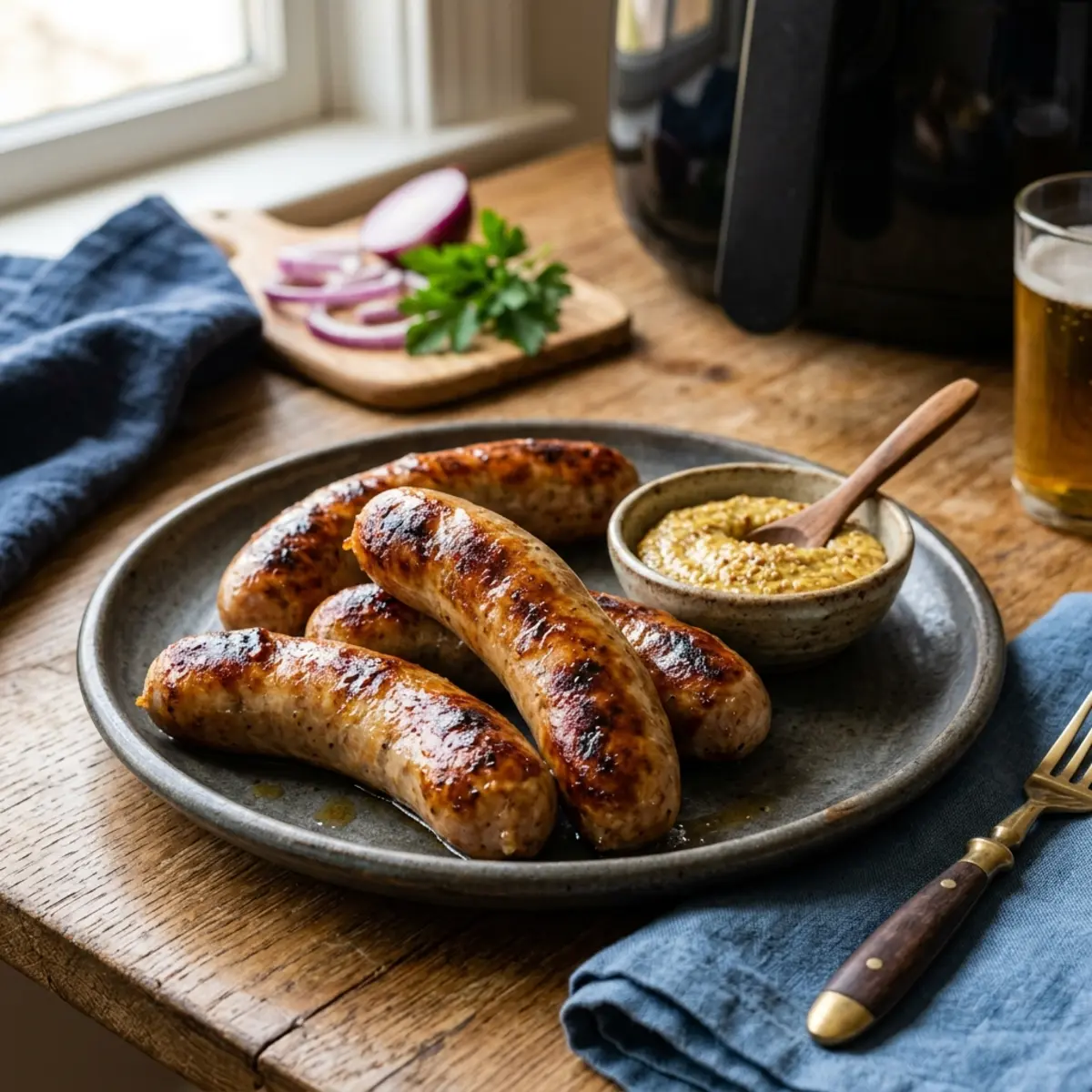
Pat the bratwurst dry with paper towels. If some are thicker or uneven, cut them to ensure even cooking.
- 02
Toss the bratwurst with a little oil, salt, pepper, and herbs if desired. Let them marinate briefly if time allows.
- 03
Place them in the air fryer basket and cook at 180°C (360°F) for 12 minutes. Turn halfway if possible for even browning.
- 04
Remove the bratwurst and let them rest for 2-3 minutes before serving. Ensure they are fully cooked inside.
Recipe story
Bratwurst sausages originated in Germany, where they are made from finely ground pork and seasoned with various herbs. In the Middle Ages, they were prized by travelers and merchants for their durability and rich flavor. The recipe was perfected in the regions of Thuringia and Nuremberg, each with its own variation. Today, bratwurst is a symbol of German gastronomy, enjoyed at barbecues and fairs.
Ingredient Secrets
Discover the culinary secrets and flavor history of key ingredients in this dish.
Black pepper
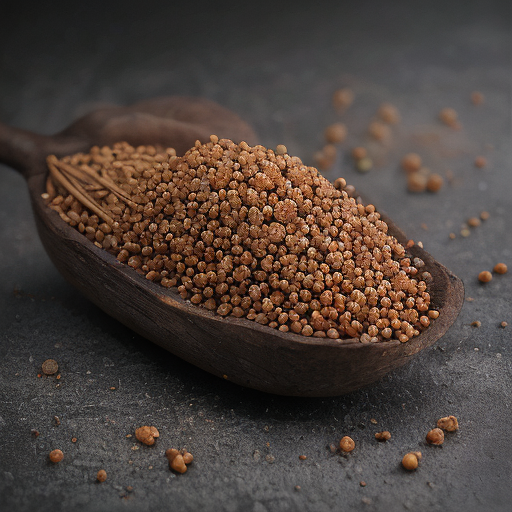
Known as 'black gold' in antiquity, pepper was so valuable that it served as currency and tribute. In the Middle Ages, Venetian merchants controlled the pepper trade, and individual peppercorns were often counted. Legend has it that when Alaric, king of the Visigoths, demanded tribute from Rome, he included 3,000 pounds of pepper.
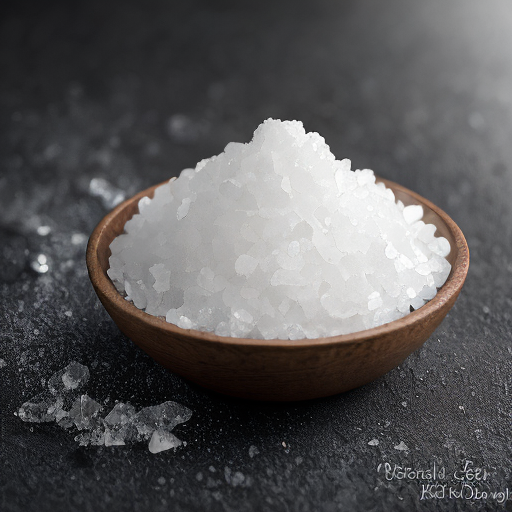
Sea salt
Sea salt, extracted from ocean waters by evaporation, was one of the most precious goods of antiquity, used both as food and as currency. In ancient Rome, soldiers were paid with salt, which is the origin of the word 'salary'. Salt roads connected entire civilizations, and in the Middle Ages, salt was so valuable it was called 'white gold'.