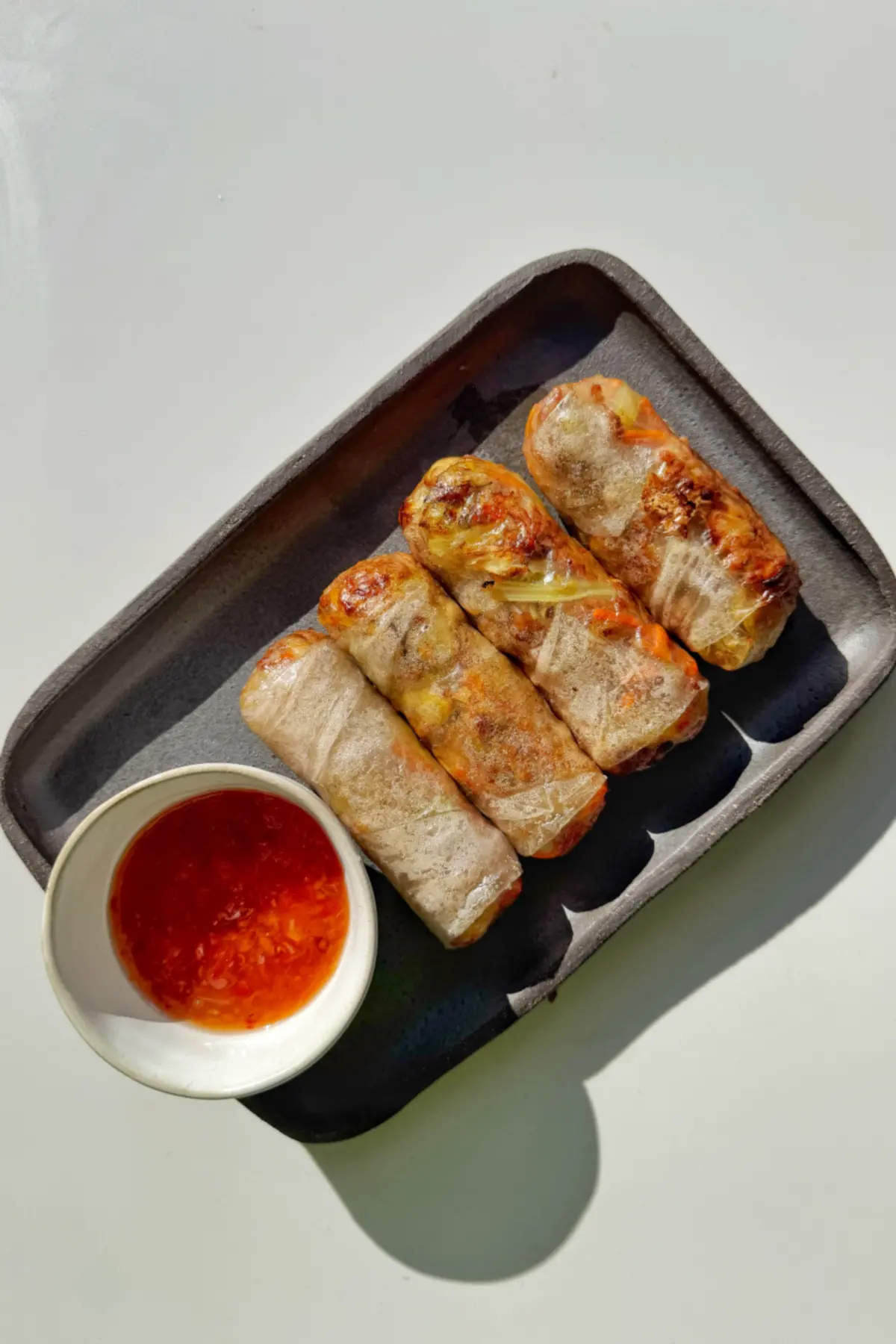
Crispy Pork Spring Rolls with Rice Paper in Air Fryer
Crispy pork spring rolls wrapped in rice paper, cooked quickly in an air fryer, perfect as an appetizer or snack.
Steps
- 01
In a pan, heat vegetable oil over medium-high heat and sauté the onion. Add ground pork and cook for about 10 minutes until browned.
- 02
Stir in garlic and ginger and cook for 1 minute. Then add carrots, cabbage, and shiitake mushrooms and cook for 2 minutes before adding celery.
- 03
Mix in light soy sauce, sesame oil, and oyster sauce. Cook for another 2 minutes. Transfer the filling to a tray and refrigerate for 10 minutes to cool.
- 04
Dip a rice paper sheet in warm water for 2 seconds, then place it on a cutting board. Put 2 tablespoons of filling on the sheet and roll tightly. For security, wrap the roll with a second rice paper sheet.
- 05
Place the rolls in the air fryer basket without touching each other. Cook at 200°C (400°F) for 10 minutes. Serve immediately with sweet chili sauce.
Recipe story
Spring rolls originated in China, where they were prepared during the Tang Dynasty (618-907 AD) as a symbol of renewal and prosperity. Rice paper, used to wrap delicate fillings, was perfected in Chinese imperial cuisine. This recipe modernizes the classic dish by using an air fryer, achieving a crispy texture with less oil. Spring rolls are popular throughout East Asia and have been adapted in Vietnamese and Thai cuisines.
Ingredient Secrets
Discover the culinary secrets and flavor history of key ingredients in this dish.
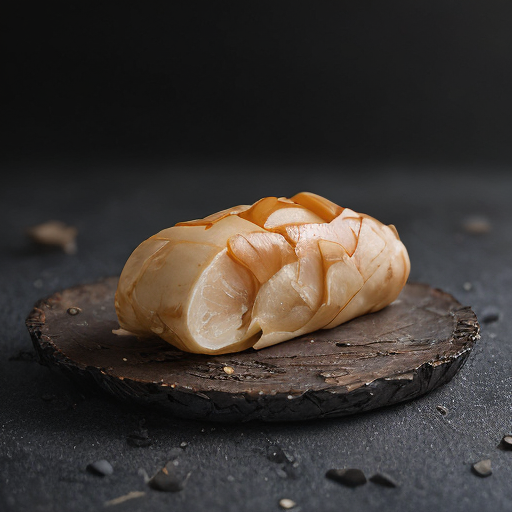
Ginger
Ginger, known since antiquity, was one of the first spices brought along the Silk Road, so precious that a kilogram of ginger was worth a sheep in medieval Europe.
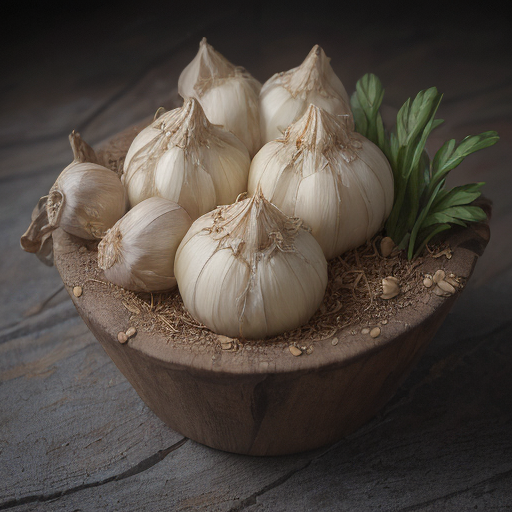
Garlic
Native to Central Asia, garlic was already known in ancient Egypt, where it was given to slaves to boost their strength. In ancient Greece, athletes consumed it before competitions, and in Rome, legionaries considered it essential for courage. During the Middle Ages, it was used to ward off vampires and the plague.
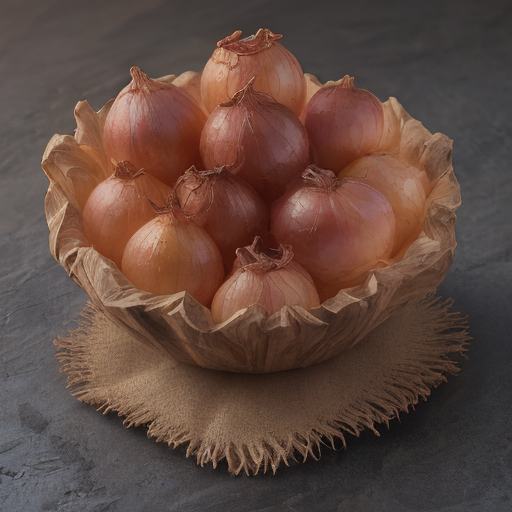
Onion
Probably originating in Central or West Asia, onions were cultivated in ancient Egypt, where they were considered a symbol of eternity and placed in tombs. In ancient Greece, athletes ate them to balance their blood, and in Rome, they were a staple food for soldiers. During the Middle Ages, onions were believed to protect against arrows and the plague.
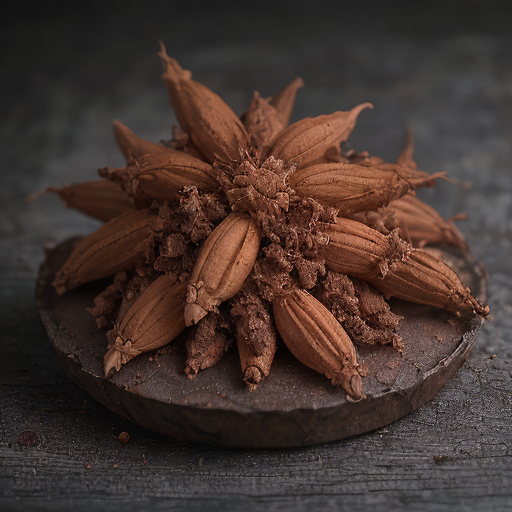
Cloves
Cloves, the dried buds of the exotic Syzygium aromaticum tree, were one of the most prized spices of the ancient world, often called 'aromatic gold'. In the Middle Ages, Venetian merchants controlled the clove trade, bringing them from the Maluku Islands, the only place they grew, and selling them at exorbitant prices in Europe.
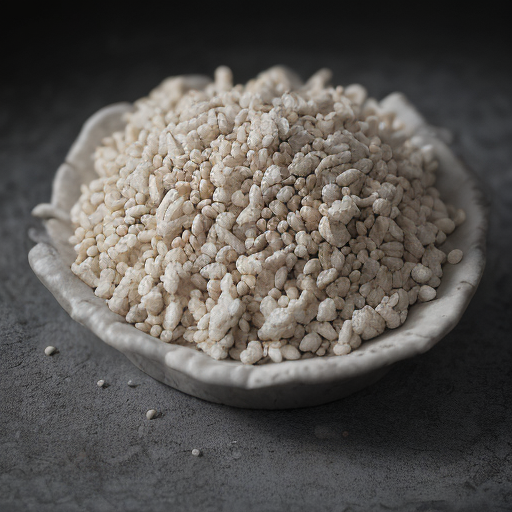
Sesame
In Assyrian mythology, the gods drank sesame wine on the night before the creation of the world, and in ancient Rome, sesame seeds were sprinkled on soldiers' bread to give them strength. In the Middle Ages, sesame was considered a magical food capable of boosting vitality. Today, it is valued for its oil rich in essential fatty acids.
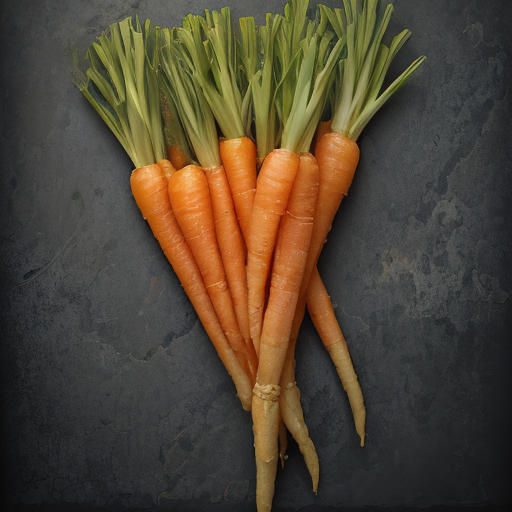
Carrot
The carrot, known in antiquity as a medicinal remedy rather than a vegetable, was originally purple or white. It wasn't until the 17th century that Dutch breeders developed the orange variety, honoring the House of Orange.
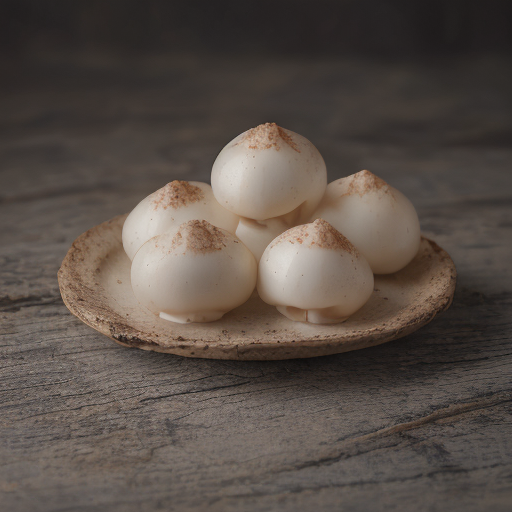
Mushrooms
Mushrooms have been used for thousands of years in cuisines worldwide, from ancient China to classical Greece. In ancient Egypt, they were considered food for royalty, and the Romans called them 'food of the gods'.
You may also like
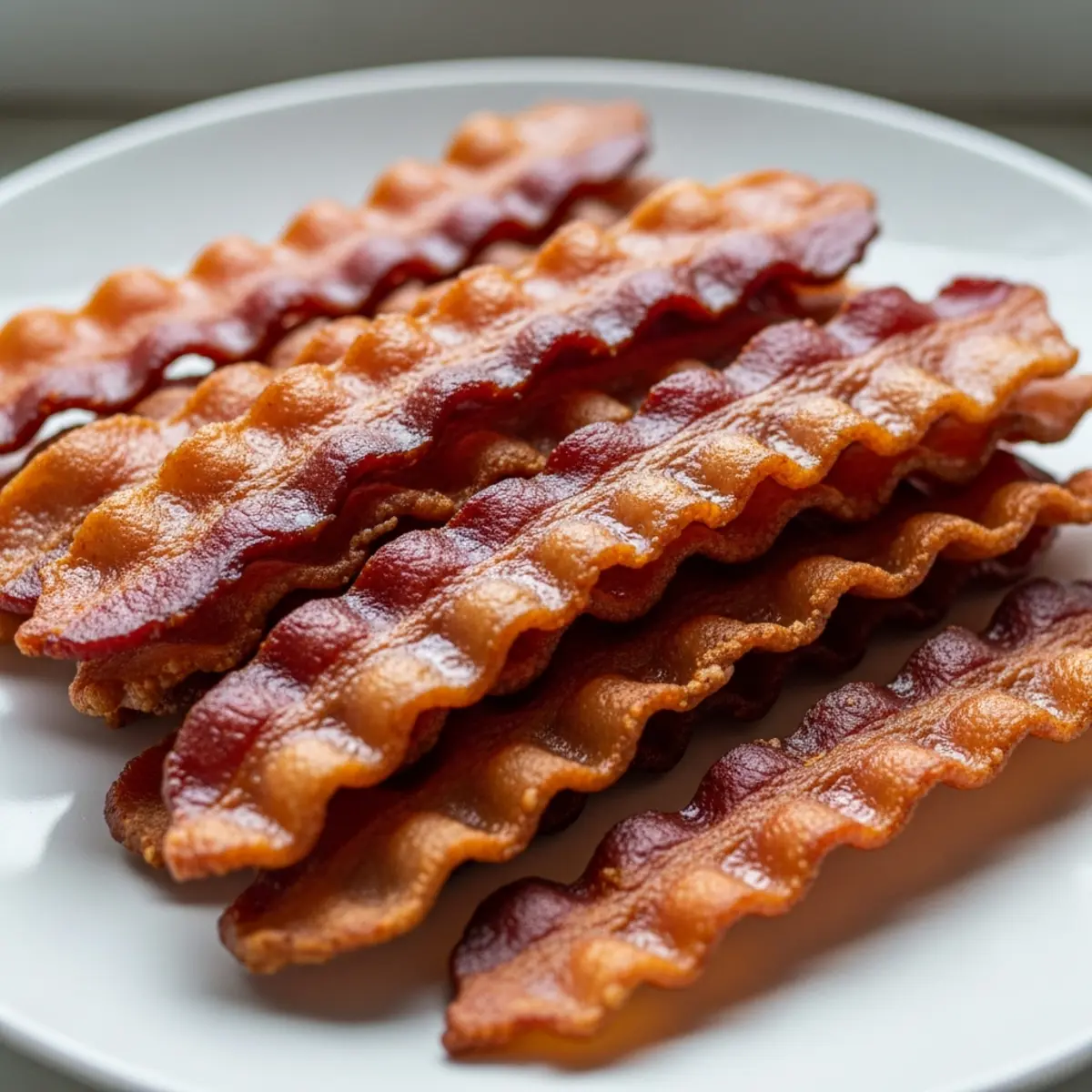 Pork
PorkCrispy Bacon in Air Fryer in 8 Minutes – Quick Recipe
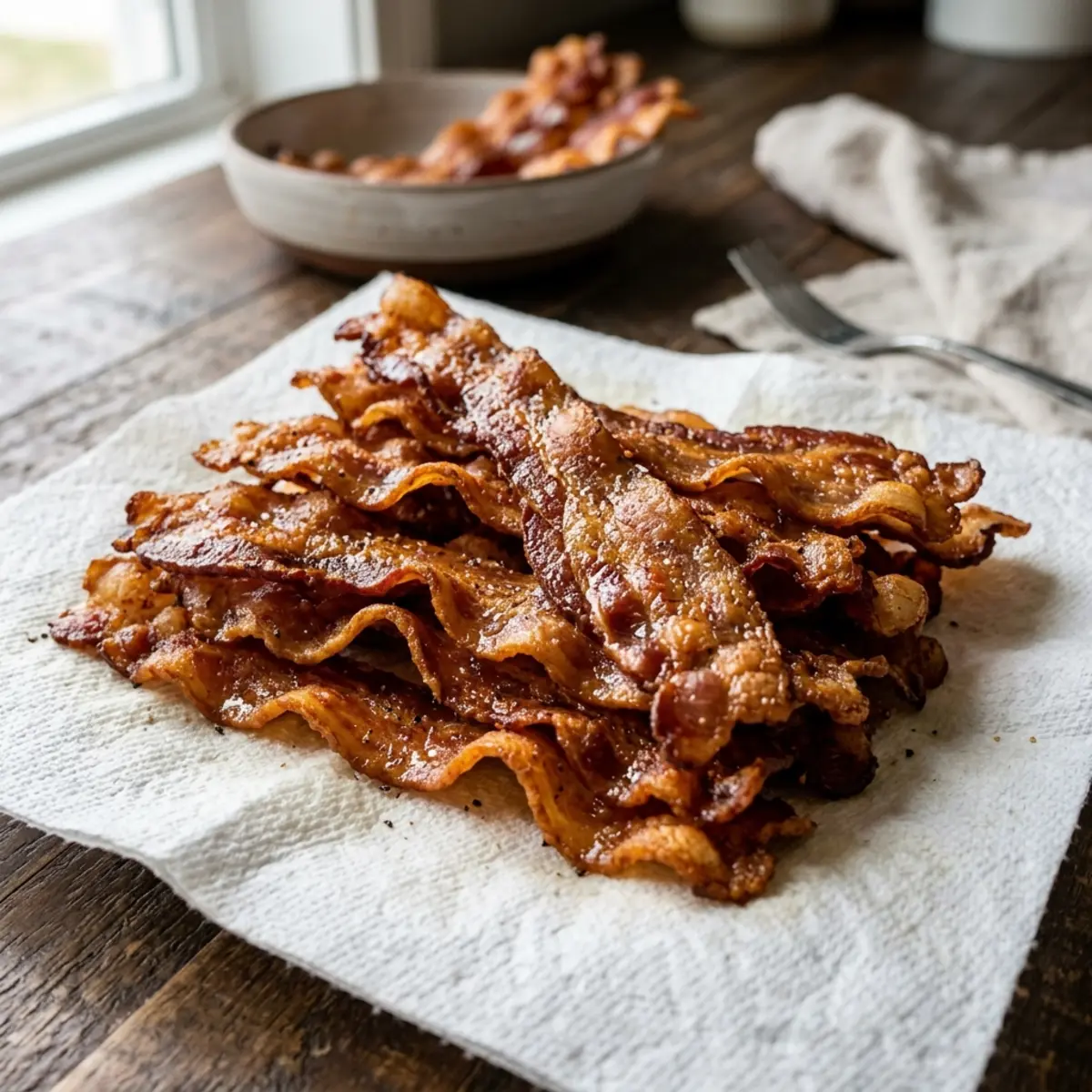 Pork
PorkCrispy Bacon in Ninja Foodi Air Fryer – Quick 12-Minute Recipe
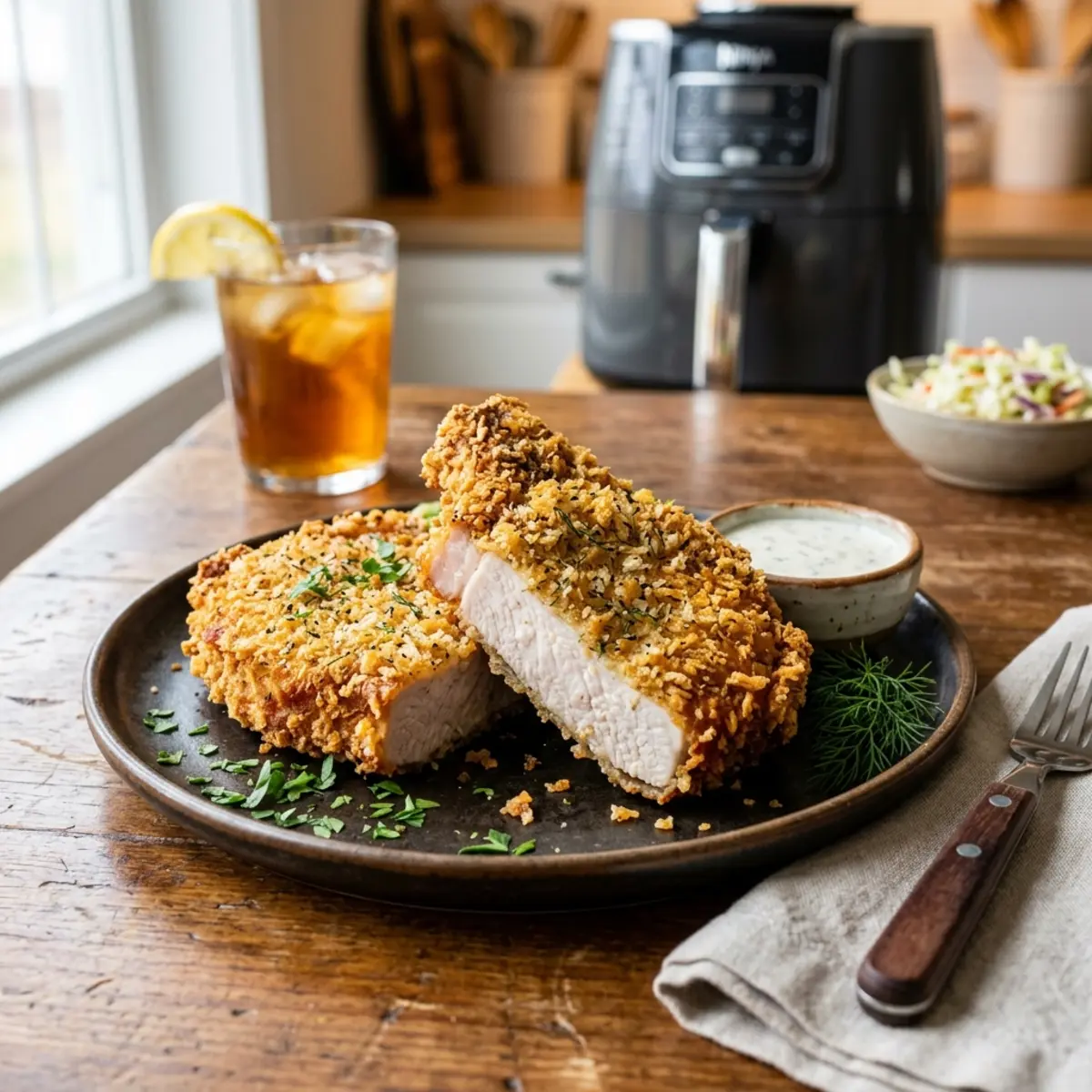 Pork
PorkAir Fryer Ranch Pork Chops
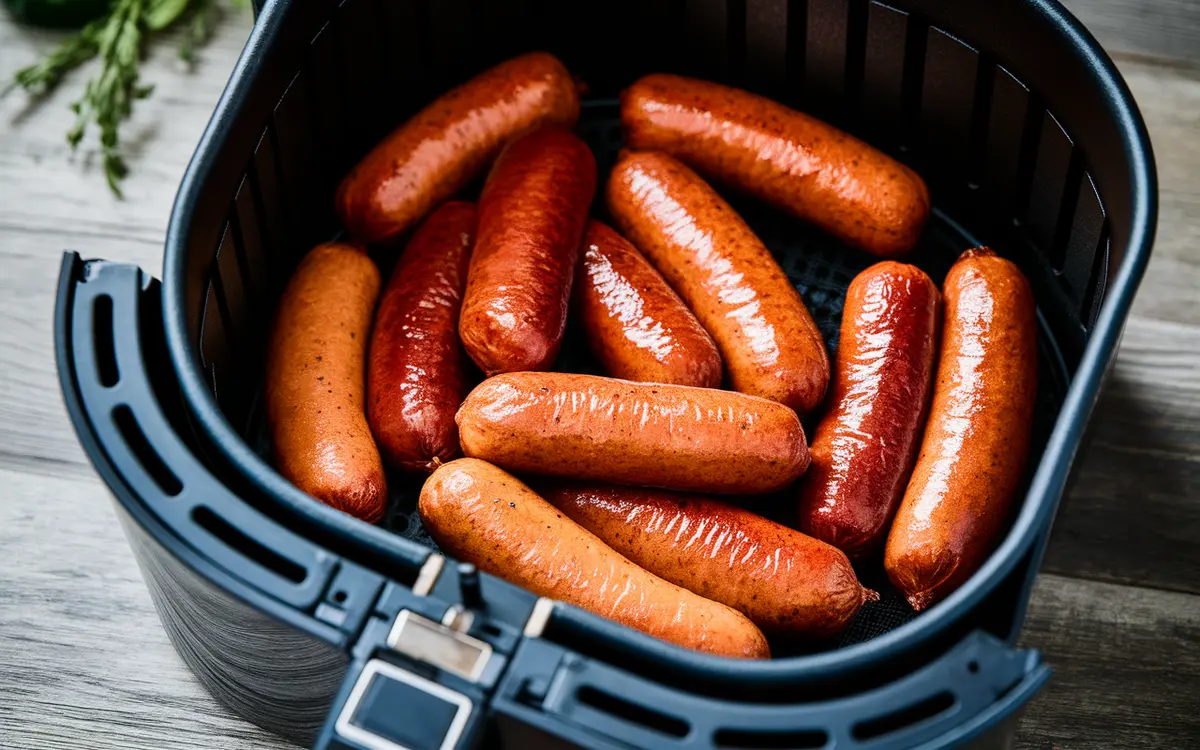 Pork
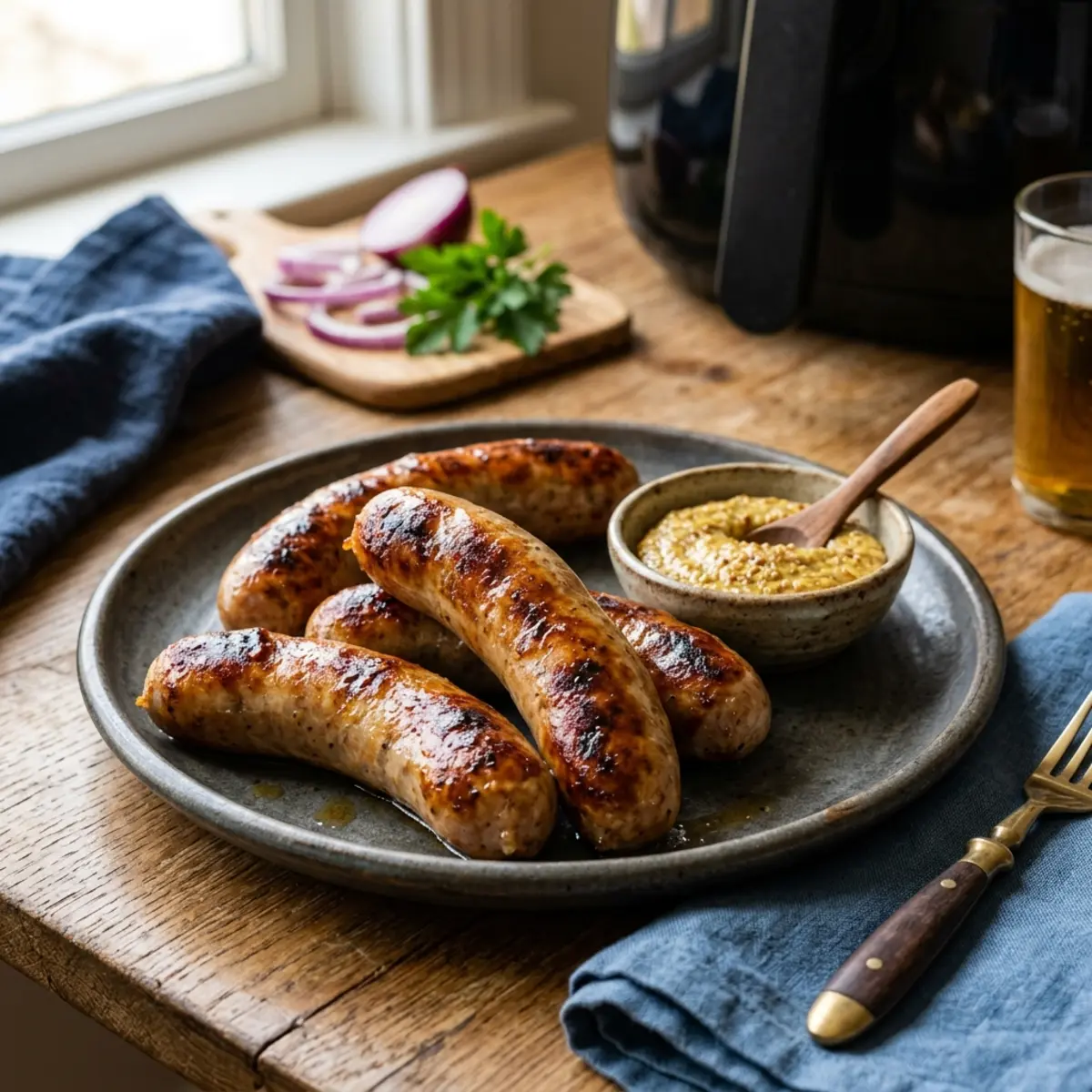
PorkAir Fryer Chipolatas – Crispy Sausages in 15 Minutes
 Pork
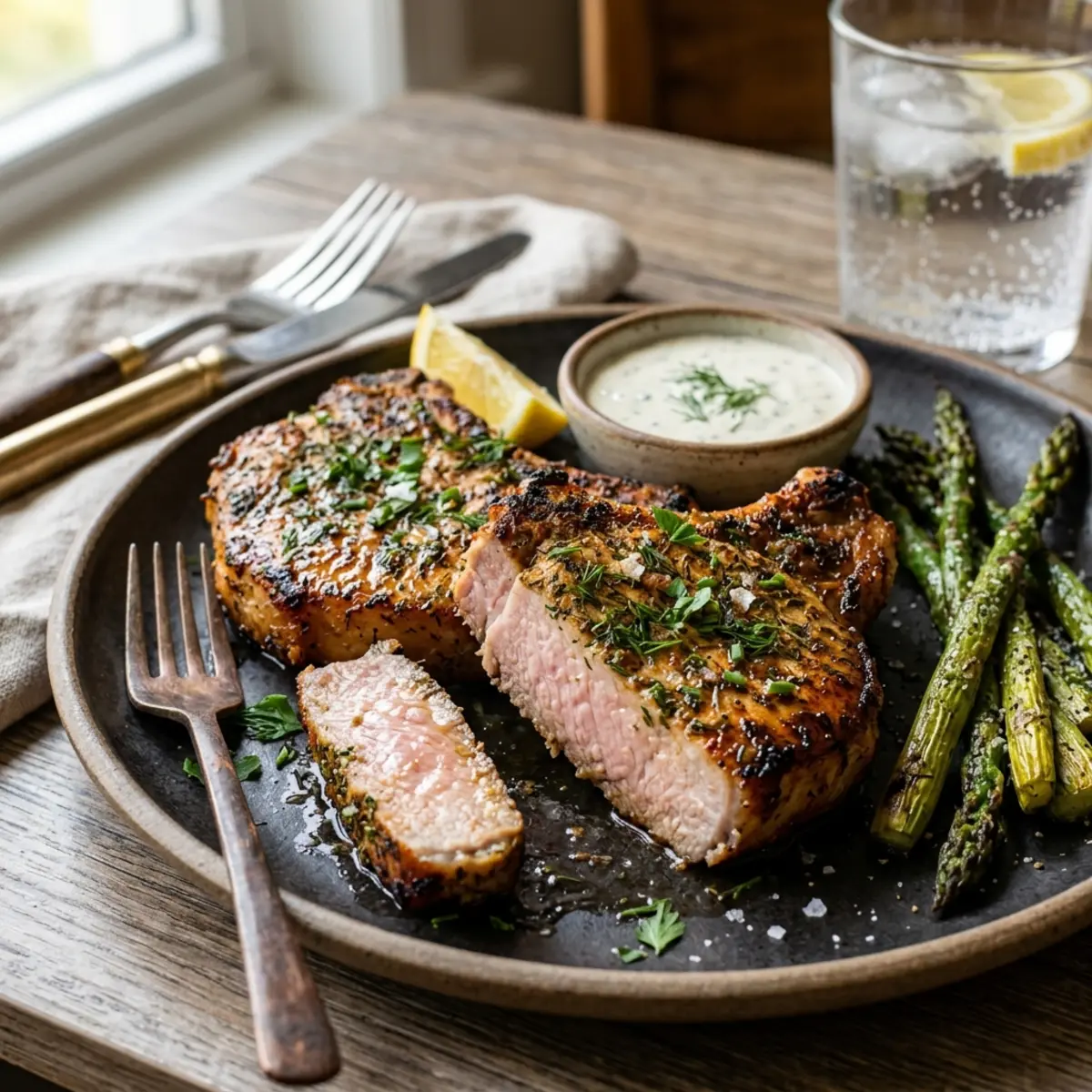
PorkAir Fryer Pork Chops with Ranch Seasoning
 Pork
Pork