Crispy Pork Belly with Five Spice in Air Fryer
Tender pork belly with crispy skin and five spice flavor, cooked quickly in an air fryer.

Steps
- 01
Pat the pork belly dry with paper towels. Score the skin in a crosshatch pattern to help the fat render and the skin become extra crispy.
- 02
Rub the meat on all sides with salt, pepper, paprika, and garlic powder. Optionally, add five spice powder for an extra layer of flavor.
- 03
Preheat the air fryer to 180°C (350°F).
- 04
Place the pork belly skin-side up in the air fryer basket. Cook for 25–30 minutes at 180°C.
- 05
Increase the temperature to 200°C (400°F) and cook for another 5–10 minutes, until the skin is golden and crispy. Check frequently to avoid burning.
- 06
Let the pork belly rest for 5 minutes before slicing.
Recipe story
Five spice is a traditional Chinese blend used for centuries to flavor pork. In Cantonese cuisine, crispy pork belly is an iconic dish, often served with rice or in sandwiches. This recipe adapts it for the air fryer, preserving the crunchy texture and authentic flavors.
Ingredient Secrets
Discover the culinary secrets and flavor history of key ingredients in this dish.
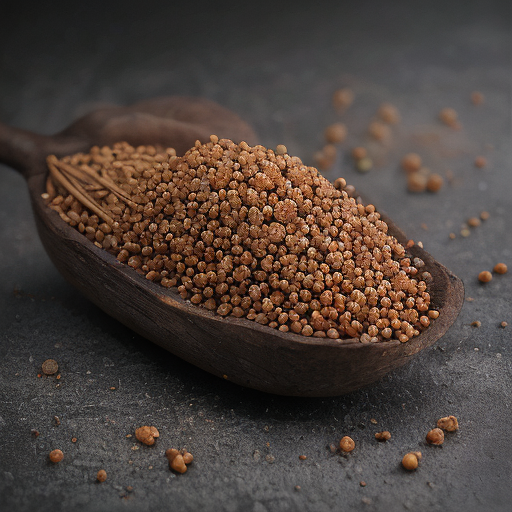
Black pepper
Known as 'black gold' in antiquity, pepper was so valuable that it served as currency and tribute. In the Middle Ages, Venetian merchants controlled the pepper trade, and individual peppercorns were often counted. Legend has it that when Alaric, king of the Visigoths, demanded tribute from Rome, he included 3,000 pounds of pepper.
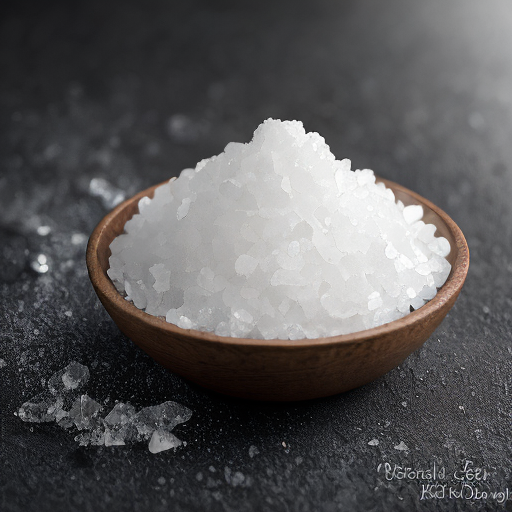
Sea salt
Sea salt, extracted from ocean waters by evaporation, was one of the most precious goods of antiquity, used both as food and as currency. In ancient Rome, soldiers were paid with salt, which is the origin of the word 'salary'. Salt roads connected entire civilizations, and in the Middle Ages, salt was so valuable it was called 'white gold'.
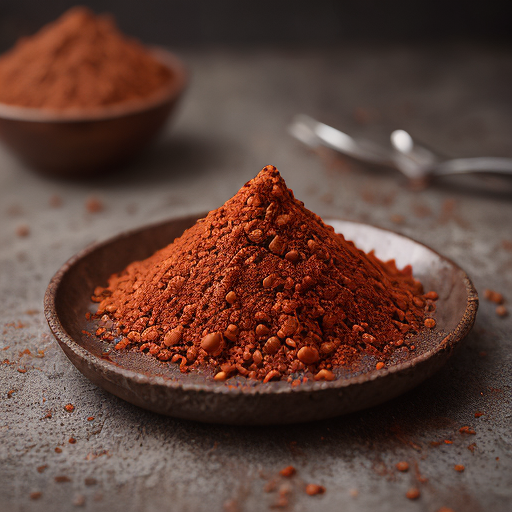
Paprika
Paprika, a emblematic spice brought to Europe by Christopher Columbus from the New World. Although associated with Hungarian cuisine, its origins are in Central America, where it was used by the Aztecs.
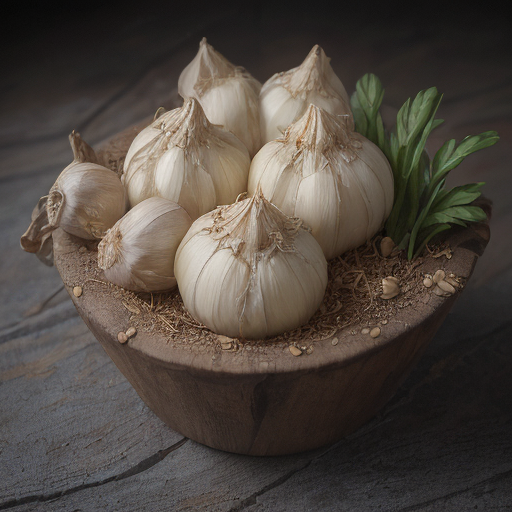
Garlic
Native to Central Asia, garlic was already known in ancient Egypt, where it was given to slaves to boost their strength. In ancient Greece, athletes consumed it before competitions, and in Rome, legionaries considered it essential for courage. During the Middle Ages, it was used to ward off vampires and the plague.
You may also like
 Pork
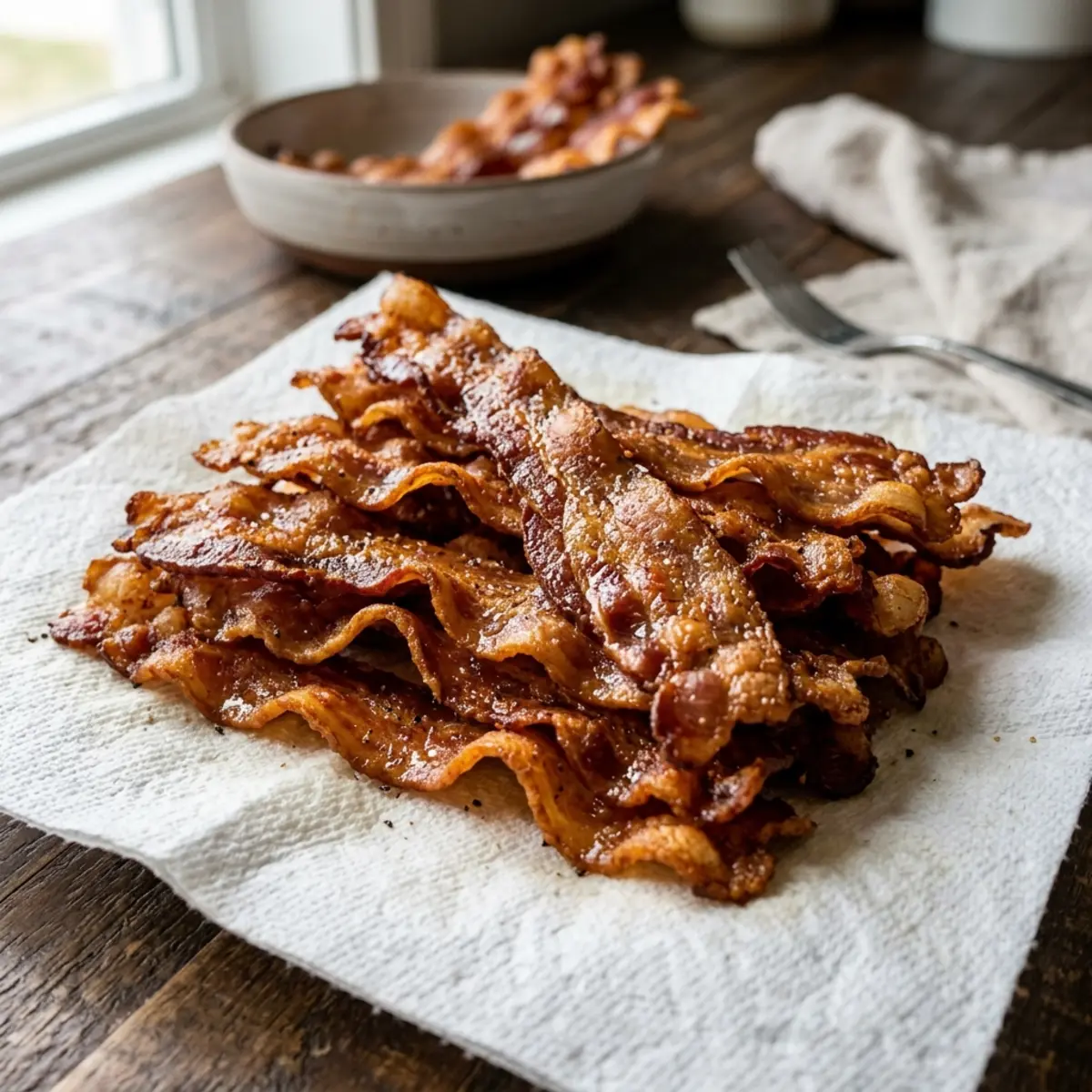
Crispy Bacon in Air Fryer in 8 Minutes – Quick Recipe
 Pork
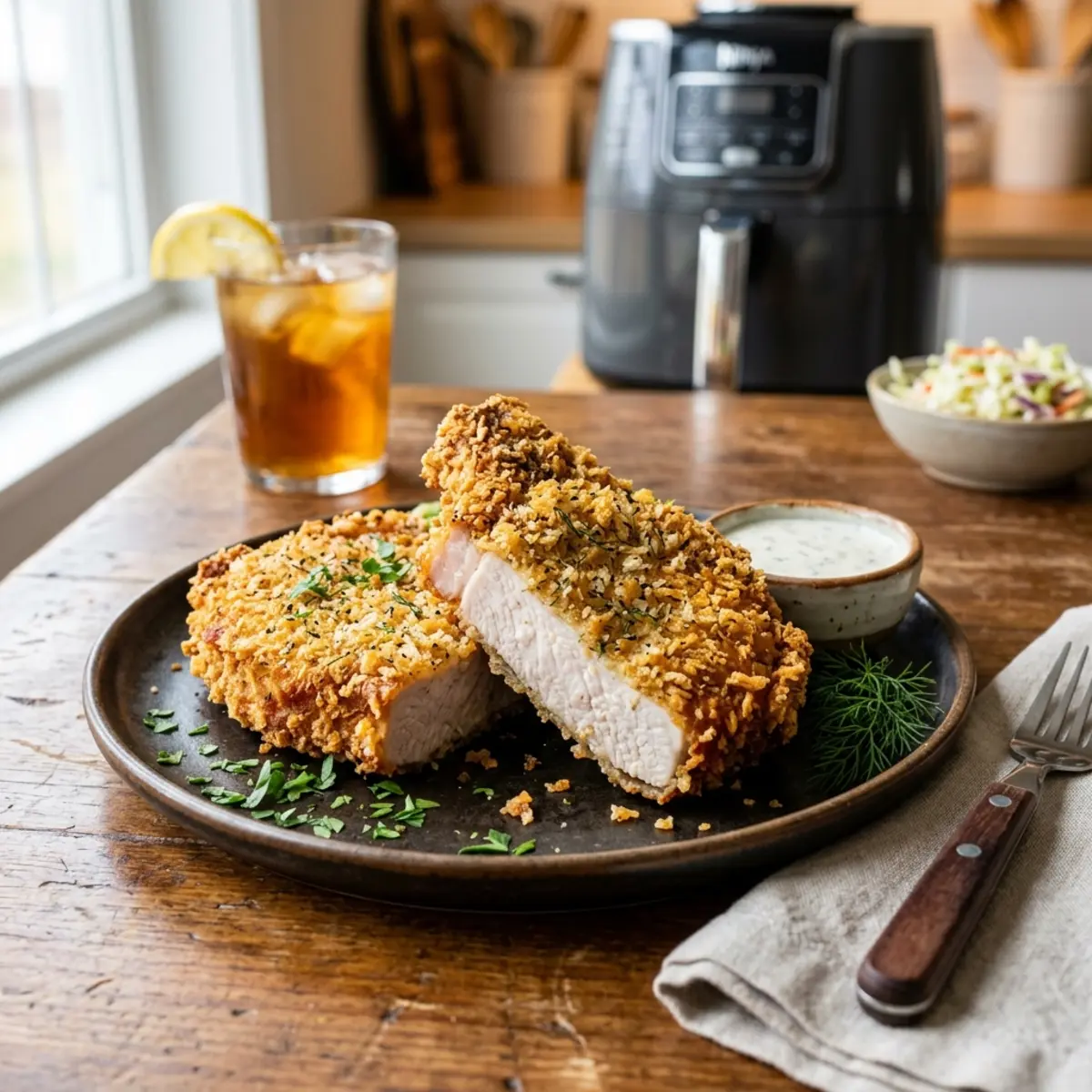
Crispy Bacon in Ninja Foodi Air Fryer – Quick 12-Minute Recipe
 Pork
Air Fryer Ranch Pork Chops
 Pork
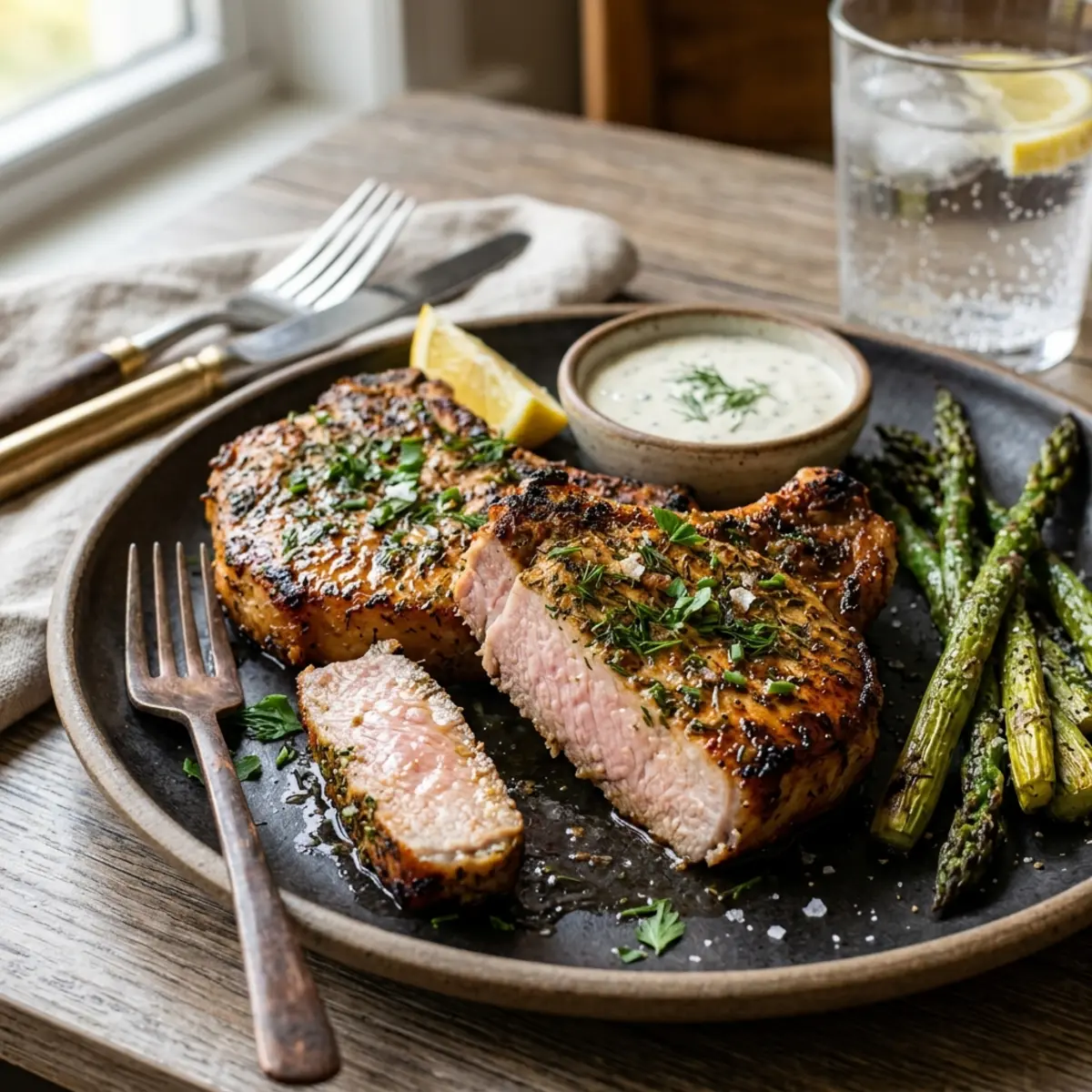
Air Fryer Chipolatas – Crispy Sausages in 15 Minutes
 Pork
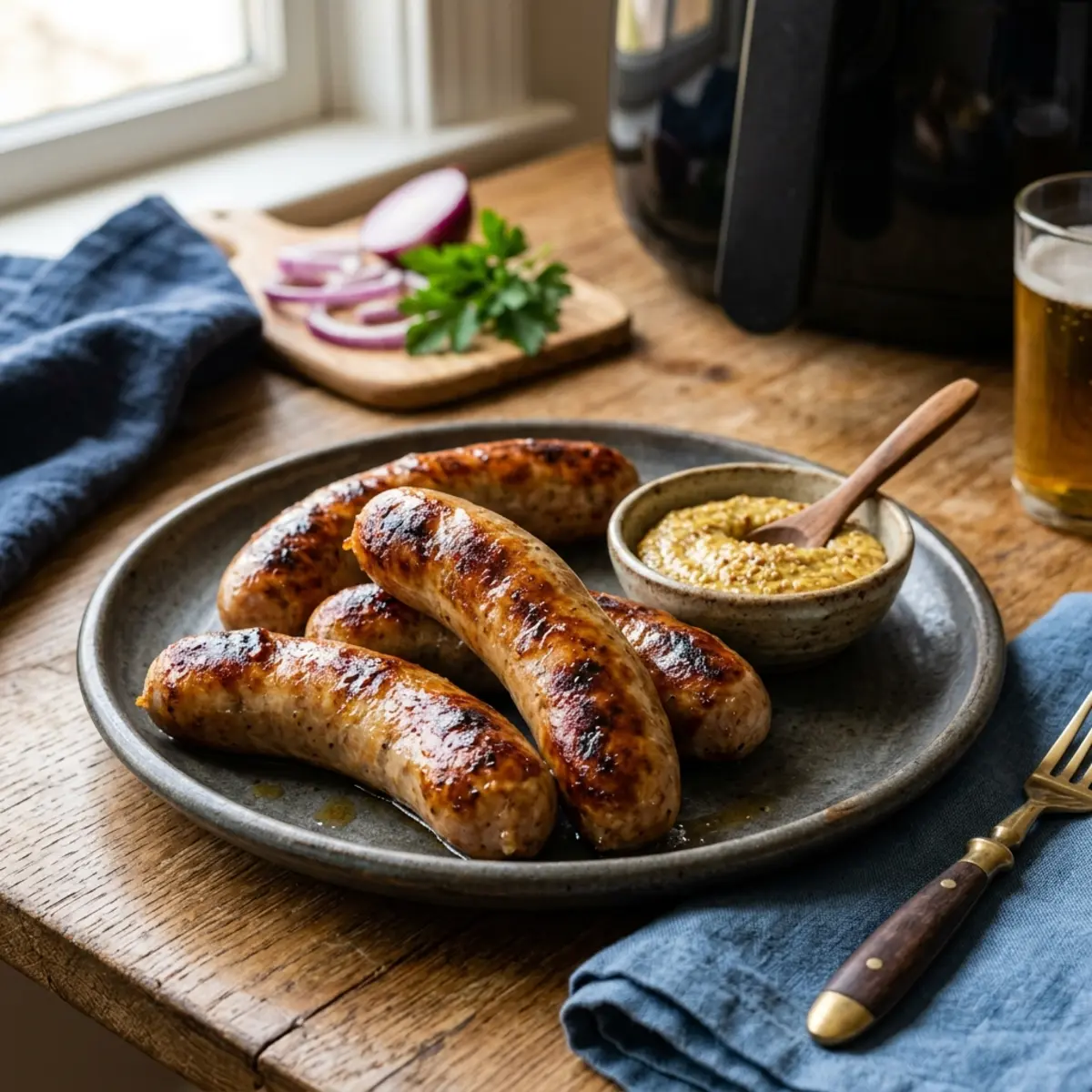
Air Fryer Pork Chops with Ranch Seasoning
 Pork