Crispy Pork Belly in Air Fryer with Hoisin Sauce
Crispy pork belly cooked in an air fryer, served with a sweet and savory hoisin sauce. A simple and quick recipe for a spectacular dish.
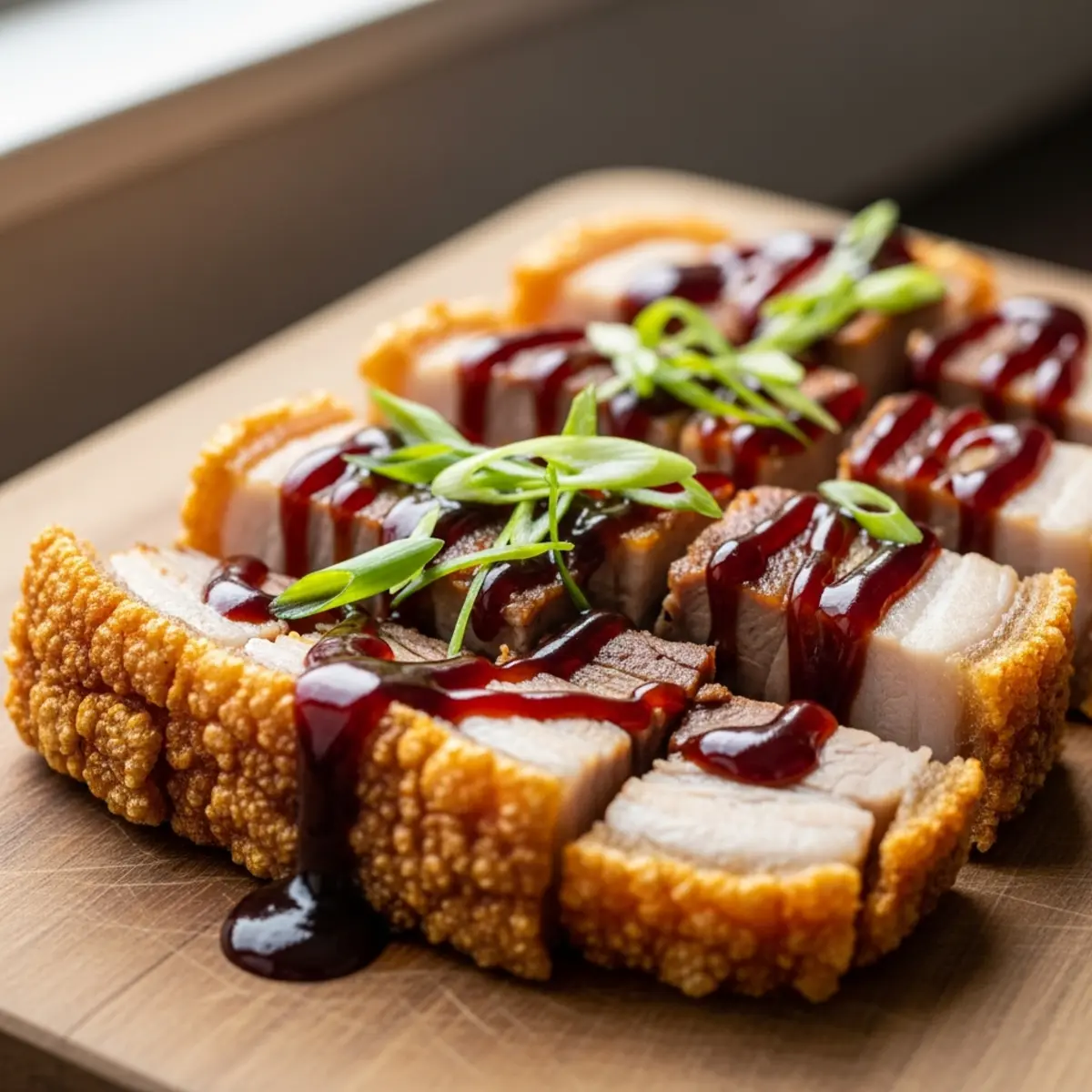
Steps
- 01
Score the meat side (without skin) in a diamond pattern, 0.5 cm deep. Rub the five-spice powder and garlic powder into the cuts.
- 02
Turn the pork belly over and score only the skin (down to the fat, not the meat). Sprinkle coarse salt over the skin, let it sit for 10 minutes, then wipe off the salt and dry the skin with a paper towel.
- 03
Place the pork belly skin-side up on a piece of aluminum foil. Raise the edges of the foil to create a wall, leaving the skin exposed. Cook in the air fryer at 160°C (320°F) for 30 minutes.
- 04
Increase the air fryer temperature to 200°C (400°F) and cook for another 10 minutes to make the skin crispy. Ensure the foil still covers the sides to prevent burning.
- 05
Mix the hoisin sauce, light soy sauce, sesame oil, and rice vinegar for the dipping sauce. Cut the pork belly into 1 cm thick pieces. Serve with rice and sauce.
Recipe story
Crispy pork belly is a traditional dish in Chinese cuisine, known as 'siu yuk'. Originating from Guangdong province, this dish was originally cooked in brick ovens, and the crispy skin was considered a symbol of prosperity. Over time, the recipe spread throughout Asia, adapted in various ways. Today, the air fryer allows achieving the same crispy texture with less effort.
Ingredient Secrets
Discover the culinary secrets and flavor history of key ingredients in this dish.
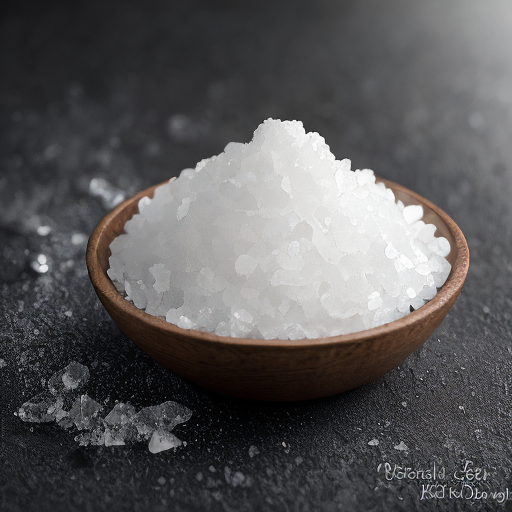
Sea salt
Sea salt, extracted from ocean waters by evaporation, was one of the most precious goods of antiquity, used both as food and as currency. In ancient Rome, soldiers were paid with salt, which is the origin of the word 'salary'. Salt roads connected entire civilizations, and in the Middle Ages, salt was so valuable it was called 'white gold'.
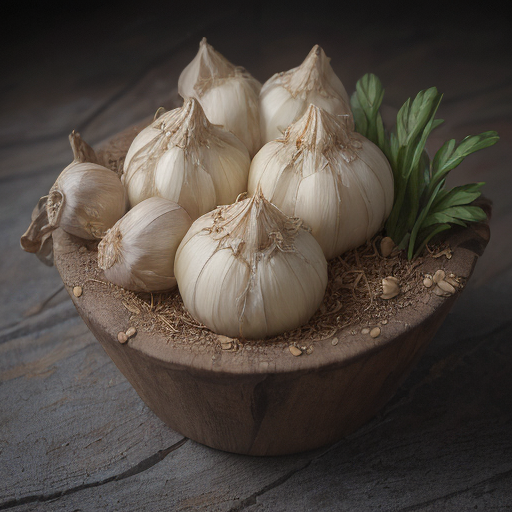
Garlic
Native to Central Asia, garlic was already known in ancient Egypt, where it was given to slaves to boost their strength. In ancient Greece, athletes consumed it before competitions, and in Rome, legionaries considered it essential for courage. During the Middle Ages, it was used to ward off vampires and the plague.
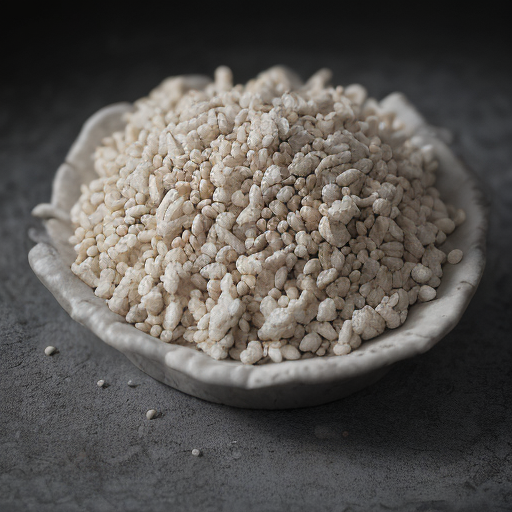
Sesame
In Assyrian mythology, the gods drank sesame wine on the night before the creation of the world, and in ancient Rome, sesame seeds were sprinkled on soldiers' bread to give them strength. In the Middle Ages, sesame was considered a magical food capable of boosting vitality. Today, it is valued for its oil rich in essential fatty acids.
You may also like
 Pork
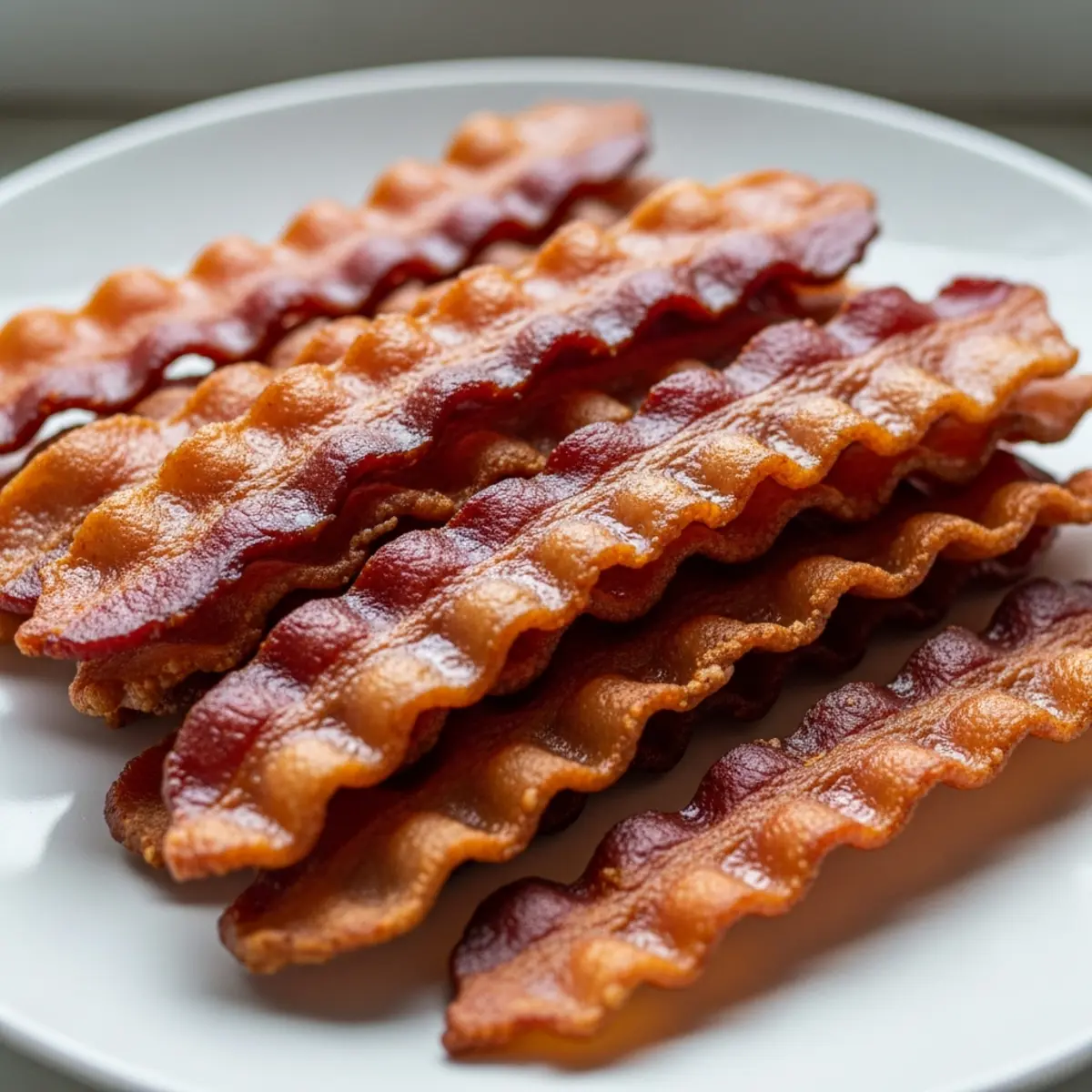
PorkCrispy Bacon in Air Fryer in 8 Minutes – Quick Recipe
 Pork
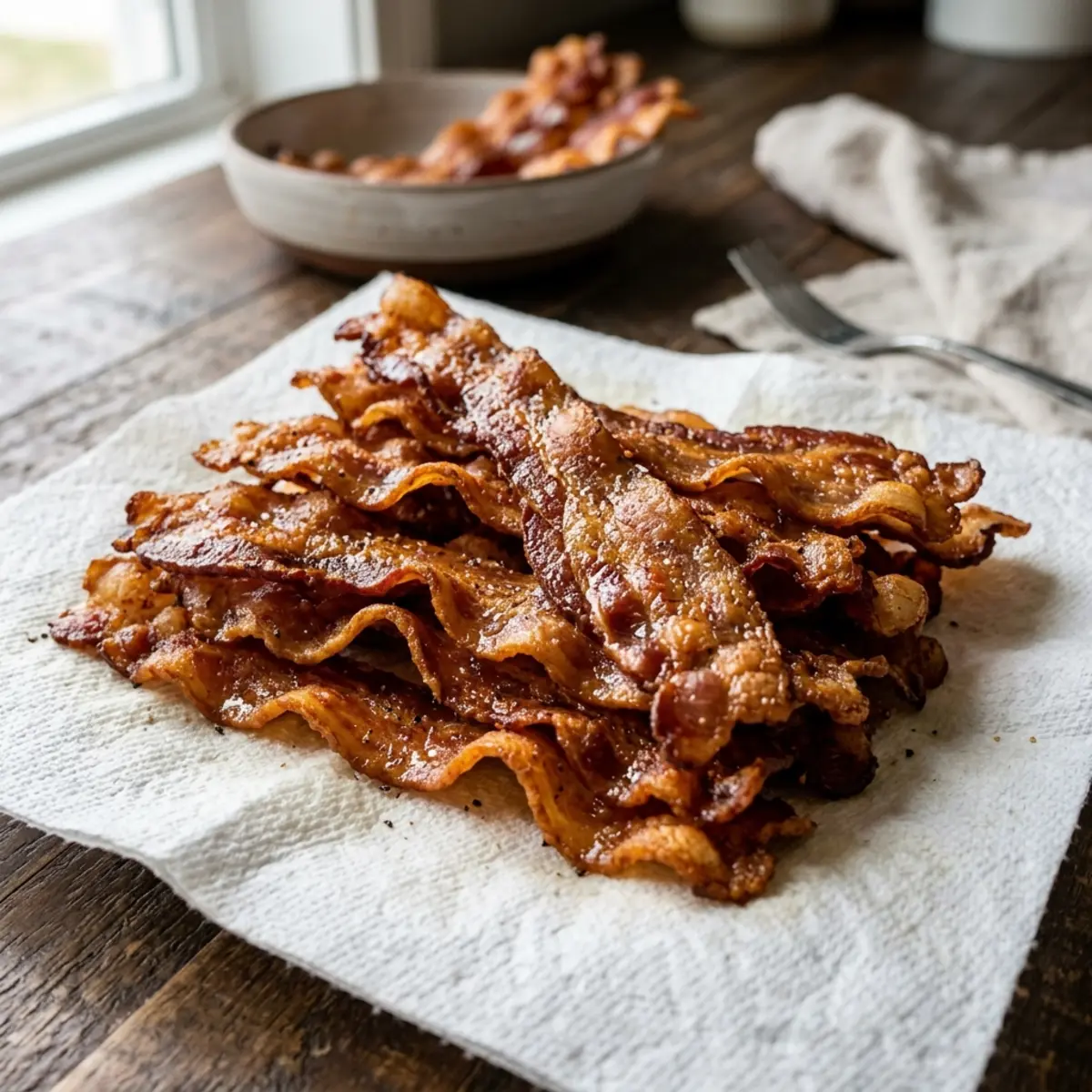
PorkCrispy Bacon in Ninja Foodi Air Fryer – Quick 12-Minute Recipe
 Pork
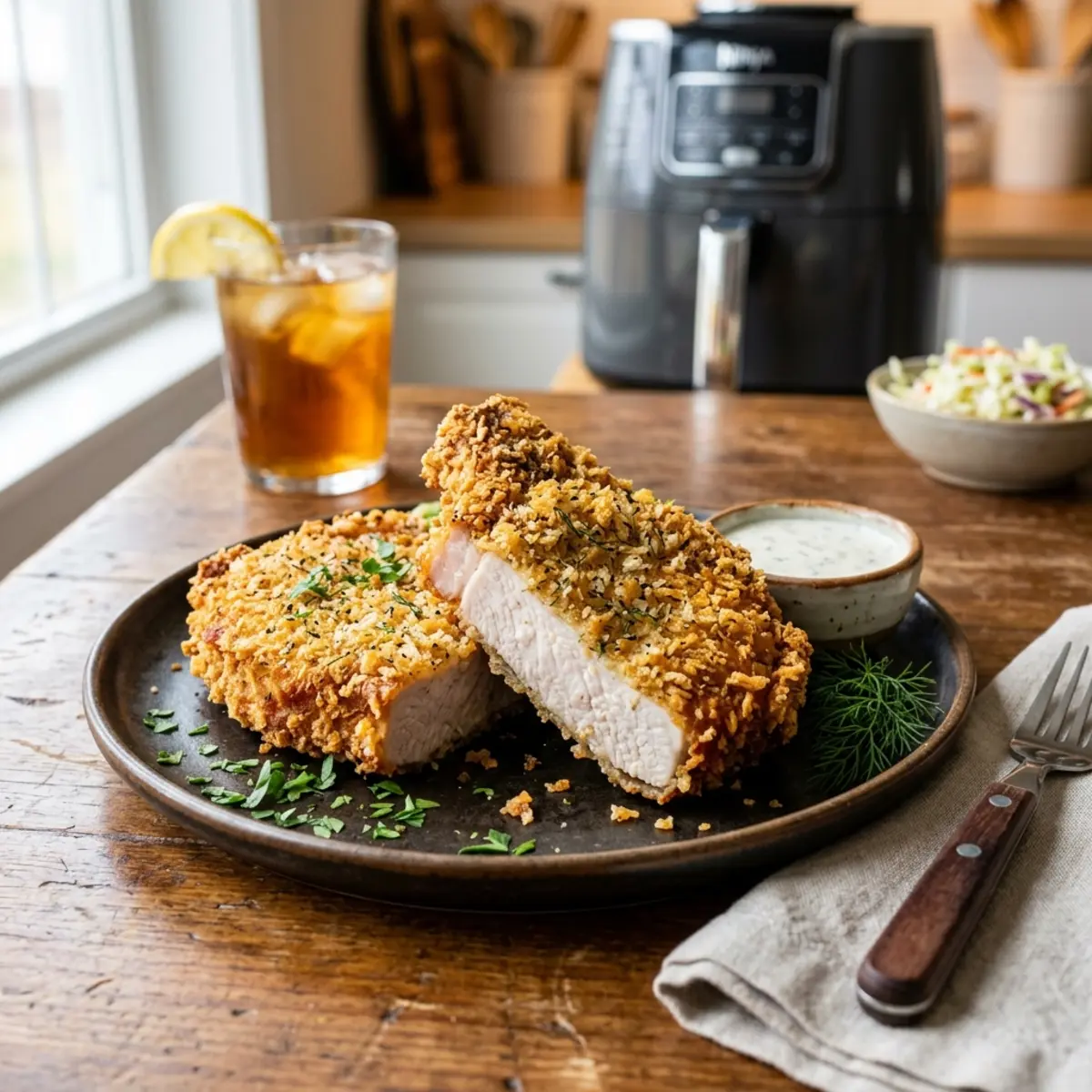
PorkAir Fryer Ranch Pork Chops
 Pork
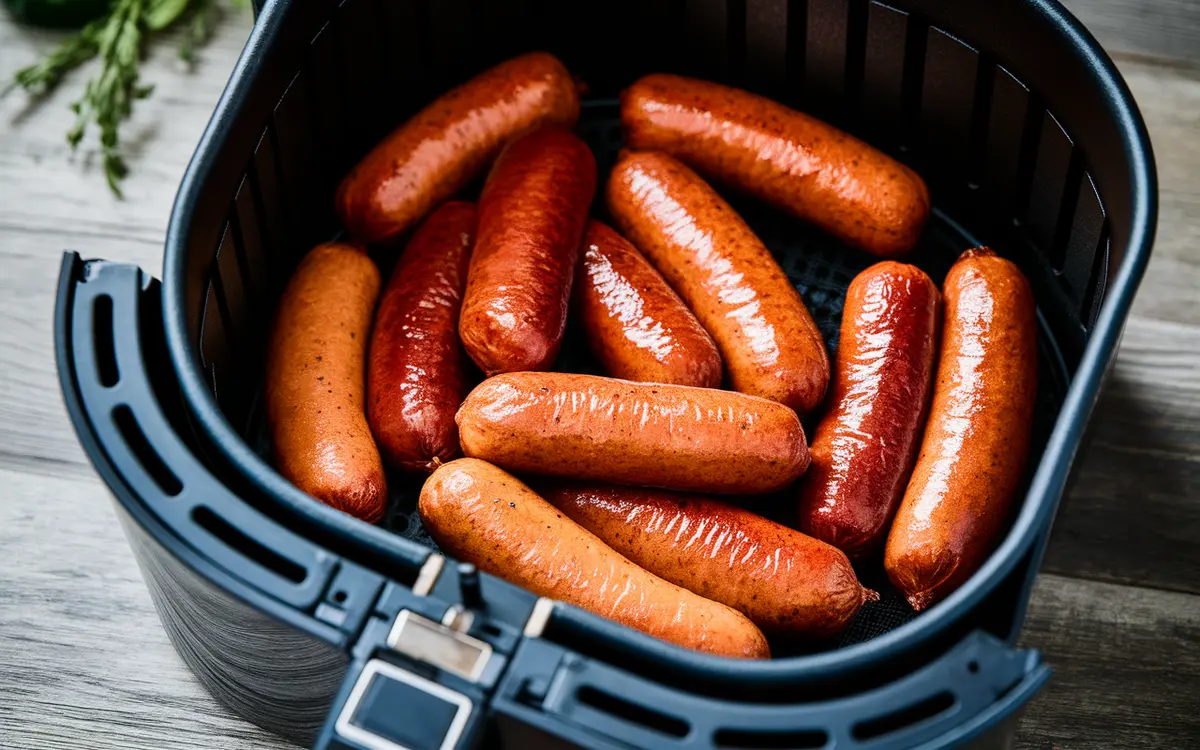
PorkAir Fryer Chipolatas – Crispy Sausages in 15 Minutes
 Pork
PorkAir Fryer Pork Chops with Ranch Seasoning
 Pork
Pork