Air Fryer Pork Tenderloin with Garlic and Herb Crust
A juicy pork tenderloin with a crispy garlic and herb crust, quickly cooked in the air fryer.
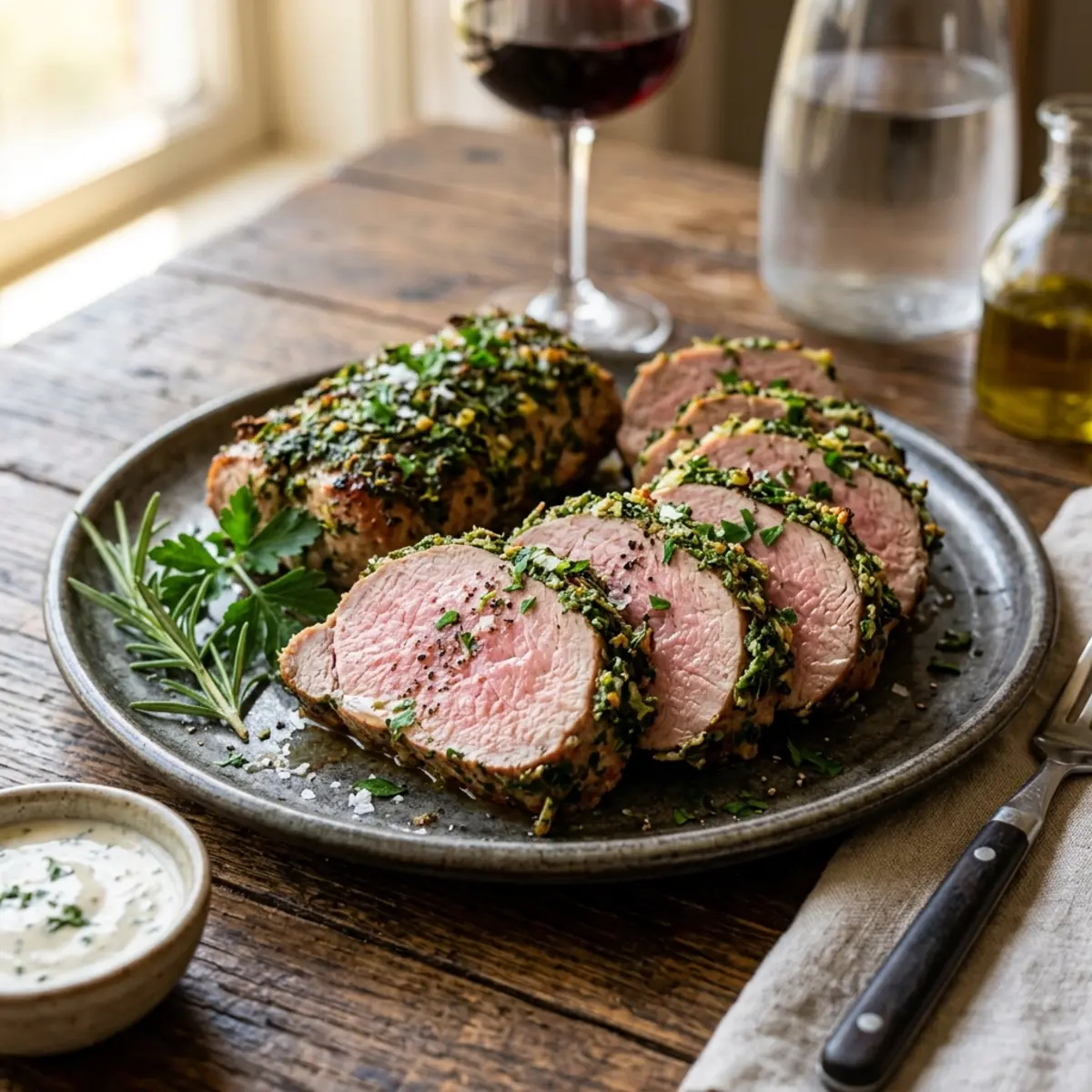
Steps
- 01
Brush the pork tenderloin all over with a thin layer of sunflower oil using a pastry brush.
- 02
In a bowl, mix the breadcrumbs, salt, and all spices. Sprinkle this mixture evenly over the meat, then press lightly with your hands to form an even crust.
- 03
Preheat the air fryer basket for 3 minutes at 200°C. Place the tenderloin inside (if it doesn't fit straight, you can gently curve it).
- 04
Cook the tenderloin at 200°C for 20 minutes. The internal temperature should reach between 65°C (for slightly pink and juicy) and 72°C (for well done).
- 05
Remove the tenderloin using kitchen tongs (do not pierce the meat with a fork).
- 06
Let the meat rest for 10 minutes before slicing, so the juices redistribute evenly.
Recipe story
Pork tenderloin with garlic and herb crust is a modern reinterpretation of a traditional European recipe. Originating from Mediterranean cuisine, this cooking method has been adapted for the air fryer, preserving the crispy texture and intense flavors. In Italy, similar dishes were served at festive meals, while in France, pork with herbs was a symbol of culinary refinement.
Ingredient Secrets
Discover the culinary secrets and flavor history of key ingredients in this dish.
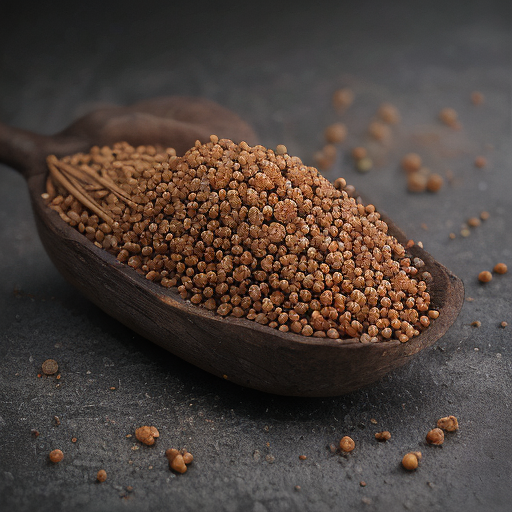
Black pepper
Known as 'black gold' in antiquity, pepper was so valuable that it served as currency and tribute. In the Middle Ages, Venetian merchants controlled the pepper trade, and individual peppercorns were often counted. Legend has it that when Alaric, king of the Visigoths, demanded tribute from Rome, he included 3,000 pounds of pepper.
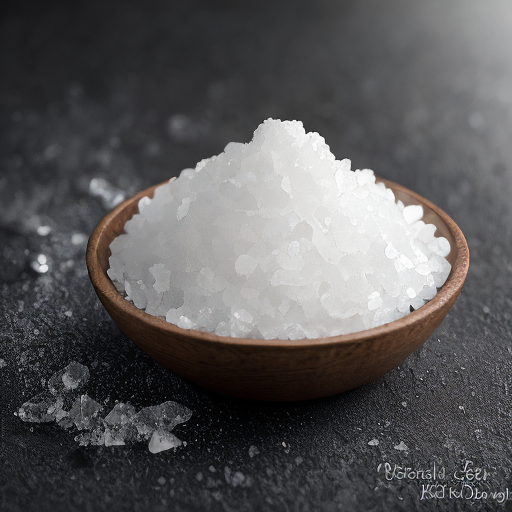
Sea salt
Sea salt, extracted from ocean waters by evaporation, was one of the most precious goods of antiquity, used both as food and as currency. In ancient Rome, soldiers were paid with salt, which is the origin of the word 'salary'. Salt roads connected entire civilizations, and in the Middle Ages, salt was so valuable it was called 'white gold'.
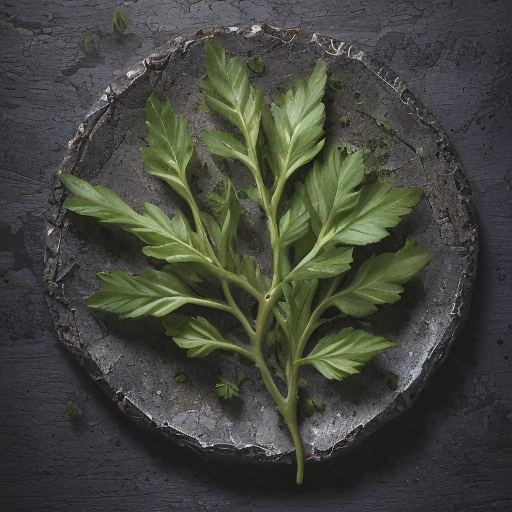
Thyme
In ancient Rome, thyme was burned in temples to purify the air and ward off evil spirits, and Roman soldiers added it to their baths to strengthen their courage. In the Middle Ages, noble ladies embroidered thyme on knights' scarves as a symbol of bravery. The ancient Greeks used it in baths and temples, and its name derives from the Greek 'thymos', meaning 'courage'.
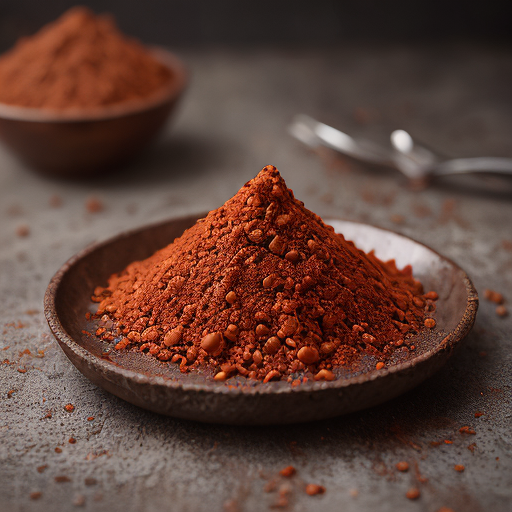
Paprika
Paprika, a emblematic spice brought to Europe by Christopher Columbus from the New World. Although associated with Hungarian cuisine, its origins are in Central America, where it was used by the Aztecs.
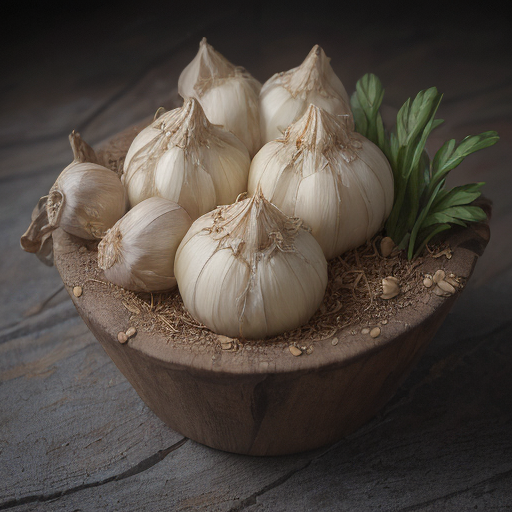
Garlic
Native to Central Asia, garlic was already known in ancient Egypt, where it was given to slaves to boost their strength. In ancient Greece, athletes consumed it before competitions, and in Rome, legionaries considered it essential for courage. During the Middle Ages, it was used to ward off vampires and the plague.
You may also like
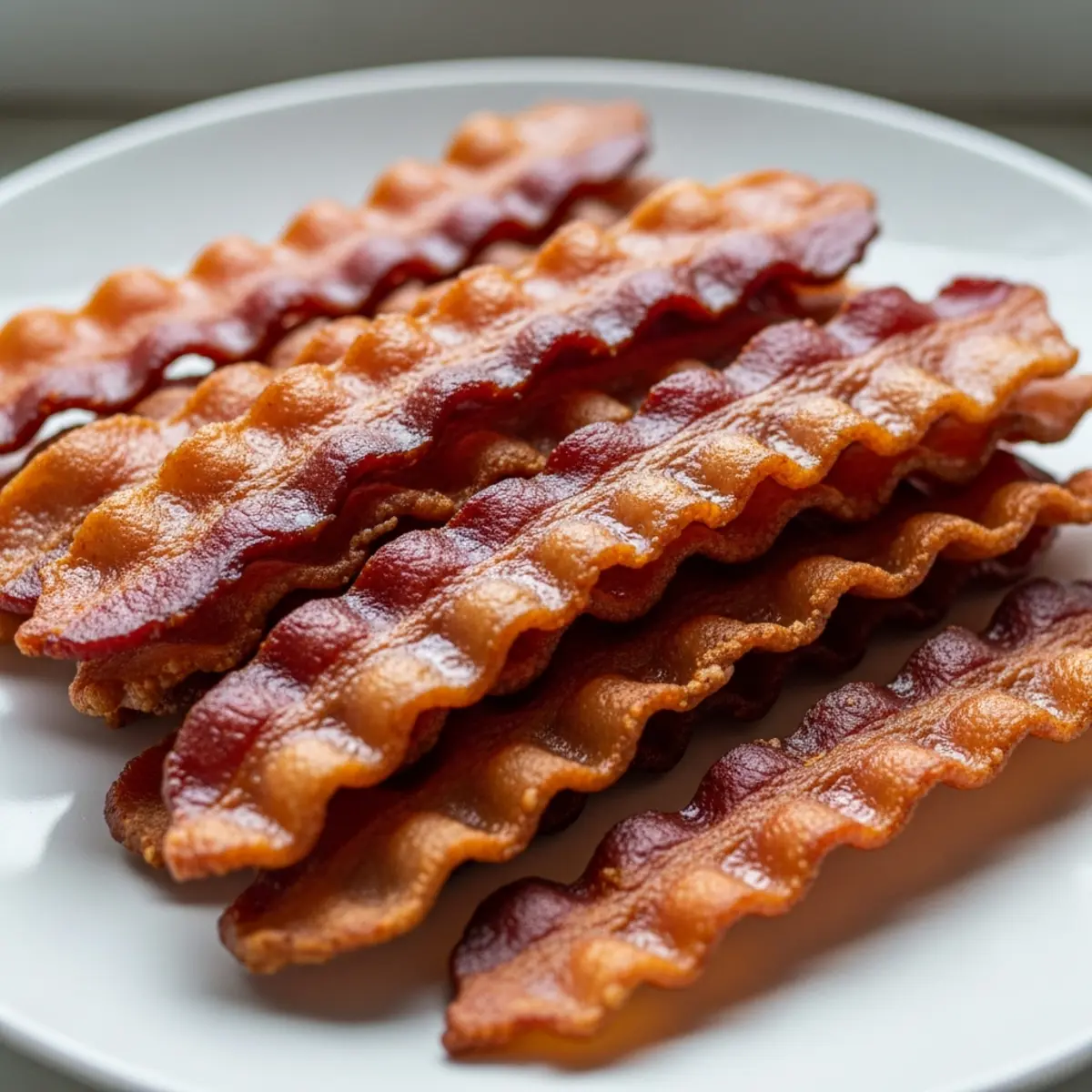 Pork
PorkCrispy Bacon in Air Fryer in 8 Minutes – Quick Recipe
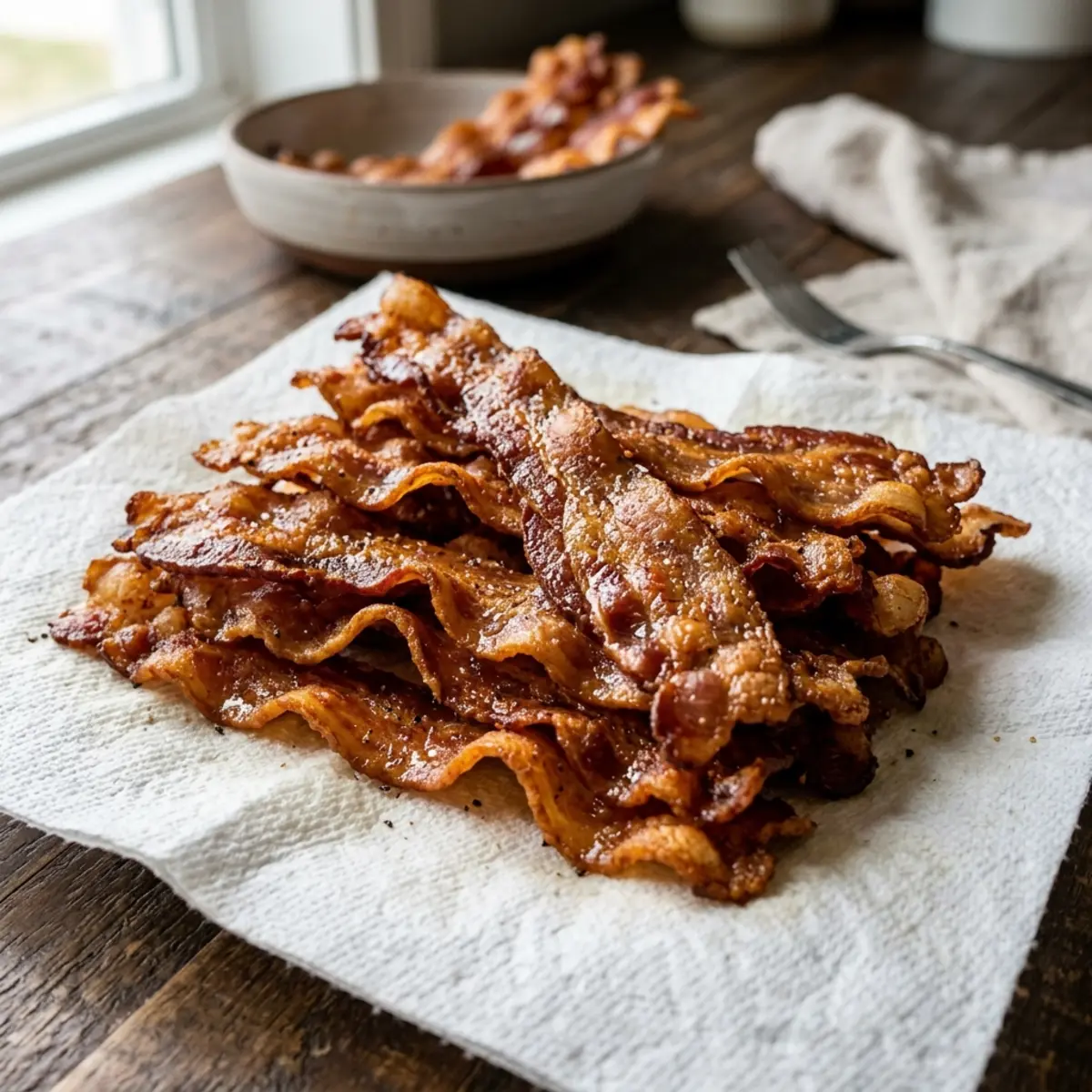 Pork
PorkCrispy Bacon in Ninja Foodi Air Fryer – Quick 12-Minute Recipe
 Pork
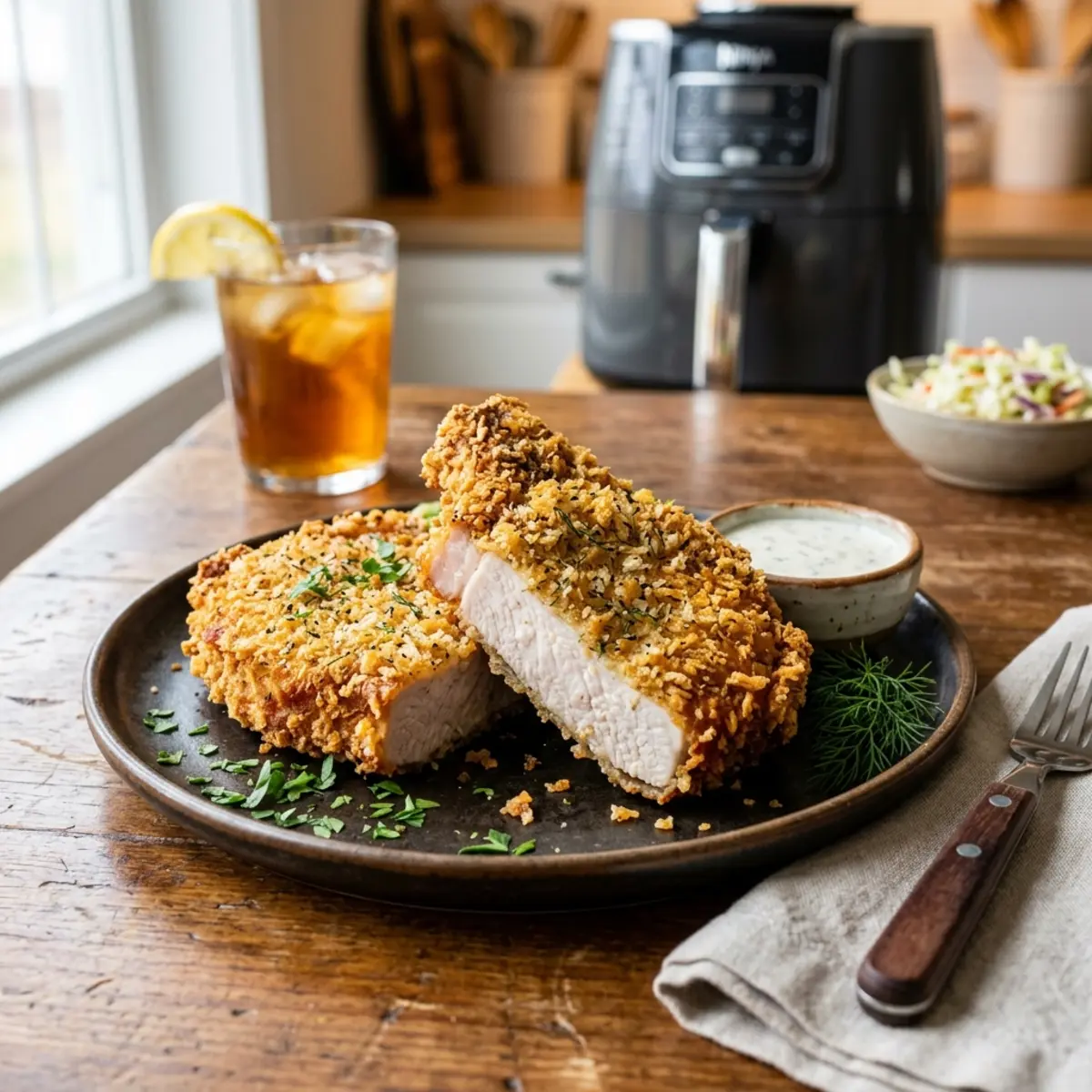
PorkAir Fryer Ranch Pork Chops
 Pork
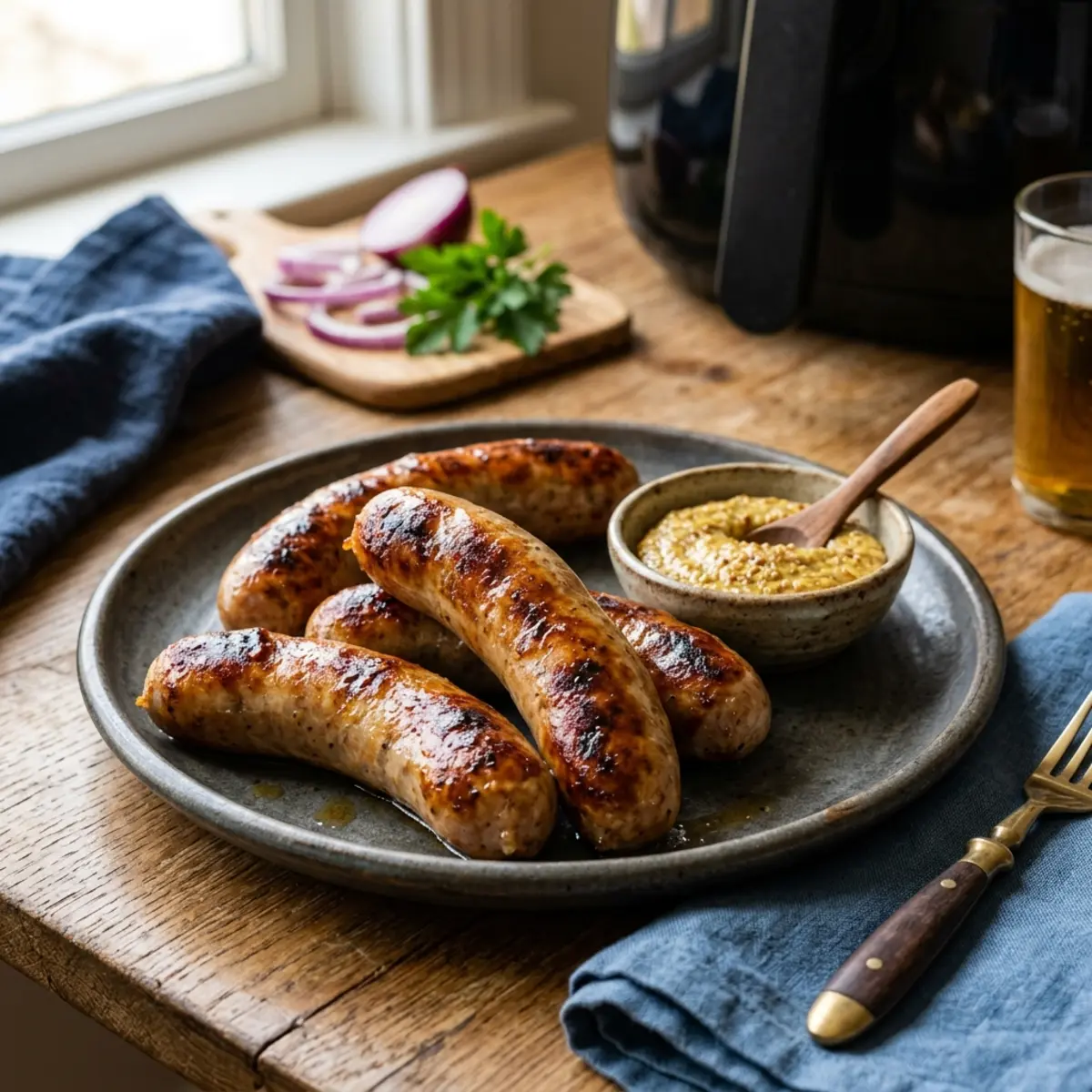
PorkAir Fryer Chipolatas – Crispy Sausages in 15 Minutes
 Pork
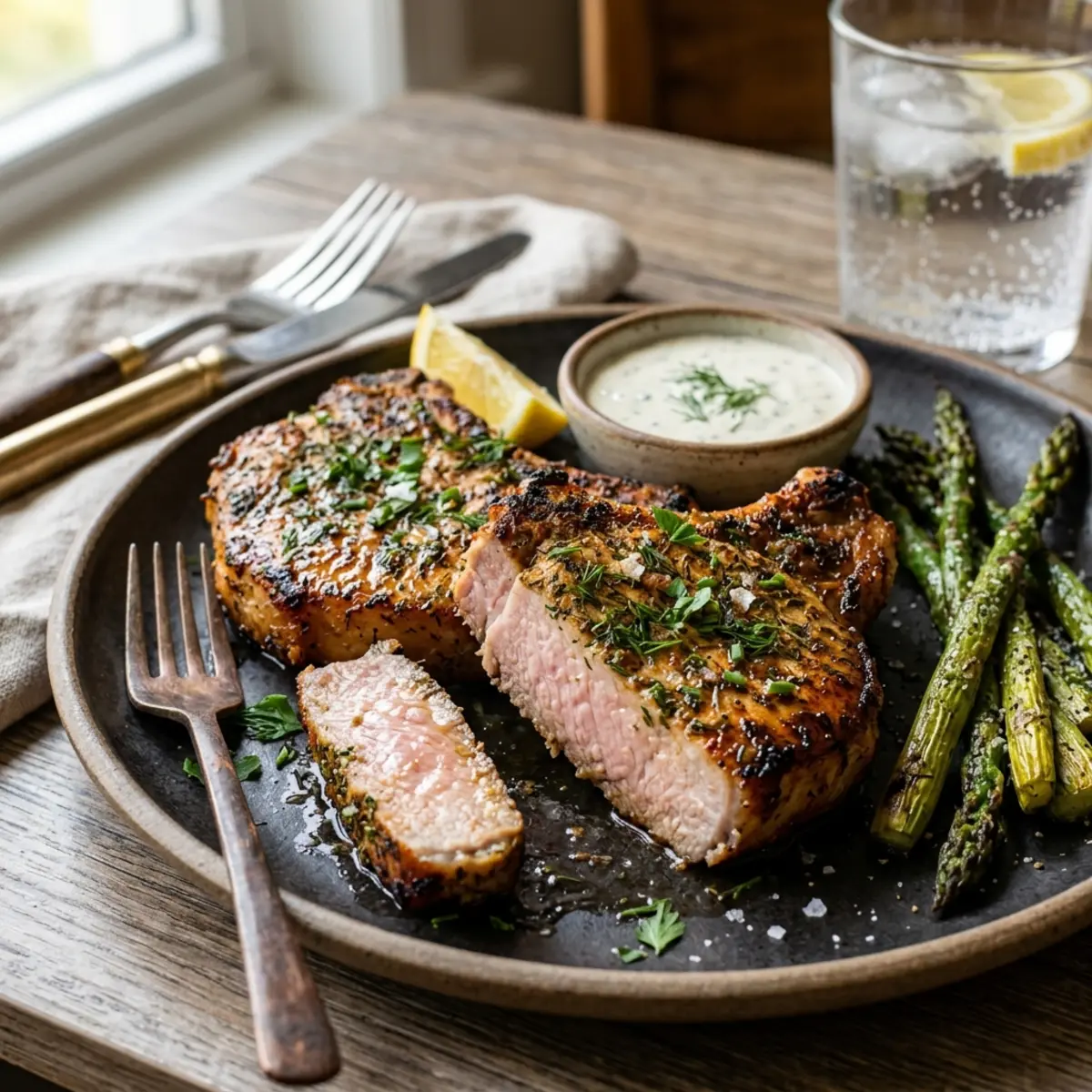
PorkAir Fryer Pork Chops with Ranch Seasoning
 Pork
Pork