Air Fryer Pork Chop – Quick and Juicy Recipe
A tender and juicy pork chop cooked quickly in the air fryer, perfect for a hearty dinner.

Steps
- 01
Season the pork chop with salt, pepper, and a drizzle of olive oil.
- 02
Place it in the air fryer basket and cook at 193°C (380°F) for 12-15 minutes.
- 03
Flip the pork chop halfway through cooking.
- 04
Check internal temperature – it should reach 63°C (145°F).
- 05
Let the pork chop rest for 3 minutes before serving.
Recipe story
Pork chops are a staple in many cuisines, with origins in German and Austrian cooking, where they were traditionally roasted or grilled. In the 19th century, German immigrants brought this tradition to the United States, where it became a home-cooking favorite. Today, it is reinvented in the air fryer for a quicker, healthier version.
Ingredient Secrets
Discover the culinary secrets and flavor history of key ingredients in this dish.
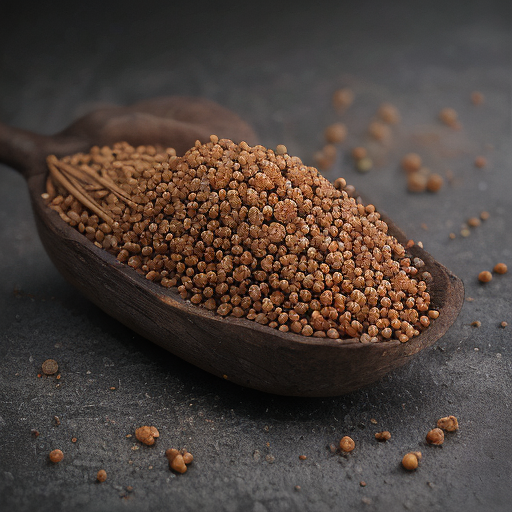
Black pepper
Known as 'black gold' in antiquity, pepper was so valuable that it served as currency and tribute. In the Middle Ages, Venetian merchants controlled the pepper trade, and individual peppercorns were often counted. Legend has it that when Alaric, king of the Visigoths, demanded tribute from Rome, he included 3,000 pounds of pepper.

Sea salt
Sea salt, extracted from ocean waters by evaporation, was one of the most precious goods of antiquity, used both as food and as currency. In ancient Rome, soldiers were paid with salt, which is the origin of the word 'salary'. Salt roads connected entire civilizations, and in the Middle Ages, salt was so valuable it was called 'white gold'.
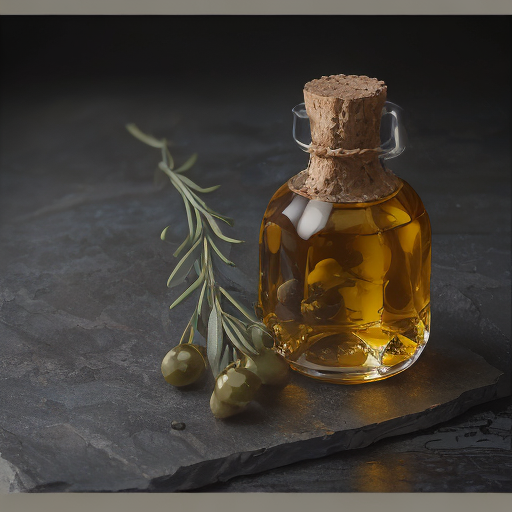
Olive oil
Originating in the Mediterranean basin, olive oil was already produced in ancient Crete 5,000 years ago. In ancient Greece, it was considered a gift from Athena and used in lamps, cosmetics, and religious ceremonies. The Romans spread it throughout the empire, and in the Middle Ages, monasteries preserved the tradition of its production.
You may also like
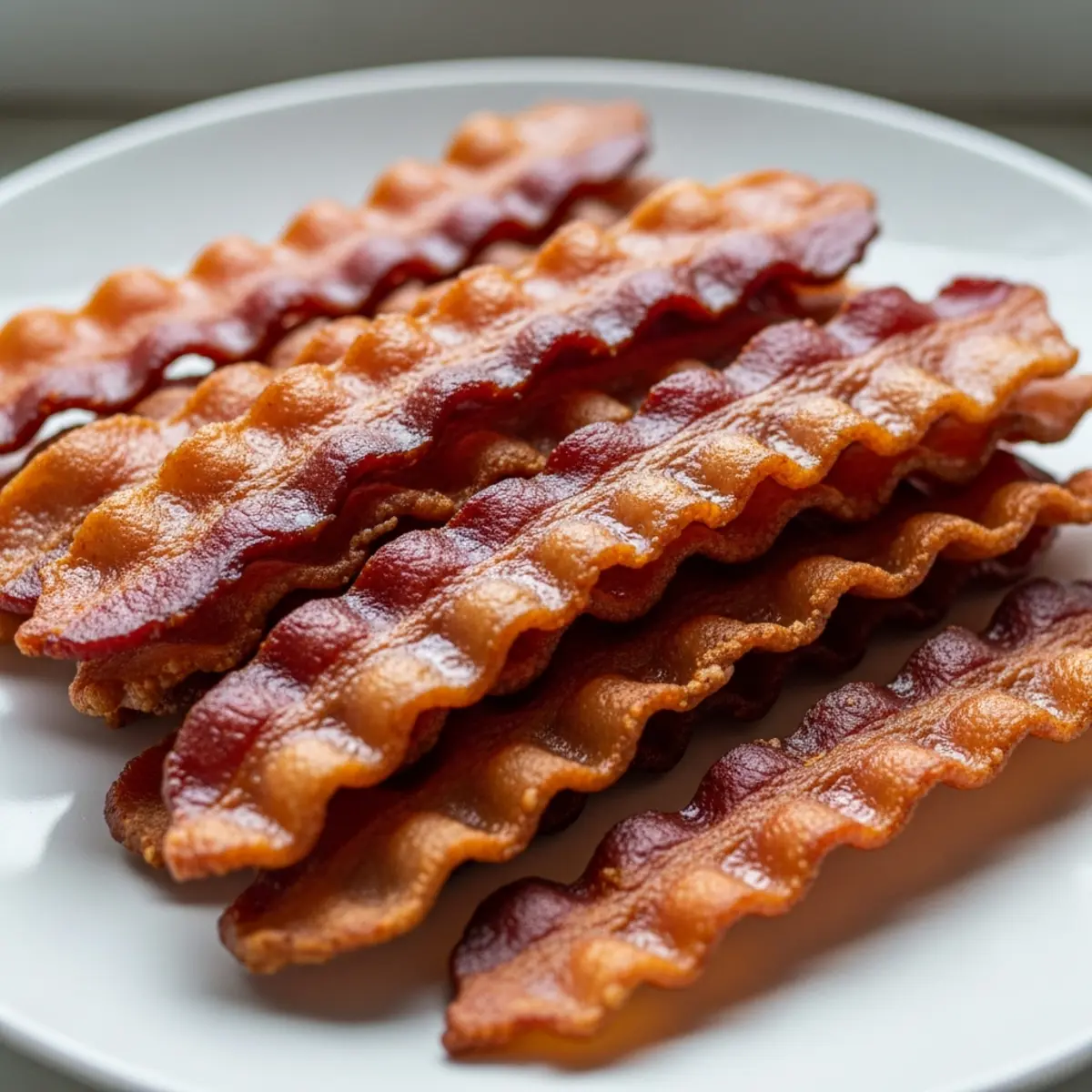 Pork
PorkCrispy Bacon in Air Fryer in 8 Minutes – Quick Recipe
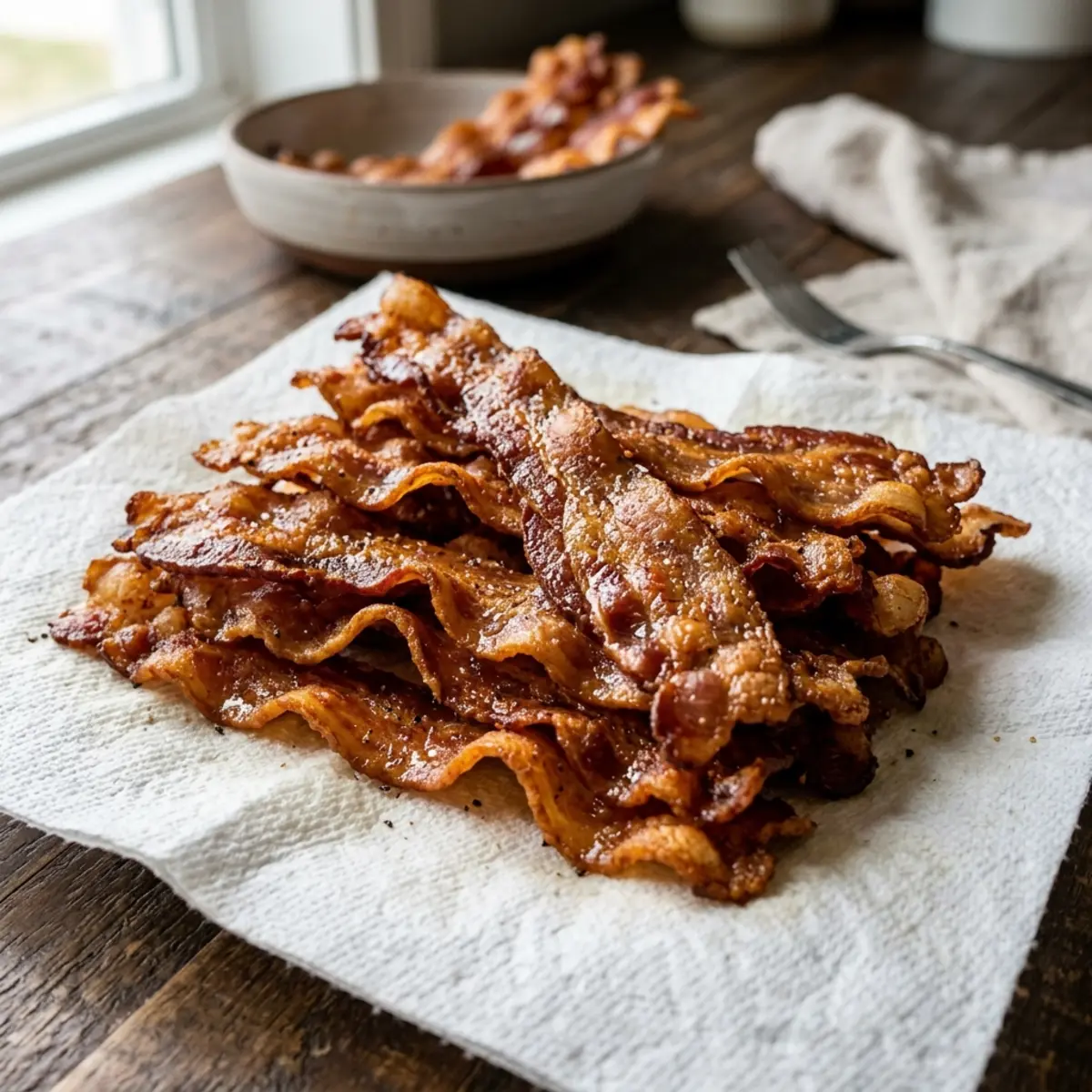 Pork
PorkCrispy Bacon in Ninja Foodi Air Fryer – Quick 12-Minute Recipe
 Pork
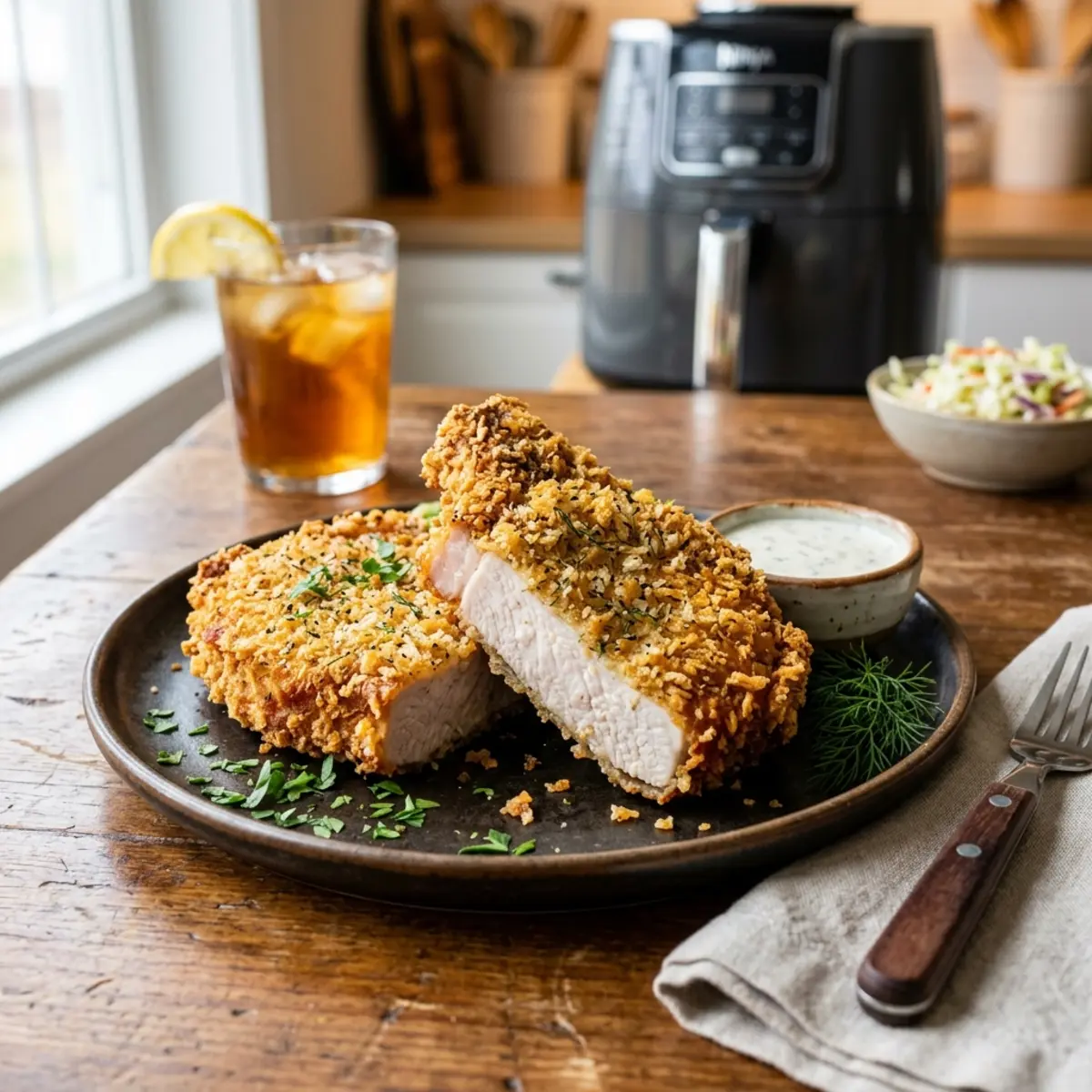
PorkAir Fryer Ranch Pork Chops
 Pork
PorkAir Fryer Chipolatas – Crispy Sausages in 15 Minutes
 Pork
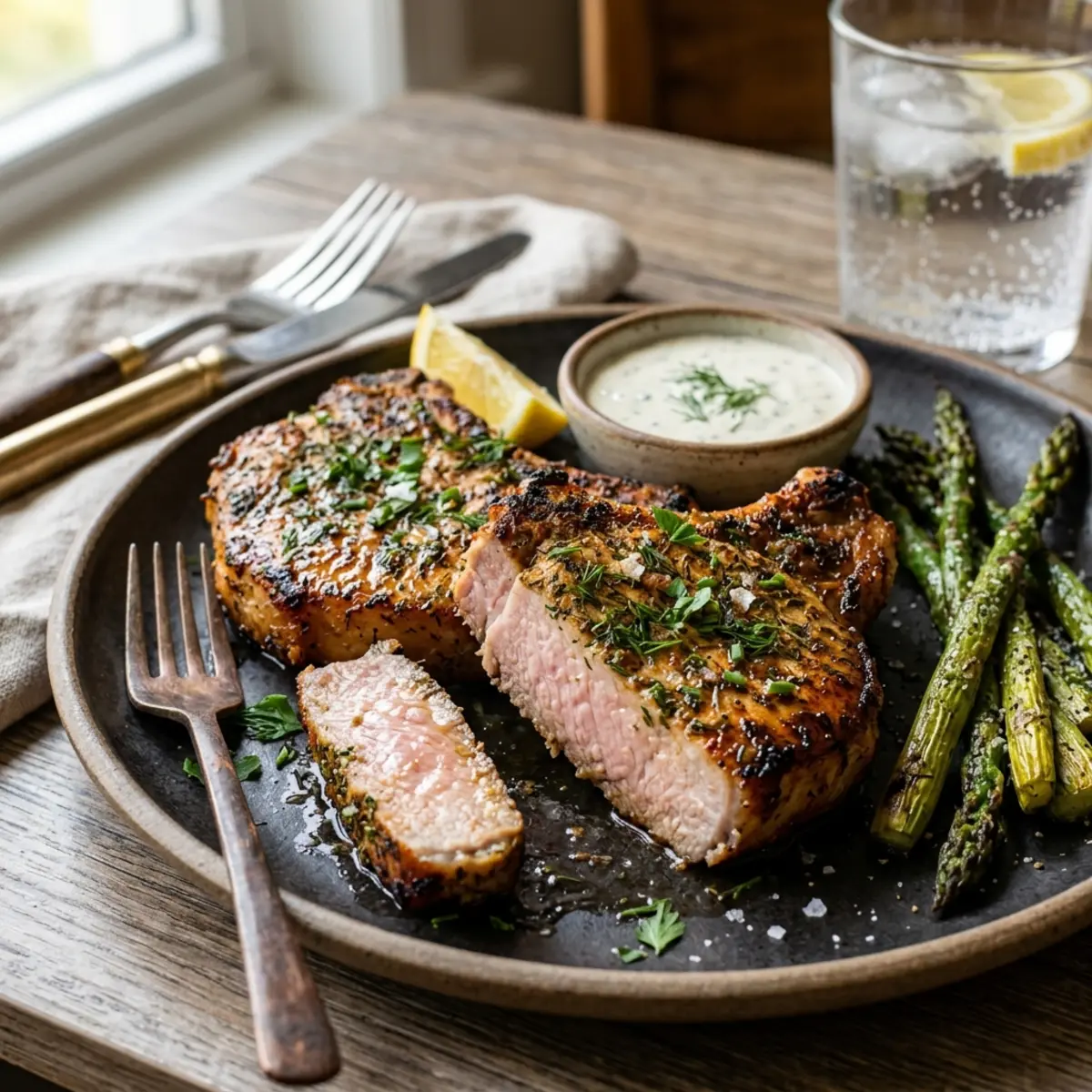
PorkAir Fryer Pork Chops with Ranch Seasoning
 Pork
Pork