Stuffed Bell Peppers with Ground Meat and Cheese in Air Fryer
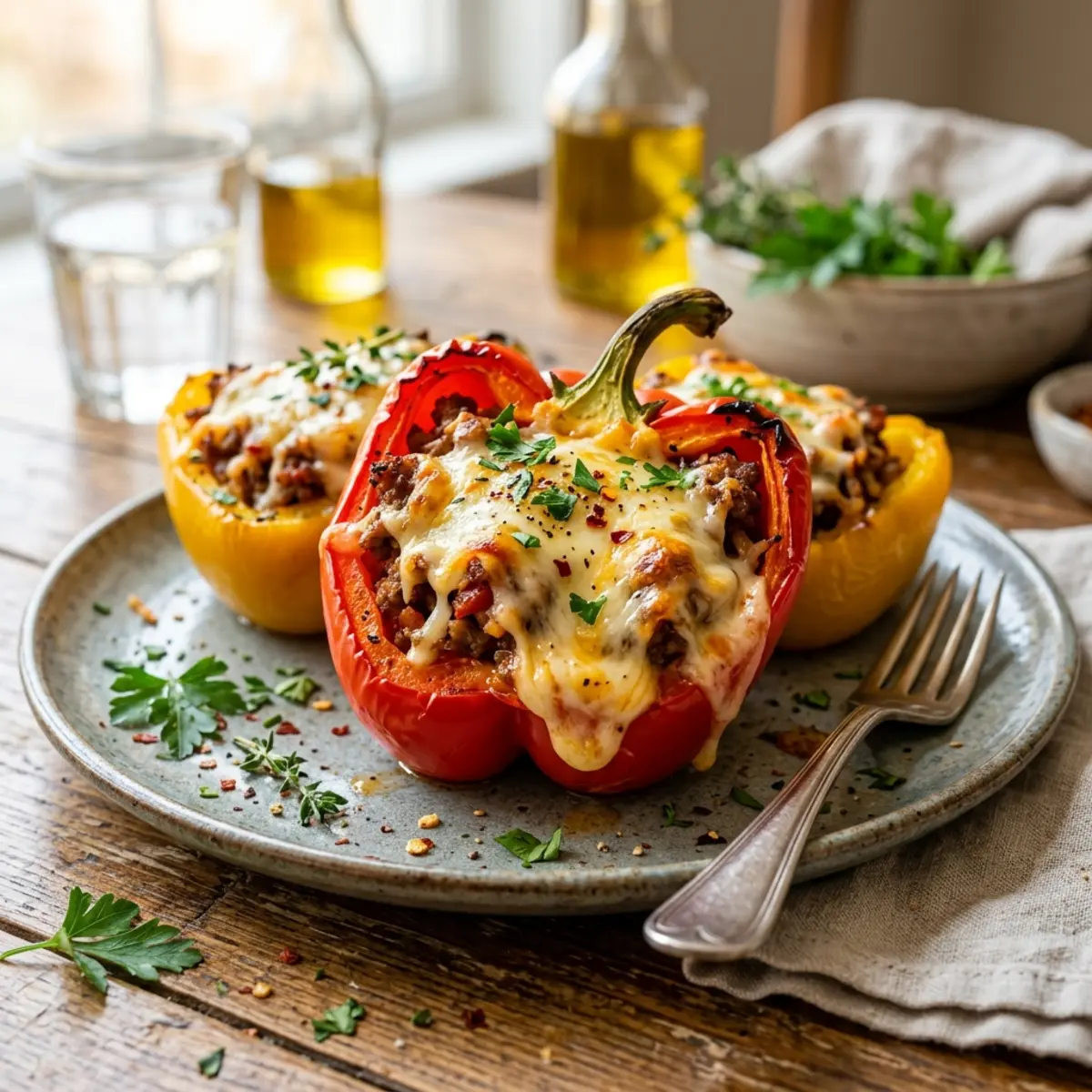
Large bell peppers stuffed with a savory mixture of ground meat, rice, and spices, cooked quickly in the air fryer and topped with melted cheese. A delicious and easy recipe for a healthy dinner.
Steps
- 01
Wash the peppers, cut off the tops, and remove seeds and membranes. If using a small air fryer, cut them in half lengthwise to fit better.
- 02
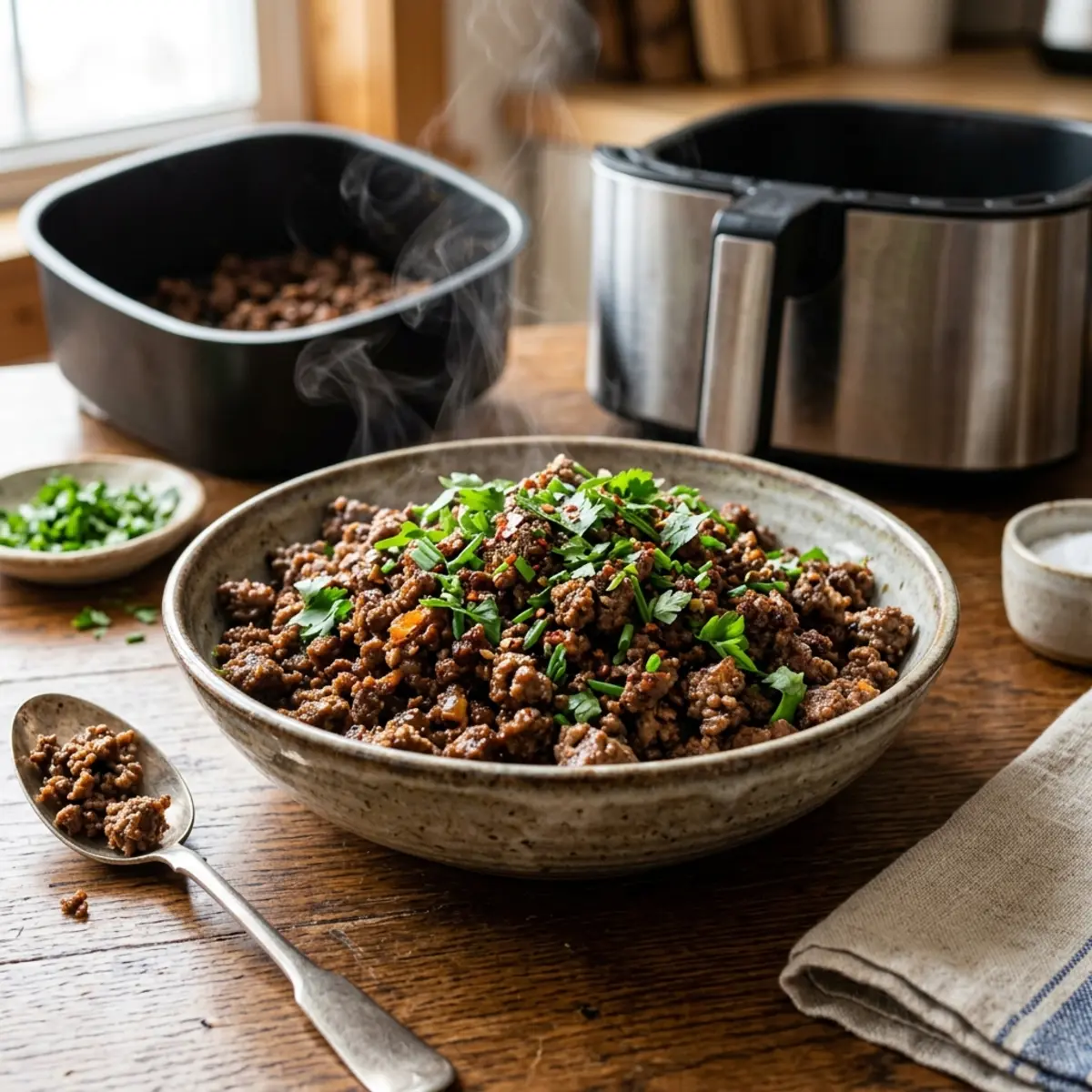
In a large bowl, mix the ground meat, cooked rice, chopped onion, minced garlic, olive oil, paprika, salt, and pepper. Mix well.
- 03
There is no need to pre-cook the meat – it will cook completely in the air fryer.
- 04
Generously stuff the peppers with the meat and rice mixture. Be careful not to pack them too tightly so that hot air can circulate.
- 05
Preheat the air fryer to 180°C (350°F).
- 06
Place the stuffed peppers in the air fryer basket and cook for 15 minutes. Then sprinkle the shredded cheese on top and cook for another 5 minutes.
- 07
Optionally, garnish with fresh parsley before serving.
Recipe story
Stuffed peppers are a widespread dish in Balkan and Middle Eastern cuisines, with origins in Ottoman cuisine. Stuffed vegetables were served at the sultans' courts and were adopted by the peoples of the region. In the modern version, bell peppers are filled with meat and rice, then boiled or baked. The recipe has evolved over centuries, adapted to local ingredients. Today, it is a beloved dish in many cultures, from Greece to Turkey and beyond.
Ingredient Secrets
Discover the culinary secrets and flavor history of key ingredients in this dish.
Black pepper
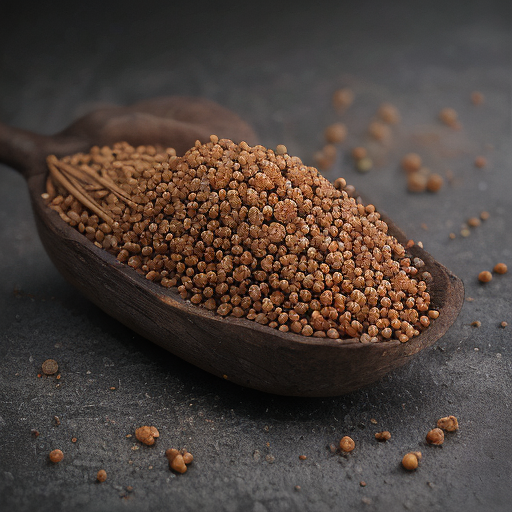
Known as 'black gold' in antiquity, pepper was so valuable that it served as currency and tribute. In the Middle Ages, Venetian merchants controlled the pepper trade, and individual peppercorns were often counted. Legend has it that when Alaric, king of the Visigoths, demanded tribute from Rome, he included 3,000 pounds of pepper.
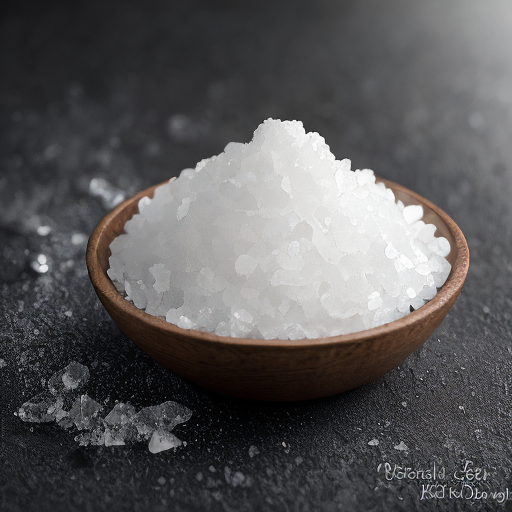
Sea salt
Sea salt, extracted from ocean waters by evaporation, was one of the most precious goods of antiquity, used both as food and as currency. In ancient Rome, soldiers were paid with salt, which is the origin of the word 'salary'. Salt roads connected entire civilizations, and in the Middle Ages, salt was so valuable it was called 'white gold'.
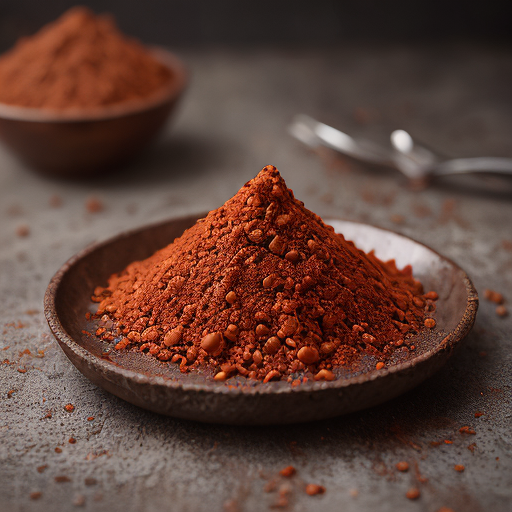
Paprika
Paprika, a emblematic spice brought to Europe by Christopher Columbus from the New World. Although associated with Hungarian cuisine, its origins are in Central America, where it was used by the Aztecs.
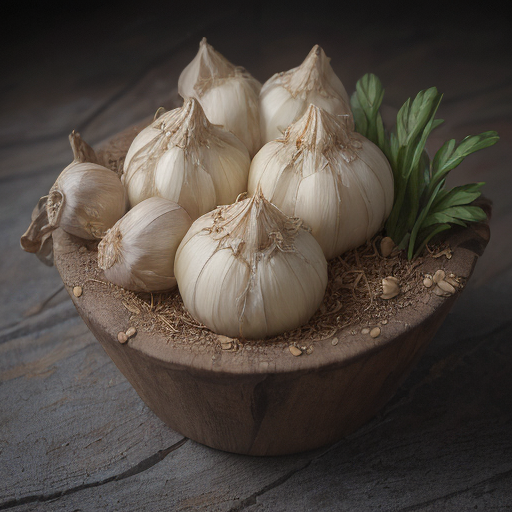
Garlic
Native to Central Asia, garlic was already known in ancient Egypt, where it was given to slaves to boost their strength. In ancient Greece, athletes consumed it before competitions, and in Rome, legionaries considered it essential for courage. During the Middle Ages, it was used to ward off vampires and the plague.
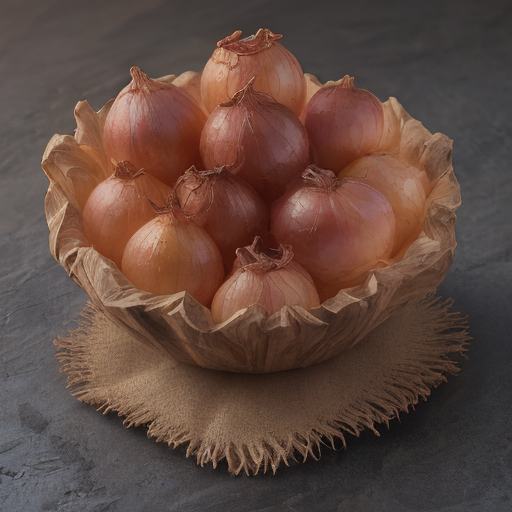
Onion
Probably originating in Central or West Asia, onions were cultivated in ancient Egypt, where they were considered a symbol of eternity and placed in tombs. In ancient Greece, athletes ate them to balance their blood, and in Rome, they were a staple food for soldiers. During the Middle Ages, onions were believed to protect against arrows and the plague.
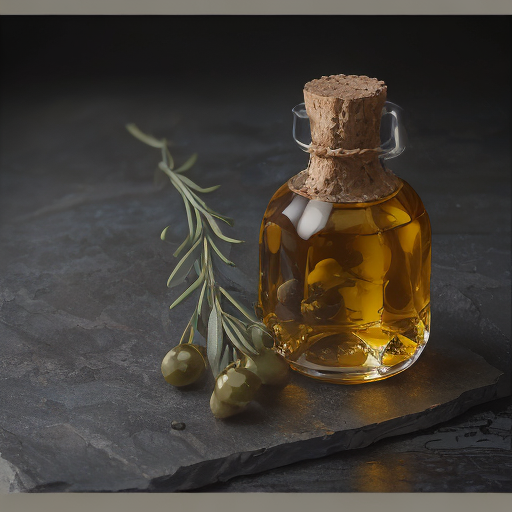
Olive oil
Originating in the Mediterranean basin, olive oil was already produced in ancient Crete 5,000 years ago. In ancient Greece, it was considered a gift from Athena and used in lamps, cosmetics, and religious ceremonies. The Romans spread it throughout the empire, and in the Middle Ages, monasteries preserved the tradition of its production.
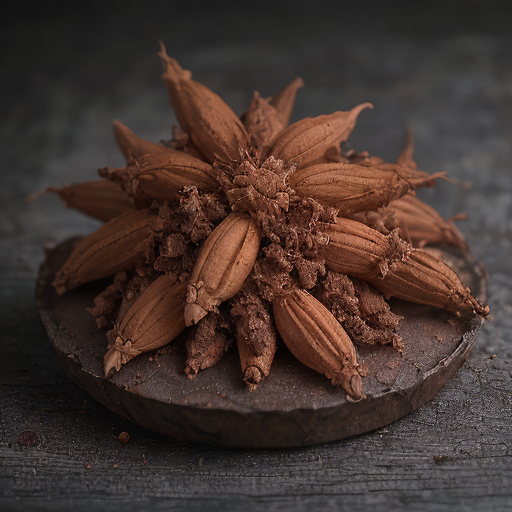
Cloves
Cloves, the dried buds of the exotic Syzygium aromaticum tree, were one of the most prized spices of the ancient world, often called 'aromatic gold'. In the Middle Ages, Venetian merchants controlled the clove trade, bringing them from the Maluku Islands, the only place they grew, and selling them at exorbitant prices in Europe.