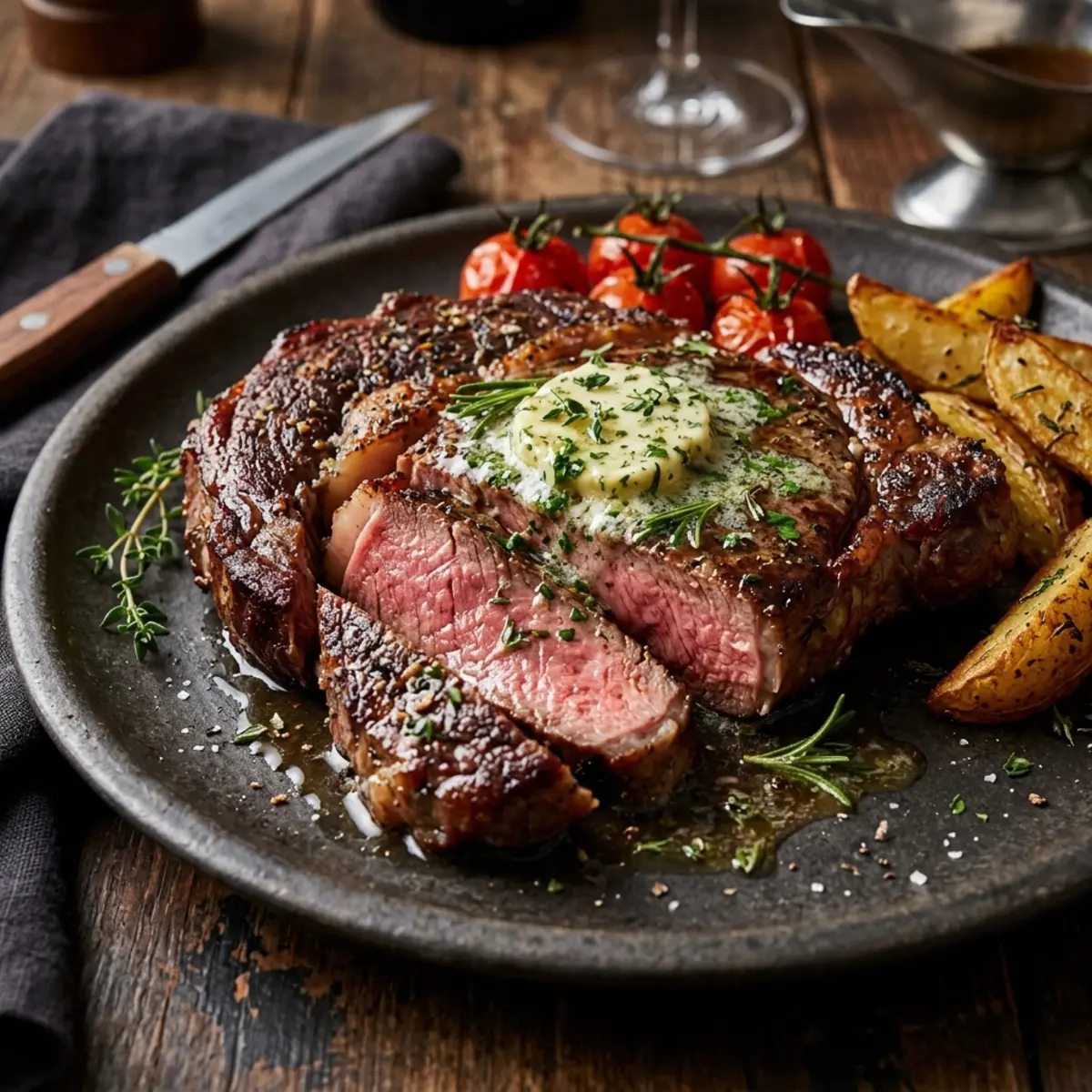
Juicy Air Fryer Burgers
Juicy beef burgers cooked quickly in the air fryer, with toasted buns and your favorite toppings.

Steps
- 01
Preheat the air fryer to 190°C (375°F).
- 02
Divide the ground beef into 4 equal portions and shape into patties.
- 03
Season each patty with salt and pepper to taste.
- 04
Place patties in a single layer in the air fryer basket. Cook for 8–10 minutes, flipping halfway, until desired doneness.
- 05
Toast the buns in the air fryer for 1–2 minutes, then assemble burgers with preferred toppings.
Recipe story
The modern burger originated in the United States in the late 19th century, when German immigrants from Hamburg popularized ground beef steak. The recipe has evolved over time, and the air fryer version is a contemporary adaptation that preserves juiciness and authentic flavor.
Ingredient Secrets
Discover the culinary secrets and flavor history of key ingredients in this dish.
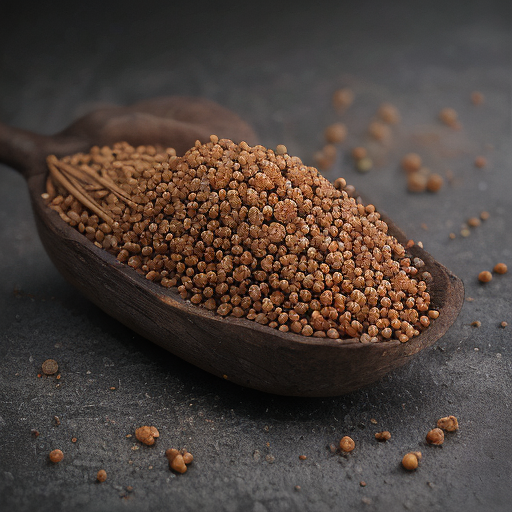
Black pepper
Known as 'black gold' in antiquity, pepper was so valuable that it served as currency and tribute. In the Middle Ages, Venetian merchants controlled the pepper trade, and individual peppercorns were often counted. Legend has it that when Alaric, king of the Visigoths, demanded tribute from Rome, he included 3,000 pounds of pepper.

Sea salt
Sea salt, extracted from ocean waters by evaporation, was one of the most precious goods of antiquity, used both as food and as currency. In ancient Rome, soldiers were paid with salt, which is the origin of the word 'salary'. Salt roads connected entire civilizations, and in the Middle Ages, salt was so valuable it was called 'white gold'.
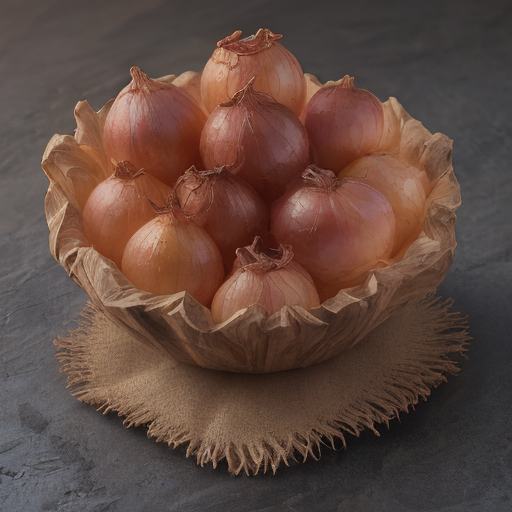
Onion
Probably originating in Central or West Asia, onions were cultivated in ancient Egypt, where they were considered a symbol of eternity and placed in tombs. In ancient Greece, athletes ate them to balance their blood, and in Rome, they were a staple food for soldiers. During the Middle Ages, onions were believed to protect against arrows and the plague.
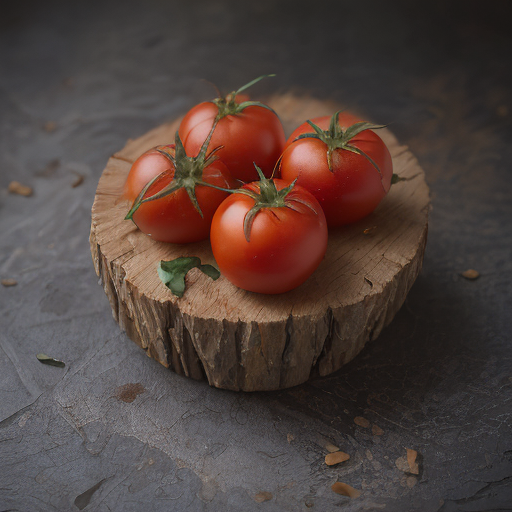
Tomato
Although today the tomato is indispensable in global cuisine, it was long viewed with suspicion in Europe, considered a toxic ornamental plant. It wasn't until the 19th century that Italian immigrants popularized it in the United States, turning it into an iconic ingredient of Mediterranean cuisine. Native to South America, the tomato was domesticated in Mexico and brought to Europe by Spanish conquistadors.