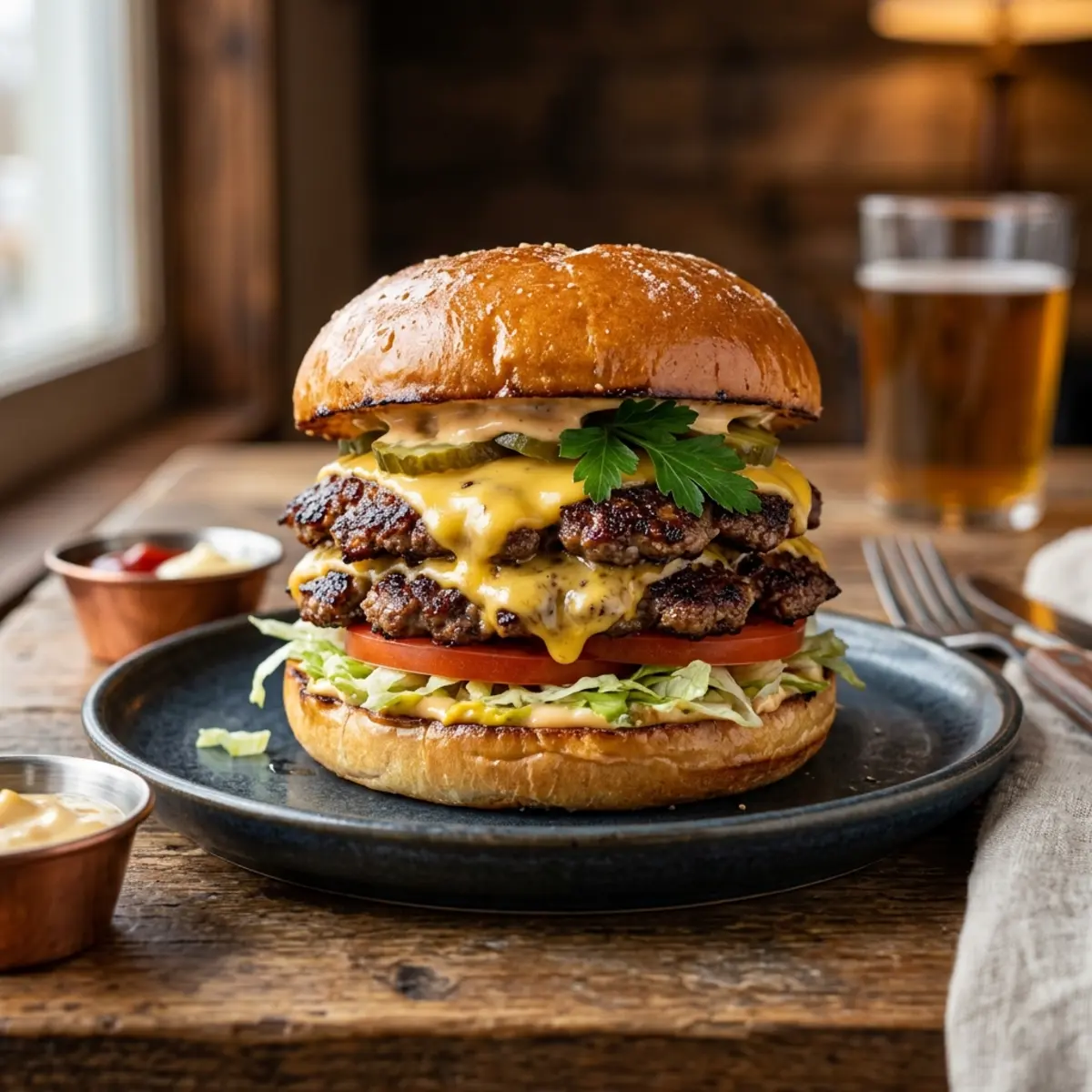
Air Fryer Hamburgers
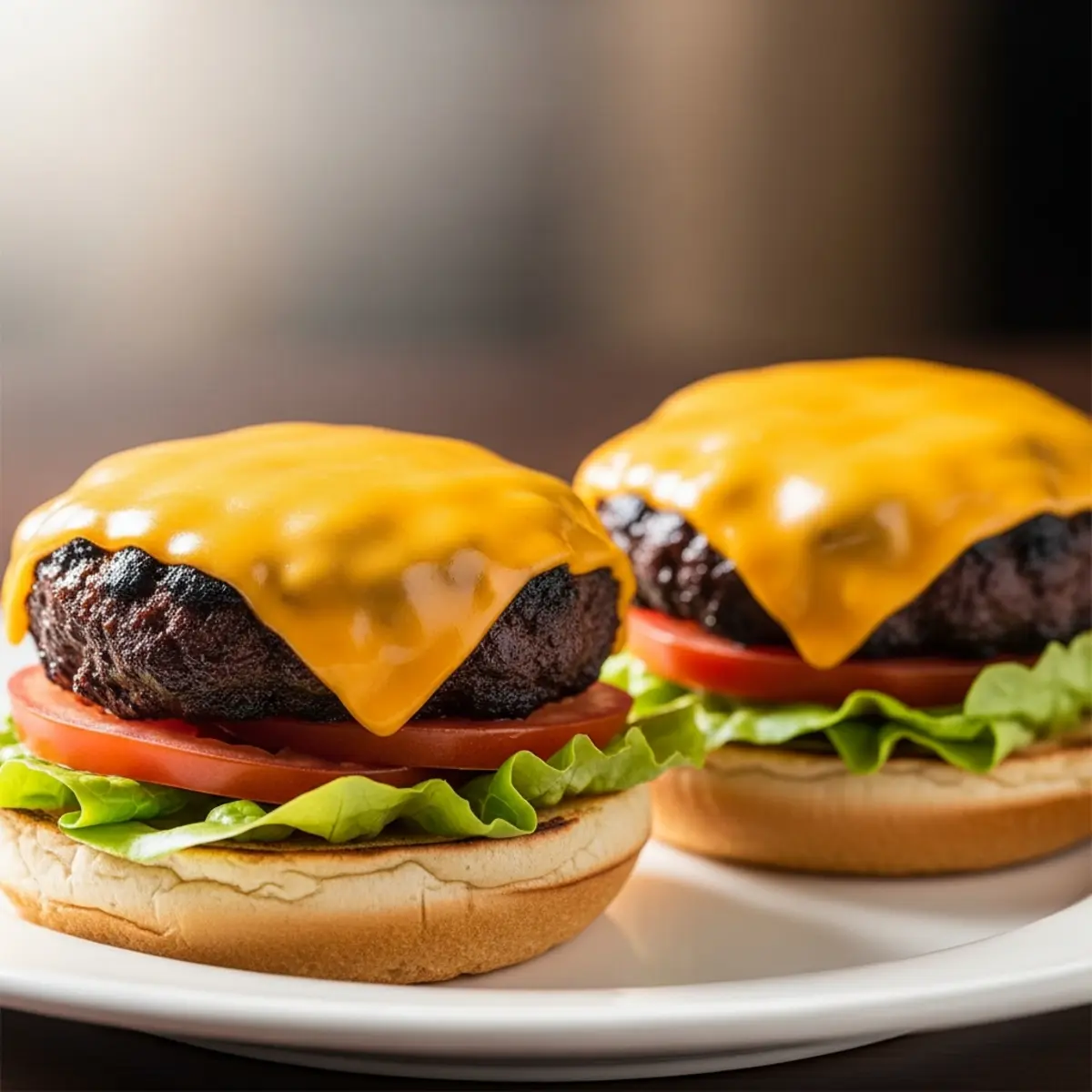
Juicy hamburgers cooked quickly in the air fryer, with a crispy exterior and tender interior.
Steps
- 01
Preheat the air fryer to 200°C (400°F) for 2 minutes.
- 02
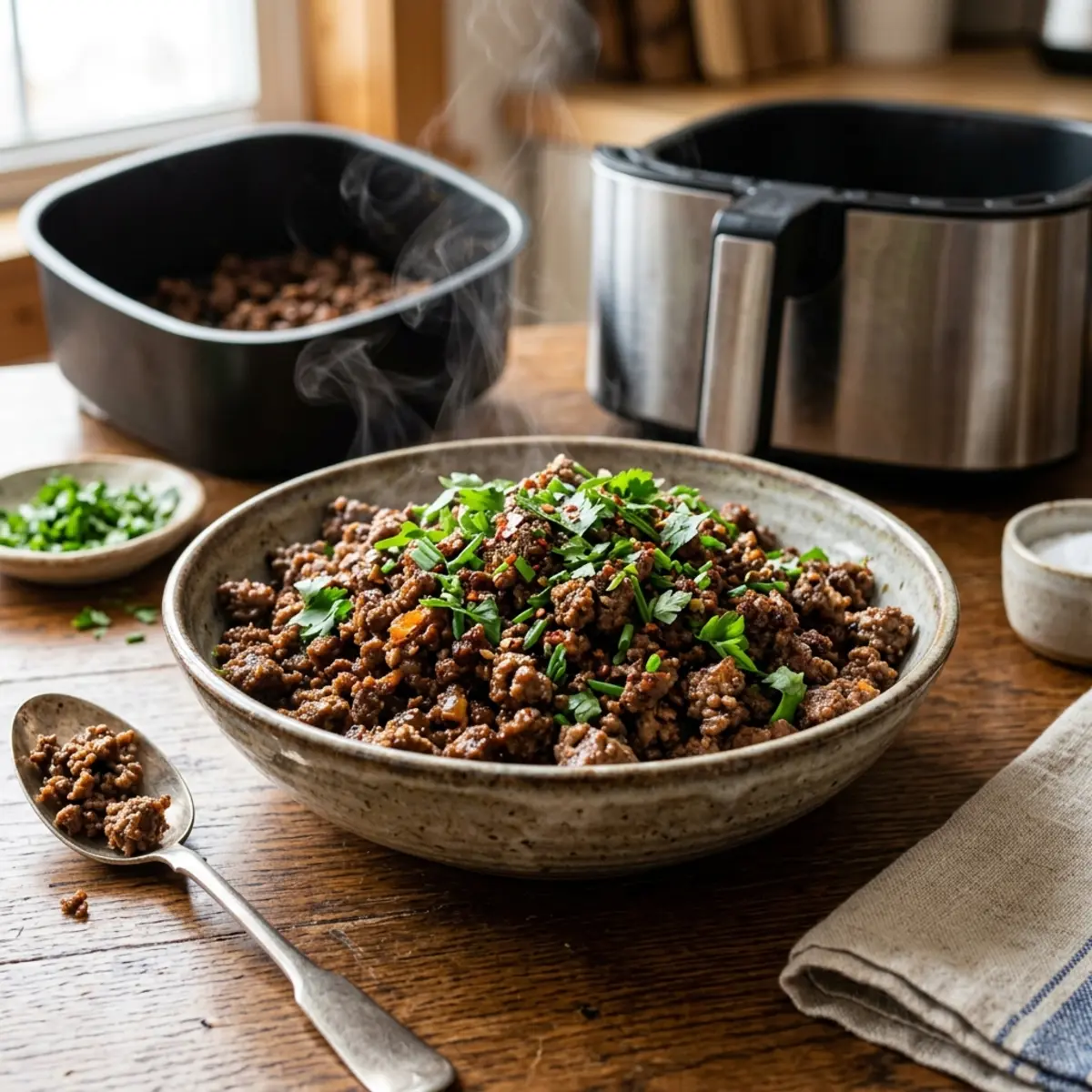
In a bowl, mix ground beef with soy sauce, garlic powder, salt, and pepper.
- 03
Form 4 equal patties. Slightly press the center of each to prevent puffing.
- 04
Place patties in the air fryer basket without overcrowding.
- 05
Cook at 200°C (400°F) for 4 minutes per side (8 minutes total) for medium doneness. For well done, add 2-3 minutes.
- 06
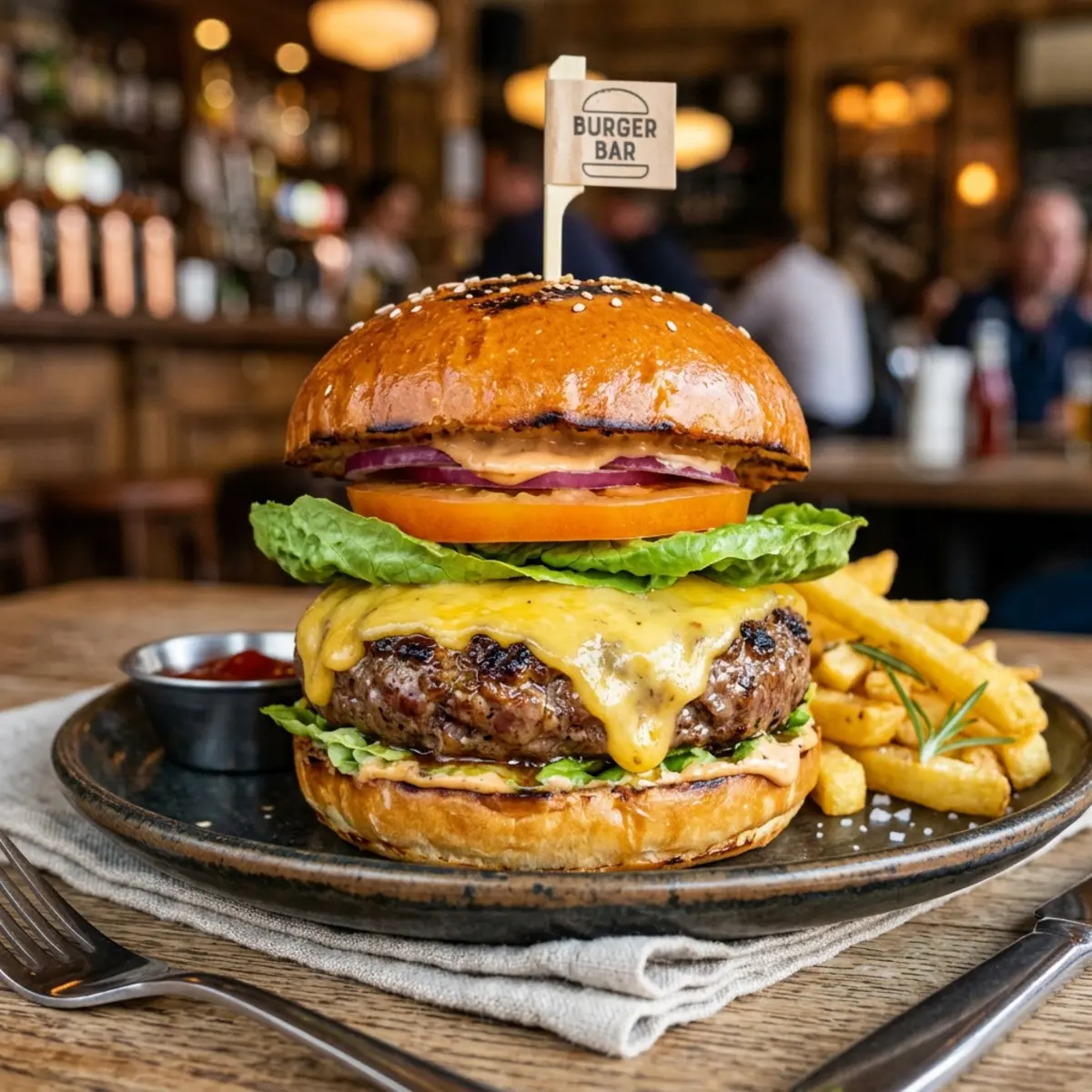
For cheeseburgers, place a slice of cheese on top after the timer stops and let residual heat melt it.
- 07
Serve in buns with your favorite toppings.
Recipe story
The modern hamburger originated in the United States in the late 19th century, popularized by German immigrants from the port of Hamburg. Over time, it became a global fast-food icon, adapted in countless variations. This recipe pays homage to its versatility, using the air fryer to achieve a crispy texture without excess oil.
Ingredient Secrets
Discover the culinary secrets and flavor history of key ingredients in this dish.
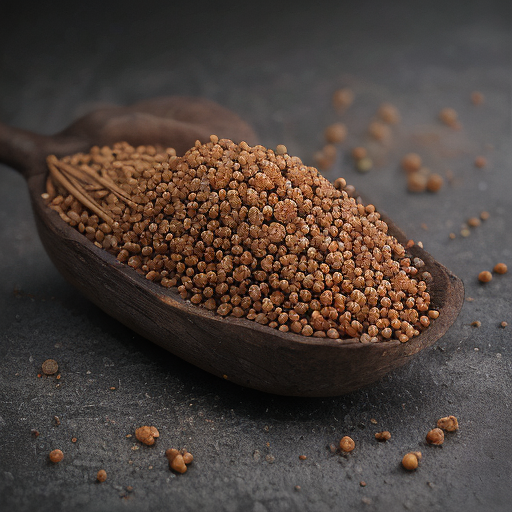
Black pepper
Known as 'black gold' in antiquity, pepper was so valuable that it served as currency and tribute. In the Middle Ages, Venetian merchants controlled the pepper trade, and individual peppercorns were often counted. Legend has it that when Alaric, king of the Visigoths, demanded tribute from Rome, he included 3,000 pounds of pepper.
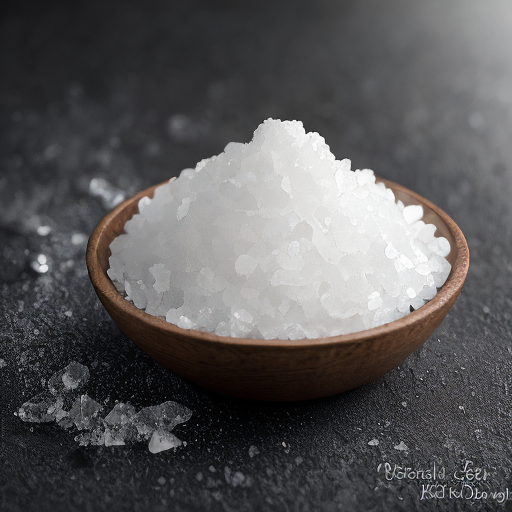
Sea salt
Sea salt, extracted from ocean waters by evaporation, was one of the most precious goods of antiquity, used both as food and as currency. In ancient Rome, soldiers were paid with salt, which is the origin of the word 'salary'. Salt roads connected entire civilizations, and in the Middle Ages, salt was so valuable it was called 'white gold'.
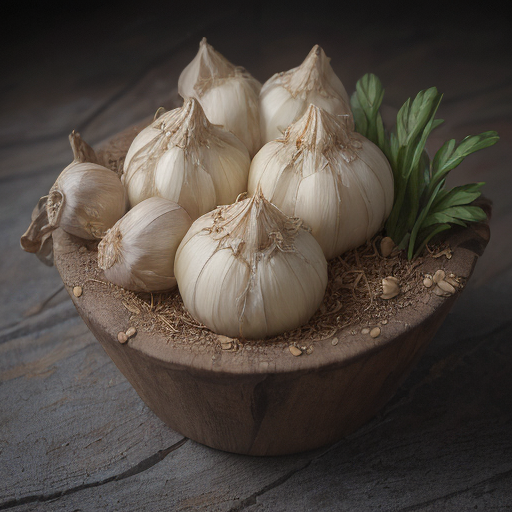
Garlic
Native to Central Asia, garlic was already known in ancient Egypt, where it was given to slaves to boost their strength. In ancient Greece, athletes consumed it before competitions, and in Rome, legionaries considered it essential for courage. During the Middle Ages, it was used to ward off vampires and the plague.