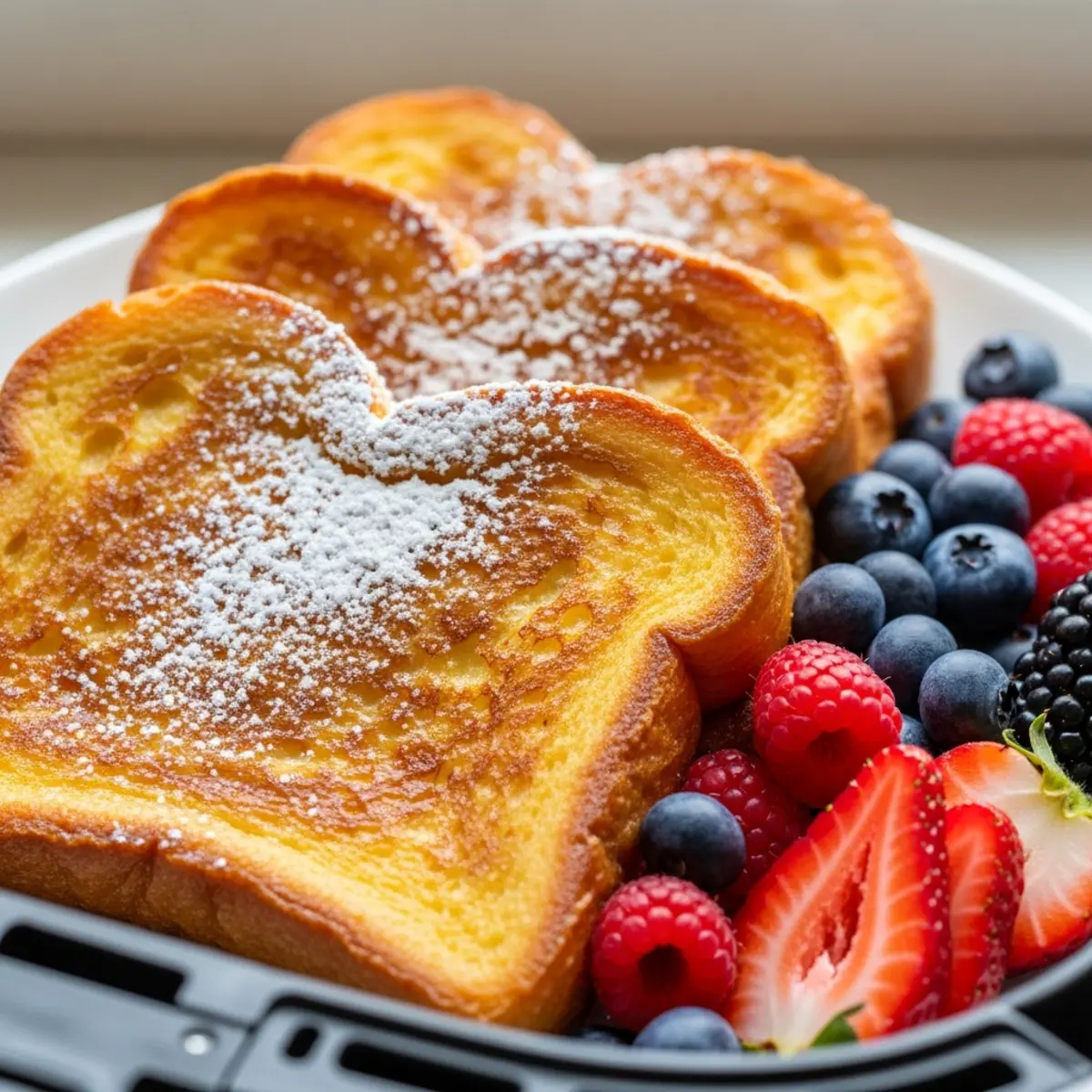
French Toast in Air Fryer – Quick and Crispy Recipe
Steps
- 01
In a bowl, whisk together eggs, milk, and vanilla extract until smooth.
- 02
Cut each bread slice into 4 sticks (like thick batons). Dip the sticks into the egg mixture and let them soak for a few moments to absorb as much liquid as possible.
- 03
Arrange the soaked sticks in a single layer in the air fryer basket (you can use parchment paper for easy cleanup). Cook at 200°C (400°F) for 7-8 minutes.
- 04
Turn the sticks over and cook for another 5-6 minutes, until golden and crispy.
- 05
Optional for adults: lightly brush the cooked French toast sticks with a little oil (using a brush or spray), then roll them in a mixture of sugar (or sweetener) and cinnamon.
- 06
Serve warm, topped with fresh fruit and maple syrup.
Recipe story
French toast has medieval origins in Europe, created to use up stale bread. In France, it was known as 'pain perdu' (lost bread), and in England as 'poor knights of Windsor'. The recipe evolved over centuries, becoming a popular dessert in many cultures.
Ingredient Secrets
Discover the culinary secrets and flavor history of key ingredients in this dish.
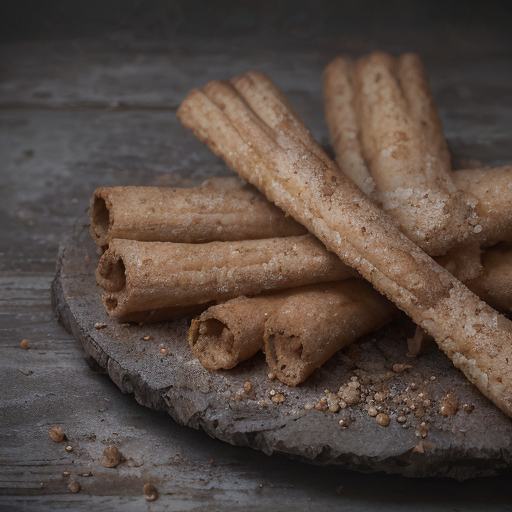
Cinnamon
In ancient Rome, cinnamon was more precious than gold, used in sacred rituals and royal perfumes. Legends told of fabulous birds called cinnamologus that built their nests from cinnamon sticks on inaccessible cliff tops. The cinnamon trade was long shrouded in mystery, with Arab merchants inventing fantastic stories to protect their sources.
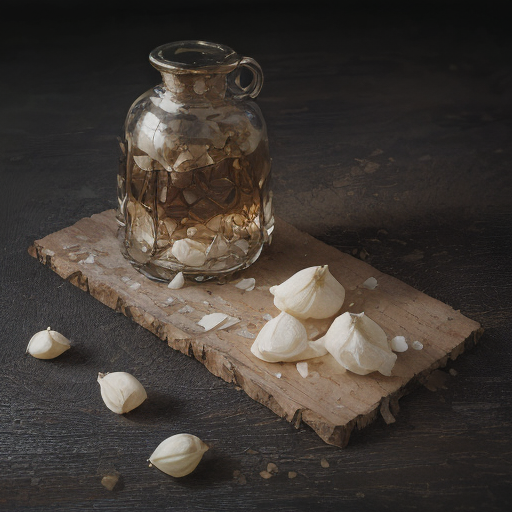
Vanilla
Vanilla, native to Mexico, was discovered by Spanish conquistadors who brought it to Europe in the 16th century. In Aztec culture, vanilla was used to flavor a royal cocoa drink. For centuries, hand-pollination was a closely guarded secret, and it wasn't until 1841 that a 12-year-old slave on Réunion discovered the method that allowed widespread cultivation.
You may also like
 Breakfast
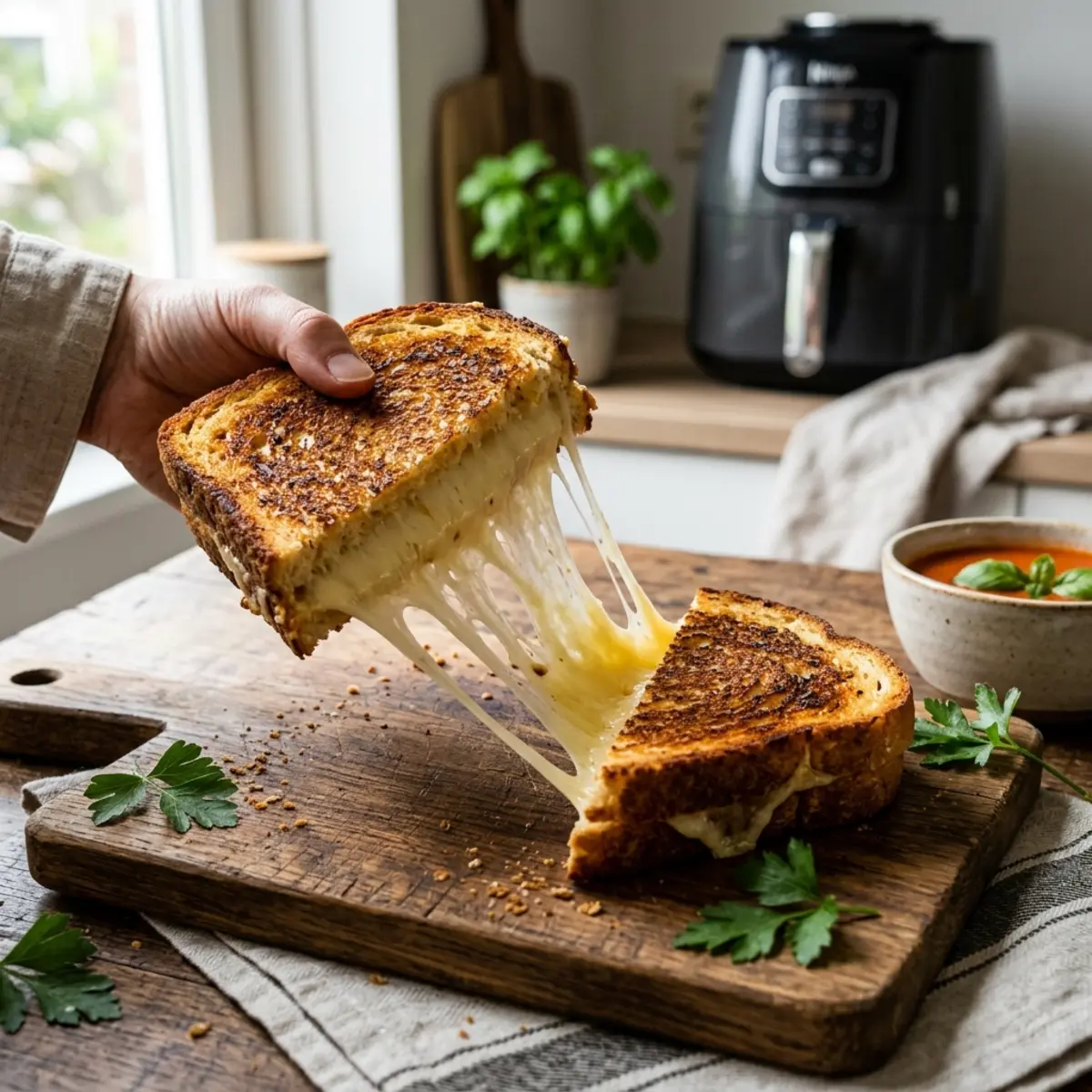
Air Fryer Grilled Cheese – Quick 7-Minute Recipe
 Breakfast
Frozen Waffles in Air Fryer – Quick and Crispy Breakfast
 Breakfast
Air Fryer Toast – Quick and Crispy Recipe
 Breakfast
Fluffy Scrambled Eggs in Air Fryer – Quick Breakfast
 Breakfast
Crispy Air Fryer Bacon – Quick Recipe (10 min)
 Breakfast