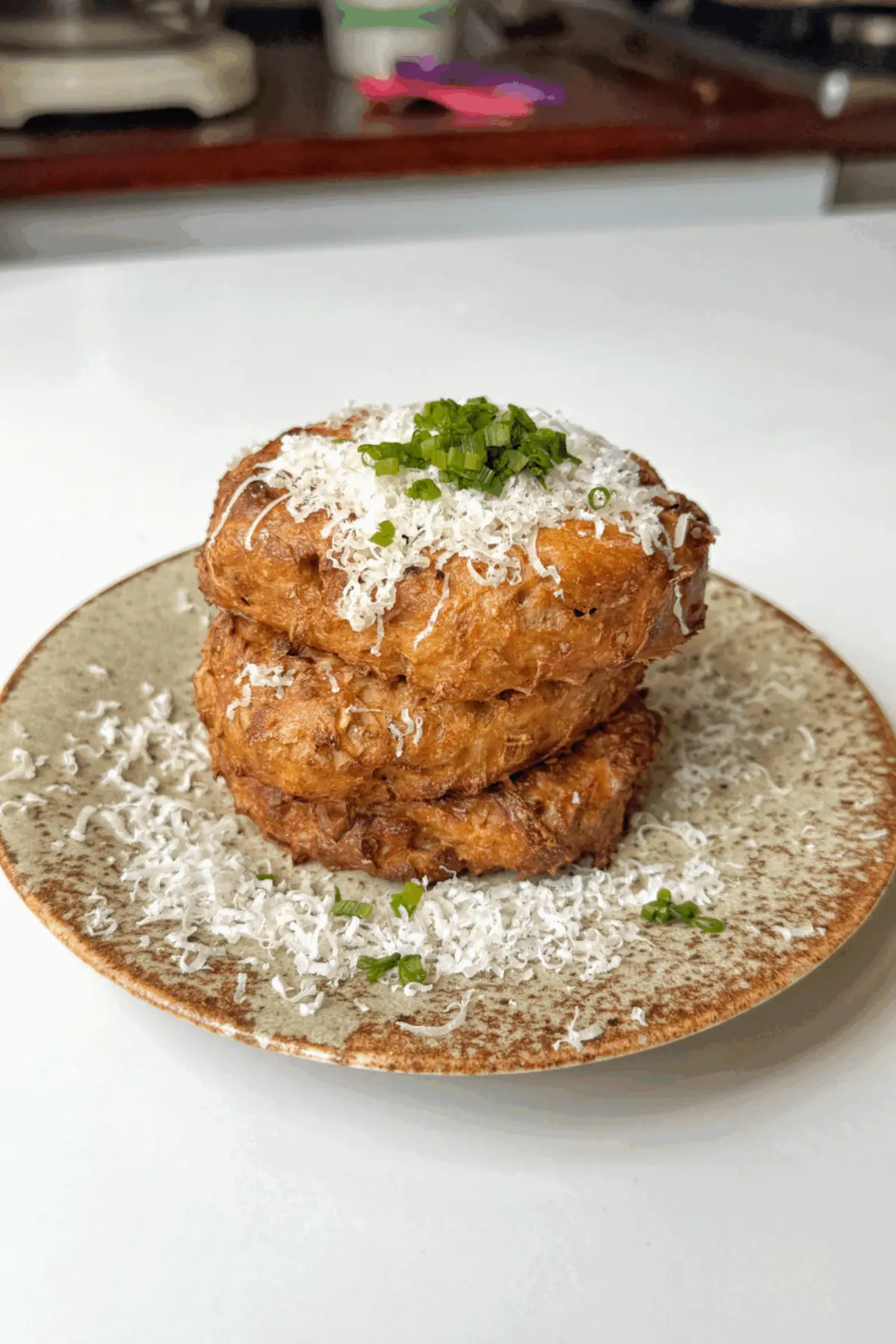
Crispy Air Fryer Hash Browns
Crispy, golden hash browns cooked quickly in the air fryer. Perfect for a hearty breakfast.
Steps
- 01
Grate the potatoes and squeeze out as much water as possible. Place in a large bowl.
- 02
Add finely chopped onion, crushed garlic, paprika, oregano, and salt. Mix well.
- 03
Add the egg and self-rising flour. Mix until you get a mixture that is easy to shape – not too wet or sticky.
- 04
Form 4 hash browns (or 6 thinner ones). Lightly wet your hands to prevent sticking.
- 05
Cook in the air fryer at 200°C (400°F) for 10 minutes, then flip and cook for another 10 minutes, until golden and crispy.
Recipe story
Hash browns originated in early 20th century American cuisine as a way to use leftover potatoes. The recipe evolved over time, becoming a classic breakfast dish in the United States and beyond. The air fryer version offers a healthier alternative while maintaining the crispy texture.
Ingredient Secrets
Discover the culinary secrets and flavor history of key ingredients in this dish.
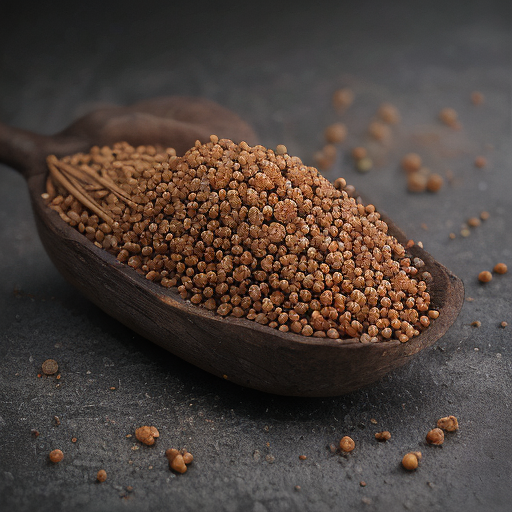
Black pepper
Known as 'black gold' in antiquity, pepper was so valuable that it served as currency and tribute. In the Middle Ages, Venetian merchants controlled the pepper trade, and individual peppercorns were often counted. Legend has it that when Alaric, king of the Visigoths, demanded tribute from Rome, he included 3,000 pounds of pepper.
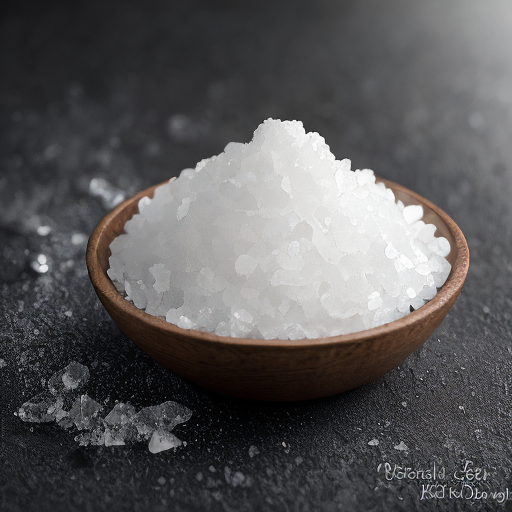
Sea salt
Sea salt, extracted from ocean waters by evaporation, was one of the most precious goods of antiquity, used both as food and as currency. In ancient Rome, soldiers were paid with salt, which is the origin of the word 'salary'. Salt roads connected entire civilizations, and in the Middle Ages, salt was so valuable it was called 'white gold'.
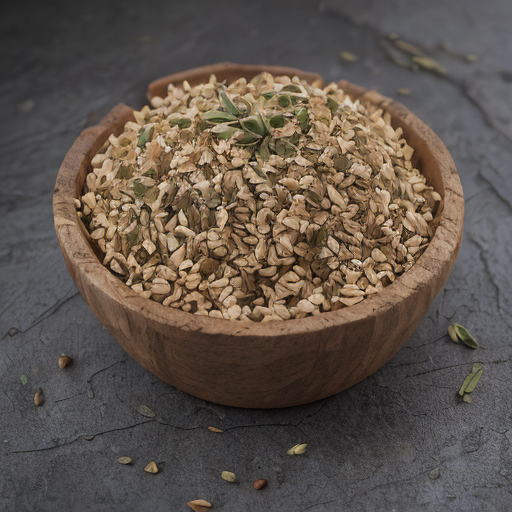
Oregano
Oregano, also known as 'mountain joy', was used by ancient Greeks as an antidote for poisons and a symbol of happiness. In the Middle Ages, it was planted on graves to ensure peace for the souls.
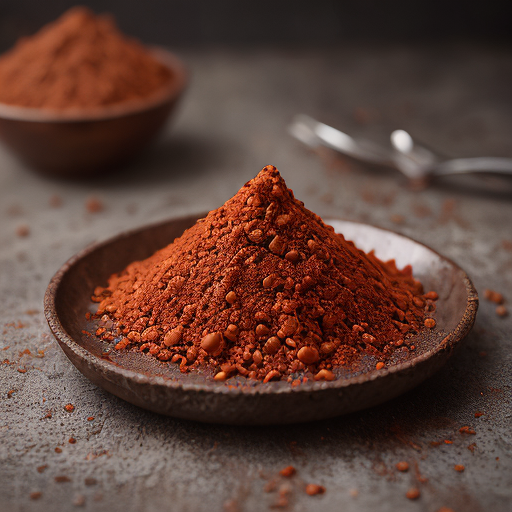
Paprika
Paprika, a emblematic spice brought to Europe by Christopher Columbus from the New World. Although associated with Hungarian cuisine, its origins are in Central America, where it was used by the Aztecs.
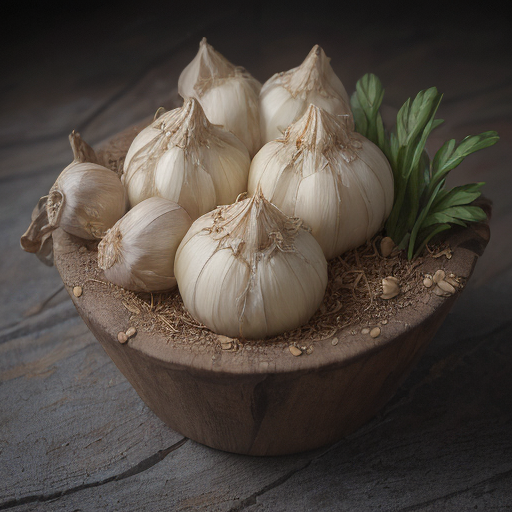
Garlic
Native to Central Asia, garlic was already known in ancient Egypt, where it was given to slaves to boost their strength. In ancient Greece, athletes consumed it before competitions, and in Rome, legionaries considered it essential for courage. During the Middle Ages, it was used to ward off vampires and the plague.
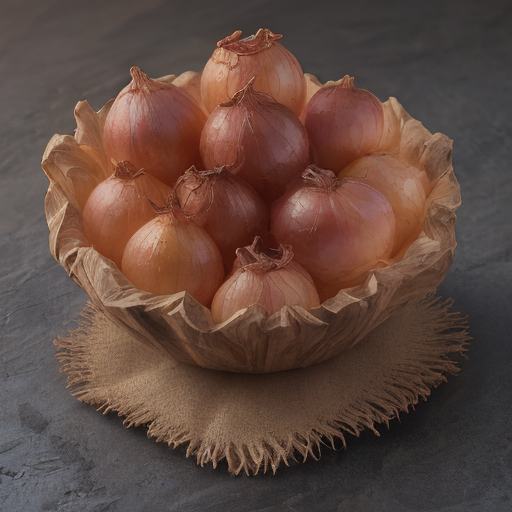
Onion
Probably originating in Central or West Asia, onions were cultivated in ancient Egypt, where they were considered a symbol of eternity and placed in tombs. In ancient Greece, athletes ate them to balance their blood, and in Rome, they were a staple food for soldiers. During the Middle Ages, onions were believed to protect against arrows and the plague.
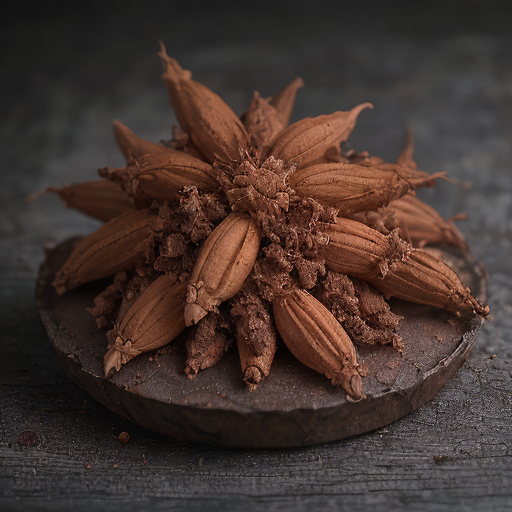
Cloves
Cloves, the dried buds of the exotic Syzygium aromaticum tree, were one of the most prized spices of the ancient world, often called 'aromatic gold'. In the Middle Ages, Venetian merchants controlled the clove trade, bringing them from the Maluku Islands, the only place they grew, and selling them at exorbitant prices in Europe.
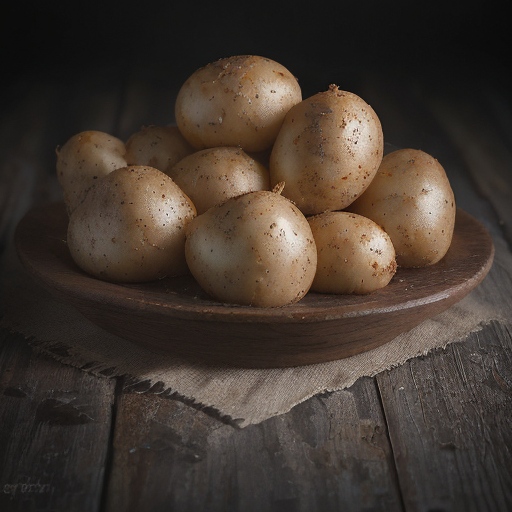
Potato
Although today it seems indispensable on the table, the potato was long viewed with suspicion in Europe. Arriving from the Andes in the 16th century, it was considered a diabolical plant, even poisonous, due to its toxic leaves and fruits. It wasn't until the 18th century, thanks to promoters like Antoine-Augustin Parmentier, that the potato became a staple food, saving Europe from famine.
You may also like
 Breakfast
Air Fryer Grilled Cheese – Quick 7-Minute Recipe
 Breakfast
Frozen Waffles in Air Fryer – Quick and Crispy Breakfast
 Breakfast
Air Fryer Toast – Quick and Crispy Recipe
 Breakfast
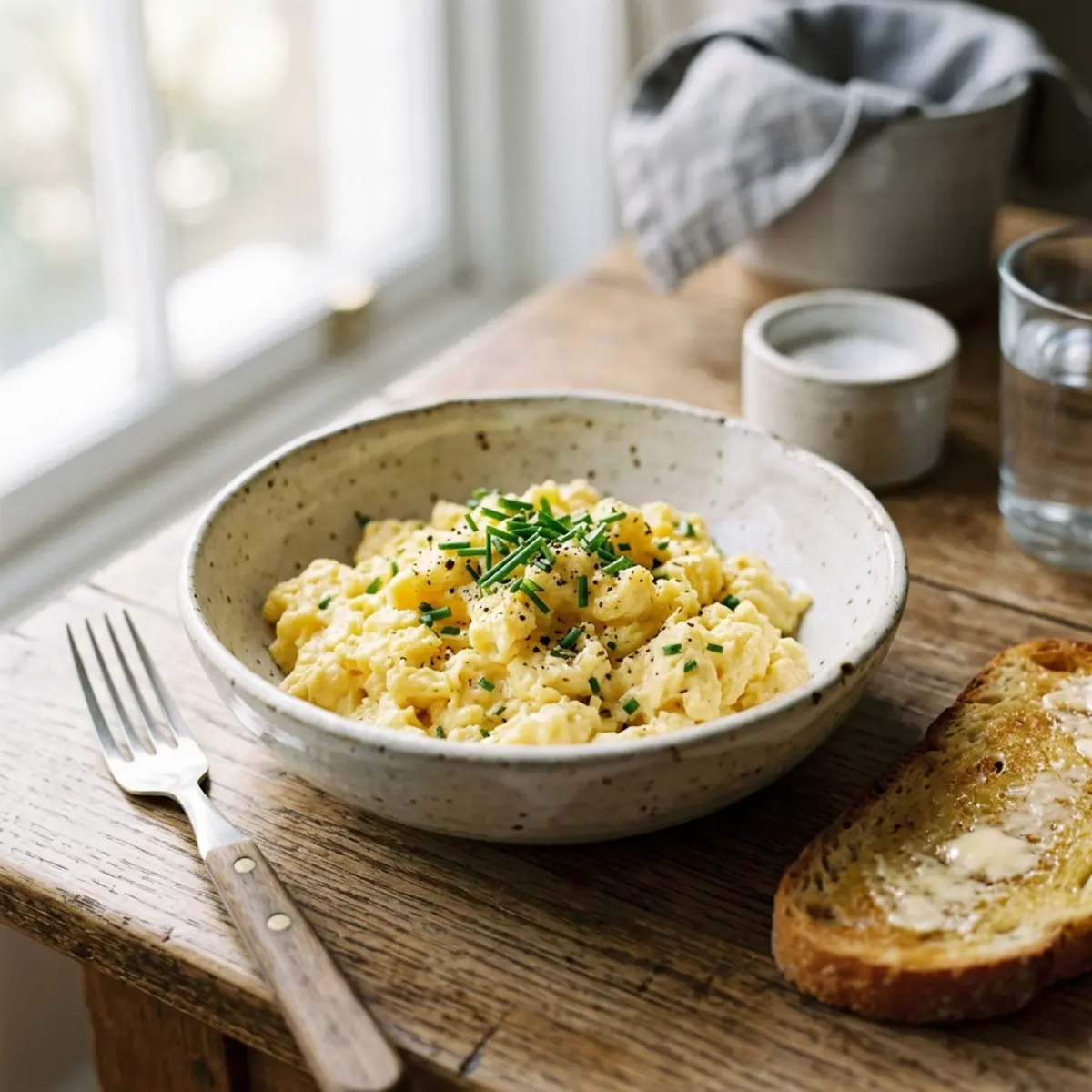
Fluffy Scrambled Eggs in Air Fryer – Quick Breakfast
 Breakfast
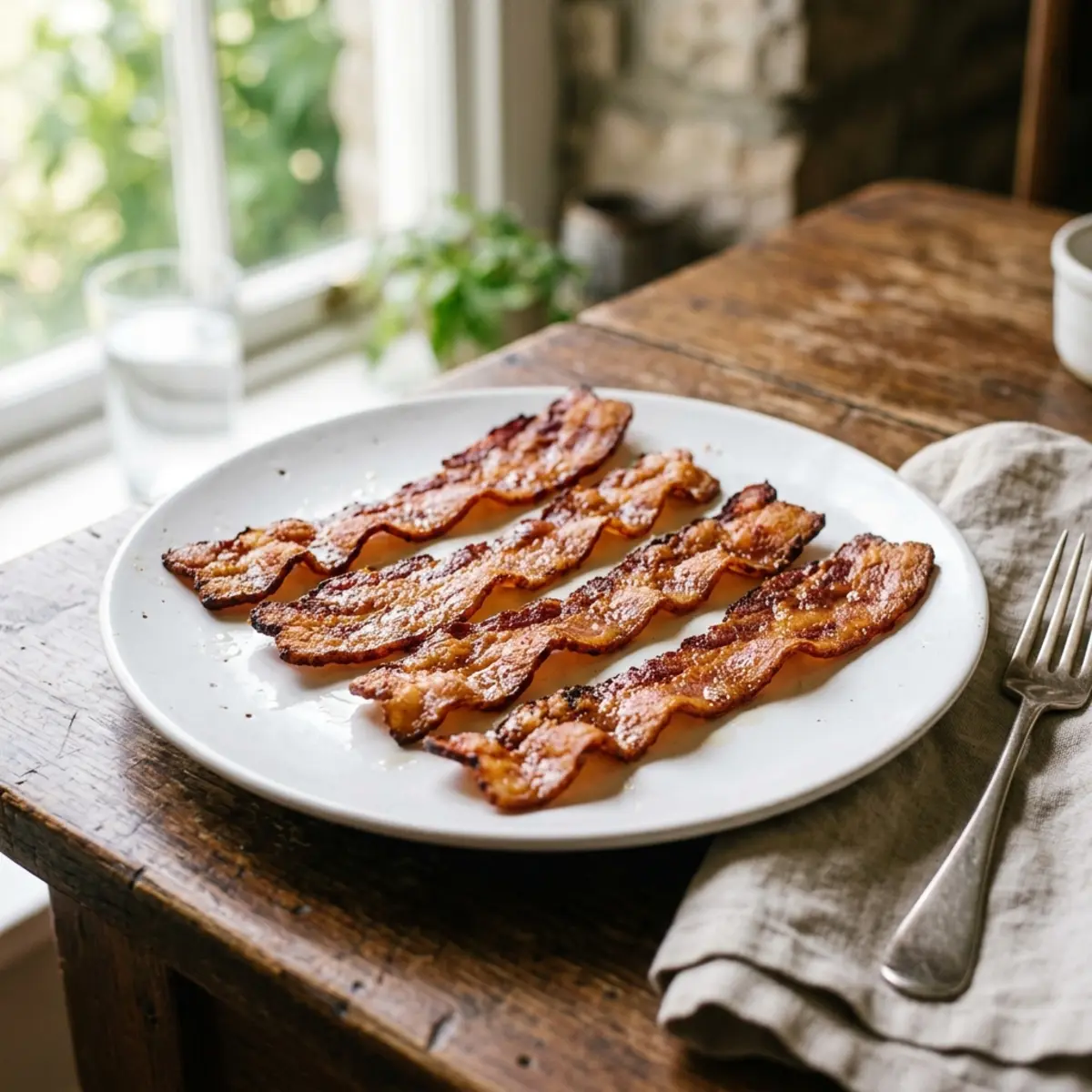
Crispy Air Fryer Bacon – Quick Recipe (10 min)
 Breakfast