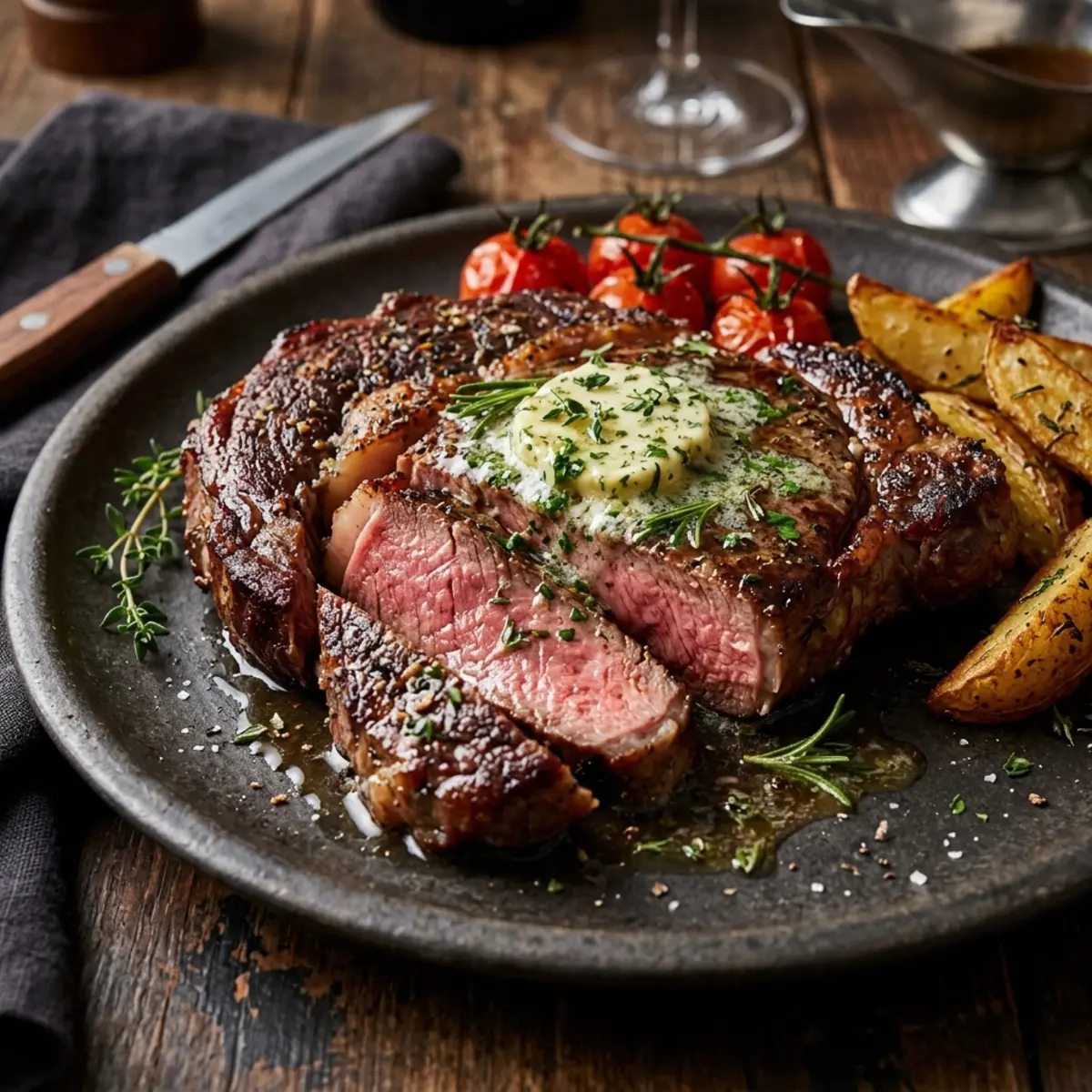
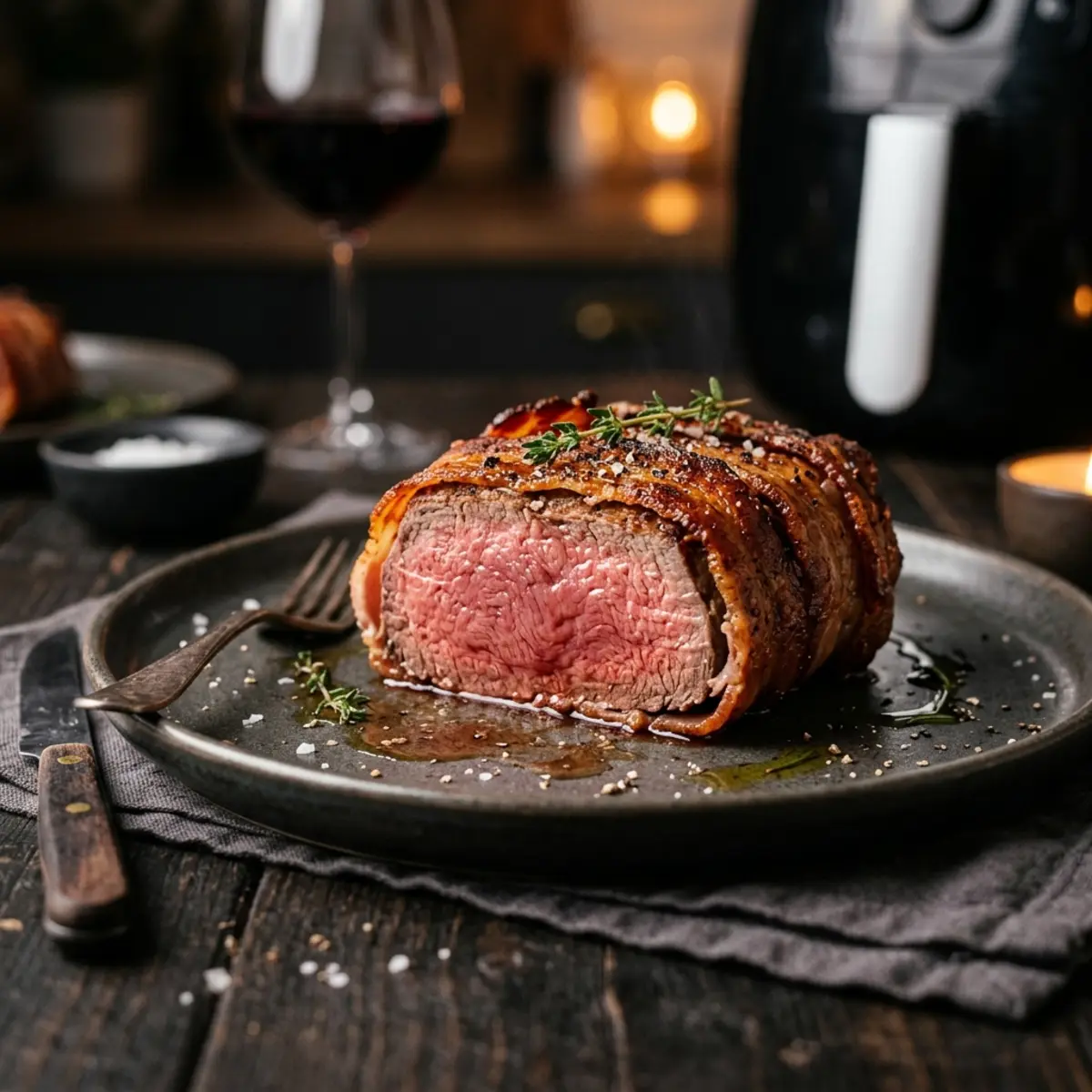
Bacon-Wrapped Beef Steak in Air Fryer
A juicy beef steak wrapped in crispy bacon, cooked quickly in the air fryer, perfect for a savory dinner.
Steps
- 01
In a small bowl, mix together salt, chili powder, black pepper, garlic powder, and onion powder.
- 02
Place steaks on a cutting board. Sprinkle half the mixture on one side, pressing gently. Turn the meat and repeat with the remaining seasoning.
- 03
Lay 3 bacon slices horizontally, side by side (without overlapping).
- 04
Place a seasoned steak in the middle of the bacon slices. Fold the first slice over the meat, tucking the ends underneath. Repeat with the second and third slices, securing the last end under one of the already placed strips.
- 05
Repeat for the second steak. Place both pieces in the air fryer basket.
- 06
Preheat the air fryer to 190°C (375°F) for 5 minutes. Cook the steaks for 18 minutes total, turning halfway after 9 minutes.
- 07
Let the steaks rest for 3-5 minutes before serving to remain tender and juicy.
Recipe story
This recipe combines the tradition of Alpine hunters, who wrapped beef in smoked bacon to keep it tender over campfires, with the influences of Viennese cuisine, where spicy and smoked seasonings were prized. In the 19th century, this technique was refined in the noble kitchens of Austria, becoming a regional specialty.
Ingredient Secrets
Discover the culinary secrets and flavor history of key ingredients in this dish.
Black pepper
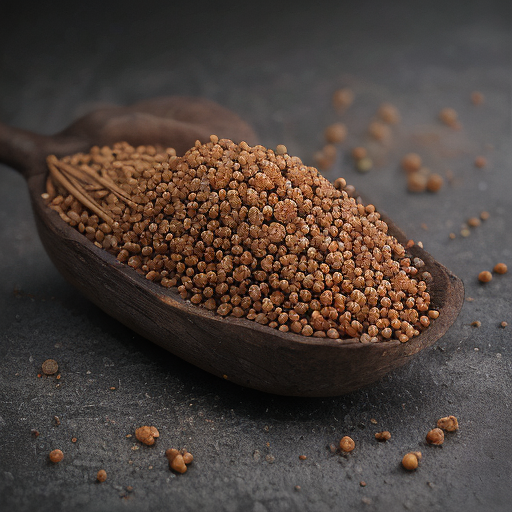
Known as 'black gold' in antiquity, pepper was so valuable that it served as currency and tribute. In the Middle Ages, Venetian merchants controlled the pepper trade, and individual peppercorns were often counted. Legend has it that when Alaric, king of the Visigoths, demanded tribute from Rome, he included 3,000 pounds of pepper.
Sea salt
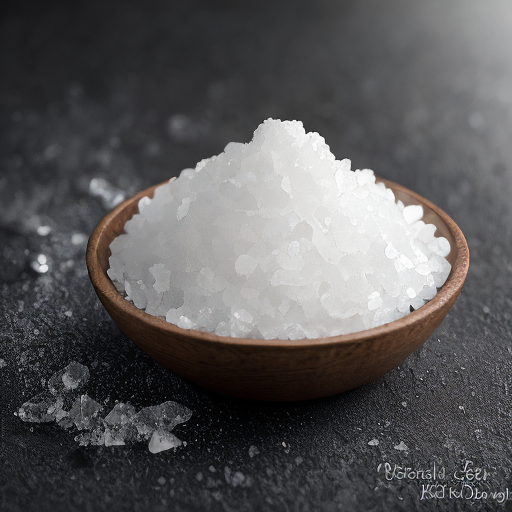
Sea salt, extracted from ocean waters by evaporation, was one of the most precious goods of antiquity, used both as food and as currency. In ancient Rome, soldiers were paid with salt, which is the origin of the word 'salary'. Salt roads connected entire civilizations, and in the Middle Ages, salt was so valuable it was called 'white gold'.
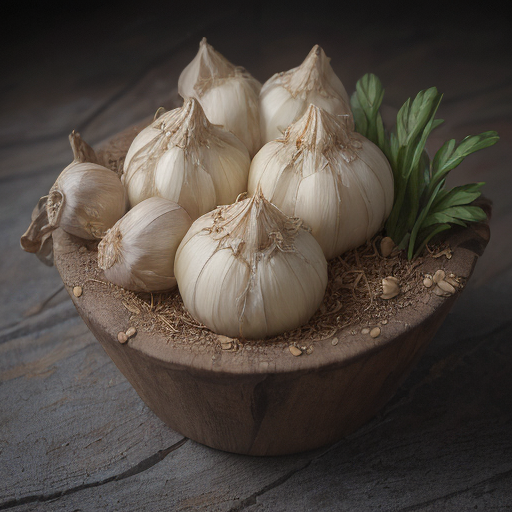
Garlic
Native to Central Asia, garlic was already known in ancient Egypt, where it was given to slaves to boost their strength. In ancient Greece, athletes consumed it before competitions, and in Rome, legionaries considered it essential for courage. During the Middle Ages, it was used to ward off vampires and the plague.
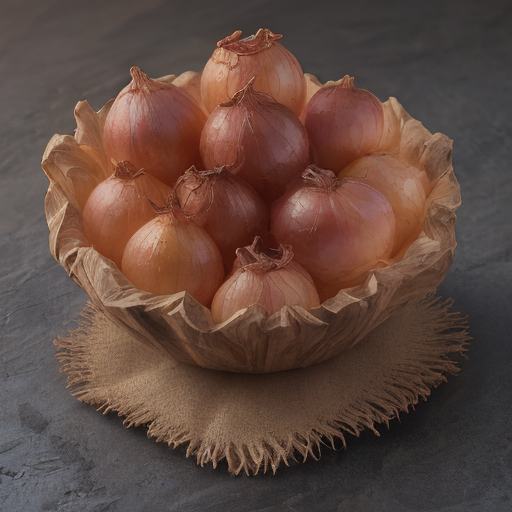
Onion
Probably originating in Central or West Asia, onions were cultivated in ancient Egypt, where they were considered a symbol of eternity and placed in tombs. In ancient Greece, athletes ate them to balance their blood, and in Rome, they were a staple food for soldiers. During the Middle Ages, onions were believed to protect against arrows and the plague.