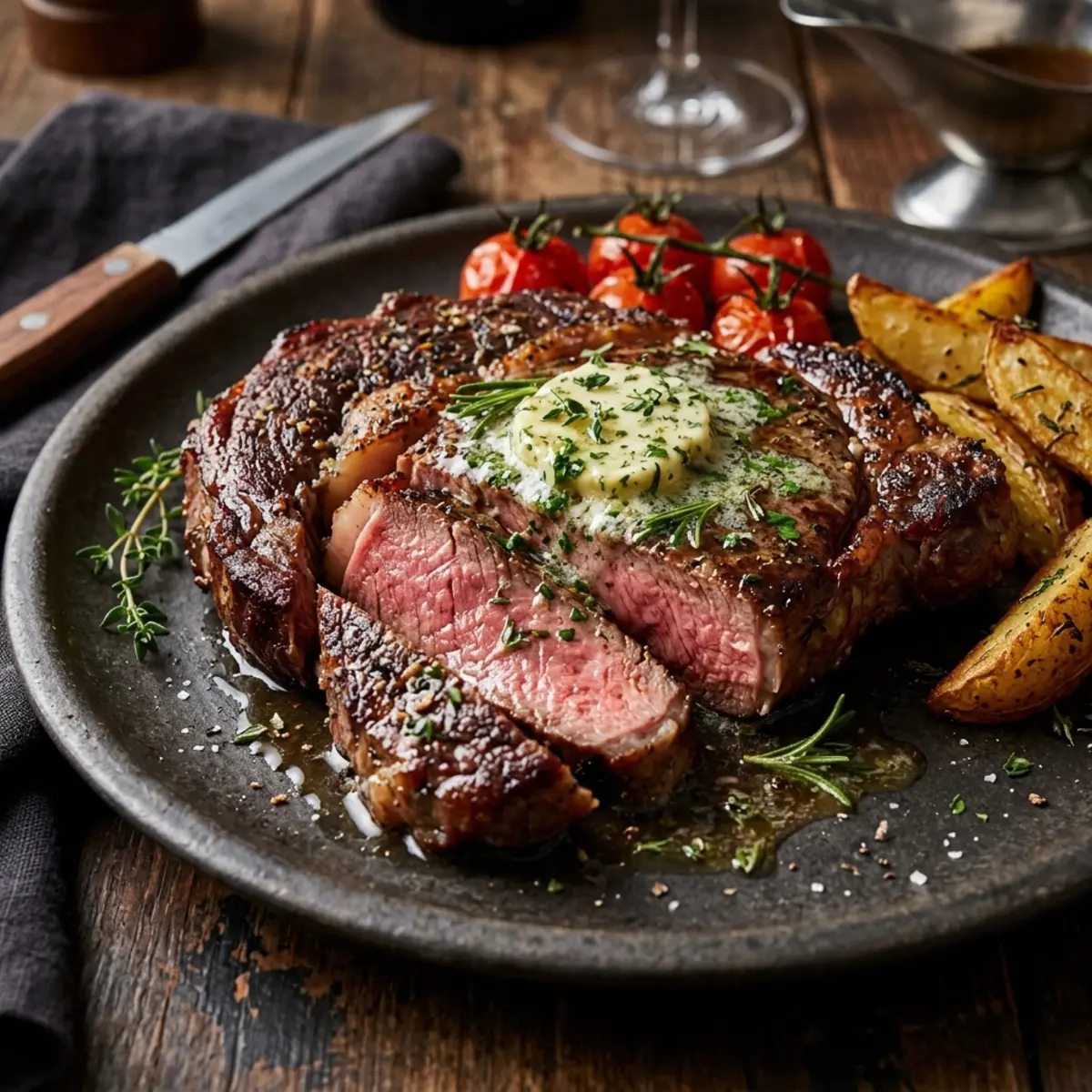
Air Fryer Steak with Horseradish Mashed Potatoes
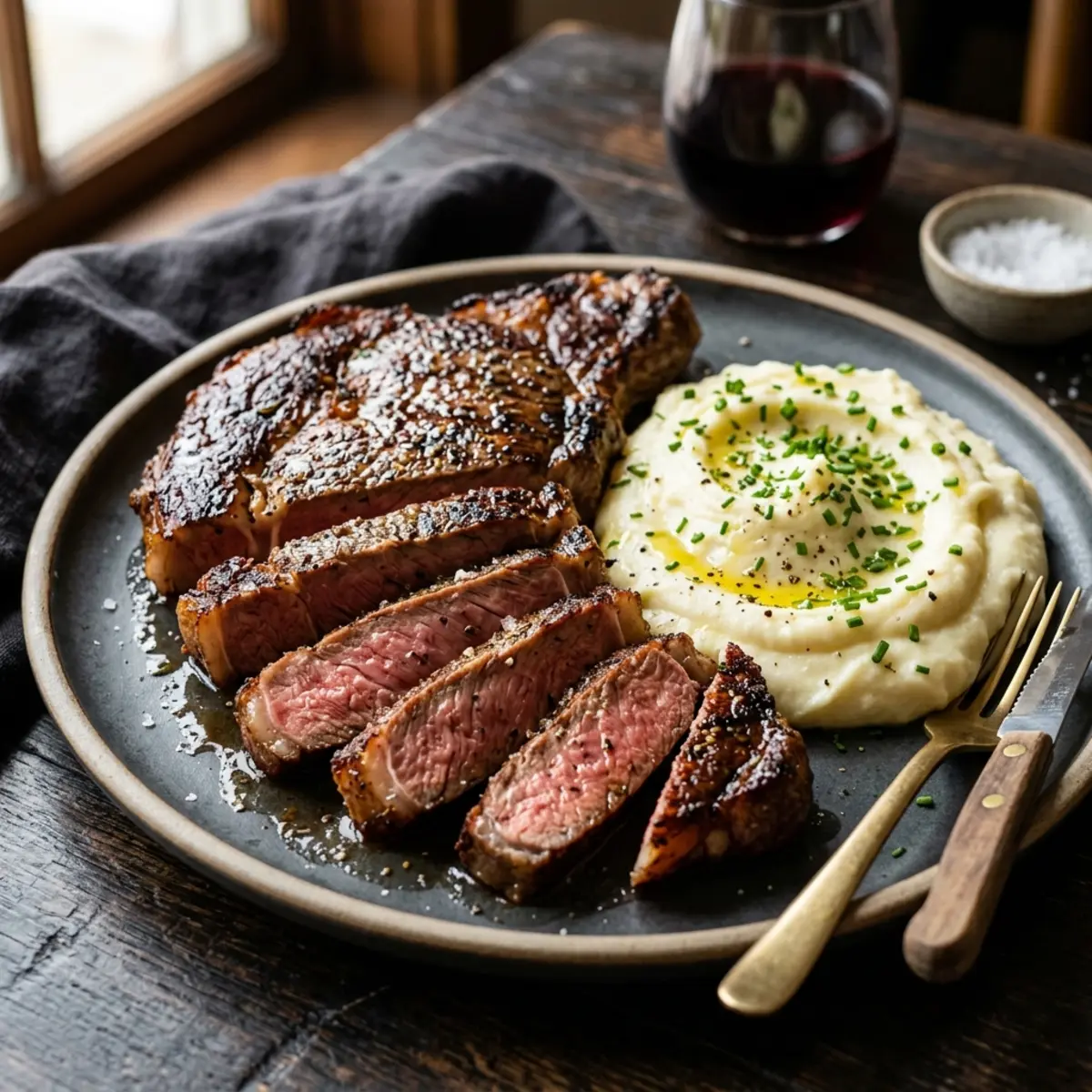
A quick and flavorful dinner: a juicy air fryer steak paired with creamy horseradish mashed potatoes. Ready in 20 minutes, perfect for a weeknight meal.
Steps
- 01
Preheat the air fryer to 180°C (350°F) for 3 minutes.
- 02
Brush the steaks with olive oil and season generously with salt and pepper.
- 03
Place the steaks in the air fryer basket and cook for 8-12 minutes, depending on desired doneness (8 minutes for rare, 10 for medium, 12 for well done). Turn them halfway through.
- 04
Meanwhile, peel and dice the potatoes. Boil them in salted water for 15 minutes until tender.
- 05
Drain the potatoes and mash them with butter and milk. Add the horseradish and season with salt and pepper.
- 06
Serve the steaks straight from the air fryer with the horseradish mashed potatoes. Garnish with parsley if desired.
Recipe story
This recipe marries the Romanian tradition of oven-roasted meat with the modern innovation of the air fryer, a device that revolutionized quick cooking. The creamy mashed potatoes, a dish cherished since the royal banquets of 18th-century Europe, gain an authentic twist with the addition of horseradish, a root used since ancient times in Romanian cuisine for its invigorating properties. Horseradish, known as 'wild radish,' was employed by the Dacians to boost strength and aid digestion, and today, alongside the succulent roast, it transforms a hurried dinner into a flavorful journey through time.
Ingredient Secrets
Discover the culinary secrets and flavor history of key ingredients in this dish.
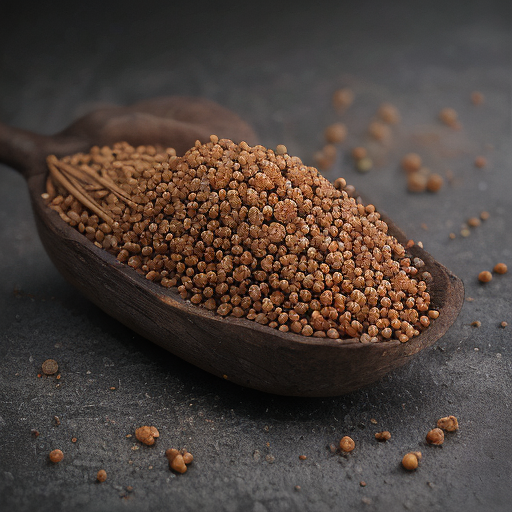
Black pepper
Known as 'black gold' in antiquity, pepper was so valuable that it served as currency and tribute. In the Middle Ages, Venetian merchants controlled the pepper trade, and individual peppercorns were often counted. Legend has it that when Alaric, king of the Visigoths, demanded tribute from Rome, he included 3,000 pounds of pepper.
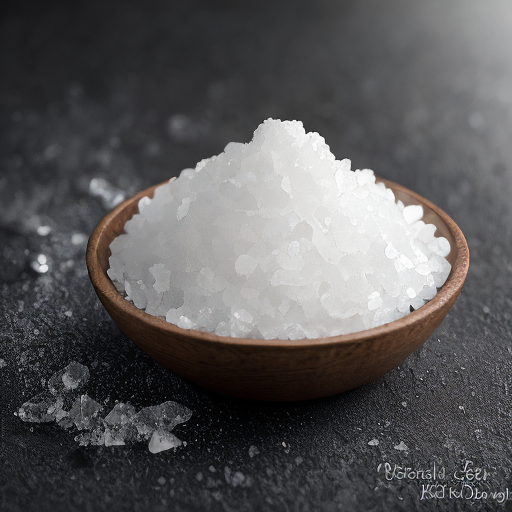
Sea salt
Sea salt, extracted from ocean waters by evaporation, was one of the most precious goods of antiquity, used both as food and as currency. In ancient Rome, soldiers were paid with salt, which is the origin of the word 'salary'. Salt roads connected entire civilizations, and in the Middle Ages, salt was so valuable it was called 'white gold'.
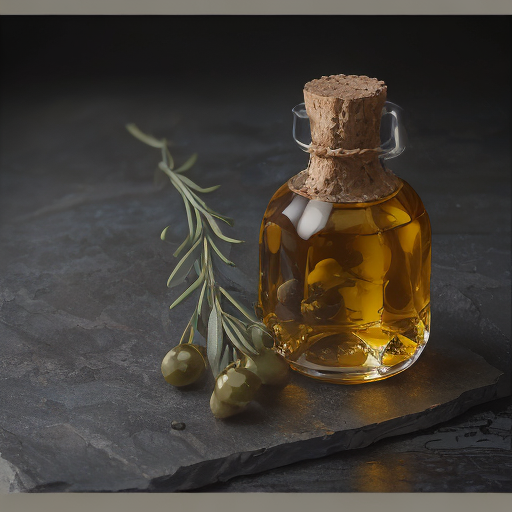
Olive oil
Originating in the Mediterranean basin, olive oil was already produced in ancient Crete 5,000 years ago. In ancient Greece, it was considered a gift from Athena and used in lamps, cosmetics, and religious ceremonies. The Romans spread it throughout the empire, and in the Middle Ages, monasteries preserved the tradition of its production.
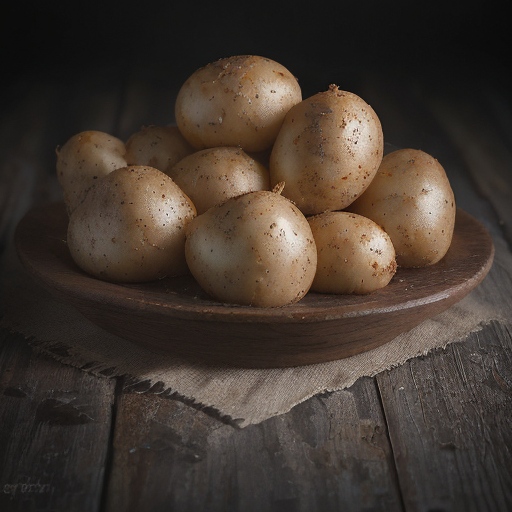
Potato
Although today it seems indispensable on the table, the potato was long viewed with suspicion in Europe. Arriving from the Andes in the 16th century, it was considered a diabolical plant, even poisonous, due to its toxic leaves and fruits. It wasn't until the 18th century, thanks to promoters like Antoine-Augustin Parmentier, that the potato became a staple food, saving Europe from famine.