Air Fryer Roast Beef – Quick and Juicy Recipe
Steps
- 01
Preheat the air fryer to 150°C (300°F) for 5 minutes.
- 02
Pat the roast dry with paper towels. Mix the dry rub ingredients or use a pre-made one, then rub all over the meat. Apply a second layer for more flavor.
- 03
Lift the roast and let excess rub fall off. Lightly spray the air fryer basket with nonstick cooking spray.
- 04
Place the roast in the basket and cook for 25 minutes for medium-rare, 30 minutes for medium, or 35 minutes for well done (for a 1.3 kg roast). Remove when internal temperature is 3°C below desired, as it will continue to rise during rest.
- 05
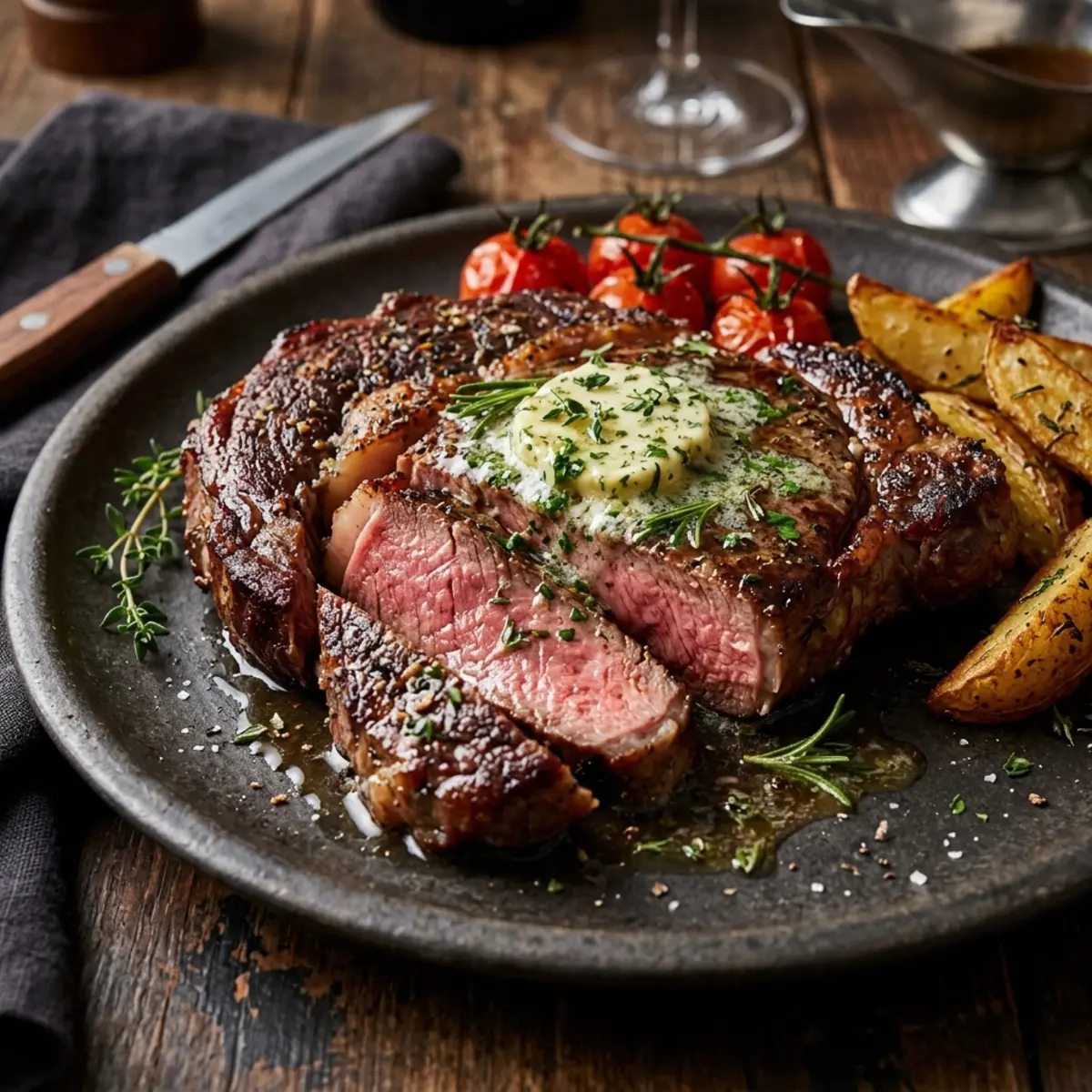
Remove the roast from the basket, cover with aluminum foil, and let rest for 15 minutes before slicing thinly against the grain.
- 06
Check internal temperature: 54–57°C for medium-rare, 60–63°C for medium, 65–68°C for medium-well, above 68°C for well done.
Recipe story
Roast beef has its origins in medieval English cuisine, where meat was cooked over an open fire to retain juiciness. The technique spread across Europe, and in the 19th century, the recipe was perfected in French kitchens. Today, the air fryer offers a modern and quick method to achieve the same golden crust and tender interior.
Ingredient Secrets
Discover the culinary secrets and flavor history of key ingredients in this dish.
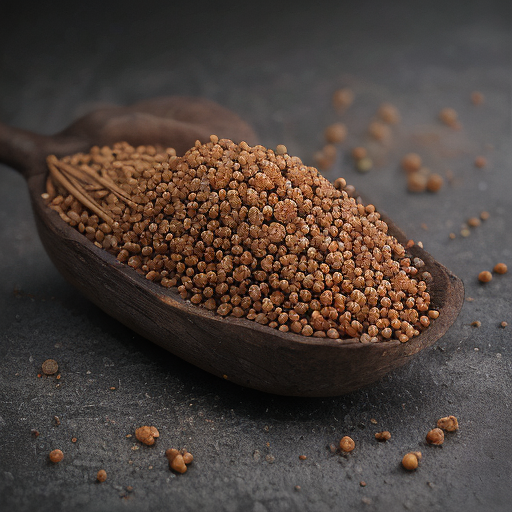
Black pepper
Known as 'black gold' in antiquity, pepper was so valuable that it served as currency and tribute. In the Middle Ages, Venetian merchants controlled the pepper trade, and individual peppercorns were often counted. Legend has it that when Alaric, king of the Visigoths, demanded tribute from Rome, he included 3,000 pounds of pepper.
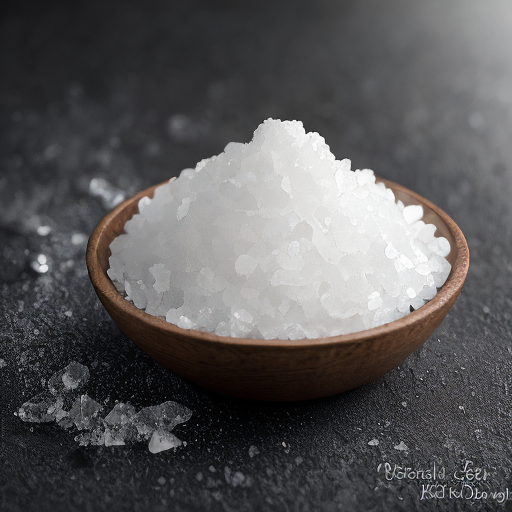
Sea salt
Sea salt, extracted from ocean waters by evaporation, was one of the most precious goods of antiquity, used both as food and as currency. In ancient Rome, soldiers were paid with salt, which is the origin of the word 'salary'. Salt roads connected entire civilizations, and in the Middle Ages, salt was so valuable it was called 'white gold'.