Air Fryer Egg Muffins
Fluffy and quick egg muffins cooked in the air fryer. Perfect for a hearty breakfast or lunchbox.

Steps
- 01
Beat the eggs in a bowl with a whisk until frothy.
- 02
Add finely chopped green onion and shredded cheese. Mix well. You can also add optional ingredients (dill, mushrooms, ham or bacon).
- 03
Spray a little oil into silicone muffin molds (or a mini silicone snack mold).
- 04
Pour the mixture into the molds, filling each about three-quarters full.
- 05
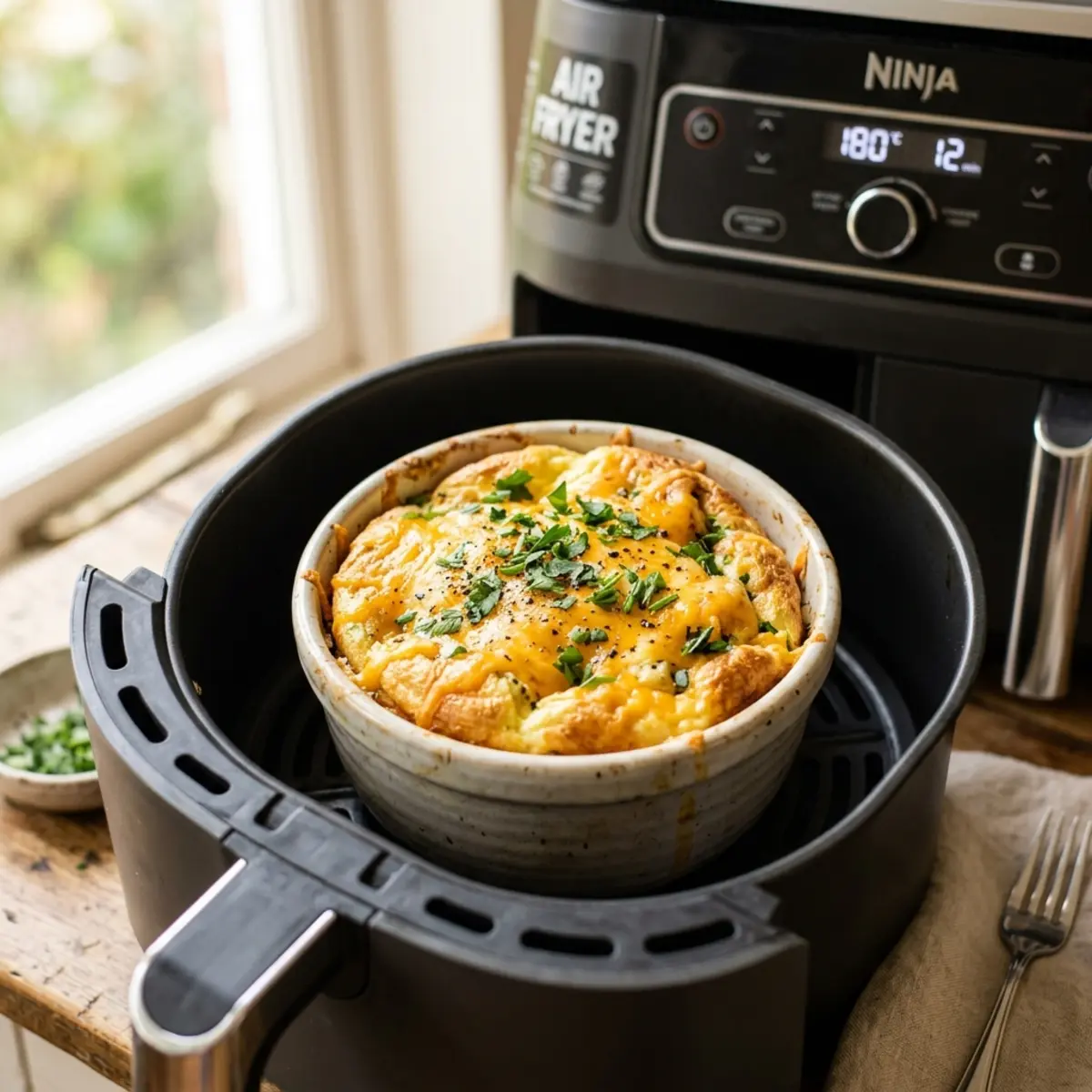
Place the molds in the air fryer basket and set to Bake function at 180°C (350°F) for 15 minutes.
- 06
After baking, let the muffins rest in the molds for 2-3 minutes, then carefully remove them.
- 07
Serve warm or cold. They are excellent for lunchboxes.
Recipe story
The omelette is a dish with origins in French cuisine, where it was considered a test of culinary skill. In the 19th century, French chefs perfected the technique of beating eggs until frothy to achieve a fluffy texture. The modern recipe for Air Fryer Egg Muffins preserves this delicacy but transforms it into a quick solution for the busy person's breakfast.
Ingredient Secrets
Discover the culinary secrets and flavor history of key ingredients in this dish.
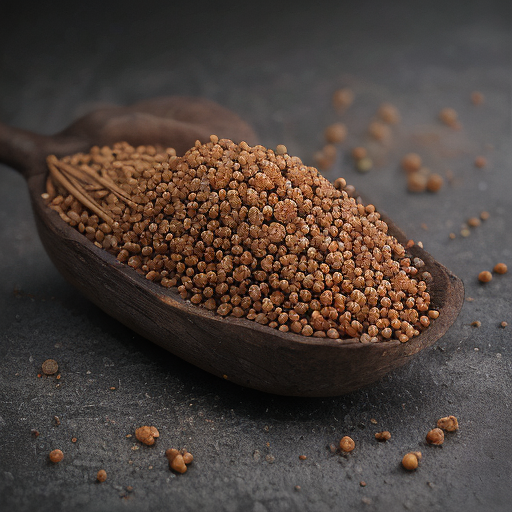
Black pepper
Known as 'black gold' in antiquity, pepper was so valuable that it served as currency and tribute. In the Middle Ages, Venetian merchants controlled the pepper trade, and individual peppercorns were often counted. Legend has it that when Alaric, king of the Visigoths, demanded tribute from Rome, he included 3,000 pounds of pepper.
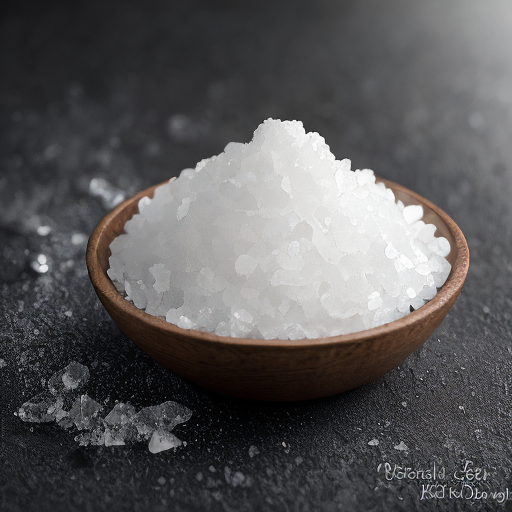
Sea salt
Sea salt, extracted from ocean waters by evaporation, was one of the most precious goods of antiquity, used both as food and as currency. In ancient Rome, soldiers were paid with salt, which is the origin of the word 'salary'. Salt roads connected entire civilizations, and in the Middle Ages, salt was so valuable it was called 'white gold'.
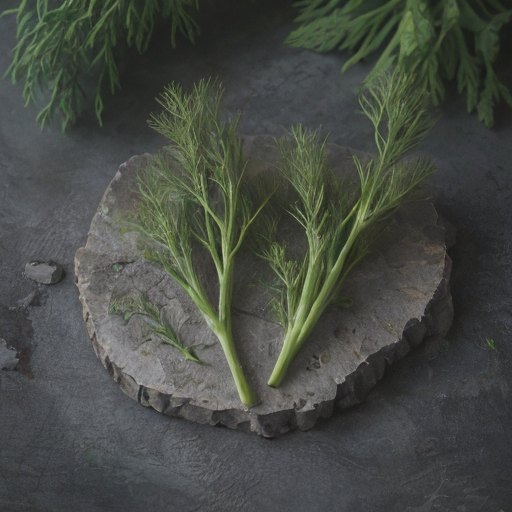
Dill
In ancient Rome, dill was considered a symbol of prosperity, and gladiators consumed it before battles to boost their courage. In the Middle Ages, it was used as a magical ingredient against witchcraft.
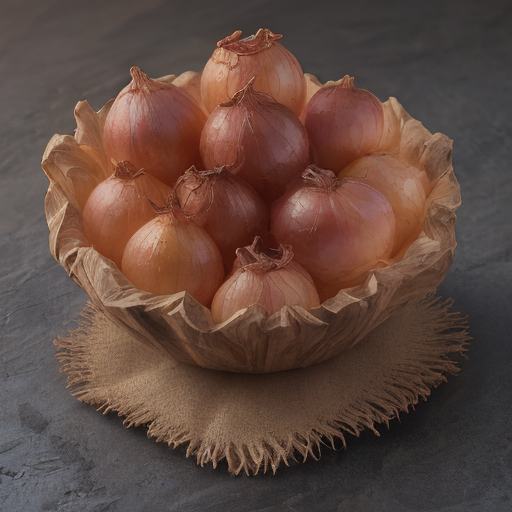
Onion
Probably originating in Central or West Asia, onions were cultivated in ancient Egypt, where they were considered a symbol of eternity and placed in tombs. In ancient Greece, athletes ate them to balance their blood, and in Rome, they were a staple food for soldiers. During the Middle Ages, onions were believed to protect against arrows and the plague.
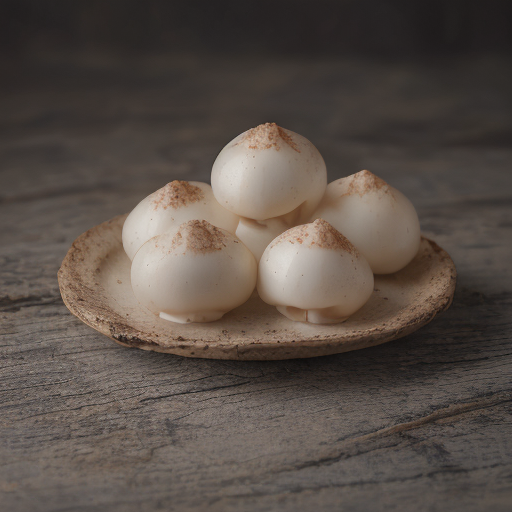
Mushrooms
Mushrooms have been used for thousands of years in cuisines worldwide, from ancient China to classical Greece. In ancient Egypt, they were considered food for royalty, and the Romans called them 'food of the gods'.
You may also like
 Breakfast
Air Fryer Grilled Cheese – Quick 7-Minute Recipe
 Breakfast
Frozen Waffles in Air Fryer – Quick and Crispy Breakfast
 Breakfast
Air Fryer Toast – Quick and Crispy Recipe
 Breakfast
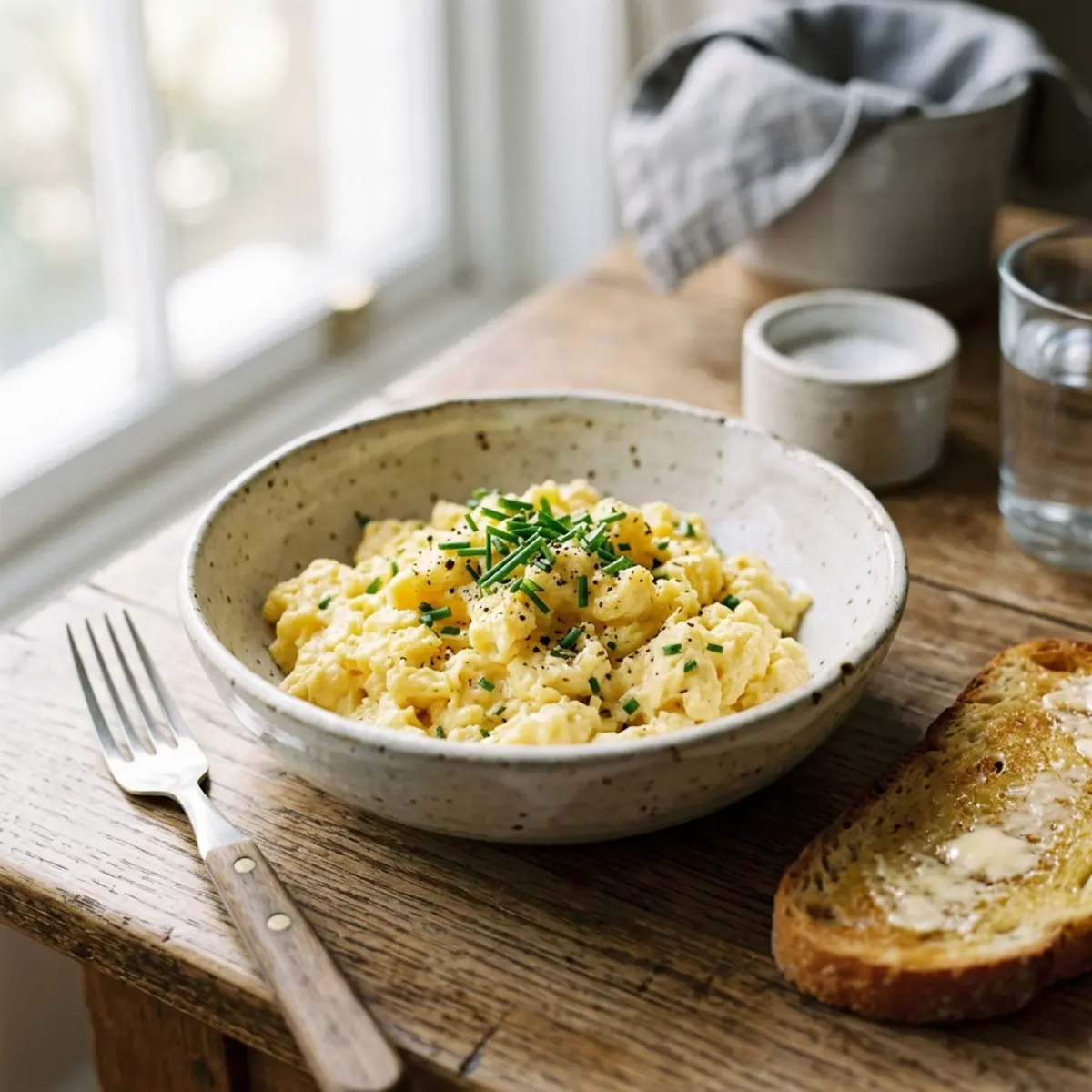
Fluffy Scrambled Eggs in Air Fryer – Quick Breakfast
 Breakfast
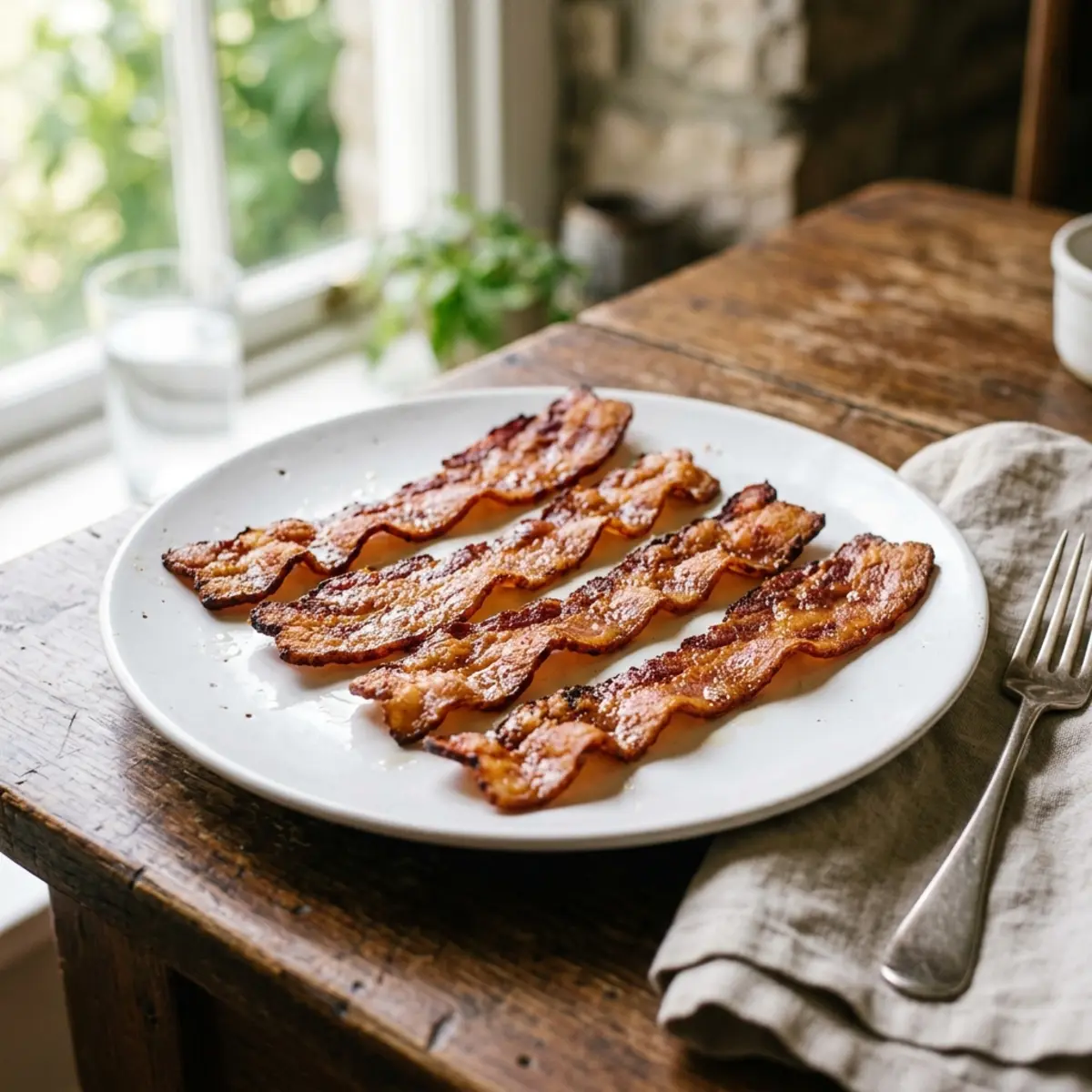
Crispy Air Fryer Bacon – Quick Recipe (10 min)
 Breakfast