Air Fryer Chicken Casserole – Quick and Creamy Recipe
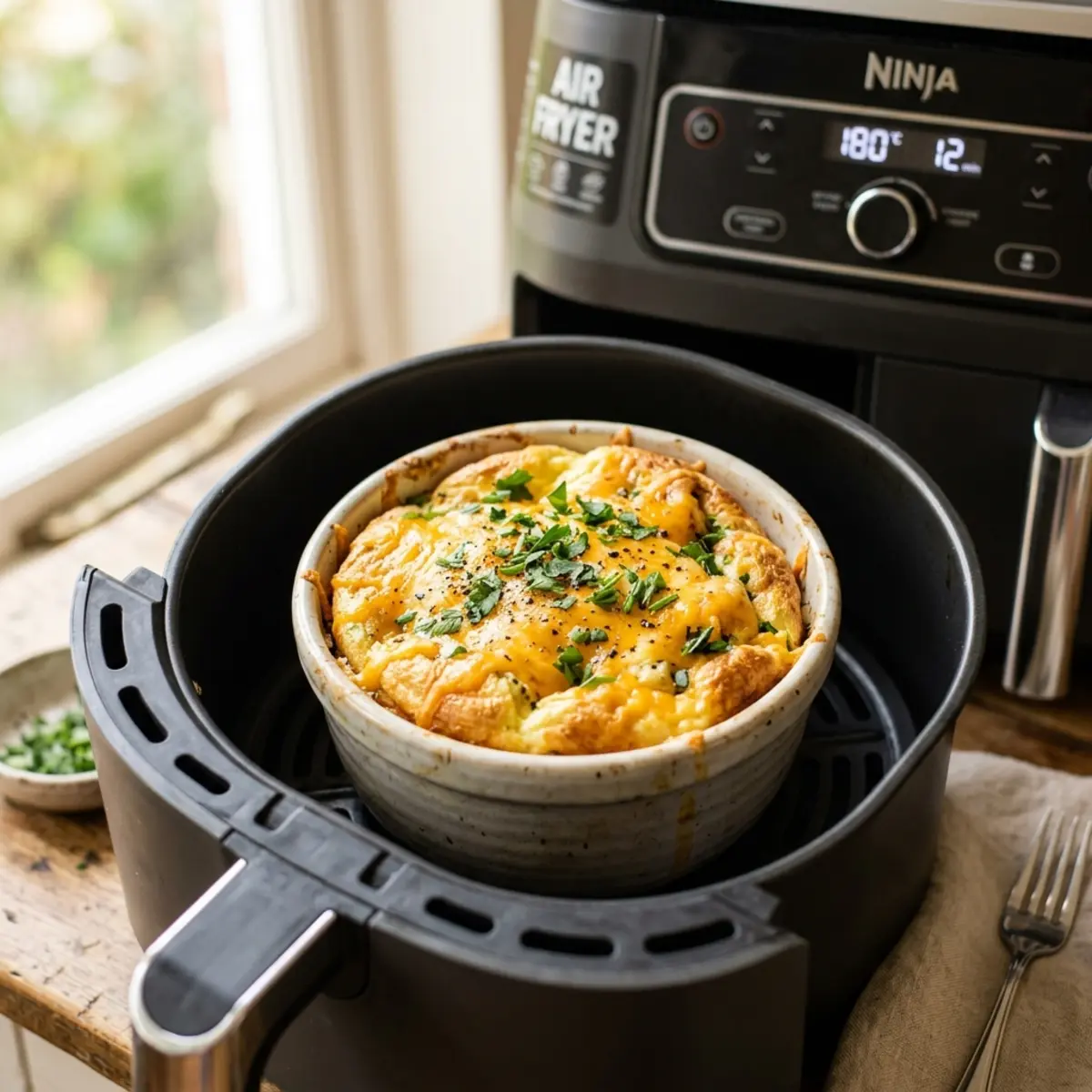
A creamy chicken and vegetable casserole cooked quickly in the air fryer, perfect for a hearty breakfast or light dinner.
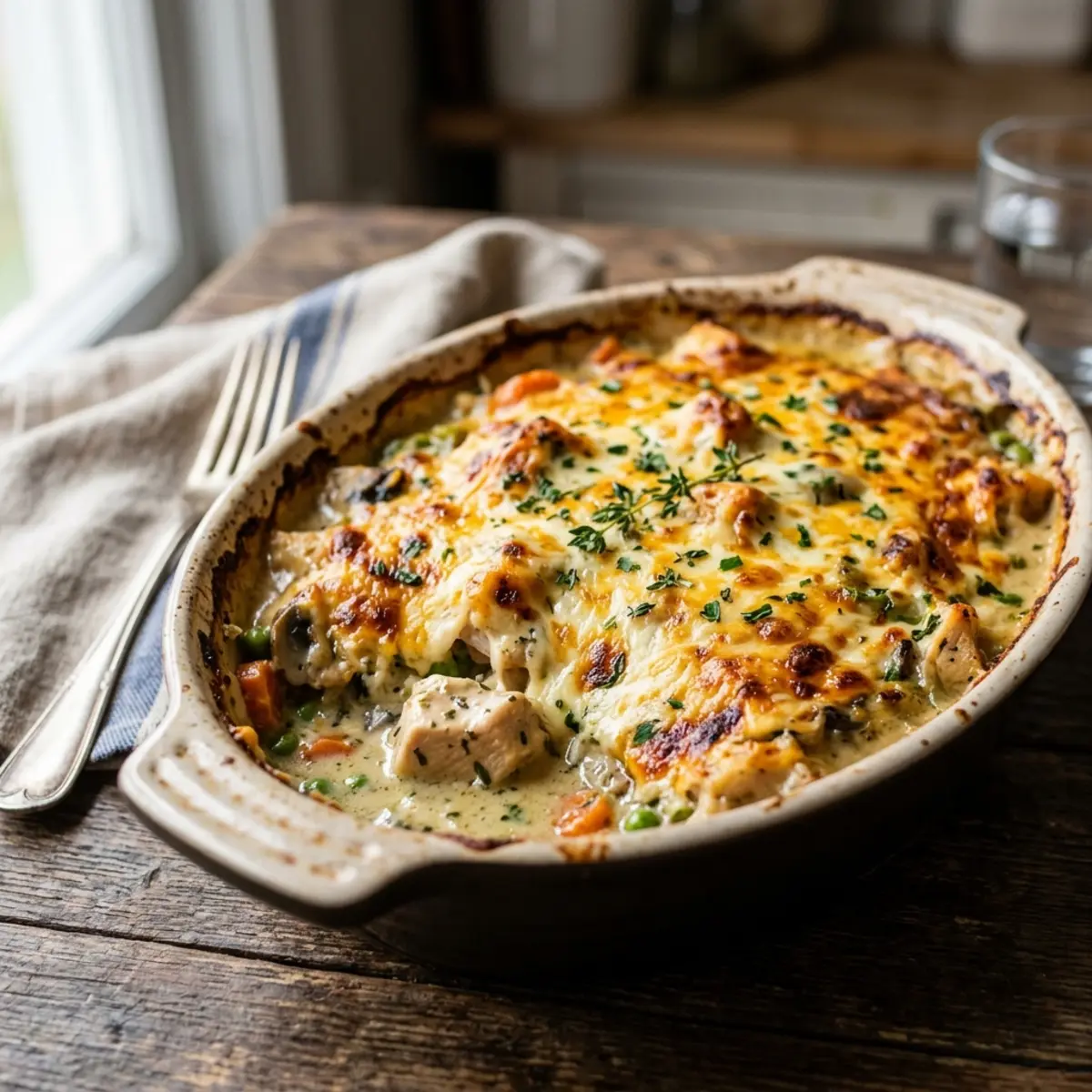
Steps
- 01
Preheat the air fryer to 180°C (350°F) for 5 minutes.
- 02
In a large bowl, mix together the cooked chicken, mixed vegetables, rice or pasta, cream soup, milk, half of the shredded cheese, garlic powder, onion powder, salt, and pepper.
- 03
Transfer the mixture to an oven-safe dish that fits in the air fryer (about 6-7 inches in diameter).
- 04
In a small bowl, mix the breadcrumbs with melted butter and sprinkle over the casserole, then top with the remaining shredded cheese.
- 05
Cover the dish tightly with aluminum foil and cook in the air fryer for 15 minutes.
- 06
Remove the foil and cook for another 7-10 minutes, until the topping is golden and crispy.
- 07
Check that the internal temperature has reached at least 165°F (74°C). Let the casserole rest for 5 minutes before serving.
Recipe story
Chicken casserole is a classic American comfort food, known for its creamy texture and versatility. Originating from Southern cuisine, this dish became popular in the 1950s when canned cream soups became a pantry staple. The air fryer adaptation offers a quicker, crispier version while maintaining the traditional flavors.
Ingredient Secrets
Discover the culinary secrets and flavor history of key ingredients in this dish.
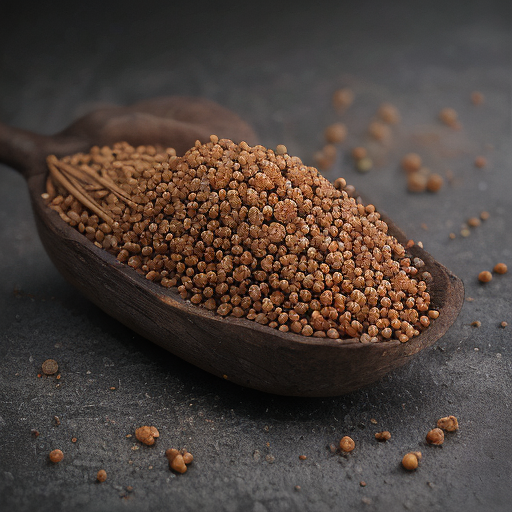
Black pepper
Known as 'black gold' in antiquity, pepper was so valuable that it served as currency and tribute. In the Middle Ages, Venetian merchants controlled the pepper trade, and individual peppercorns were often counted. Legend has it that when Alaric, king of the Visigoths, demanded tribute from Rome, he included 3,000 pounds of pepper.
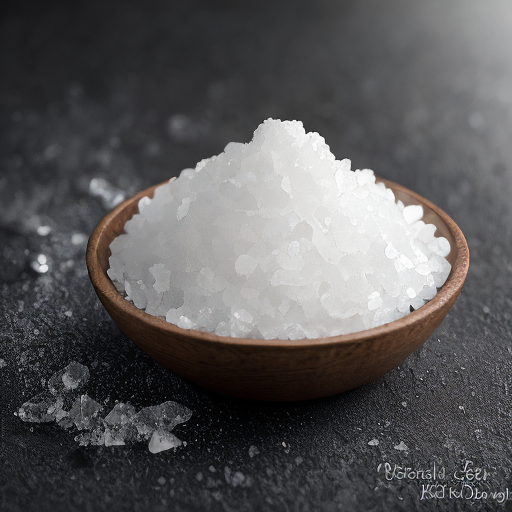
Sea salt
Sea salt, extracted from ocean waters by evaporation, was one of the most precious goods of antiquity, used both as food and as currency. In ancient Rome, soldiers were paid with salt, which is the origin of the word 'salary'. Salt roads connected entire civilizations, and in the Middle Ages, salt was so valuable it was called 'white gold'.
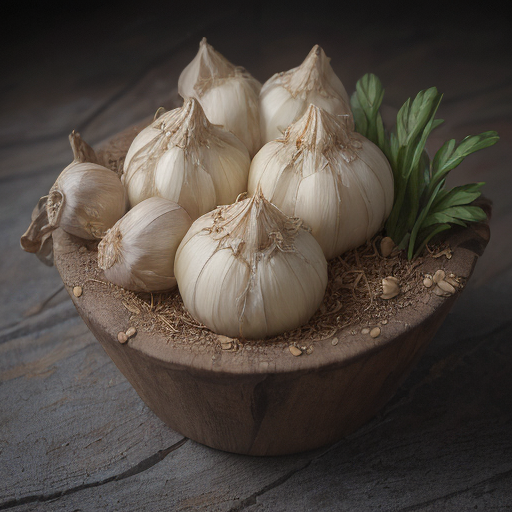
Garlic
Native to Central Asia, garlic was already known in ancient Egypt, where it was given to slaves to boost their strength. In ancient Greece, athletes consumed it before competitions, and in Rome, legionaries considered it essential for courage. During the Middle Ages, it was used to ward off vampires and the plague.
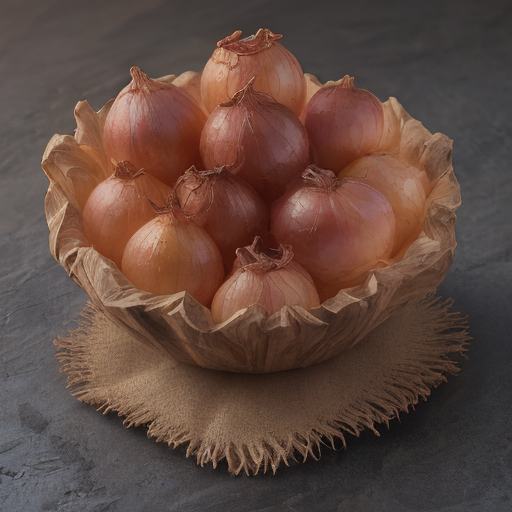
Onion
Probably originating in Central or West Asia, onions were cultivated in ancient Egypt, where they were considered a symbol of eternity and placed in tombs. In ancient Greece, athletes ate them to balance their blood, and in Rome, they were a staple food for soldiers. During the Middle Ages, onions were believed to protect against arrows and the plague.
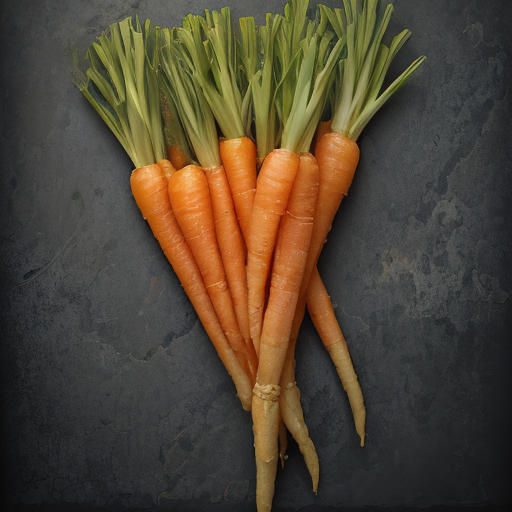
Carrot
The carrot, known in antiquity as a medicinal remedy rather than a vegetable, was originally purple or white. It wasn't until the 17th century that Dutch breeders developed the orange variety, honoring the House of Orange.
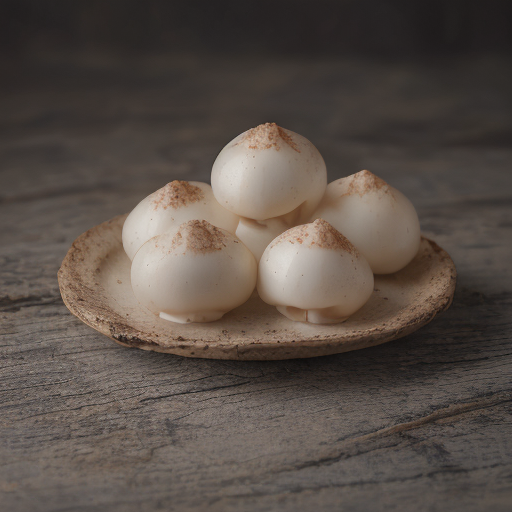
Mushrooms
Mushrooms have been used for thousands of years in cuisines worldwide, from ancient China to classical Greece. In ancient Egypt, they were considered food for royalty, and the Romans called them 'food of the gods'.
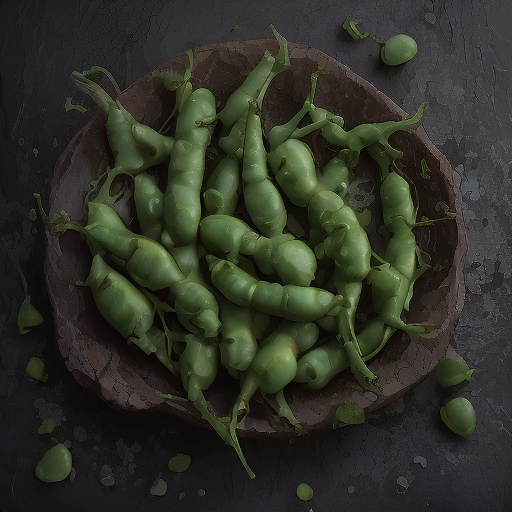
Peas
Peas are one of the oldest cultivated vegetables, with archaeological evidence in Neolithic sites from the Middle East. In the Middle Ages, dried peas were a staple food across Europe, and in the 16th century, the sweet garden pea was developed in Italy. Fun fact: peas were among the first vegetables to be frozen commercially, in the 1920s.
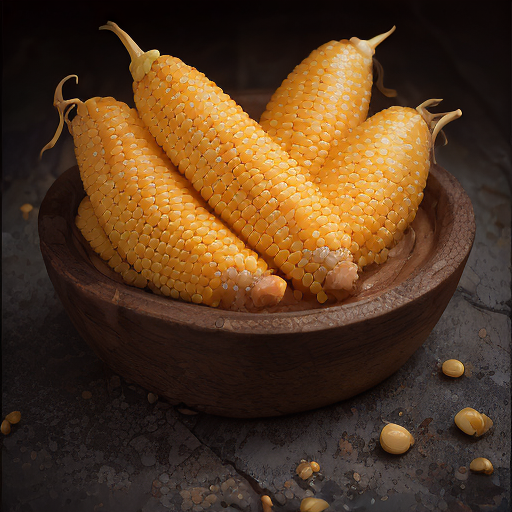
Corn
Corn, native to Central America, was domesticated over 9,000 years ago in Mexico. After the discovery of the Americas, it spread rapidly to Europe, Africa, and Asia, becoming a global staple crop. Fun fact: in Italy, corn was called 'grano turco' (Turkish wheat) because it was believed to originate from the East.
You may also like
 Breakfast
Air Fryer Grilled Cheese – Quick 7-Minute Recipe
 Breakfast
Frozen Waffles in Air Fryer – Quick and Crispy Breakfast
 Breakfast
Air Fryer Toast – Quick and Crispy Recipe
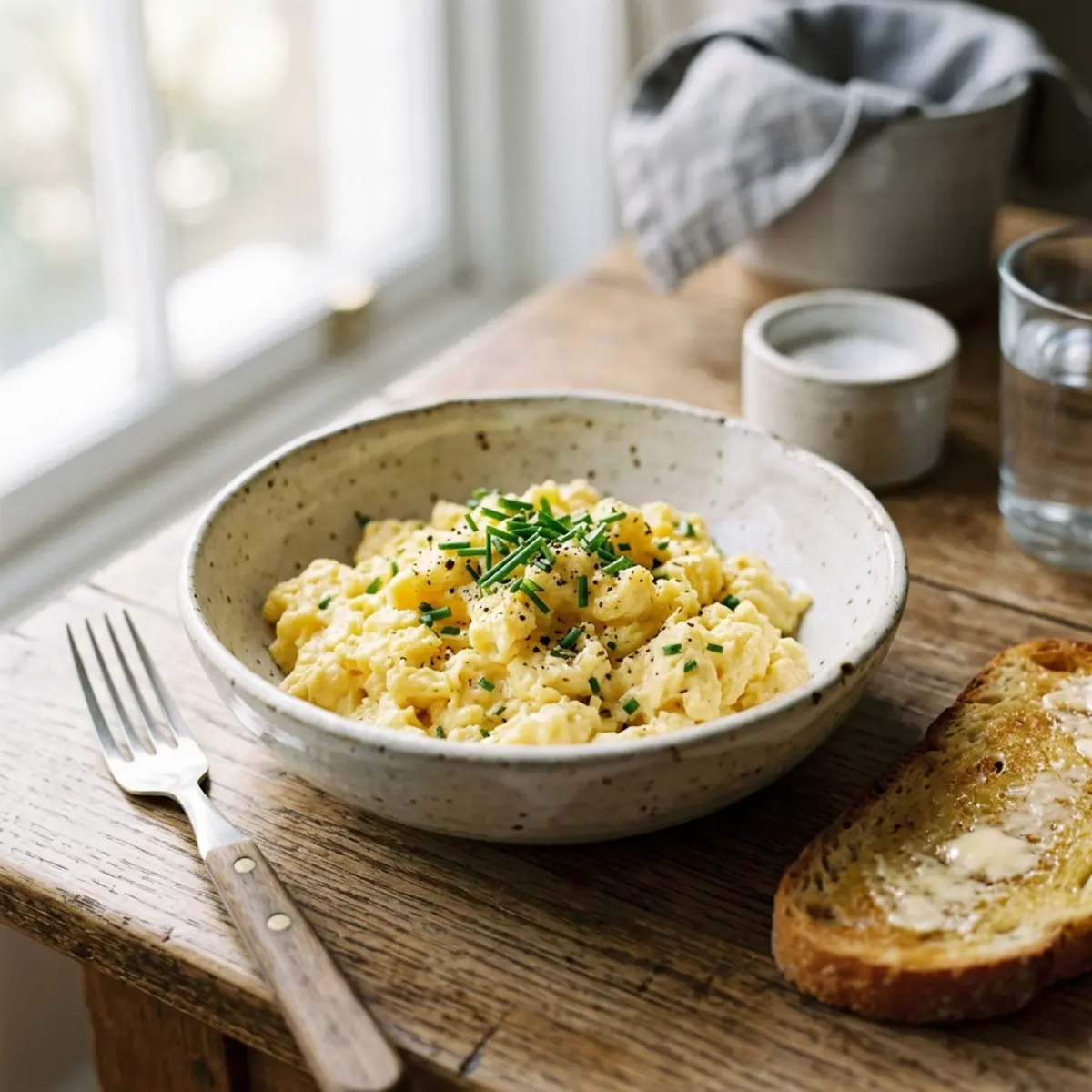 Breakfast
Fluffy Scrambled Eggs in Air Fryer – Quick Breakfast
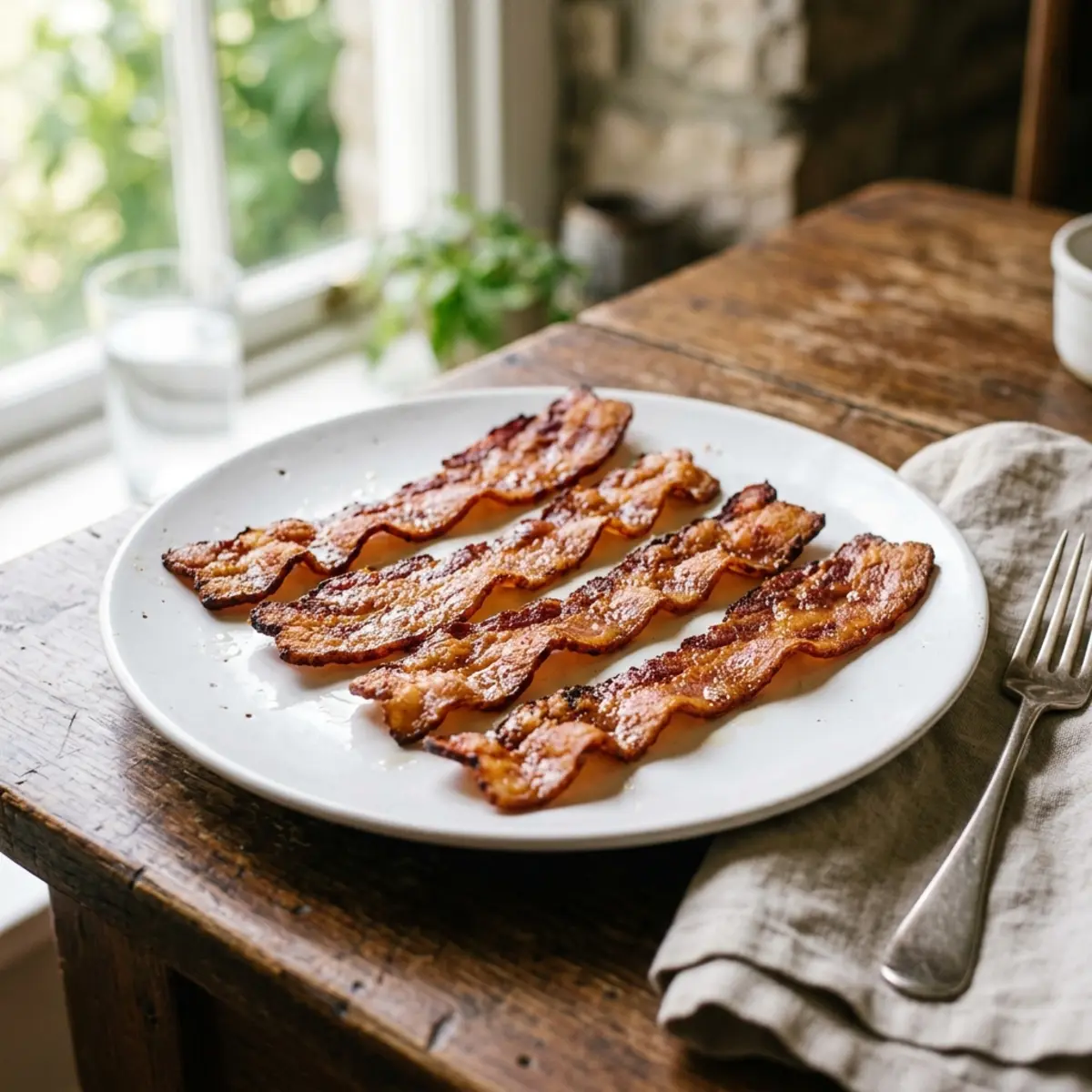 Breakfast
Crispy Air Fryer Bacon – Quick Recipe (10 min)
 Breakfast