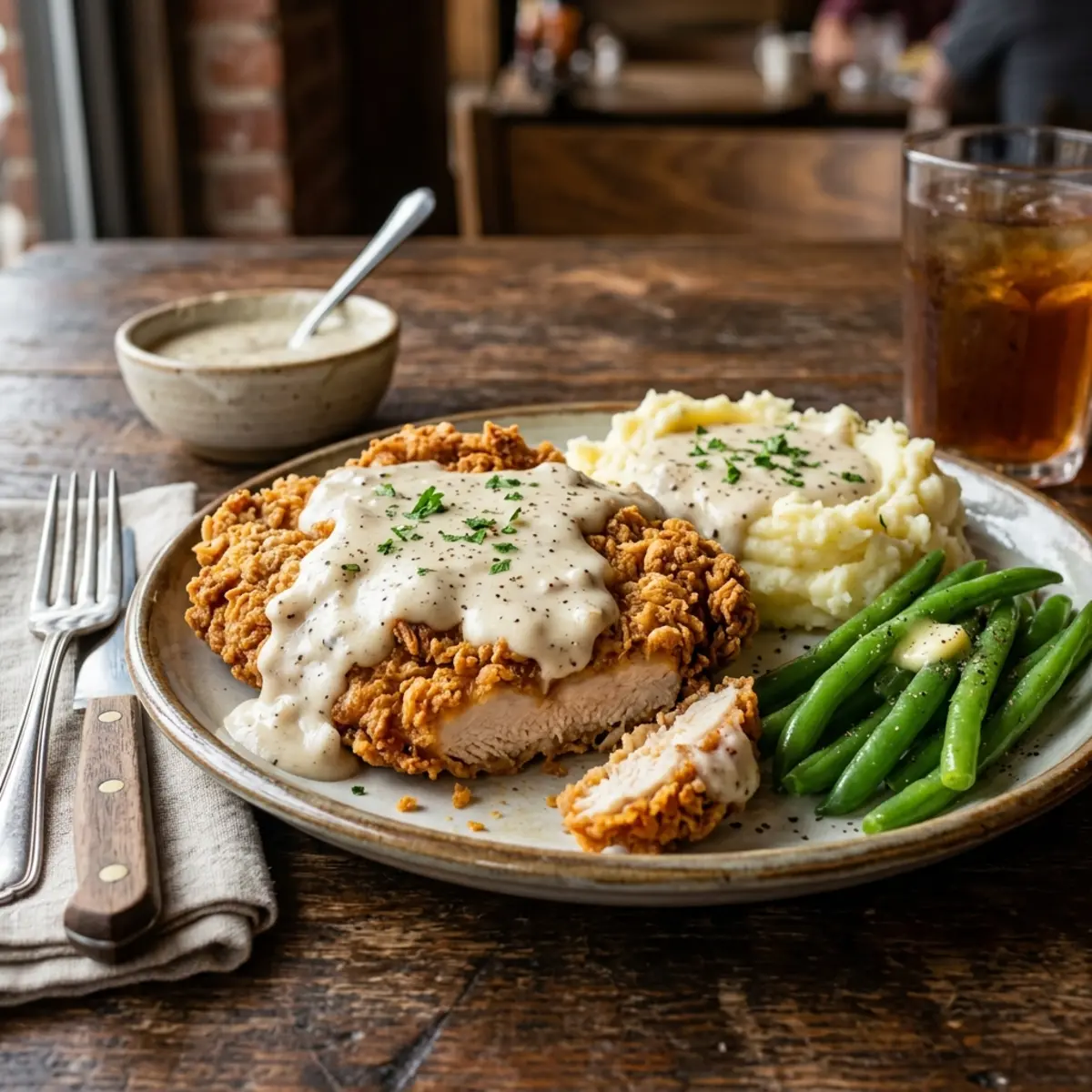
Air Fryer Breaded Beef Schnitzel with Creamy Sauce
Steps
- 01
Preheat the air fryer to 188°C (370°F).
- 02
Remove the steaks from the refrigerator and place them on a cutting board.
- 03
In a small bowl, mix the flour, garlic powder, paprika, salt, and pepper.
- 04
In another bowl, beat the egg with water until well combined.
- 05
Coat each steak in the flour mixture, then dip in the egg mixture, and coat again in the flour mixture for a double crust.
- 06
Place the steaks in a single layer in the air fryer basket.
- 07
Cook for 12-15 minutes, turning halfway and spraying with a little oil for even browning.
- 08
While the steaks cook, prepare the sauce: melt the butter in a small saucepan over medium heat. Gradually whisk in the flour, then the milk, salt, and pepper. Stir until the sauce thickens, then remove from heat.
- 09
Remove the schnitzels from the air fryer and pour the warm sauce over them before serving.
Recipe story
Breaded beef schnitzel originates from Vienna, Austria, where Wiener Schnitzel became a symbol of Viennese cuisine in the 19th century. The dish was influenced by the cotoletta alla milanese from Italy, brought by Field Marshal Radetzky. Over time, the recipe spread throughout Europe, becoming a classic breaded meat dish. Today, the air fryer offers a healthier way to achieve the same golden and crispy crust.
Ingredient Secrets
Discover the culinary secrets and flavor history of key ingredients in this dish.
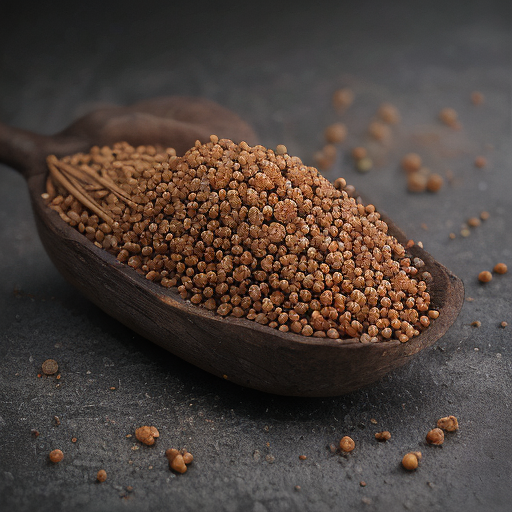
Black pepper
Known as 'black gold' in antiquity, pepper was so valuable that it served as currency and tribute. In the Middle Ages, Venetian merchants controlled the pepper trade, and individual peppercorns were often counted. Legend has it that when Alaric, king of the Visigoths, demanded tribute from Rome, he included 3,000 pounds of pepper.
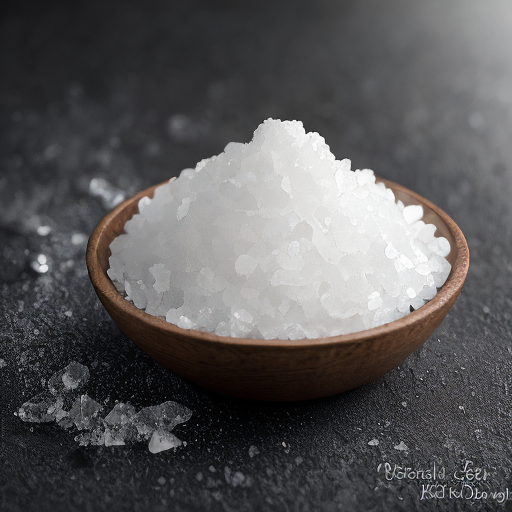
Sea salt
Sea salt, extracted from ocean waters by evaporation, was one of the most precious goods of antiquity, used both as food and as currency. In ancient Rome, soldiers were paid with salt, which is the origin of the word 'salary'. Salt roads connected entire civilizations, and in the Middle Ages, salt was so valuable it was called 'white gold'.
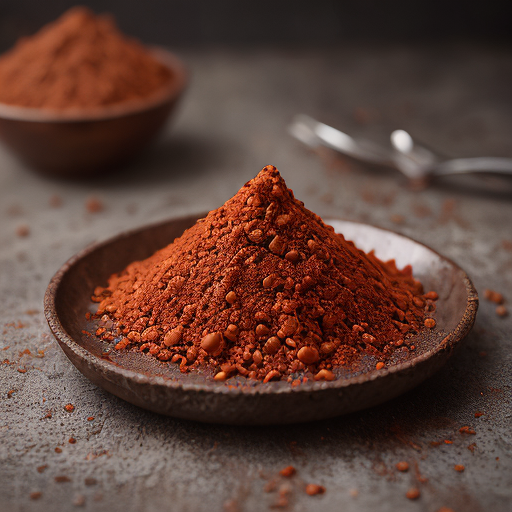
Paprika
Paprika, a emblematic spice brought to Europe by Christopher Columbus from the New World. Although associated with Hungarian cuisine, its origins are in Central America, where it was used by the Aztecs.
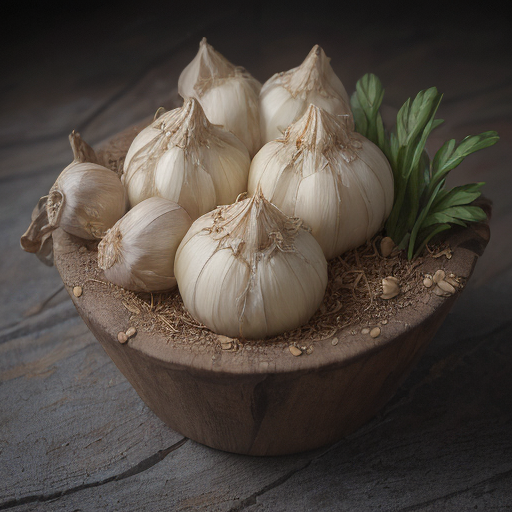
Garlic
Native to Central Asia, garlic was already known in ancient Egypt, where it was given to slaves to boost their strength. In ancient Greece, athletes consumed it before competitions, and in Rome, legionaries considered it essential for courage. During the Middle Ages, it was used to ward off vampires and the plague.