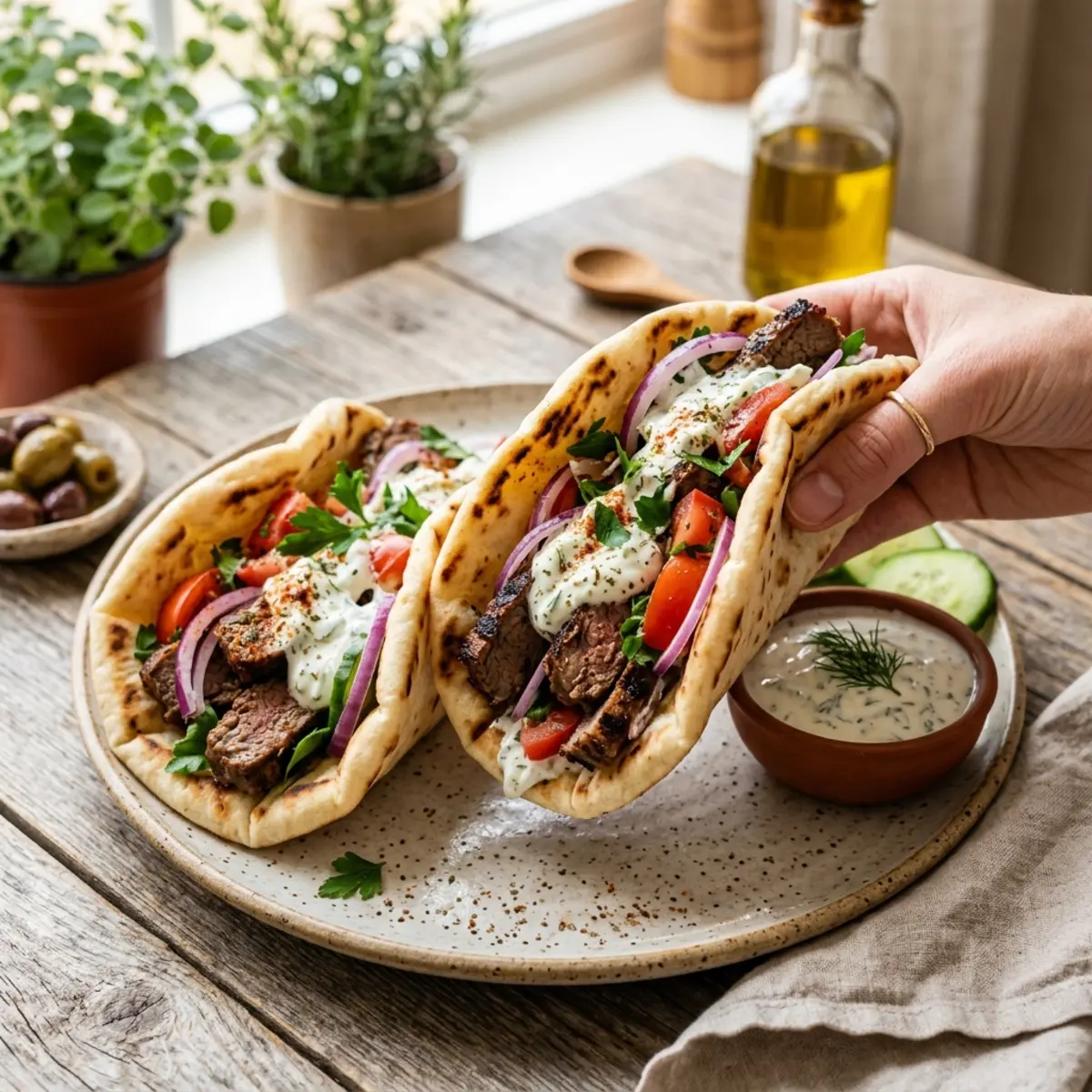
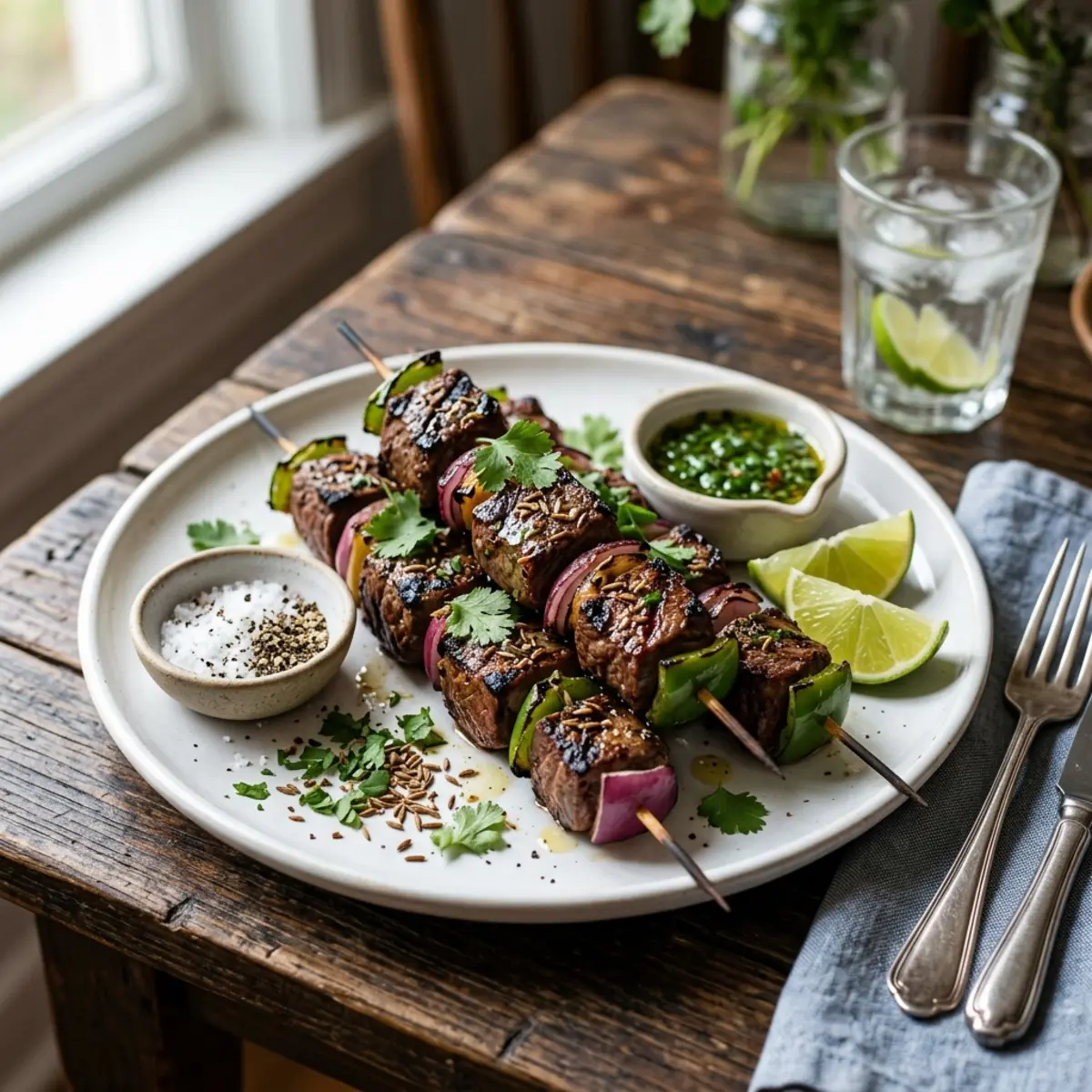
Air Fryer Beef Tenderloin Skewers with Lime and Cumin
Tender beef skewers marinated with lime, cumin, and honey, cooked quickly in the air fryer. A flavorful and juicy recipe, perfect for an easy dinner.
Steps
- 01
Cut the beef tenderloin into cubes of about 3 cm (1.2 in).
- 02
In a small bowl, mix sunflower oil, honey, oregano, cumin, lime juice, salt, and pepper to make the marinade.
- 03
Add the beef cubes to the marinade, cover the bowl, and refrigerate for at least 30 minutes. For best results, marinate for 4 hours or overnight.
- 04
Preheat the air fryer to 200°C (400°F).
- 05
Thread the beef cubes onto skewers (if using wooden skewers, soak them in water for 30 minutes beforehand to prevent burning).
- 06
Place the skewers in the air fryer basket in a single layer without overlapping. Cook for 8–10 minutes, turning halfway through.
- 07
Serve immediately, garnished with lime slices.
Recipe story
Beef skewers with lime and cumin originate from Levantine cuisine, where marinated meat cooked on skewers is an ancient tradition. In ancient Greece, similar dishes were offered to the gods, and in the 19th century, immigrants brought this technique to Latin America, where lime replaced lemon. Today, the recipe is reinterpreted in the air fryer for added speed.
Ingredient Secrets
Discover the culinary secrets and flavor history of key ingredients in this dish.
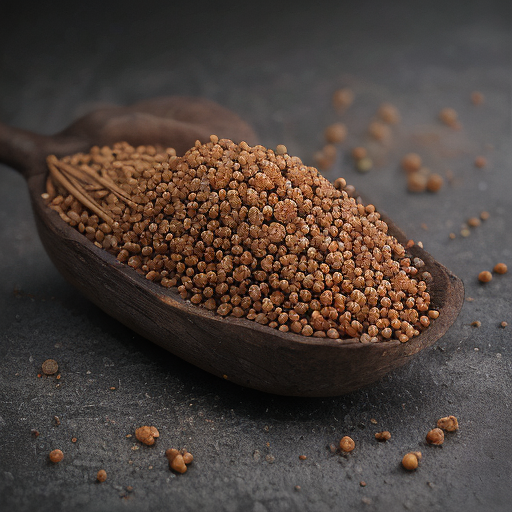
Black pepper
Known as 'black gold' in antiquity, pepper was so valuable that it served as currency and tribute. In the Middle Ages, Venetian merchants controlled the pepper trade, and individual peppercorns were often counted. Legend has it that when Alaric, king of the Visigoths, demanded tribute from Rome, he included 3,000 pounds of pepper.
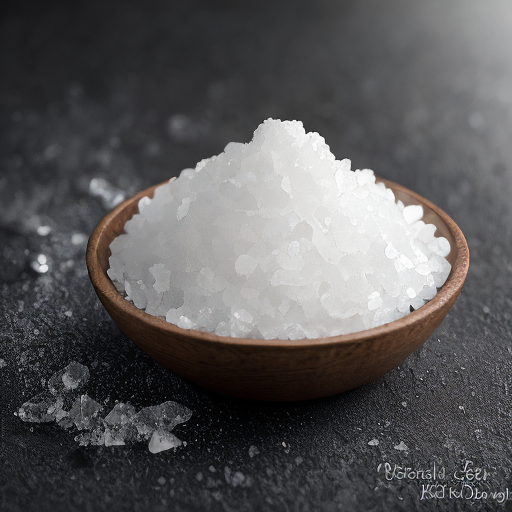
Sea salt
Sea salt, extracted from ocean waters by evaporation, was one of the most precious goods of antiquity, used both as food and as currency. In ancient Rome, soldiers were paid with salt, which is the origin of the word 'salary'. Salt roads connected entire civilizations, and in the Middle Ages, salt was so valuable it was called 'white gold'.
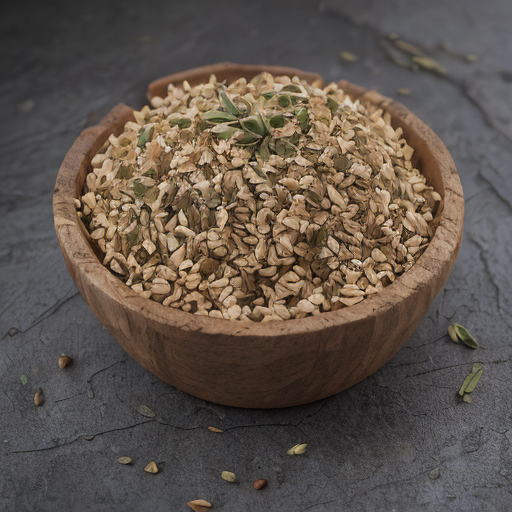
Oregano
Oregano, also known as 'mountain joy', was used by ancient Greeks as an antidote for poisons and a symbol of happiness. In the Middle Ages, it was planted on graves to ensure peace for the souls.
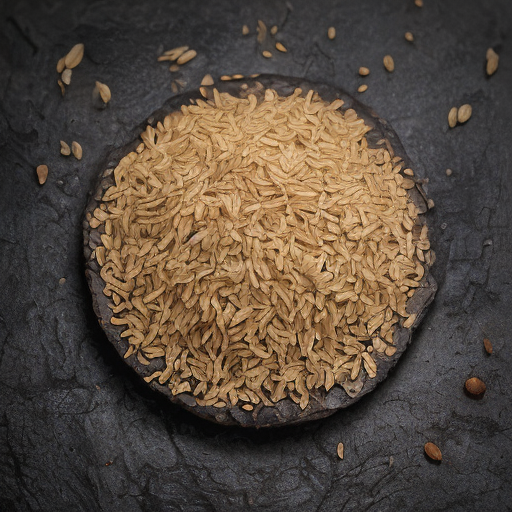
Cumin
Cumin, known since antiquity, was used by Egyptians for embalming and by Romans as a digestive. In the Middle Ages, it was believed to ward off evil spirits, and merchants transported it along the Silk Road from the East to Europe.
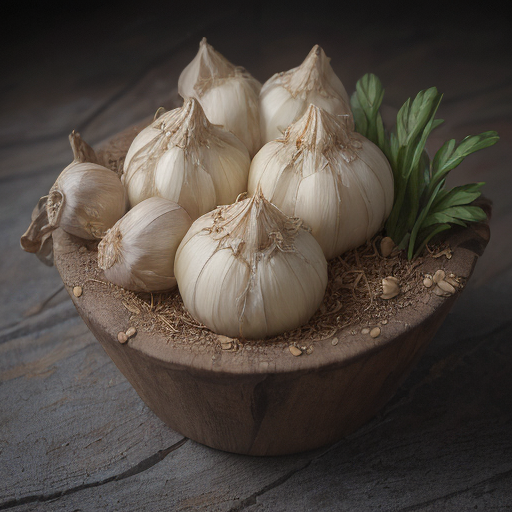
Garlic
Native to Central Asia, garlic was already known in ancient Egypt, where it was given to slaves to boost their strength. In ancient Greece, athletes consumed it before competitions, and in Rome, legionaries considered it essential for courage. During the Middle Ages, it was used to ward off vampires and the plague.
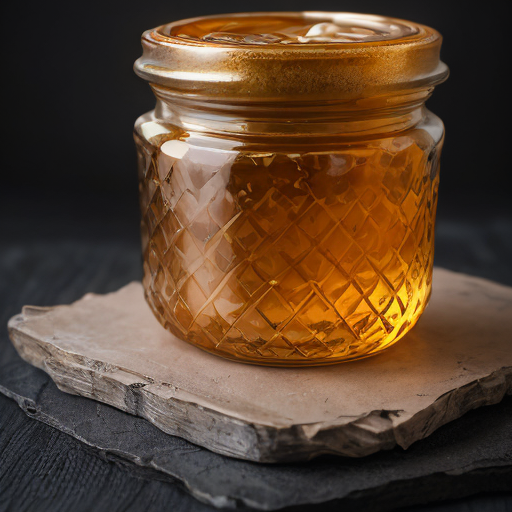
Honey
Honey is one of the oldest sweet foods, used since the Stone Age. In ancient Egypt, it was offered to the gods and used in embalming. In ancient Greece, it was considered the food of the gods, and in Rome, it was used as medicine and preservative. During the Middle Ages, honey was the main sweetener in Europe before sugar.
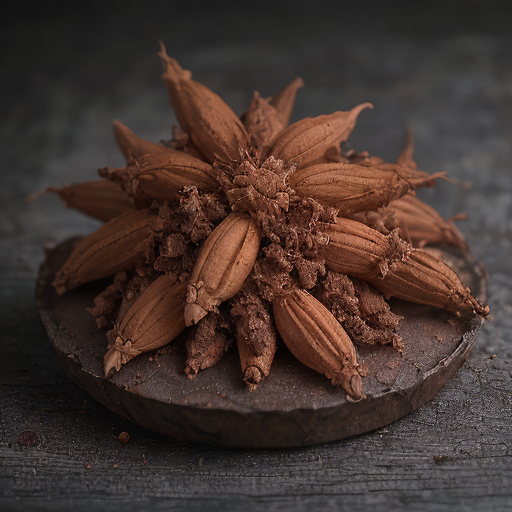
Cloves
Cloves, the dried buds of the exotic Syzygium aromaticum tree, were one of the most prized spices of the ancient world, often called 'aromatic gold'. In the Middle Ages, Venetian merchants controlled the clove trade, bringing them from the Maluku Islands, the only place they grew, and selling them at exorbitant prices in Europe.