Air Fryer Beef Rib Roast – Perfect Medium-Rare, Bone-In
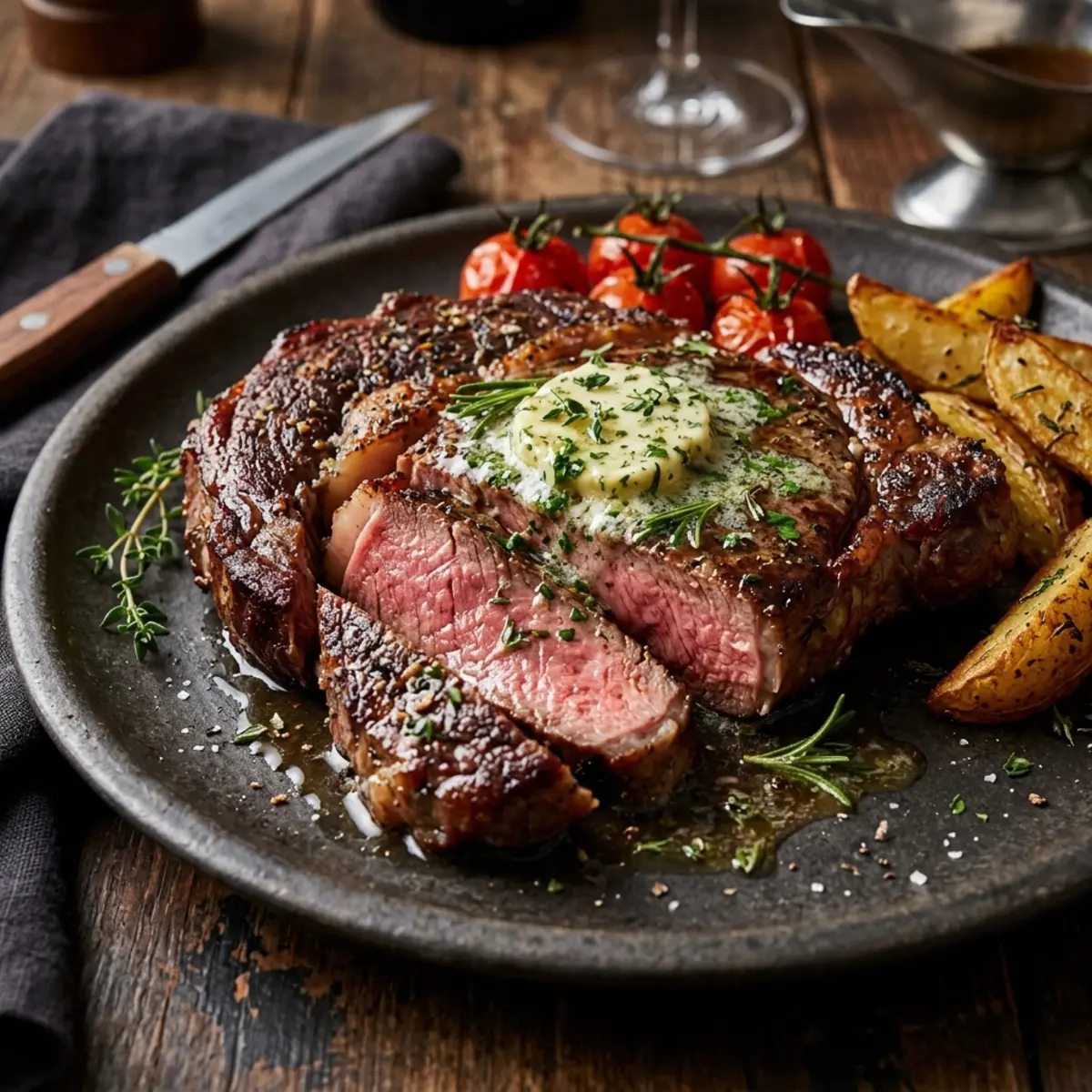
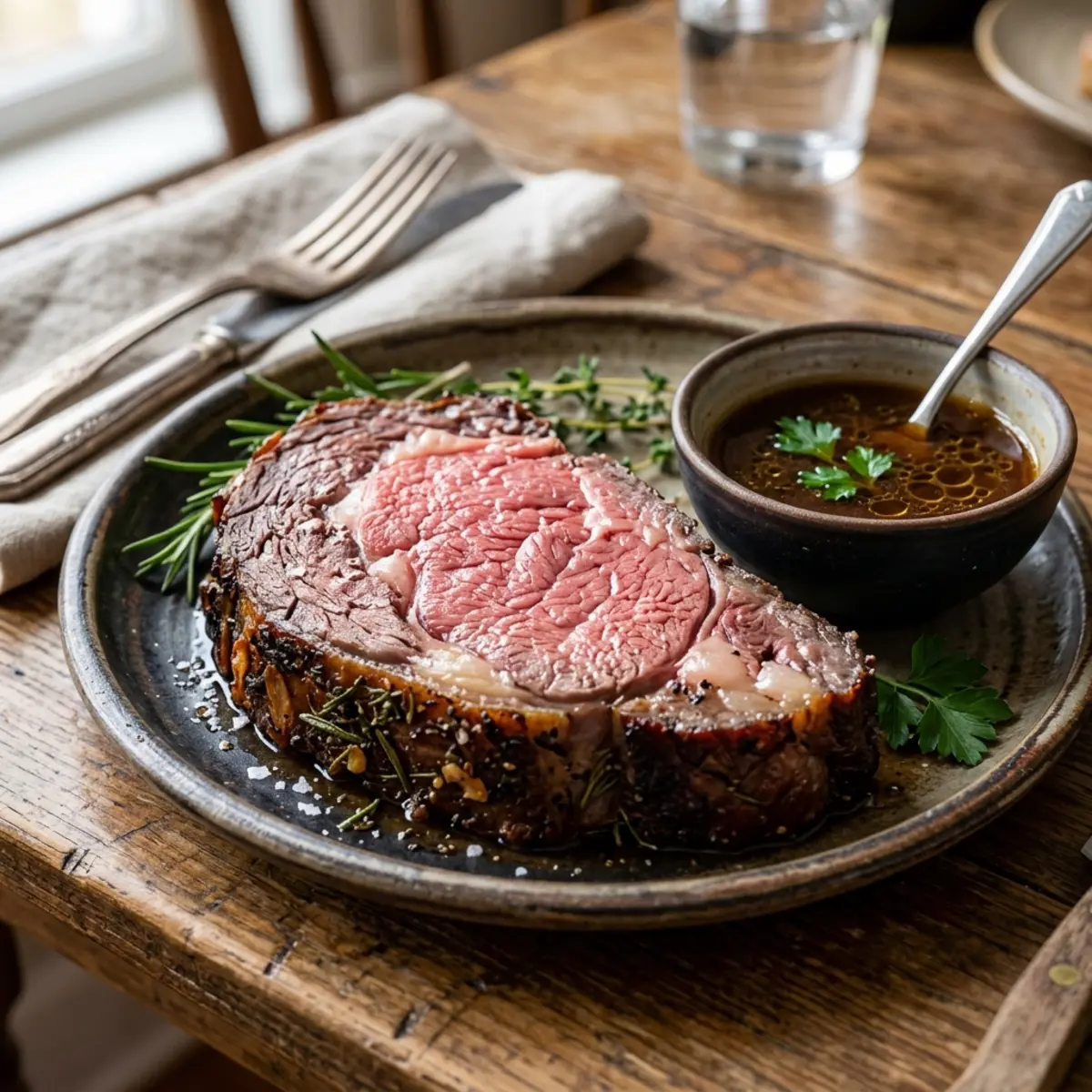
A delicious bone-in beef rib roast cooked in the air fryer, resulting in a perfect crust and a juicy medium-rare interior.
Steps
- 01
Preheat the air fryer to 200°C (390°F).
- 02
Generously coat the rib roast with olive oil, then season evenly with salt, pepper, smoked paprika, and garlic powder.
- 03
Sprinkle the minced garlic over the meat, then place the rosemary and thyme sprigs on top.
- 04
Carefully place the roast in the air fryer basket and cook for 20 minutes to form a crust.
- 05
Without removing the meat, reduce the temperature to 160°C (315°F) and continue cooking for another 55 minutes, or until the internal temperature reaches 54°C (130°F) for medium-rare.
- 06
Let the roast rest for 20–30 minutes before slicing and serving.
Recipe story
Beef rib roast has its origins in European culinary traditions, particularly in French and English noble kitchens. In the Middle Ages, large roasts were cooked over open fires in castles, and the technique of cooking meat on the bone was perfected by French butchers. The recipe has evolved over centuries, and today the air fryer offers a modern method to achieve the same crust and juiciness.
Ingredient Secrets
Discover the culinary secrets and flavor history of key ingredients in this dish.
Black pepper
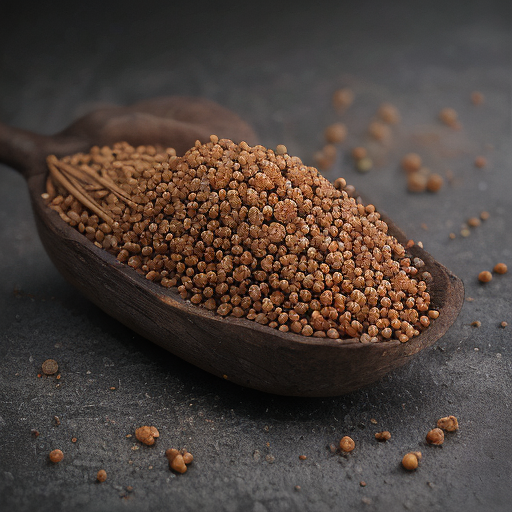
Known as 'black gold' in antiquity, pepper was so valuable that it served as currency and tribute. In the Middle Ages, Venetian merchants controlled the pepper trade, and individual peppercorns were often counted. Legend has it that when Alaric, king of the Visigoths, demanded tribute from Rome, he included 3,000 pounds of pepper.
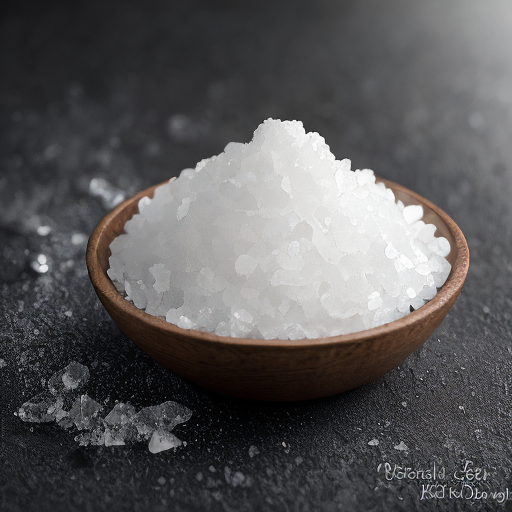
Sea salt
Sea salt, extracted from ocean waters by evaporation, was one of the most precious goods of antiquity, used both as food and as currency. In ancient Rome, soldiers were paid with salt, which is the origin of the word 'salary'. Salt roads connected entire civilizations, and in the Middle Ages, salt was so valuable it was called 'white gold'.
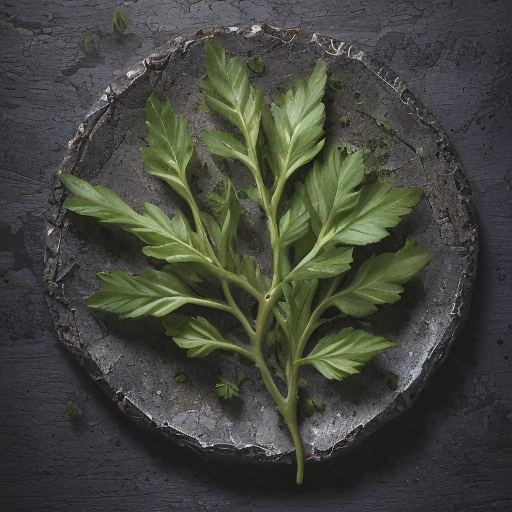
Thyme
In ancient Rome, thyme was burned in temples to purify the air and ward off evil spirits, and Roman soldiers added it to their baths to strengthen their courage. In the Middle Ages, noble ladies embroidered thyme on knights' scarves as a symbol of bravery. The ancient Greeks used it in baths and temples, and its name derives from the Greek 'thymos', meaning 'courage'.
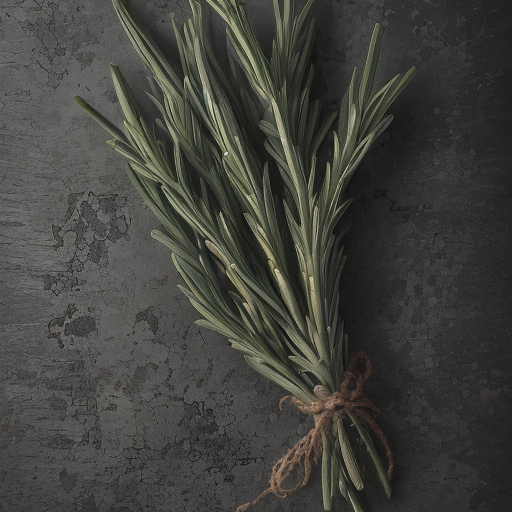
Rosemary
In ancient Rome, rosemary was a symbol of remembrance and fidelity, used in bridal crowns and funeral rites. Legend says that the goddess Venus, emerging from the sea waves, created rosemary.
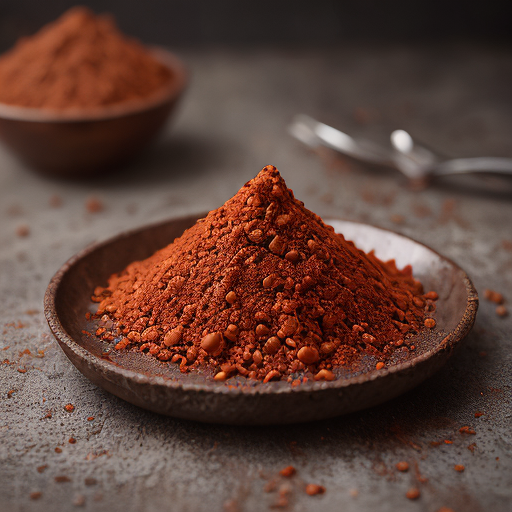
Paprika
Paprika, a emblematic spice brought to Europe by Christopher Columbus from the New World. Although associated with Hungarian cuisine, its origins are in Central America, where it was used by the Aztecs.
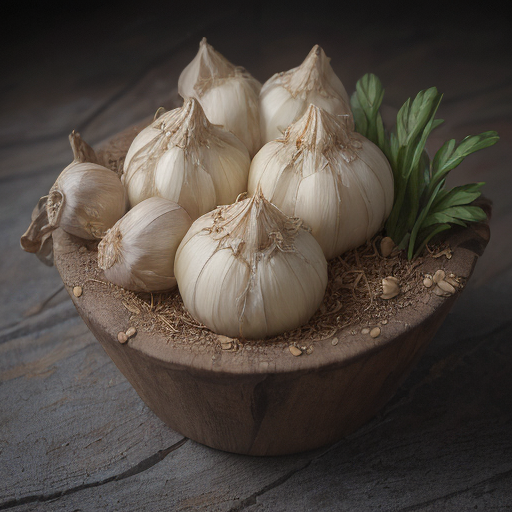
Garlic
Native to Central Asia, garlic was already known in ancient Egypt, where it was given to slaves to boost their strength. In ancient Greece, athletes consumed it before competitions, and in Rome, legionaries considered it essential for courage. During the Middle Ages, it was used to ward off vampires and the plague.
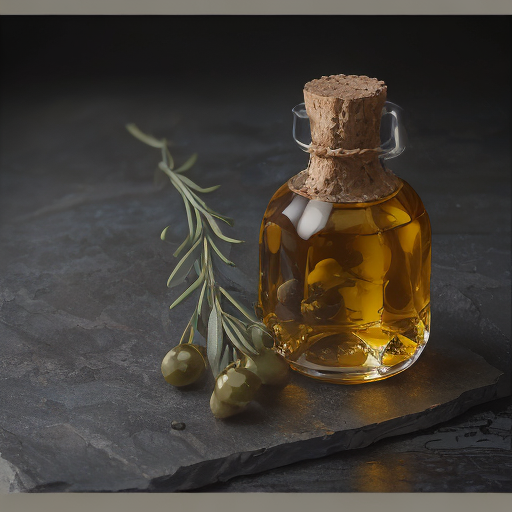
Olive oil
Originating in the Mediterranean basin, olive oil was already produced in ancient Crete 5,000 years ago. In ancient Greece, it was considered a gift from Athena and used in lamps, cosmetics, and religious ceremonies. The Romans spread it throughout the empire, and in the Middle Ages, monasteries preserved the tradition of its production.