Air Fryer Apple Fritters
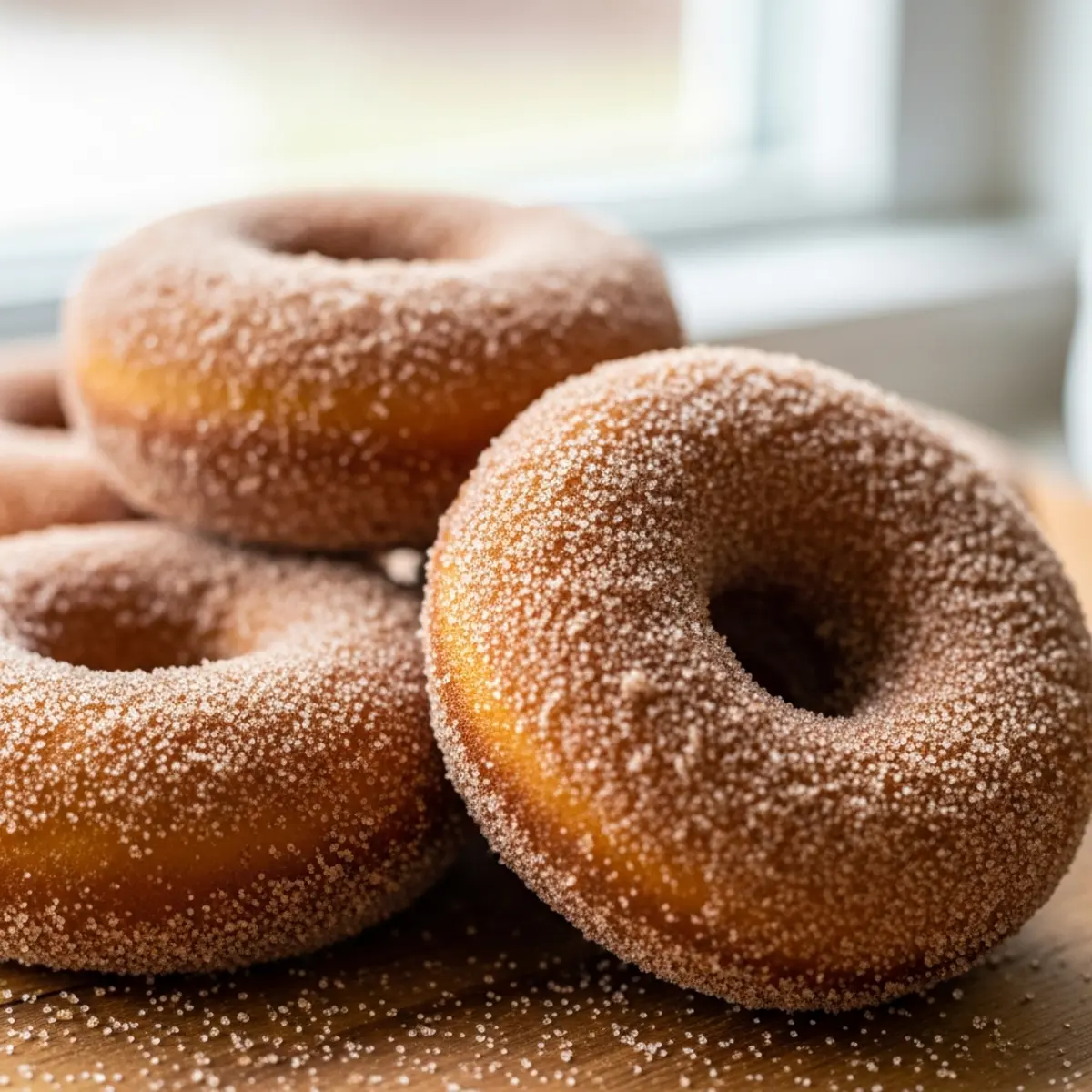
Steps
- 01
Preheat air fryer to 200°C (400°F) for 5 minutes.
- 02
In a bowl, mix flour, sugar, baking powder, cinnamon, and salt.
- 03
Add eggs, milk, and vanilla. Mix until smooth batter forms.
- 04
Fold in diced apples.
- 05
Spray the hot air fryer basket with nonstick spray.
- 06
Drop ¼ cup portions of batter into the basket, leaving 2 inches (5 cm) space between.
- 07
Cook for 5 minutes. Open, flip, and cook 2 more minutes until golden.
- 08
For glaze: melt butter in a saucepan. Let cool slightly, then whisk in powdered sugar and 1 tablespoon milk to thin.
- 09
Drizzle glaze over fritters and serve.
Recipe story
Apple fritters are a beloved treat in many cultures, with roots in German and Austrian cuisine where apples and cinnamon are combined in simple pastries. This recipe adapts the classic for the air fryer, keeping the fluffy texture and warm cinnamon flavor.
Ingredient Secrets
Discover the culinary secrets and flavor history of key ingredients in this dish.
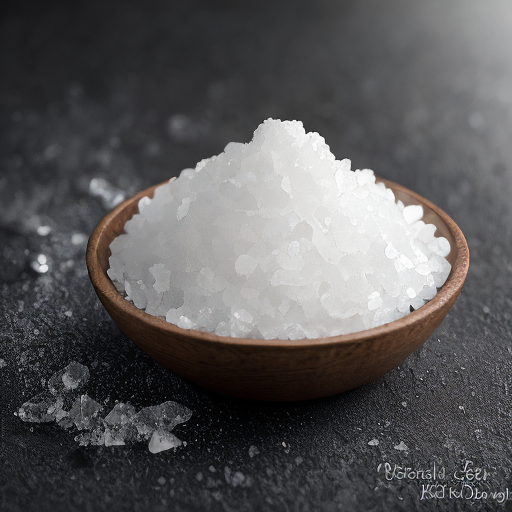
Sea salt
Sea salt, extracted from ocean waters by evaporation, was one of the most precious goods of antiquity, used both as food and as currency. In ancient Rome, soldiers were paid with salt, which is the origin of the word 'salary'. Salt roads connected entire civilizations, and in the Middle Ages, salt was so valuable it was called 'white gold'.
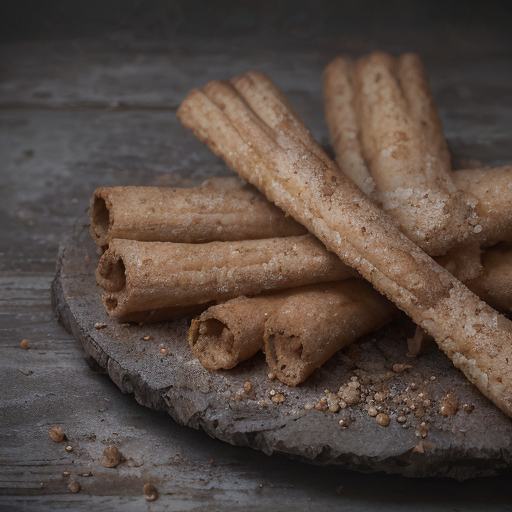
Cinnamon
In ancient Rome, cinnamon was more precious than gold, used in sacred rituals and royal perfumes. Legends told of fabulous birds called cinnamologus that built their nests from cinnamon sticks on inaccessible cliff tops. The cinnamon trade was long shrouded in mystery, with Arab merchants inventing fantastic stories to protect their sources.
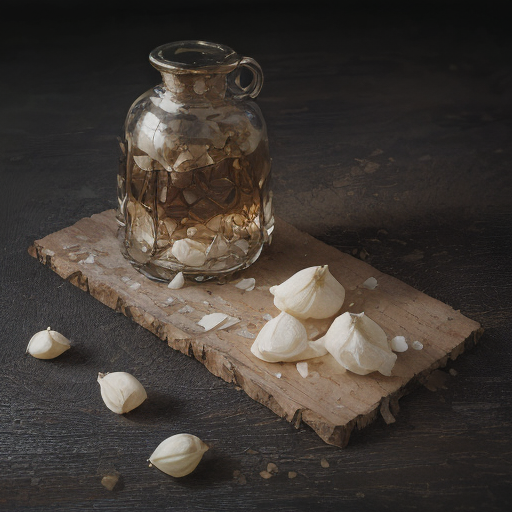
Vanilla
Vanilla, native to Mexico, was discovered by Spanish conquistadors who brought it to Europe in the 16th century. In Aztec culture, vanilla was used to flavor a royal cocoa drink. For centuries, hand-pollination was a closely guarded secret, and it wasn't until 1841 that a 12-year-old slave on Réunion discovered the method that allowed widespread cultivation.
You may also like
 Breakfast
Air Fryer Grilled Cheese – Quick 7-Minute Recipe
 Breakfast
Frozen Waffles in Air Fryer – Quick and Crispy Breakfast
 Breakfast
Air Fryer Toast – Quick and Crispy Recipe
 Breakfast
Fluffy Scrambled Eggs in Air Fryer – Quick Breakfast
 Breakfast
Crispy Air Fryer Bacon – Quick Recipe (10 min)
 Breakfast