Vegetarian Pumpkin and Feta Casserole in Air Fryer
A quick and hearty vegetarian casserole with tender pumpkin, creamy feta cheese, and chickpeas, all perfectly cooked in the air fryer.
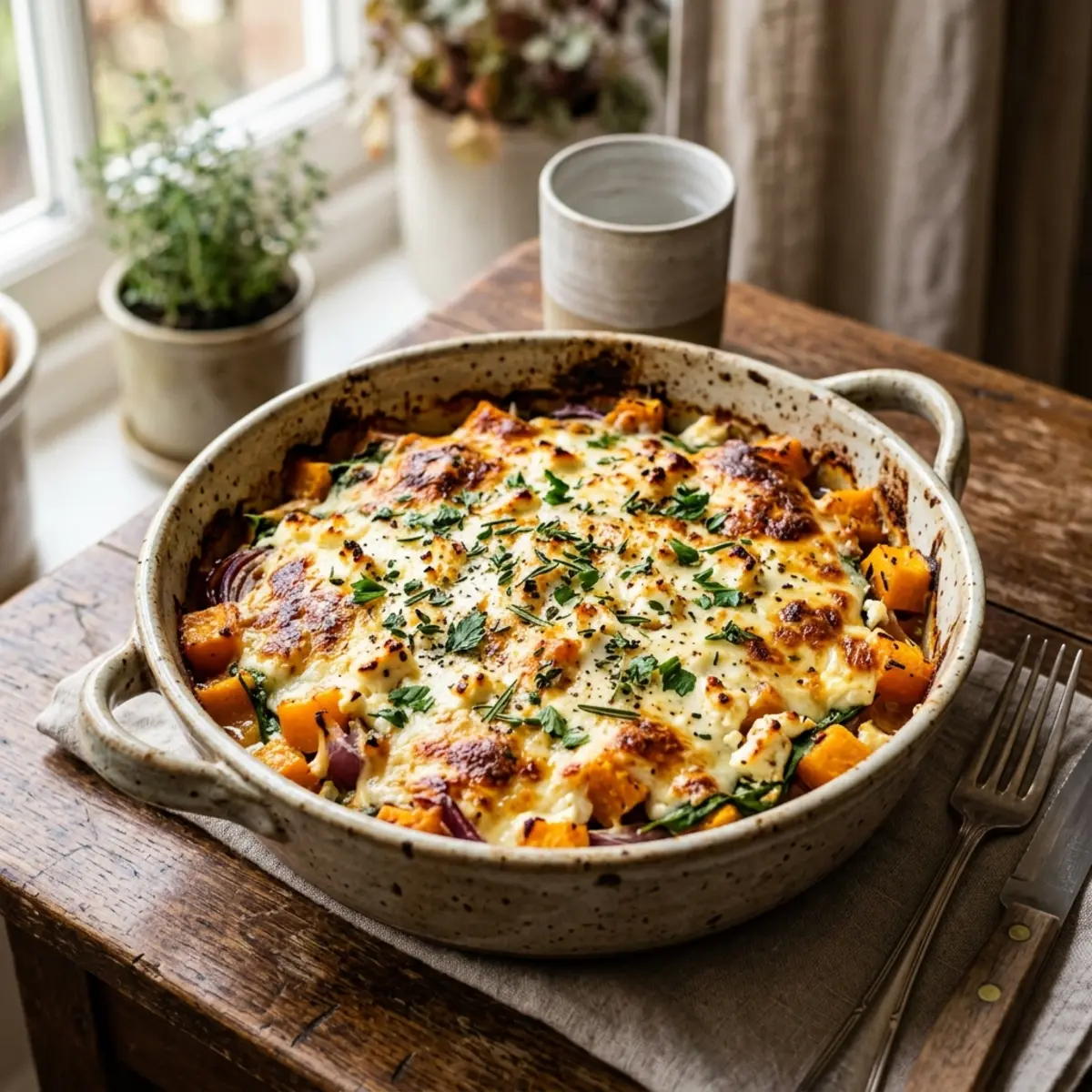
Steps
- 01
Peel the potatoes and cut them into small cubes.
- 02
Slice the red onion into half rings.
- 03
Drain the chickpeas in a sieve and rinse briefly with cold water.
- 04
In a large bowl, mix the pumpkin cubes, potatoes, onion, chickpeas, cumin, thyme, paprika, and a drizzle of olive oil. Stir well, then transfer everything to the air fryer basket. Cook at 180°C (350°F) for 20-25 minutes, shaking the basket halfway through.
- 05
Sprinkle the crumbled feta cheese over the cooked vegetables, then cook in the air fryer for another 10 minutes until the cheese is lightly golden.
- 06
Serve the casserole hot, directly on plates, optionally with fresh herbs or a yogurt sauce.
Recipe story
The pumpkin and feta casserole is a modern twist on traditional Mediterranean dishes, where pumpkin and feta cheese are common ingredients. Feta, a salty cheese from Greece, has been used for centuries in salads and pies. Chickpeas add protein and texture, a staple in Middle Eastern cuisine. This combination has become popular in vegetarian recipes due to its balanced flavors and ease of preparation.
Ingredient Secrets
Discover the culinary secrets and flavor history of key ingredients in this dish.
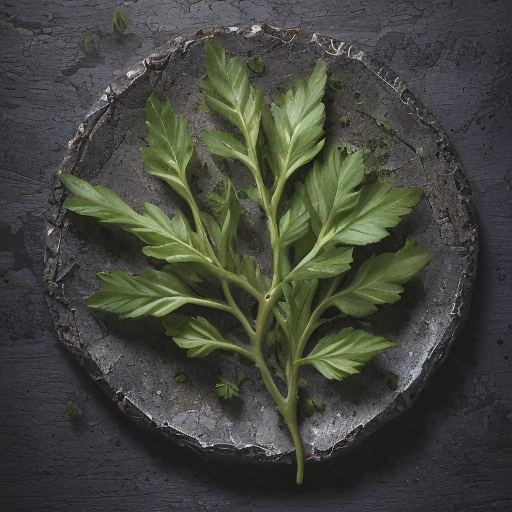
Thyme
In ancient Rome, thyme was burned in temples to purify the air and ward off evil spirits, and Roman soldiers added it to their baths to strengthen their courage. In the Middle Ages, noble ladies embroidered thyme on knights' scarves as a symbol of bravery. The ancient Greeks used it in baths and temples, and its name derives from the Greek 'thymos', meaning 'courage'.
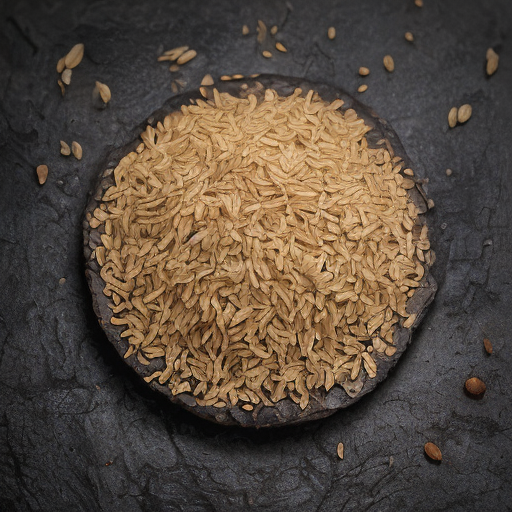
Cumin
Cumin, known since antiquity, was used by Egyptians for embalming and by Romans as a digestive. In the Middle Ages, it was believed to ward off evil spirits, and merchants transported it along the Silk Road from the East to Europe.
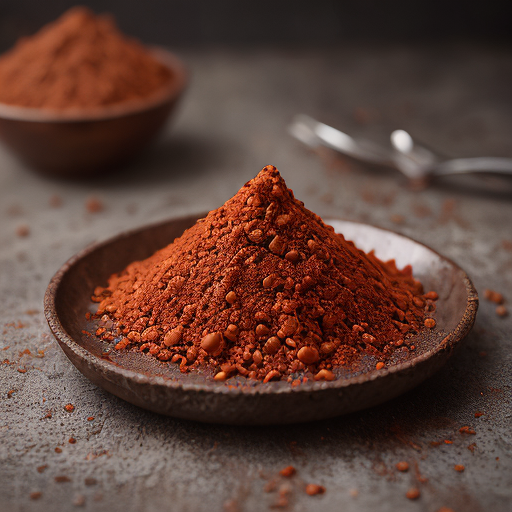
Paprika
Paprika, a emblematic spice brought to Europe by Christopher Columbus from the New World. Although associated with Hungarian cuisine, its origins are in Central America, where it was used by the Aztecs.
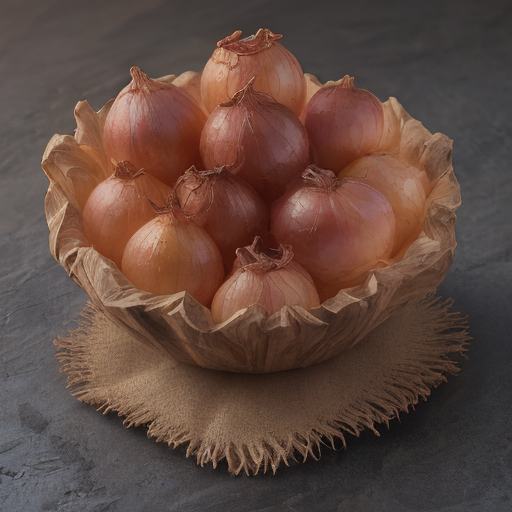
Onion
Probably originating in Central or West Asia, onions were cultivated in ancient Egypt, where they were considered a symbol of eternity and placed in tombs. In ancient Greece, athletes ate them to balance their blood, and in Rome, they were a staple food for soldiers. During the Middle Ages, onions were believed to protect against arrows and the plague.
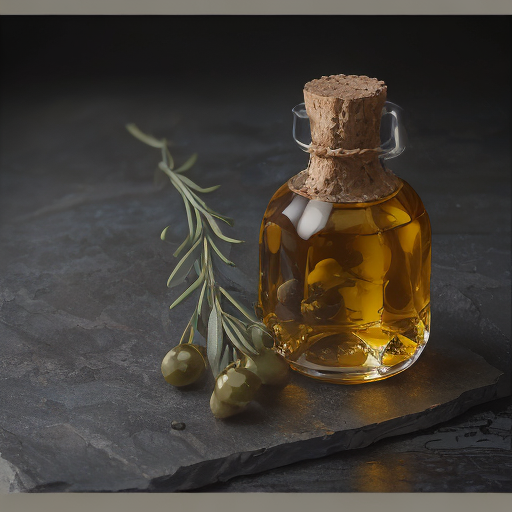
Olive oil
Originating in the Mediterranean basin, olive oil was already produced in ancient Crete 5,000 years ago. In ancient Greece, it was considered a gift from Athena and used in lamps, cosmetics, and religious ceremonies. The Romans spread it throughout the empire, and in the Middle Ages, monasteries preserved the tradition of its production.
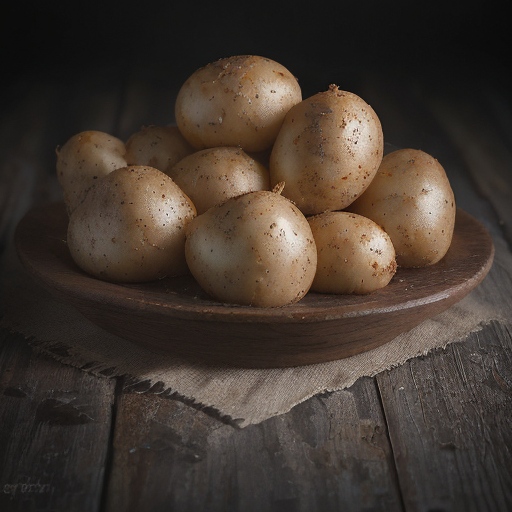
Potato
Although today it seems indispensable on the table, the potato was long viewed with suspicion in Europe. Arriving from the Andes in the 16th century, it was considered a diabolical plant, even poisonous, due to its toxic leaves and fruits. It wasn't until the 18th century, thanks to promoters like Antoine-Augustin Parmentier, that the potato became a staple food, saving Europe from famine.
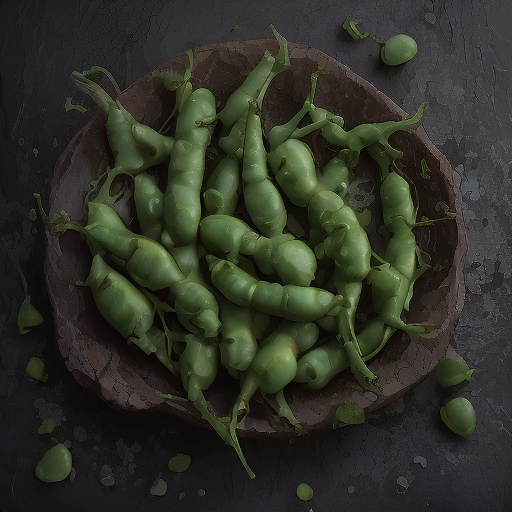
Peas
Peas are one of the oldest cultivated vegetables, with archaeological evidence in Neolithic sites from the Middle East. In the Middle Ages, dried peas were a staple food across Europe, and in the 16th century, the sweet garden pea was developed in Italy. Fun fact: peas were among the first vegetables to be frozen commercially, in the 1920s.
You may also like
 Misc
MiscAir Fryer S'mores – Quick Campfire Treat Without Fire
 Misc
MiscHow to Reheat Frikandellen in Air Fryer: Quick and Crispy Recipe
 Misc
MiscHow to Reheat Chicken in Air Fryer (Crispy and Juicy)
 Misc
MiscCrispy Reheated Chicken Pieces in Air Fryer
 Misc
MiscStuffed Bell Pepper with Mozzarella in Air Fryer
 Misc
Misc