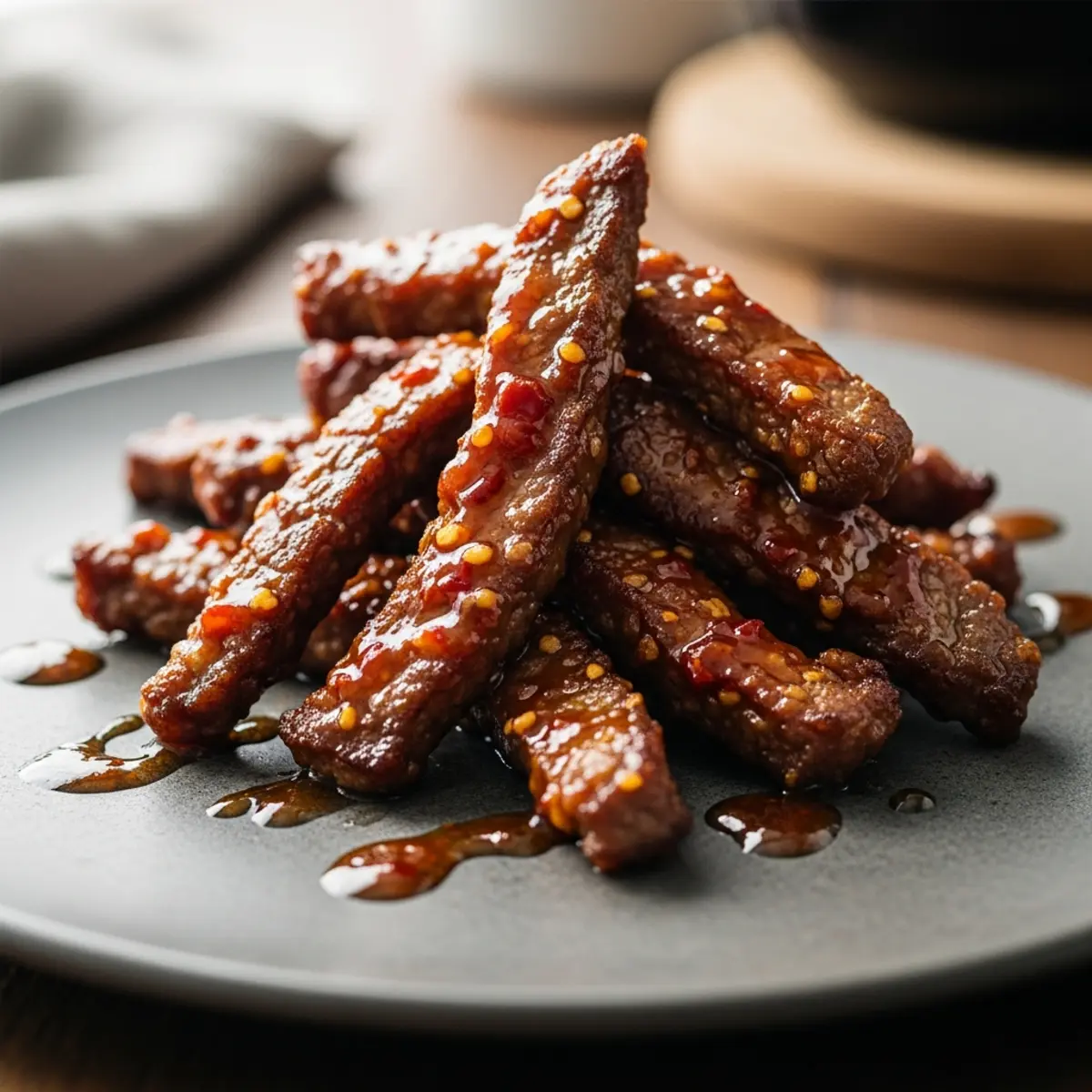
Spicy Crispy Beef in Air Fryer
A quick and flavorful recipe for crispy beef cooked in an air fryer, with a sweet and spicy sauce, perfect for an authentic Asian dinner.
Steps
- 01
Mix the marinade ingredients (soy sauce, sesame oil, powdered sugar, and five-spice powder) in a bowl. Add the beef strips and marinate, ideally up to 24 hours.
- 02
Sprinkle cornstarch over the meat and mix well. Drizzle with a little vegetable oil. Preheat the air fryer to 200°C (400°F).
- 03
Place the meat in the air fryer basket and cook for 6 minutes, then turn and cook another 4-6 minutes until crispy.
- 04
Meanwhile, heat 2 tablespoons of vegetable oil in a wok or large pan. Stir-fry garlic, sliced ginger, chili pepper, bell pepper strips, and white parts of green onions for 2-3 minutes.
- 05
Add rice vinegar, soy sauce, sweet chili sauce, and ketchup. Stir and cook for 1 more minute.
- 06
Pour the crispy beef from the air fryer into the wok and mix well with the sauce. Cook for 1 more minute, then serve immediately, sprinkled with the green parts of the onions.
Recipe story
This spicy crispy beef air fryer recipe draws from the culinary traditions of Southeast Asia, where beef was quickly cooked in hot woks to retain juiciness and add contrasting textures. Legend has it that a Thai imperial court chef discovered the perfect balance of sweet, sour, and spicy, which later became popular throughout the region. The air fryer adaptation preserves the crispy essence while reducing oil usage.
Ingredient Secrets
Discover the culinary secrets and flavor history of key ingredients in this dish.
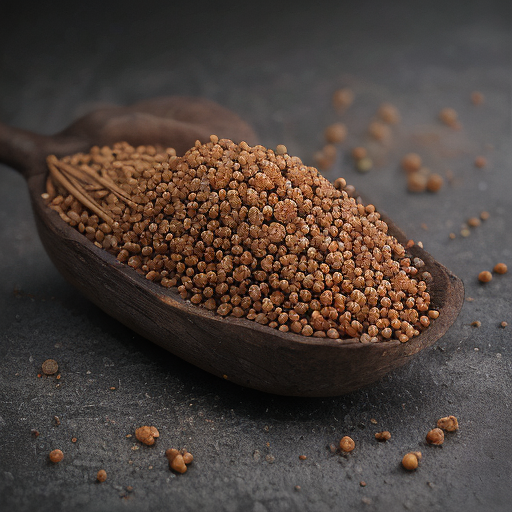
Black pepper
Known as 'black gold' in antiquity, pepper was so valuable that it served as currency and tribute. In the Middle Ages, Venetian merchants controlled the pepper trade, and individual peppercorns were often counted. Legend has it that when Alaric, king of the Visigoths, demanded tribute from Rome, he included 3,000 pounds of pepper.
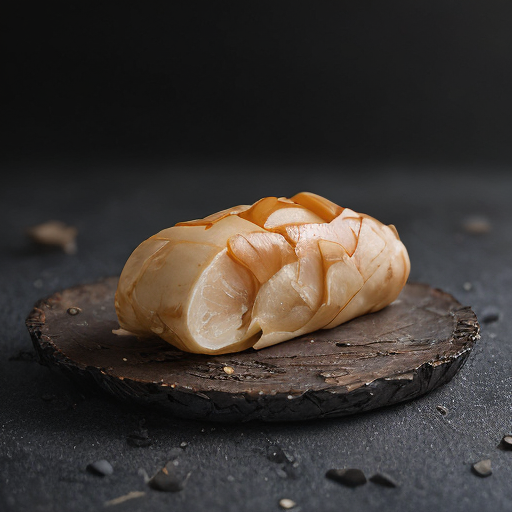
Ginger
Ginger, known since antiquity, was one of the first spices brought along the Silk Road, so precious that a kilogram of ginger was worth a sheep in medieval Europe.
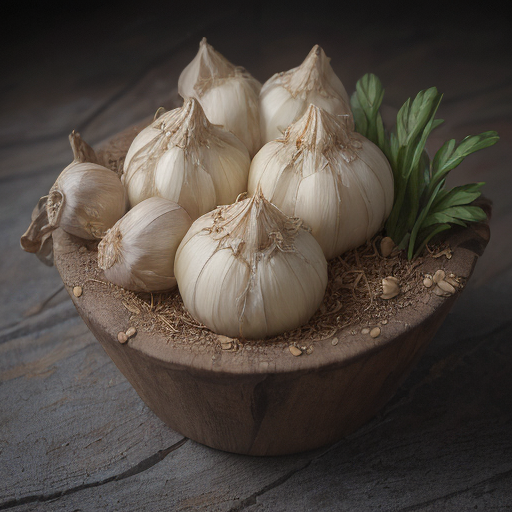
Garlic
Native to Central Asia, garlic was already known in ancient Egypt, where it was given to slaves to boost their strength. In ancient Greece, athletes consumed it before competitions, and in Rome, legionaries considered it essential for courage. During the Middle Ages, it was used to ward off vampires and the plague.
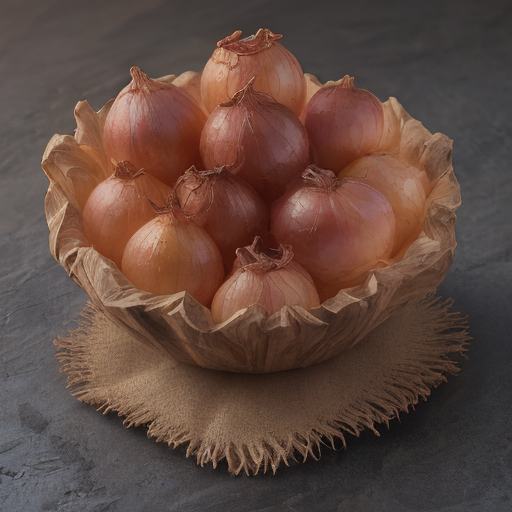
Onion
Probably originating in Central or West Asia, onions were cultivated in ancient Egypt, where they were considered a symbol of eternity and placed in tombs. In ancient Greece, athletes ate them to balance their blood, and in Rome, they were a staple food for soldiers. During the Middle Ages, onions were believed to protect against arrows and the plague.
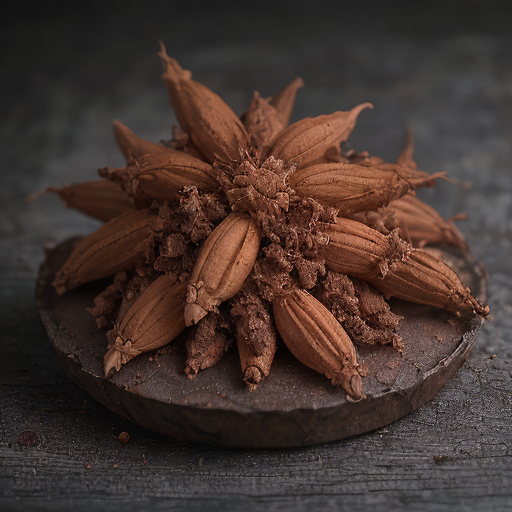
Cloves
Cloves, the dried buds of the exotic Syzygium aromaticum tree, were one of the most prized spices of the ancient world, often called 'aromatic gold'. In the Middle Ages, Venetian merchants controlled the clove trade, bringing them from the Maluku Islands, the only place they grew, and selling them at exorbitant prices in Europe.
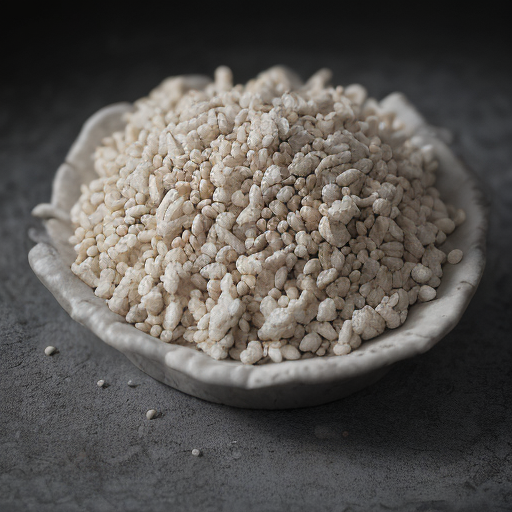
Sesame
In Assyrian mythology, the gods drank sesame wine on the night before the creation of the world, and in ancient Rome, sesame seeds were sprinkled on soldiers' bread to give them strength. In the Middle Ages, sesame was considered a magical food capable of boosting vitality. Today, it is valued for its oil rich in essential fatty acids.
You may also like
 Misc
MiscAir Fryer S'mores – Quick Campfire Treat Without Fire
 Misc
MiscHow to Reheat Frikandellen in Air Fryer: Quick and Crispy Recipe
 Misc
MiscHow to Reheat Chicken in Air Fryer (Crispy and Juicy)
 Misc
MiscCrispy Reheated Chicken Pieces in Air Fryer
 Misc
MiscStuffed Bell Pepper with Mozzarella in Air Fryer
 Misc
Misc