Savory Bacon and Cheese Pudding in Air Fryer
A fluffy, savory pudding with crispy bacon and melted cheese, cooked quickly in the air fryer.

Steps
- 01
Preheat the air fryer to 180°C (350°F).
- 02
In a bowl, whisk together eggs, milk, mustard, salt, and pepper.
- 03
Add bread cubes and mix well to soak. Let sit for 5 minutes.
- 04
Fry bacon in a pan until crispy. Drain on paper towels.
- 05
Fold bacon and half of the grated cheese into the bread mixture.
- 06
Pour the mixture into a dish suitable for the air fryer (greased or silicone).
- 07
Sprinkle remaining cheese on top.
- 08
Cook in the air fryer at 180°C (350°F) for 15–20 minutes, until golden and puffy.
- 09
Let cool for a few minutes, sprinkle green onion if desired, and serve warm.
Recipe story
Savory bread pudding with bacon and cheese is a modern twist on the traditional British 'bread and butter pudding' turned savory. Originating in 18th century England, this dish was created by housewives to use stale bread, combining it with eggs, milk, and cheese. The bacon version gained popularity in the United States in the 20th century, adapted for quick cooking in the air fryer.
Ingredient Secrets
Discover the culinary secrets and flavor history of key ingredients in this dish.
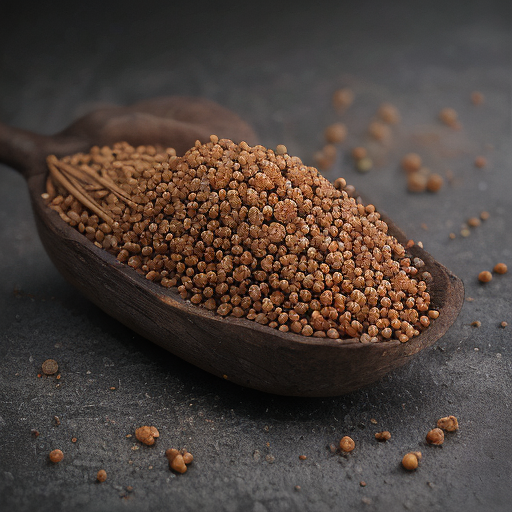
Black pepper
Known as 'black gold' in antiquity, pepper was so valuable that it served as currency and tribute. In the Middle Ages, Venetian merchants controlled the pepper trade, and individual peppercorns were often counted. Legend has it that when Alaric, king of the Visigoths, demanded tribute from Rome, he included 3,000 pounds of pepper.
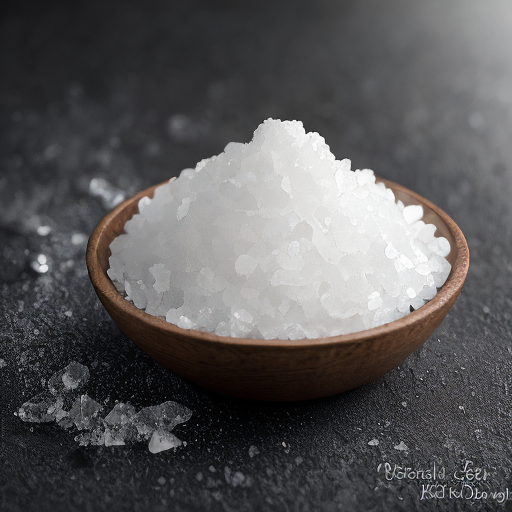
Sea salt
Sea salt, extracted from ocean waters by evaporation, was one of the most precious goods of antiquity, used both as food and as currency. In ancient Rome, soldiers were paid with salt, which is the origin of the word 'salary'. Salt roads connected entire civilizations, and in the Middle Ages, salt was so valuable it was called 'white gold'.
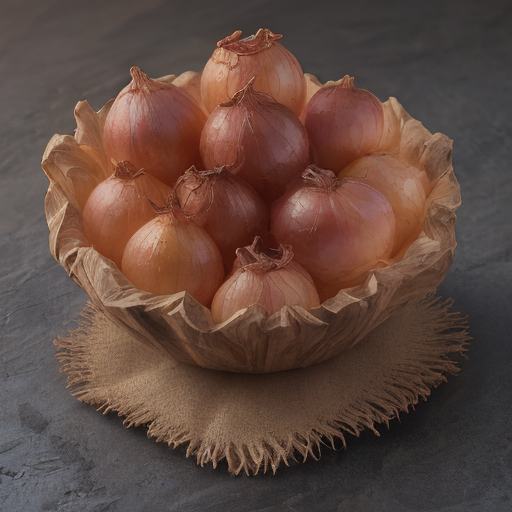
Onion
Probably originating in Central or West Asia, onions were cultivated in ancient Egypt, where they were considered a symbol of eternity and placed in tombs. In ancient Greece, athletes ate them to balance their blood, and in Rome, they were a staple food for soldiers. During the Middle Ages, onions were believed to protect against arrows and the plague.

Mint
In ancient Rome, mint was so valued that students wore wreaths of its leaves to stimulate their minds, and guests received fresh sprigs as a sign of hospitality. Legend has it that the goddess Minerva transformed the nymph Mentha into a fragrant plant, giving birth to mint.
You may also like
 Misc
MiscAir Fryer S'mores – Quick Campfire Treat Without Fire
 Misc
MiscHow to Reheat Frikandellen in Air Fryer: Quick and Crispy Recipe
 Misc
MiscHow to Reheat Chicken in Air Fryer (Crispy and Juicy)
 Misc
MiscCrispy Reheated Chicken Pieces in Air Fryer
 Misc
MiscStuffed Bell Pepper with Mozzarella in Air Fryer
 Misc
Misc