Risotto with Vegetables and Stuffed Chicken Thighs in Air Fryer
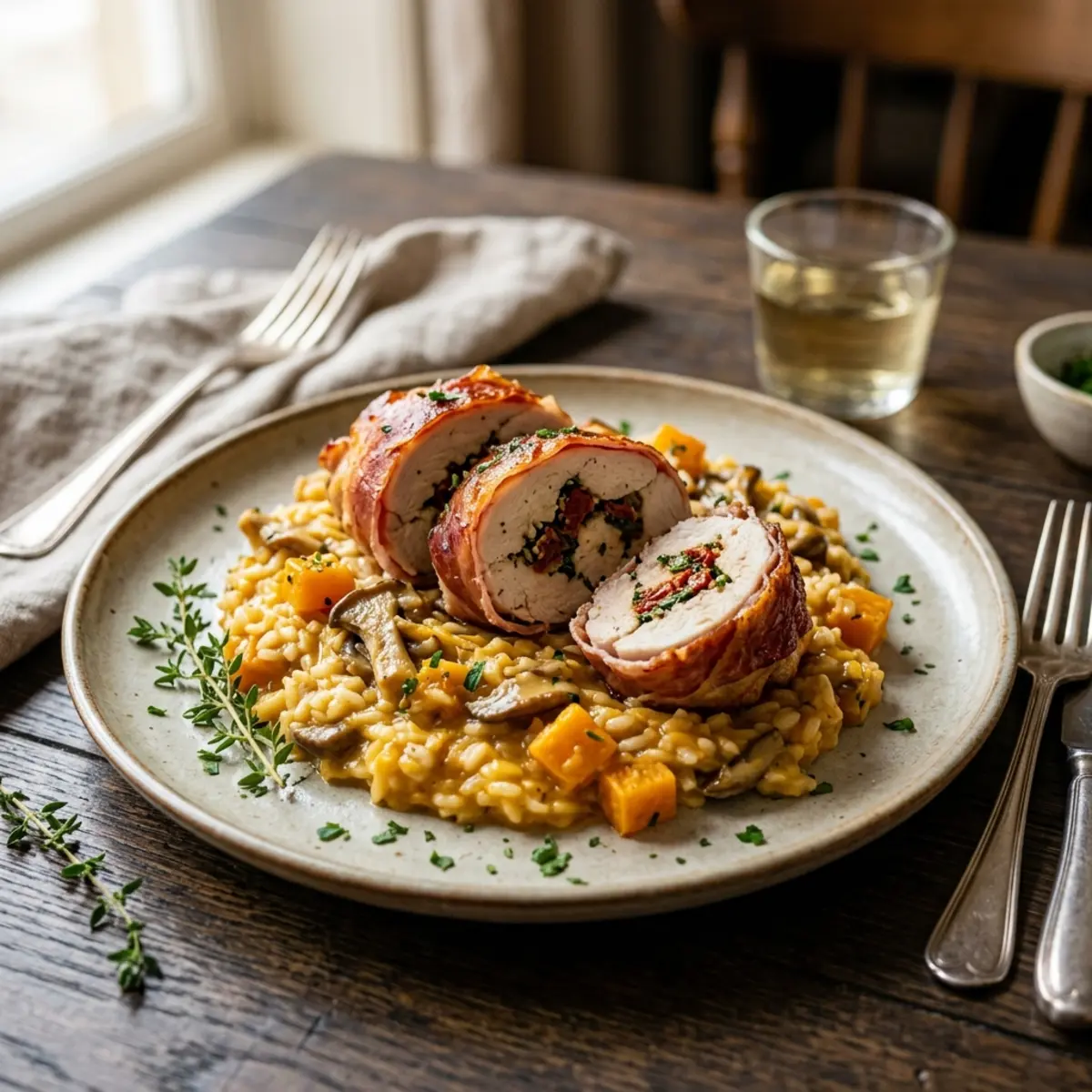
A creamy risotto with butternut squash, mushrooms, and peas, served with chicken thighs stuffed with sun-dried tomatoes and oregano, wrapped in Parma ham, all cooked in the Air Fryer.
Steps
- 01
Preheat the Air Fryer to 200°C (400°F). Note that cooking times may vary depending on the model.
- 02
Peel and finely chop the onion. Peel the butternut squash and cut into small cubes. Tear the mushrooms into bite-sized pieces. Heat a drizzle of oil in the Air Fryer tray, then add the onion, squash, mushrooms, and risotto rice. Cook for about 10 minutes, stirring occasionally.
- 03
Pour in half the white wine and half the chicken broth, then add all the thyme sprigs. Stir well and cook the risotto for another 15 minutes.
- 04
Place the chicken thighs on a plate, skin side down. Finely chop the sun-dried tomatoes and mix with the dried oregano. Spread this mixture over the thighs and season with pepper. Fold the thighs to enclose the filling.
- 05
Wrap each chicken thigh with a slice of Parma ham and secure with toothpicks to form tight rolls.
- 06
Stir the risotto well. Add the remaining wine and broth until the rice is covered again. Place the chicken thighs into the risotto. Cook for another 20 minutes, then remove the thighs from the Air Fryer.
- 07
Cut the red bell pepper into small cubes and fold into the risotto along with the frozen peas. Adjust seasoning with Parmesan, butter, salt, and pepper. Serve the risotto topped with the stuffed chicken thighs.
Recipe story
Risotto originates from northern Italy, particularly the Veneto region, where rice was introduced by Arab merchants in the 16th century. Stuffed chicken thighs are a modern twist on traditional Italian dishes like involtini di pollo. Parma ham, a hallmark of the Emilia-Romagna region, adds a savory, smoky note. This recipe combines classic techniques with Air Fryer cooking for a quick and flavorful result.
Ingredient Secrets
Discover the culinary secrets and flavor history of key ingredients in this dish.
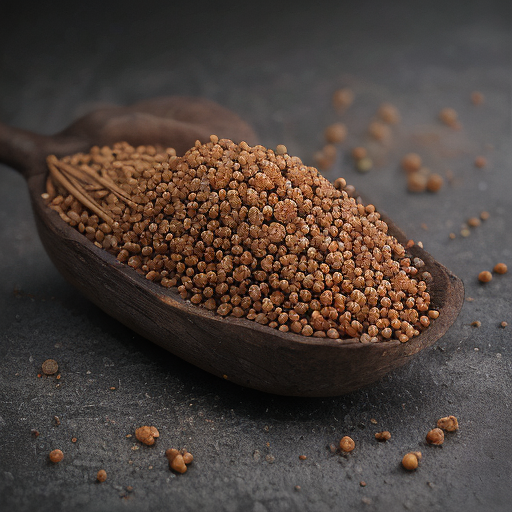
Black pepper
Known as 'black gold' in antiquity, pepper was so valuable that it served as currency and tribute. In the Middle Ages, Venetian merchants controlled the pepper trade, and individual peppercorns were often counted. Legend has it that when Alaric, king of the Visigoths, demanded tribute from Rome, he included 3,000 pounds of pepper.
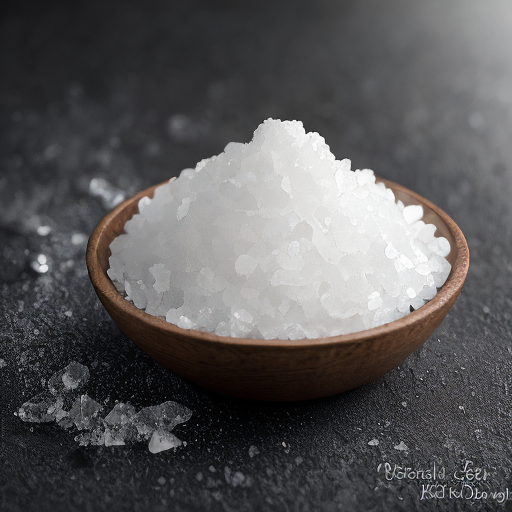
Sea salt
Sea salt, extracted from ocean waters by evaporation, was one of the most precious goods of antiquity, used both as food and as currency. In ancient Rome, soldiers were paid with salt, which is the origin of the word 'salary'. Salt roads connected entire civilizations, and in the Middle Ages, salt was so valuable it was called 'white gold'.
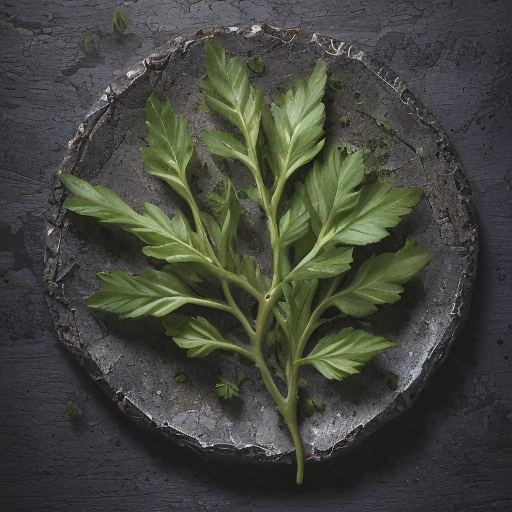
Thyme
In ancient Rome, thyme was burned in temples to purify the air and ward off evil spirits, and Roman soldiers added it to their baths to strengthen their courage. In the Middle Ages, noble ladies embroidered thyme on knights' scarves as a symbol of bravery. The ancient Greeks used it in baths and temples, and its name derives from the Greek 'thymos', meaning 'courage'.
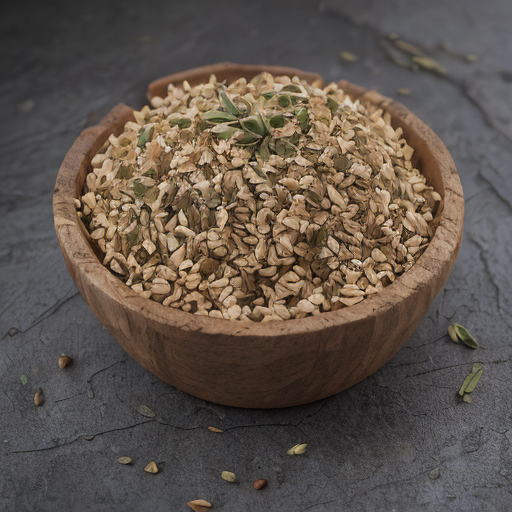
Oregano
Oregano, also known as 'mountain joy', was used by ancient Greeks as an antidote for poisons and a symbol of happiness. In the Middle Ages, it was planted on graves to ensure peace for the souls.
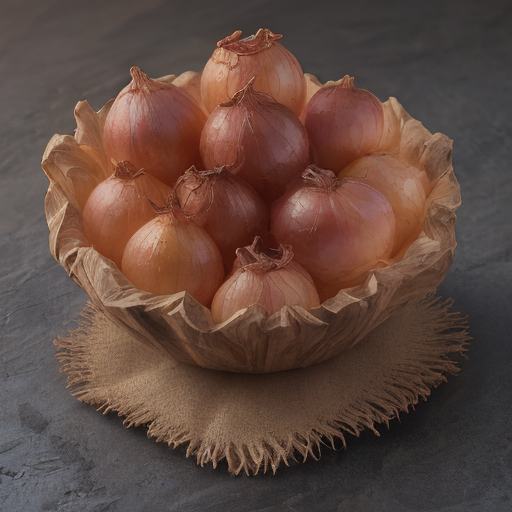
Onion
Probably originating in Central or West Asia, onions were cultivated in ancient Egypt, where they were considered a symbol of eternity and placed in tombs. In ancient Greece, athletes ate them to balance their blood, and in Rome, they were a staple food for soldiers. During the Middle Ages, onions were believed to protect against arrows and the plague.
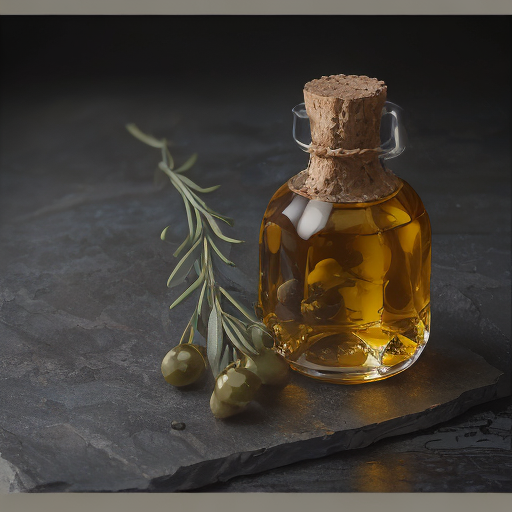
Olive oil
Originating in the Mediterranean basin, olive oil was already produced in ancient Crete 5,000 years ago. In ancient Greece, it was considered a gift from Athena and used in lamps, cosmetics, and religious ceremonies. The Romans spread it throughout the empire, and in the Middle Ages, monasteries preserved the tradition of its production.
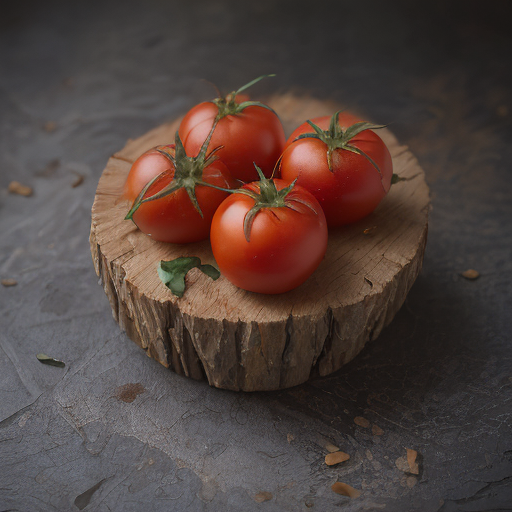
Tomato
Although today the tomato is indispensable in global cuisine, it was long viewed with suspicion in Europe, considered a toxic ornamental plant. It wasn't until the 19th century that Italian immigrants popularized it in the United States, turning it into an iconic ingredient of Mediterranean cuisine. Native to South America, the tomato was domesticated in Mexico and brought to Europe by Spanish conquistadors.
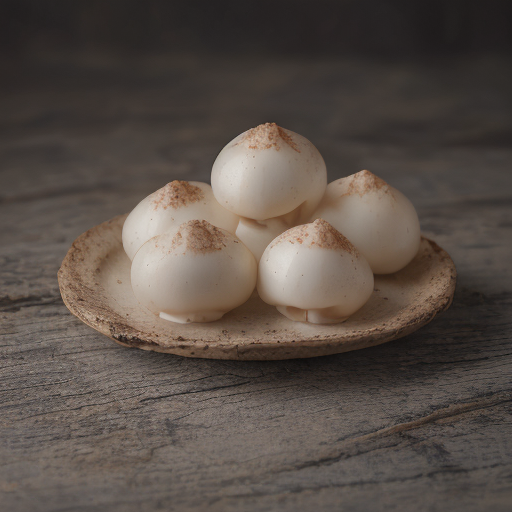
Mushrooms
Mushrooms have been used for thousands of years in cuisines worldwide, from ancient China to classical Greece. In ancient Egypt, they were considered food for royalty, and the Romans called them 'food of the gods'.
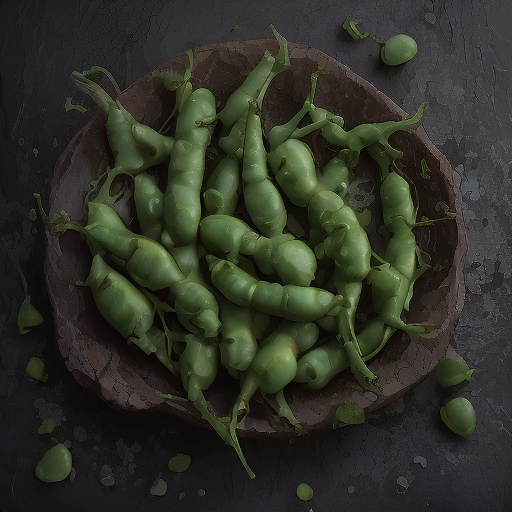
Peas
Peas are one of the oldest cultivated vegetables, with archaeological evidence in Neolithic sites from the Middle East. In the Middle Ages, dried peas were a staple food across Europe, and in the 16th century, the sweet garden pea was developed in Italy. Fun fact: peas were among the first vegetables to be frozen commercially, in the 1920s.
You may also like
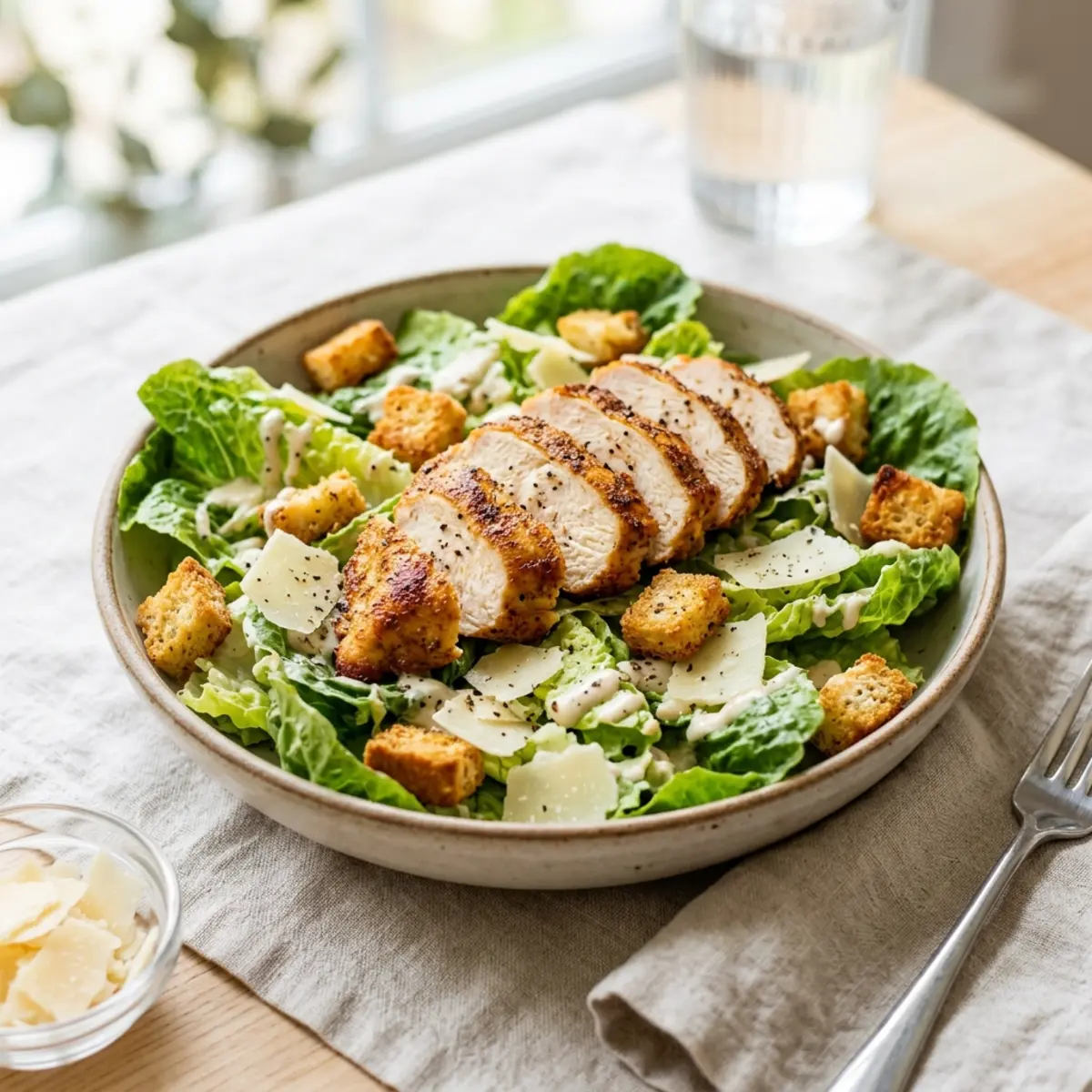 Chicken
Air Fryer Caesar Salad with Chicken – Quick and Crispy Recipe
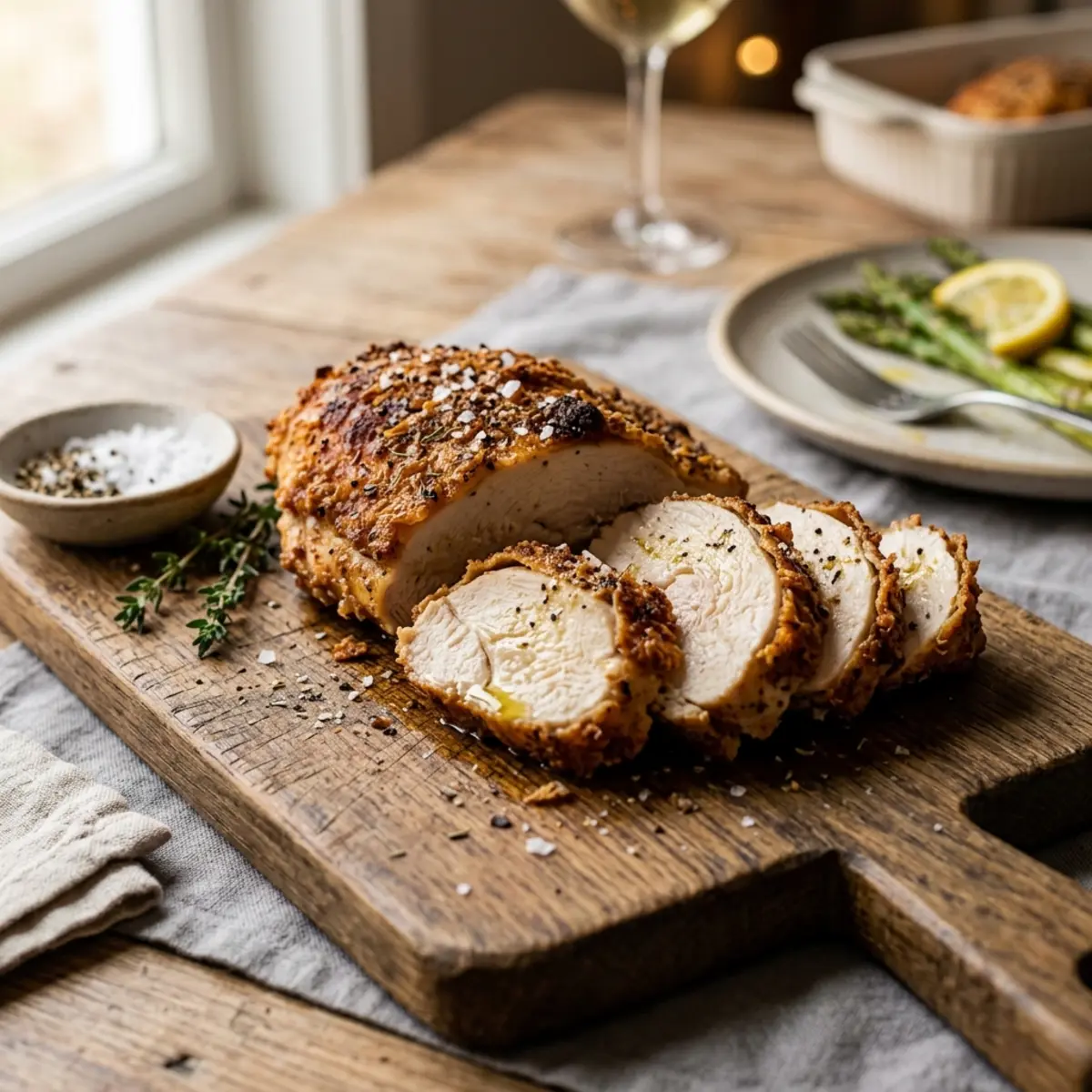 Chicken
Crispy Air Fryer Chicken Breast
 Chicken
Air Fryer Chicken Breast – Quick 17-Minute Recipe
 Chicken
Crispy Orange Chicken in Air Fryer
 Chicken
Air Fryer Chicken Breast: Juicy and Buttery in 20 Minutes
 Chicken