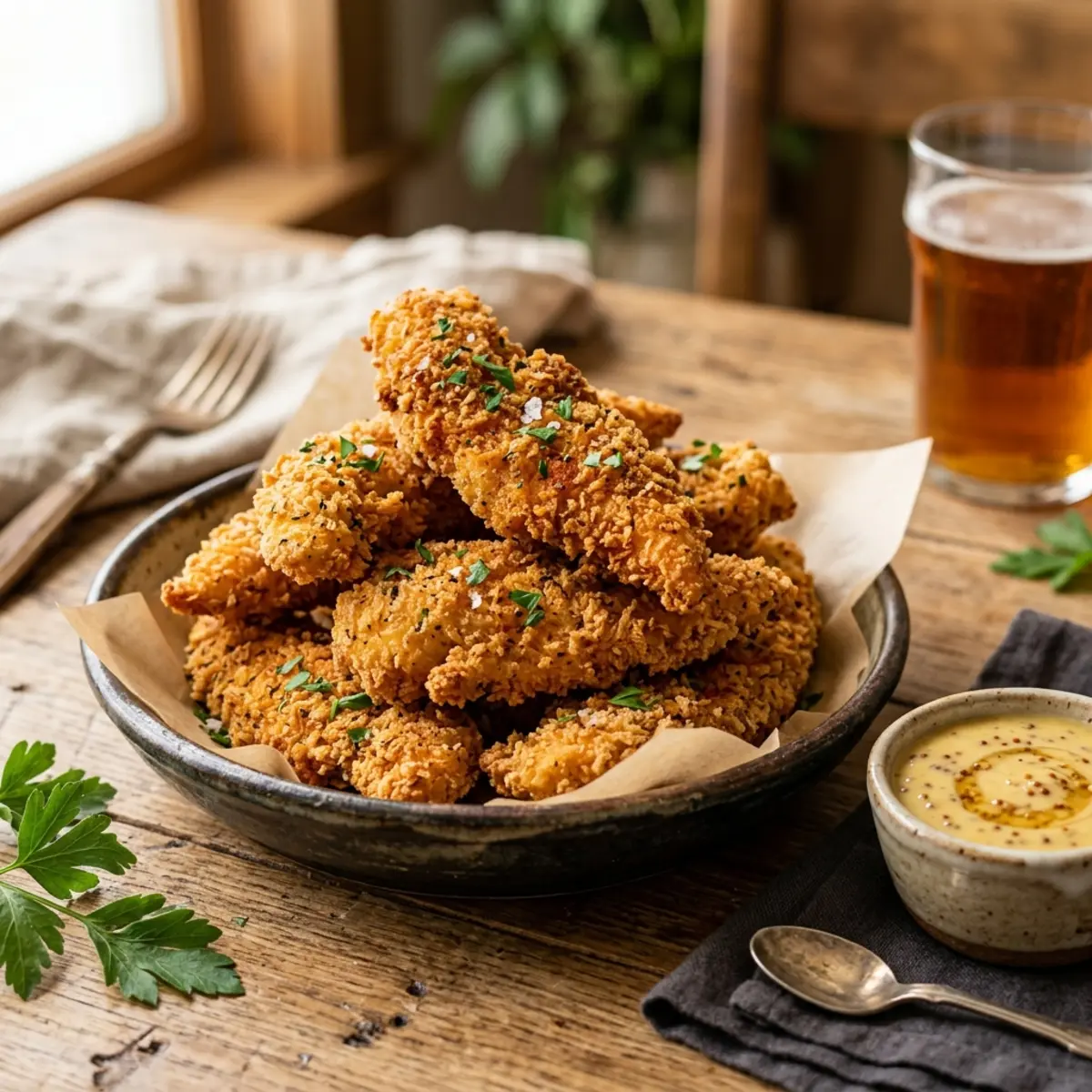
Crispy Air Fryer Chicken Tenders – Quick and Crunchy Recipe
Chicken breast strips breaded and cooked in the air fryer until golden and crispy, perfect for a quick dinner or appetizer.
Steps
- 01
Preheat the air fryer to 200°C (400°F).
- 02
If using whole chicken breast, cut into strips about 2-3 cm wide. Tenderloin strips are already suitable; pound thicker pieces to 1-1.5 cm thickness.
- 03
Set up breading station: in a small bowl, beat eggs; in a second bowl, place flour; in a third bowl, mix panko with onion powder, garlic powder, paprika, Italian seasoning, salt, and pepper.
- 04
Coat each chicken strip first in flour, then in egg, and finally in the panko mixture, pressing lightly to adhere.
- 05
Place breaded strips in the air fryer basket in a single layer without overlapping (cook in two batches if needed).
- 06
Cook for 7-10 minutes, turning halfway, until golden and crispy, and internal temperature reaches 74°C (165°F).
- 07
If breading browns too quickly, reduce temperature to 175°C (350°F) and continue cooking until chicken is done.
- 08
Serve immediately with your favorite dipping sauce (e.g., ketchup, mayonnaise, or barbecue sauce).
Recipe story
Breaded chicken tenders were popularized in the United States in the late 20th century, becoming a quick and beloved dish in fast-food restaurants. The recipe combines fine breading techniques inspired by European cuisine with modern cooking methods. Today, the air fryer offers a healthier version by reducing the amount of oil needed.
Ingredient Secrets
Discover the culinary secrets and flavor history of key ingredients in this dish.
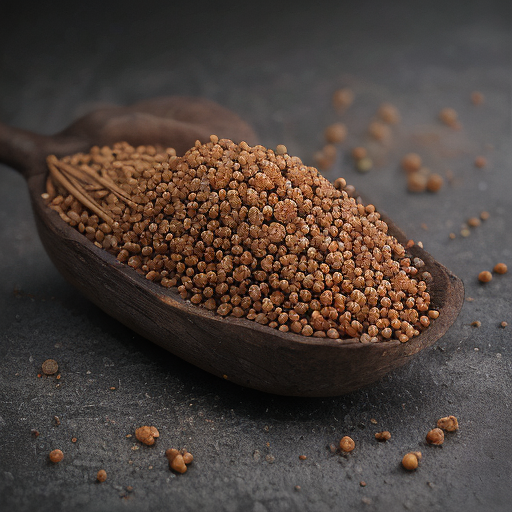
Black pepper
Known as 'black gold' in antiquity, pepper was so valuable that it served as currency and tribute. In the Middle Ages, Venetian merchants controlled the pepper trade, and individual peppercorns were often counted. Legend has it that when Alaric, king of the Visigoths, demanded tribute from Rome, he included 3,000 pounds of pepper.
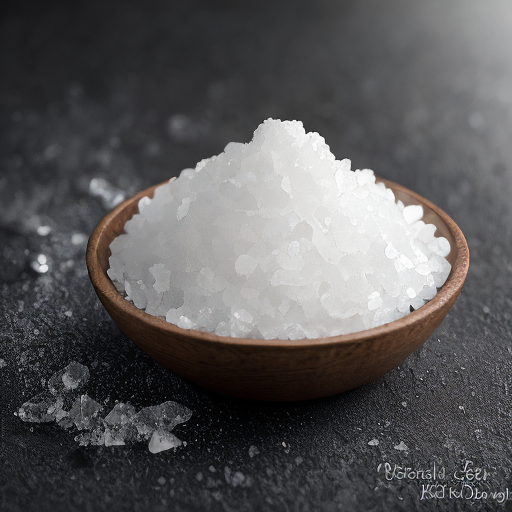
Sea salt
Sea salt, extracted from ocean waters by evaporation, was one of the most precious goods of antiquity, used both as food and as currency. In ancient Rome, soldiers were paid with salt, which is the origin of the word 'salary'. Salt roads connected entire civilizations, and in the Middle Ages, salt was so valuable it was called 'white gold'.
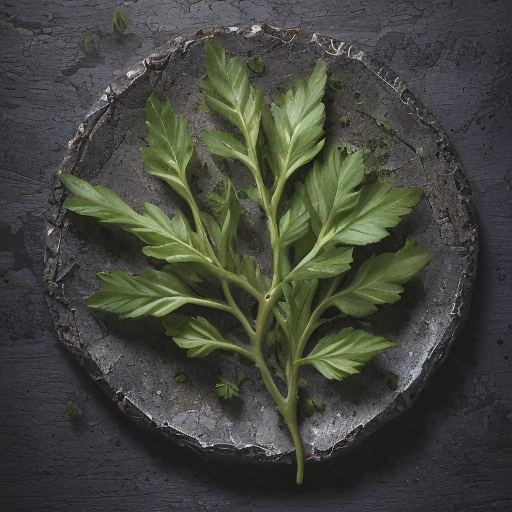
Thyme
In ancient Rome, thyme was burned in temples to purify the air and ward off evil spirits, and Roman soldiers added it to their baths to strengthen their courage. In the Middle Ages, noble ladies embroidered thyme on knights' scarves as a symbol of bravery. The ancient Greeks used it in baths and temples, and its name derives from the Greek 'thymos', meaning 'courage'.
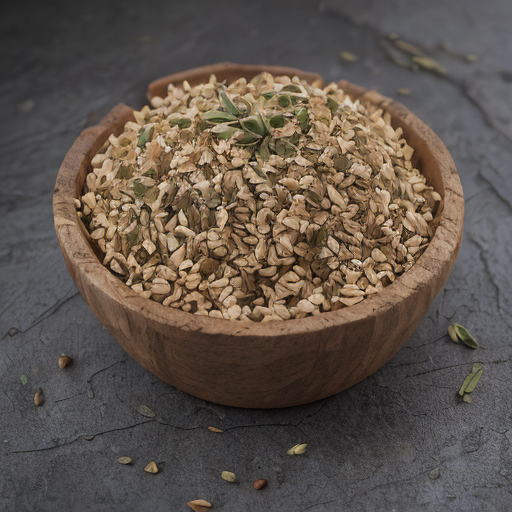
Oregano
Oregano, also known as 'mountain joy', was used by ancient Greeks as an antidote for poisons and a symbol of happiness. In the Middle Ages, it was planted on graves to ensure peace for the souls.
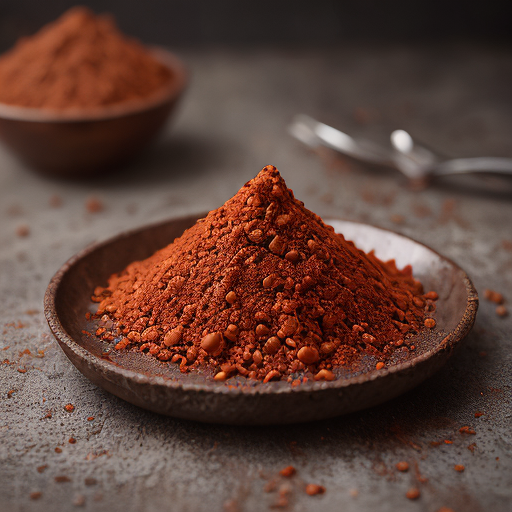
Paprika
Paprika, a emblematic spice brought to Europe by Christopher Columbus from the New World. Although associated with Hungarian cuisine, its origins are in Central America, where it was used by the Aztecs.
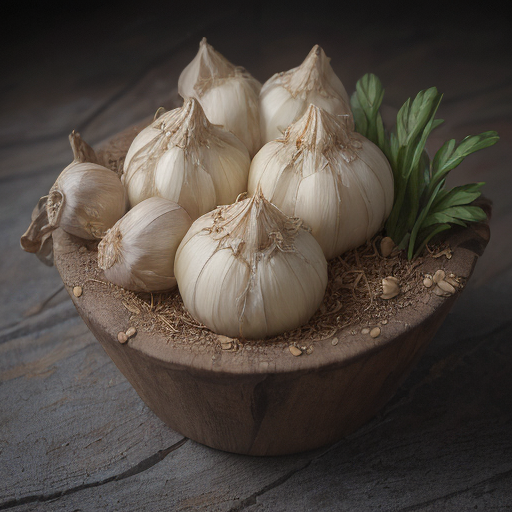
Garlic
Native to Central Asia, garlic was already known in ancient Egypt, where it was given to slaves to boost their strength. In ancient Greece, athletes consumed it before competitions, and in Rome, legionaries considered it essential for courage. During the Middle Ages, it was used to ward off vampires and the plague.
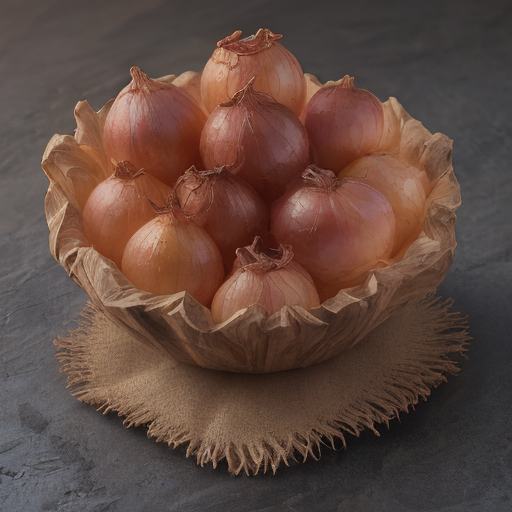
Onion
Probably originating in Central or West Asia, onions were cultivated in ancient Egypt, where they were considered a symbol of eternity and placed in tombs. In ancient Greece, athletes ate them to balance their blood, and in Rome, they were a staple food for soldiers. During the Middle Ages, onions were believed to protect against arrows and the plague.
You may also like
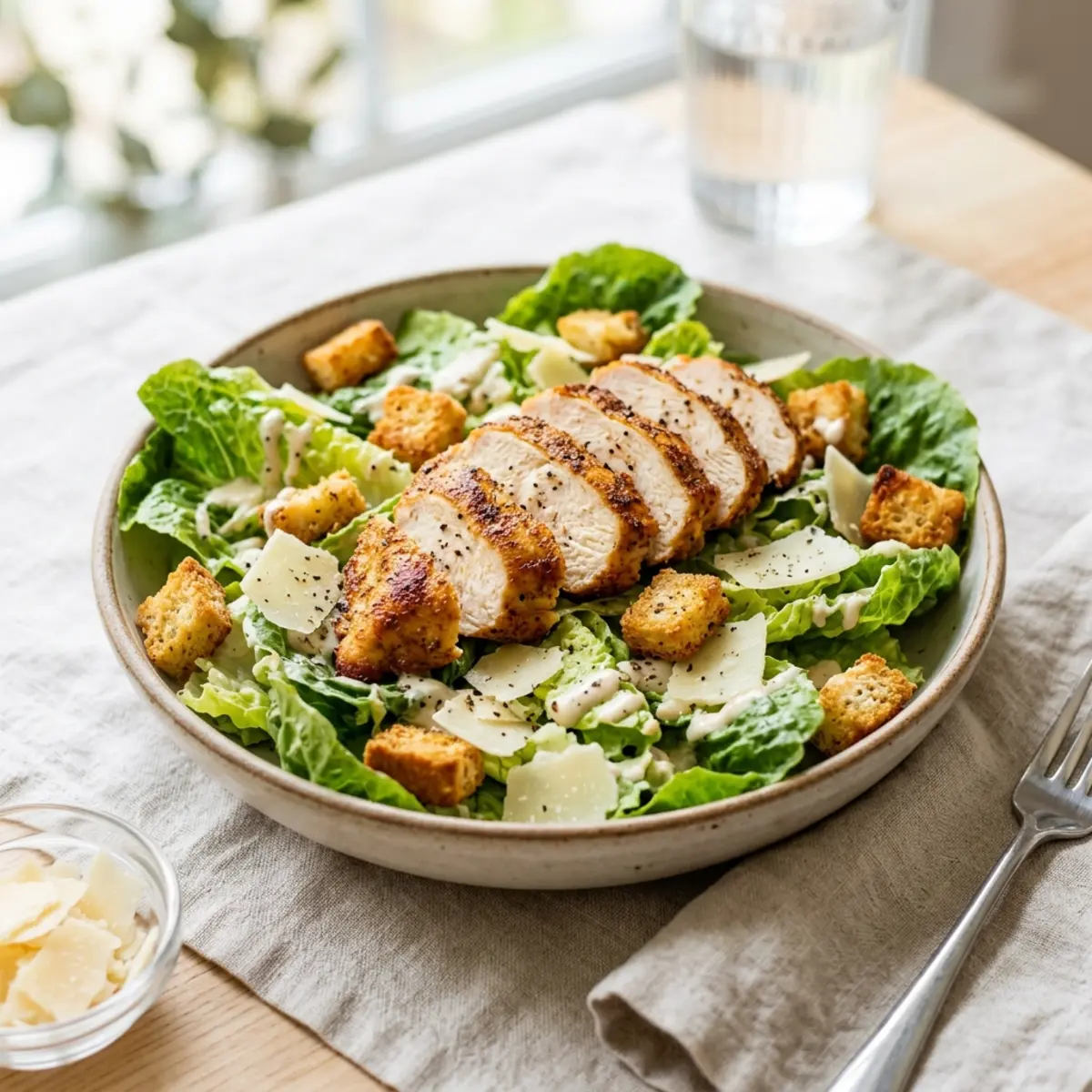 Chicken
Air Fryer Caesar Salad with Chicken – Quick and Crispy Recipe
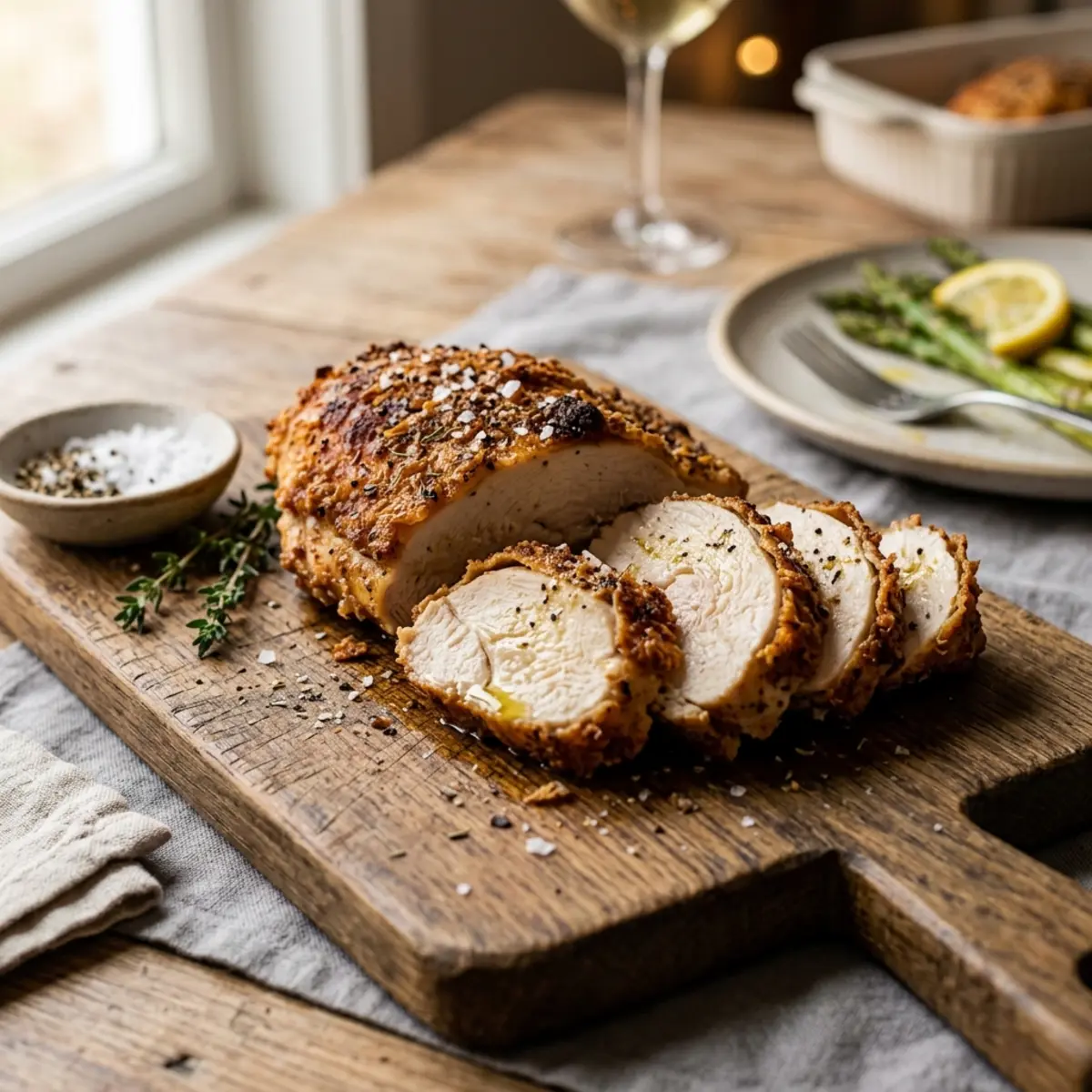 Chicken
Crispy Air Fryer Chicken Breast
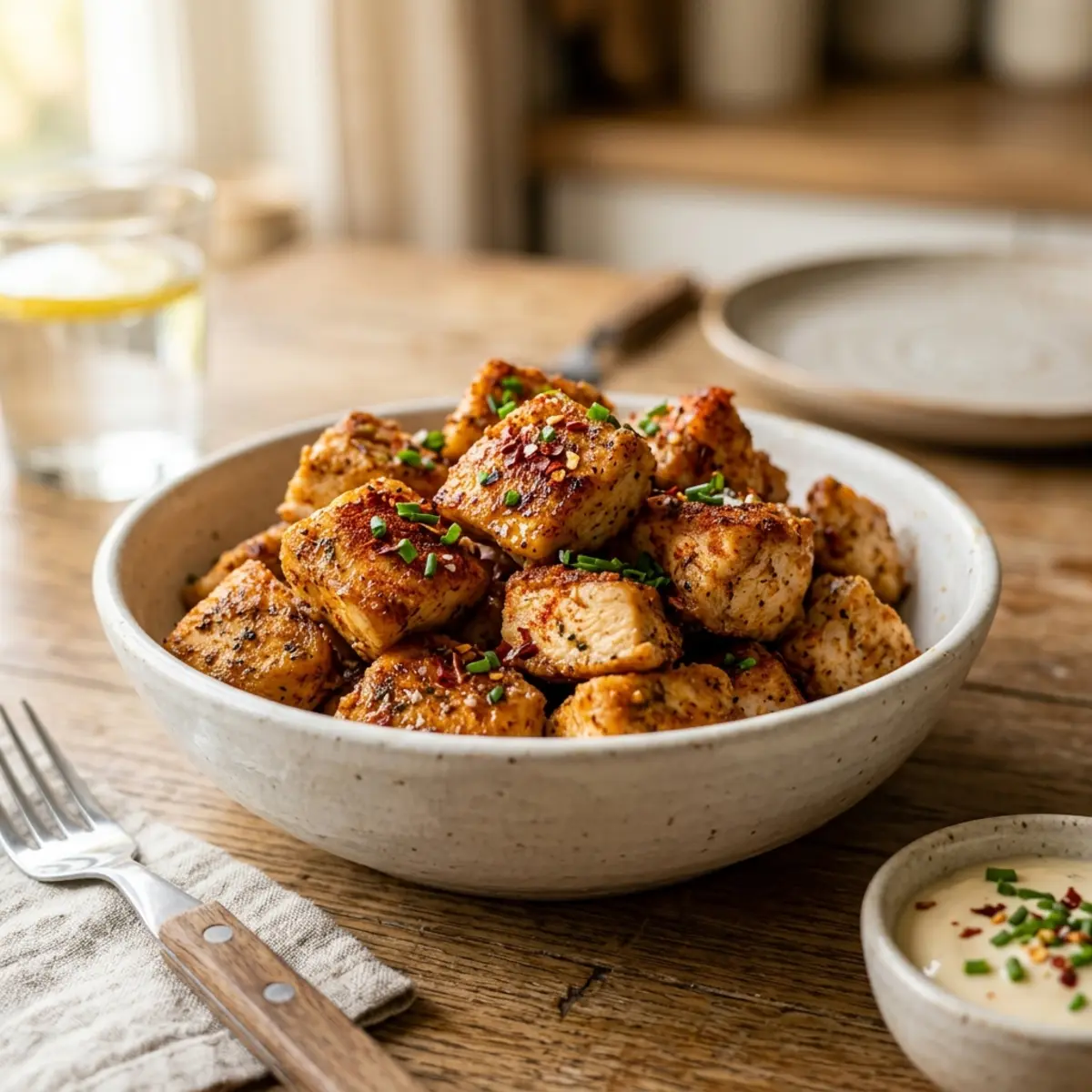 Chicken
Air Fryer Chicken Breast – Quick 17-Minute Recipe
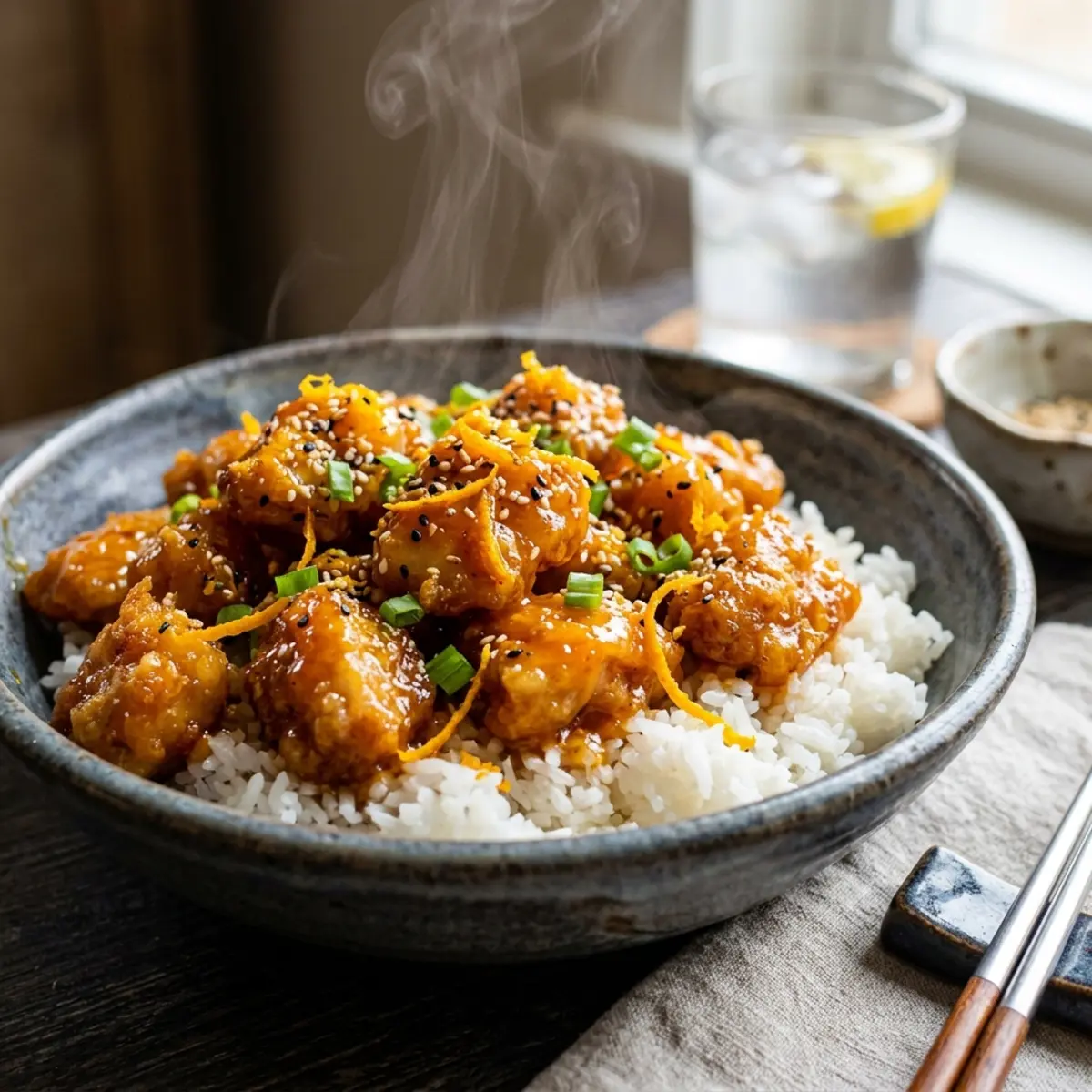 Chicken
Crispy Orange Chicken in Air Fryer
 Chicken
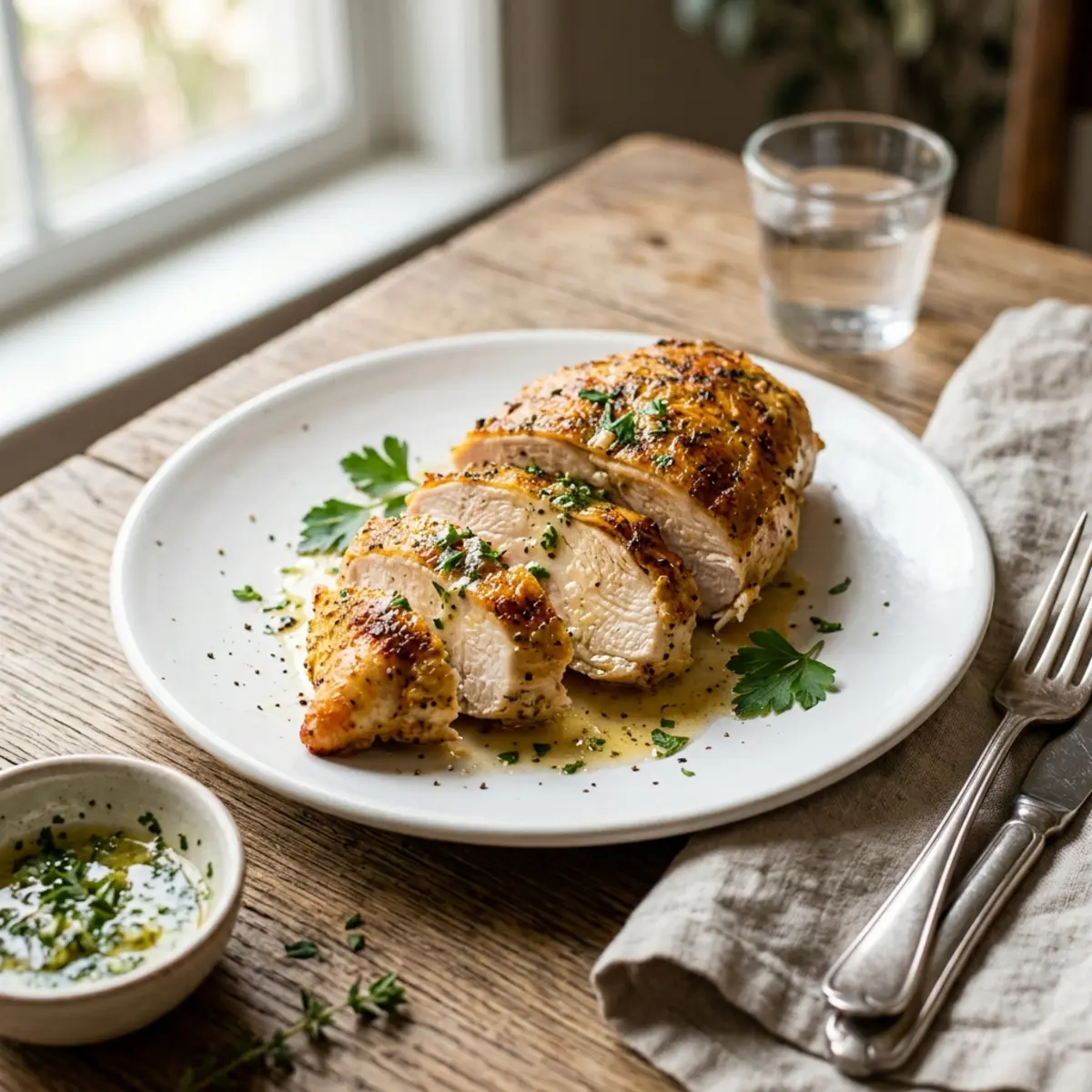
Air Fryer Chicken Breast: Juicy and Buttery in 20 Minutes
 Chicken