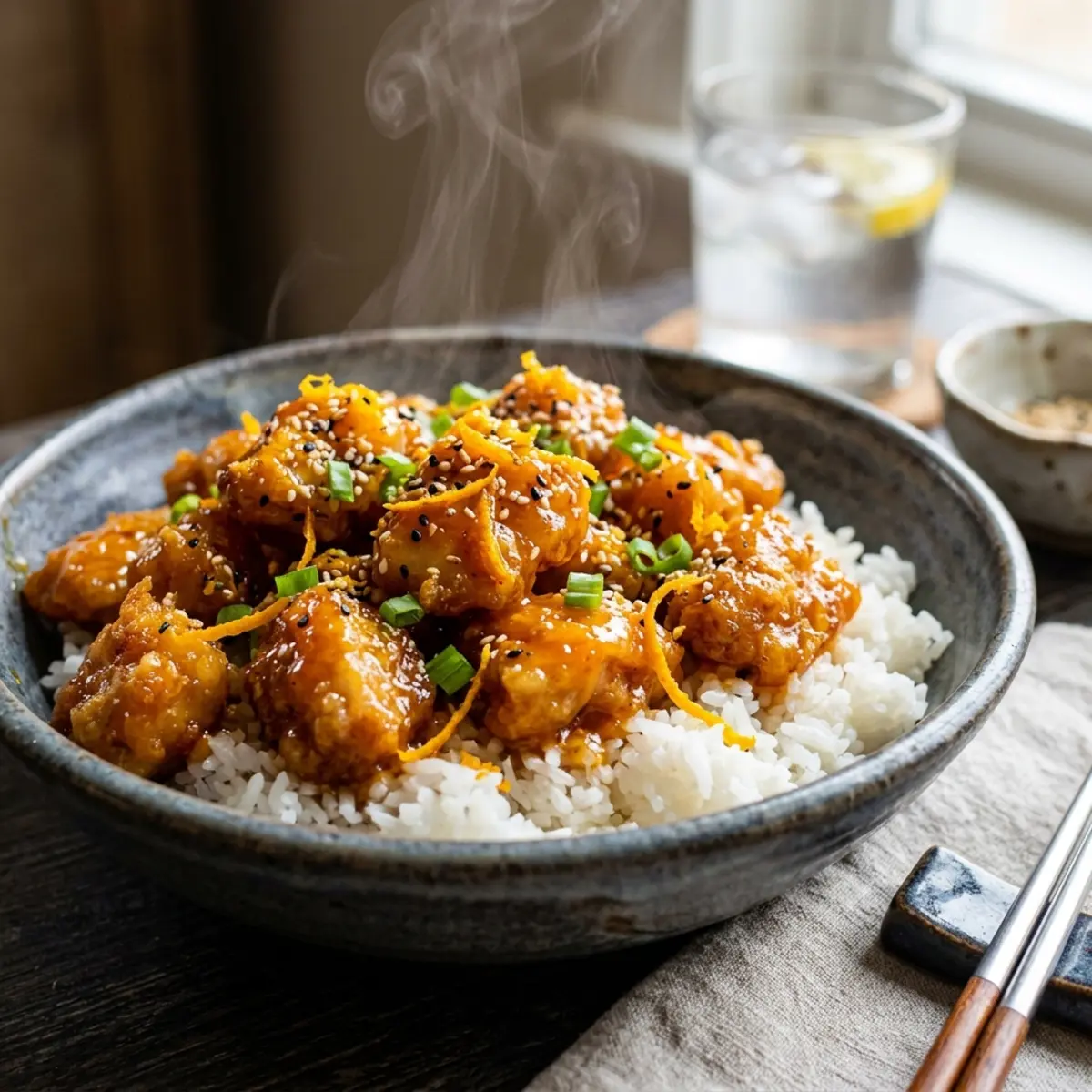
Crispy Orange Chicken in Air Fryer
Crispy chicken pieces glazed with a sweet and tangy orange sauce, quickly cooked in the air fryer.
Steps
- 01
Preheat the air fryer to 200°C (400°F).
- 02
Cut the chicken breast into cubes of about 4 cm (1.5 inches). Place the cubes in a bowl with the first amount of cornstarch and toss well to coat evenly.
- 03
Shake off excess starch and place the chicken pieces in the air fryer basket. Cook for 7–9 minutes, shaking the basket halfway through, until the internal temperature reaches at least 74°C (165°F).
- 04
Meanwhile, in a small saucepan over medium heat, combine orange juice, brown sugar, rice vinegar, soy sauce, ginger, red pepper flakes, and orange zest.
- 05
Let the mixture simmer gently for 5 minutes, stirring occasionally.
- 06
In a small bowl, mix the second amount of cornstarch with a little water to form a thin paste, then stir it into the orange sauce.
- 07
Cook for another minute, stirring constantly, then remove from heat immediately.
- 08
Remove the cooked chicken from the air fryer and toss with the prepared orange sauce.
- 09
Serve immediately, garnished with sliced green onions and sesame seeds if desired.
Recipe story
This recipe draws inspiration from ancient culinary traditions of the East, where oranges, brought along the Silk Road, were considered a royal gift. In princely kitchens of the Middle Ages, poultry glazed with honey and citrus symbolized wealth and refinement. The sweet and sour sauce, a defining element of Chinese cuisine, has been reinterpreted in this modern version adapted for the air fryer.
Ingredient Secrets
Discover the culinary secrets and flavor history of key ingredients in this dish.
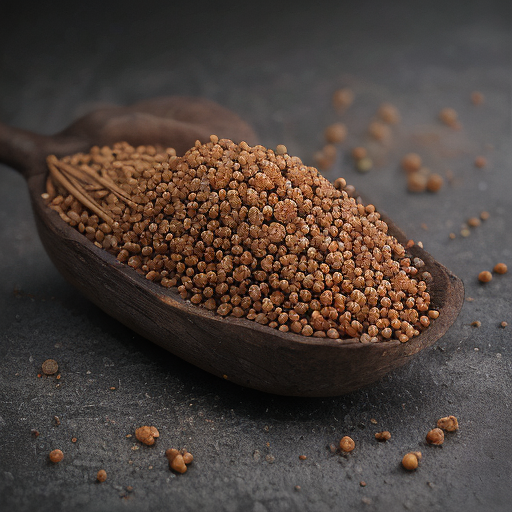
Black pepper
Known as 'black gold' in antiquity, pepper was so valuable that it served as currency and tribute. In the Middle Ages, Venetian merchants controlled the pepper trade, and individual peppercorns were often counted. Legend has it that when Alaric, king of the Visigoths, demanded tribute from Rome, he included 3,000 pounds of pepper.
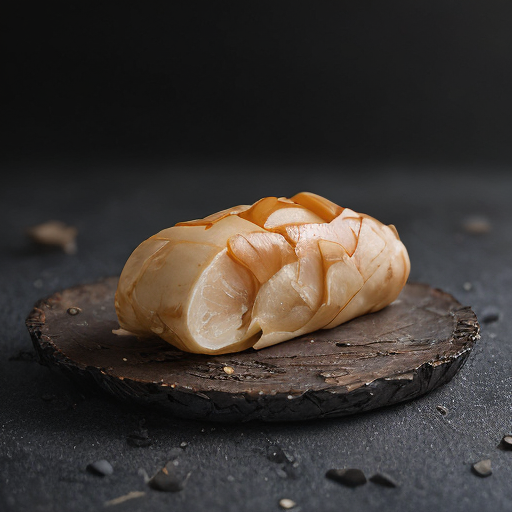
Ginger
Ginger, known since antiquity, was one of the first spices brought along the Silk Road, so precious that a kilogram of ginger was worth a sheep in medieval Europe.
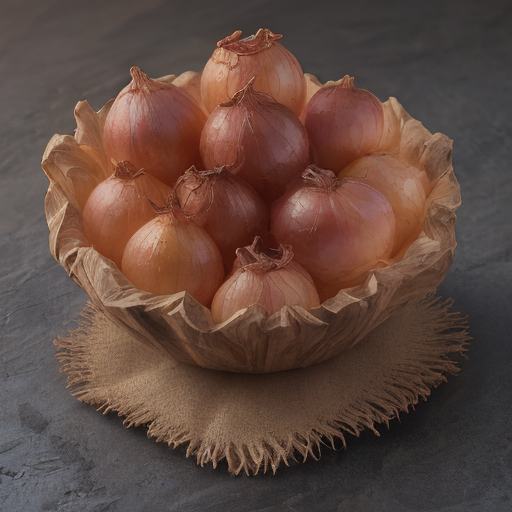
Onion
Probably originating in Central or West Asia, onions were cultivated in ancient Egypt, where they were considered a symbol of eternity and placed in tombs. In ancient Greece, athletes ate them to balance their blood, and in Rome, they were a staple food for soldiers. During the Middle Ages, onions were believed to protect against arrows and the plague.
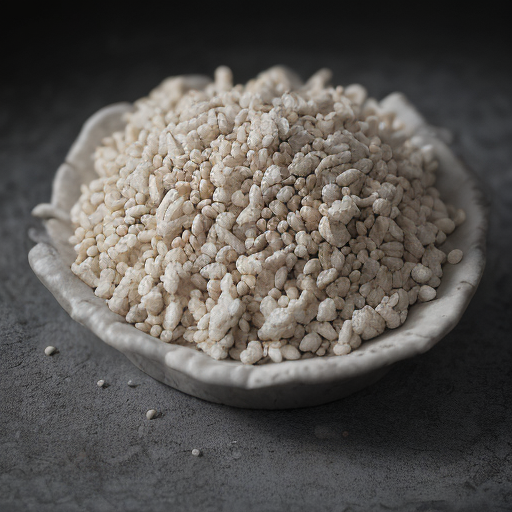
Sesame
In Assyrian mythology, the gods drank sesame wine on the night before the creation of the world, and in ancient Rome, sesame seeds were sprinkled on soldiers' bread to give them strength. In the Middle Ages, sesame was considered a magical food capable of boosting vitality. Today, it is valued for its oil rich in essential fatty acids.
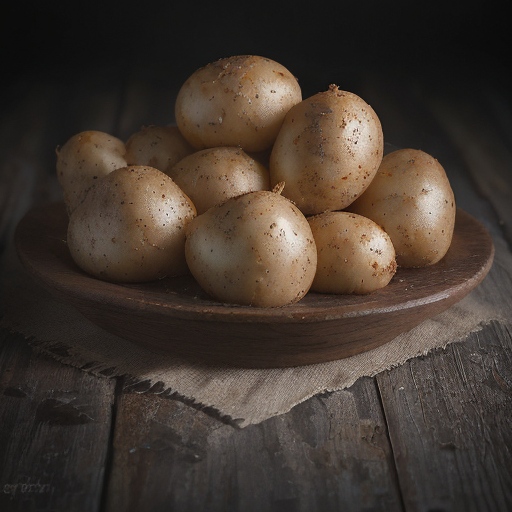
Potato
Although today it seems indispensable on the table, the potato was long viewed with suspicion in Europe. Arriving from the Andes in the 16th century, it was considered a diabolical plant, even poisonous, due to its toxic leaves and fruits. It wasn't until the 18th century, thanks to promoters like Antoine-Augustin Parmentier, that the potato became a staple food, saving Europe from famine.
You may also like
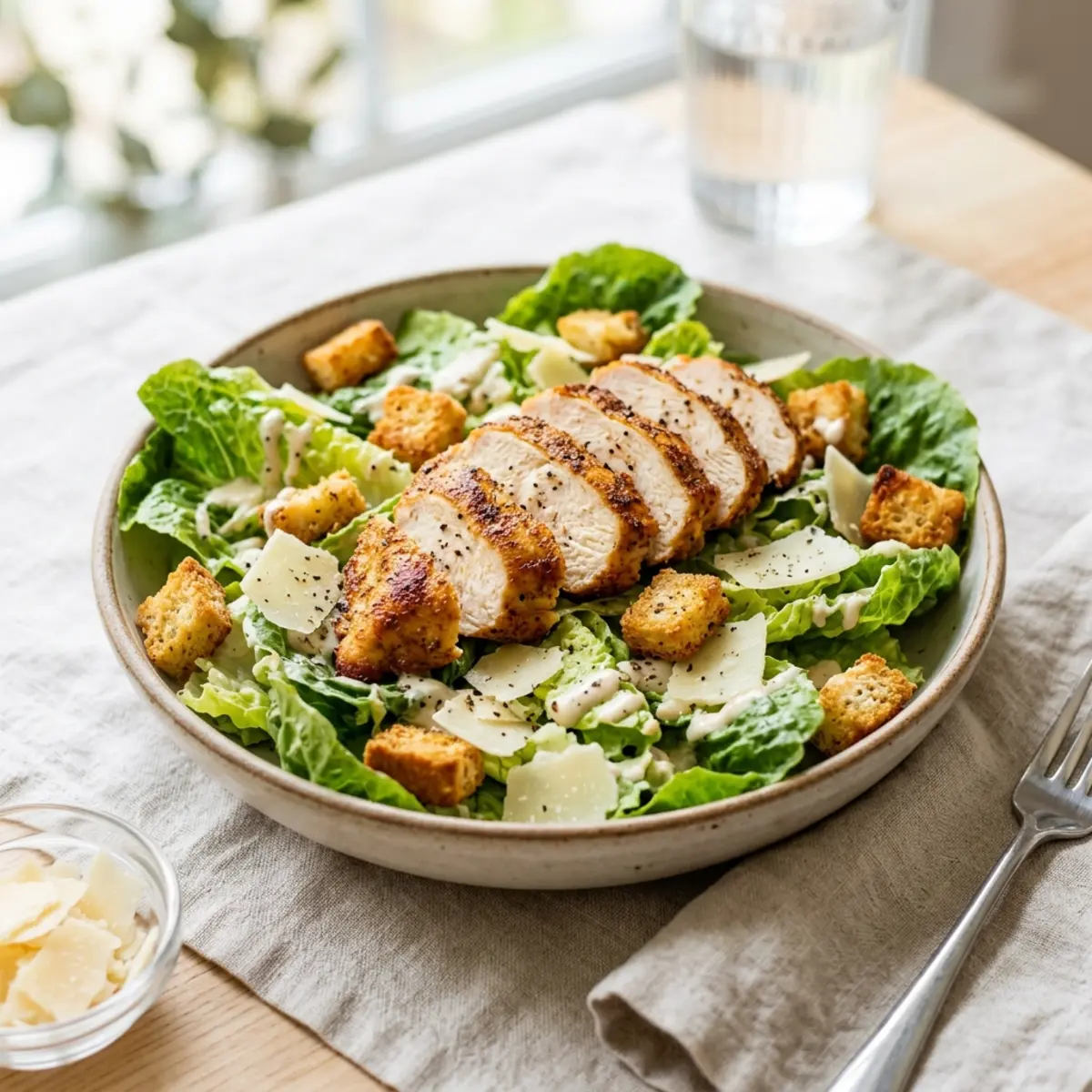 Chicken
Air Fryer Caesar Salad with Chicken – Quick and Crispy Recipe
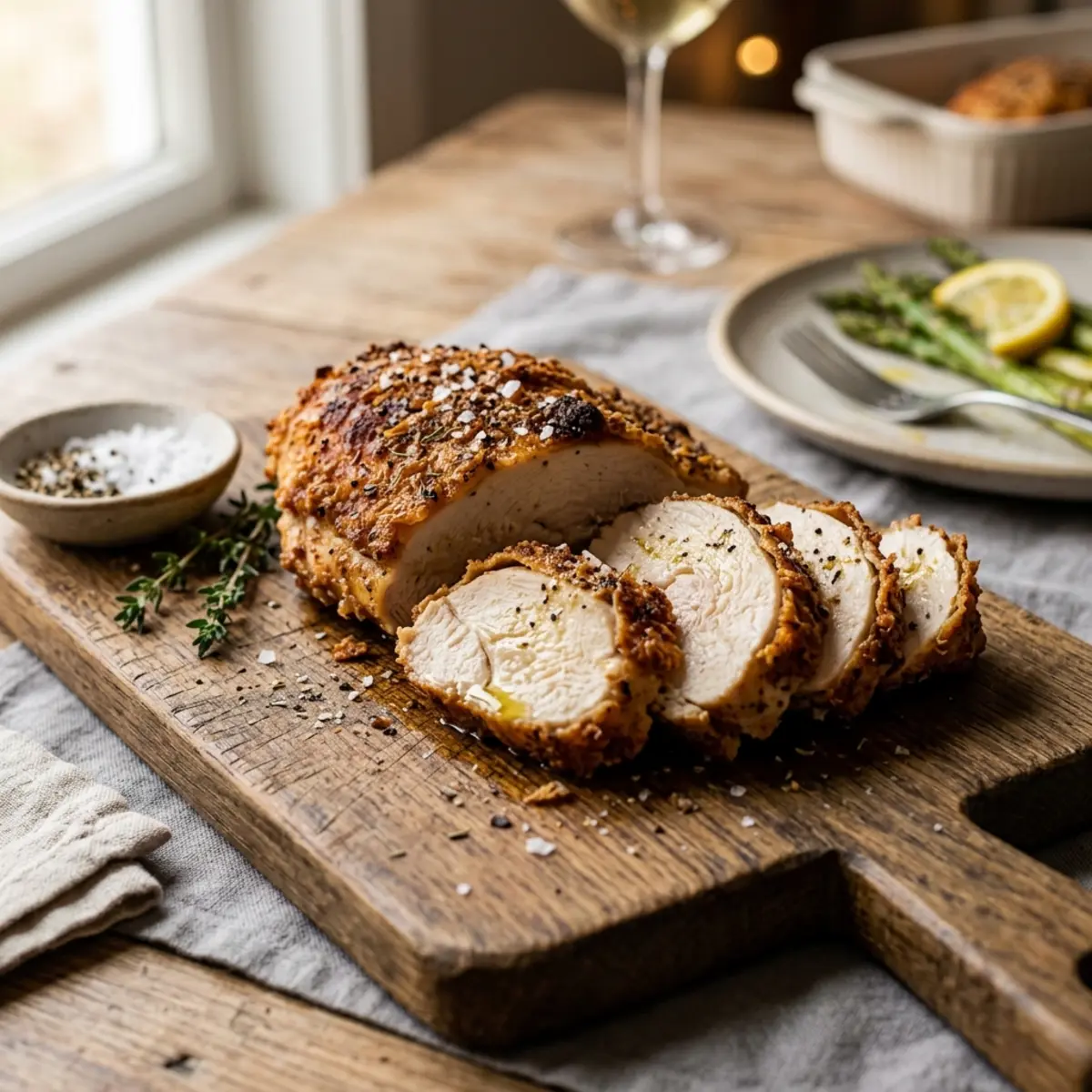 Chicken
Crispy Air Fryer Chicken Breast
 Chicken
Air Fryer Chicken Breast – Quick 17-Minute Recipe
 Chicken
Air Fryer Chicken Breast: Juicy and Buttery in 20 Minutes
 Chicken
Crispy Air Fryer Chicken Tenders – Quick and Crunchy Recipe
 Chicken