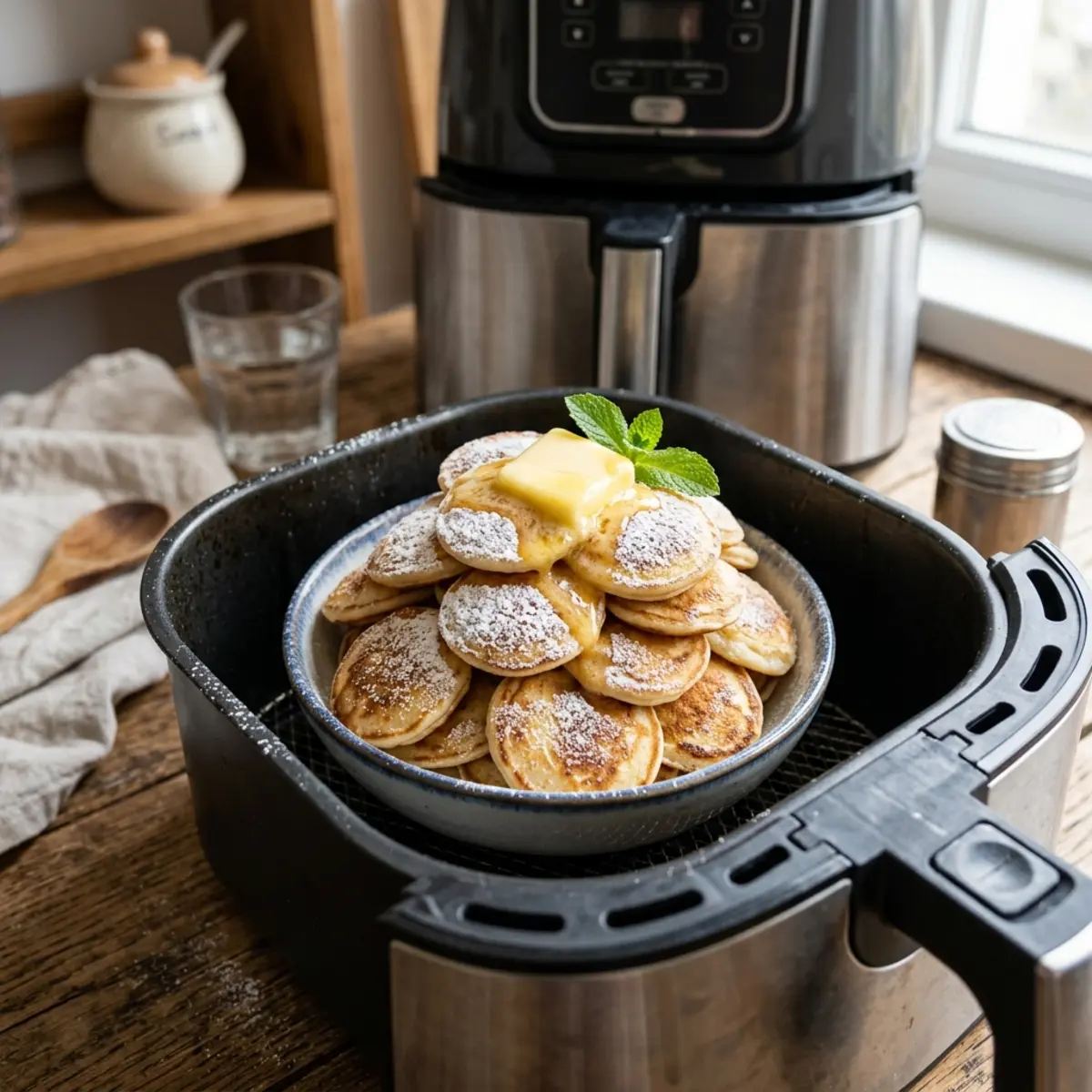
Quick Air Fryer Blueberry Crisp for Two
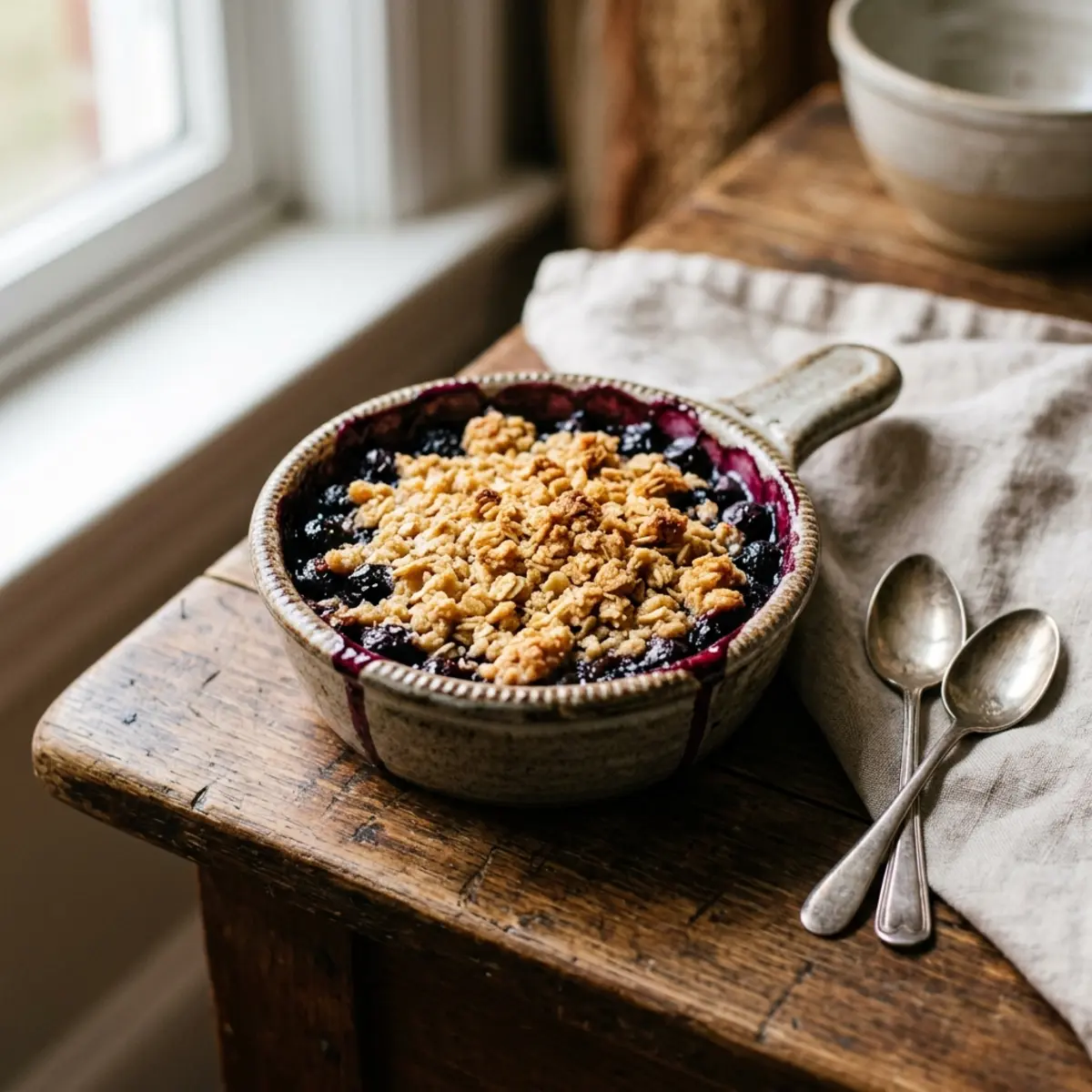
A quick and delicious blueberry dessert with a crunchy oat topping, cooked in the air fryer.
Steps
- 01
Place blueberries in a medium bowl.
- 02
Add granulated sugar, cinnamon, and nutmeg. Mix well to coat the fruit evenly.
- 03
Grease four 350 ml ramekins with nonstick cooking spray.
- 04
Divide the blueberry mixture evenly among the ramekins.
- 05
Pour about 1/8 cup (30 ml) of water over the blueberries in each ramekin.
- 06
In another bowl, combine oats, flour, brown sugar, baking powder, and cold butter for the topping.
- 07
Mix with your fingers or a fork until the topping resembles coarse crumbs.
- 08
Divide the topping evenly over the blueberry mixture in each ramekin.
- 09
Place the ramekins in the air fryer basket (may need to cook in two batches) and cook at 175°C (350°F) for 20 minutes, or 15 minutes if the air fryer is preheated.
- 10
Carefully remove the ramekins and serve warm, topped with a scoop of vanilla ice cream.
Recipe story
Blueberry crisp is a classic American dessert originating from the northeastern states of the USA, where wild blueberries are abundant. The traditional recipe involves baking in an oven, but the air fryer version offers a similar texture in less time. This dessert has gained popularity worldwide due to its simplicity and comforting taste.
Ingredient Secrets
Discover the culinary secrets and flavor history of key ingredients in this dish.
Sea salt
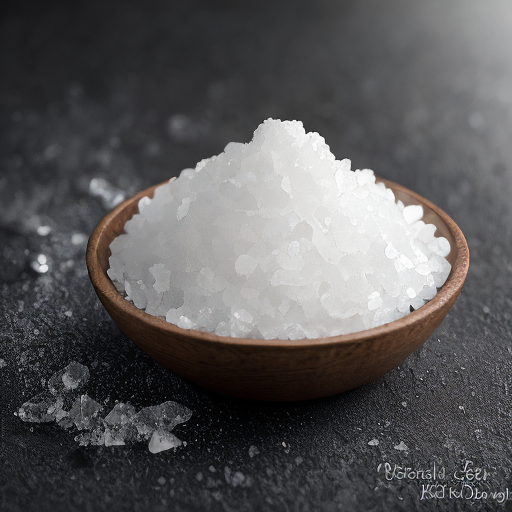
Sea salt, extracted from ocean waters by evaporation, was one of the most precious goods of antiquity, used both as food and as currency. In ancient Rome, soldiers were paid with salt, which is the origin of the word 'salary'. Salt roads connected entire civilizations, and in the Middle Ages, salt was so valuable it was called 'white gold'.
Cinnamon
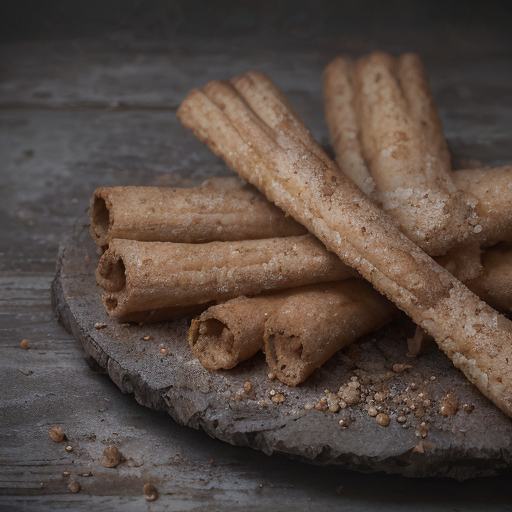
In ancient Rome, cinnamon was more precious than gold, used in sacred rituals and royal perfumes. Legends told of fabulous birds called cinnamologus that built their nests from cinnamon sticks on inaccessible cliff tops. The cinnamon trade was long shrouded in mystery, with Arab merchants inventing fantastic stories to protect their sources.
Vanilla
Vanilla, native to Mexico, was discovered by Spanish conquistadors who brought it to Europe in the 16th century. In Aztec culture, vanilla was used to flavor a royal cocoa drink. For centuries, hand-pollination was a closely guarded secret, and it wasn't until 1841 that a 12-year-old slave on Réunion discovered the method that allowed widespread cultivation.
Nutmeg
In the Middle Ages, nutmeg was so precious that a kilogram cost as much as a cow or even a house. Merchants guarded it like gold, and legend says that to keep its origin secret, traders would adulterate it with walnut seeds.