Polenta Balls with Cheese in Air Fryer
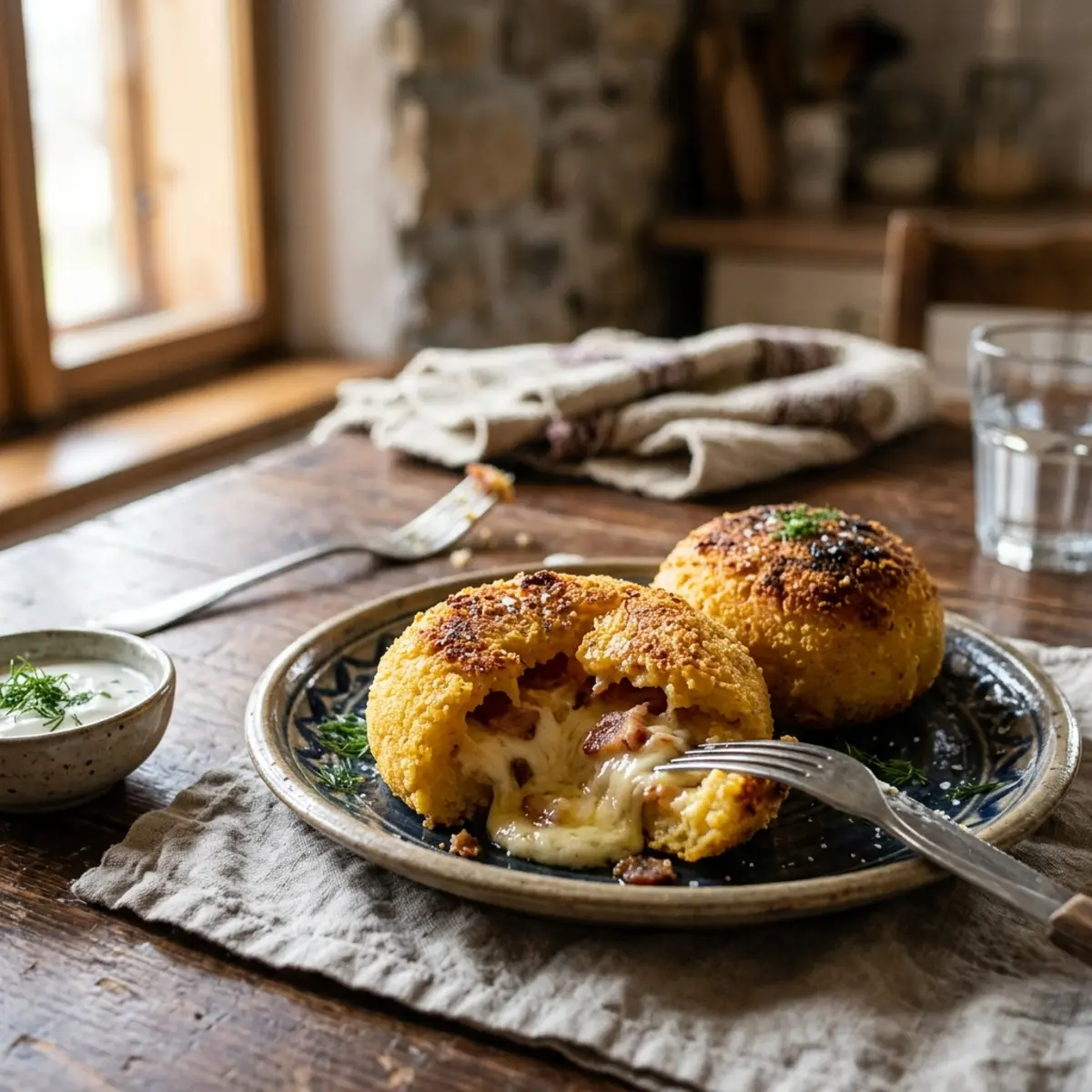
Crispy polenta balls filled with cheese, quickly cooked in an air fryer.
Steps
- 01
In a large pot, bring the water to a boil and add the salt. Pour the cornmeal in a steady stream, stirring continuously with a whisk to prevent lumps.
- 02
Reduce the heat to low and cook the polenta for 15–20 minutes, stirring often, until it thickens and pulls away from the sides of the pot.
- 03
Cut the polenta into equal pieces using a piece of string, then let it cool slightly so you can work with it.
- 04
Wet your hands with water. Take each piece of polenta, press a generous amount of cheese (grated or cubed) into the center, and shape into a compact ball the size of a tennis ball.
- 05
Preheat the air fryer to 200°C (400°F) for 3 minutes. Cook the balls for 25 minutes, then add butter and cook for another 5 minutes.
Recipe story
Polenta balls with cheese are a traditional dish from the mountainous regions of Eastern Europe, where shepherds prepared them over an open fire. Polenta, a staple in many cultures, was filled with cheese and baked on embers for a hearty meal. Over time, the recipe spread to home kitchens, becoming a symbol of simplicity and authentic flavor.
Ingredient Secrets
Discover the culinary secrets and flavor history of key ingredients in this dish.
Sea salt
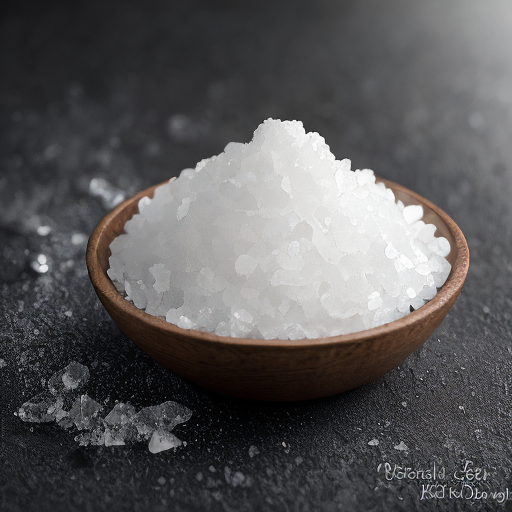
Sea salt, extracted from ocean waters by evaporation, was one of the most precious goods of antiquity, used both as food and as currency. In ancient Rome, soldiers were paid with salt, which is the origin of the word 'salary'. Salt roads connected entire civilizations, and in the Middle Ages, salt was so valuable it was called 'white gold'.
Corn
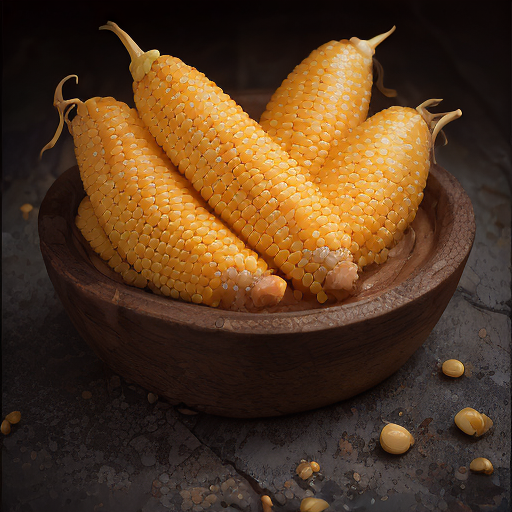
Corn, native to Central America, was domesticated over 9,000 years ago in Mexico. After the discovery of the Americas, it spread rapidly to Europe, Africa, and Asia, becoming a global staple crop. Fun fact: in Italy, corn was called 'grano turco' (Turkish wheat) because it was believed to originate from the East.
You may also like
 Misc
MiscAir Fryer S'mores – Quick Campfire Treat Without Fire
 Misc
MiscHow to Reheat Frikandellen in Air Fryer: Quick and Crispy Recipe
 Misc
MiscHow to Reheat Chicken in Air Fryer (Crispy and Juicy)
 Misc
MiscCrispy Reheated Chicken Pieces in Air Fryer
 Misc
MiscStuffed Bell Pepper with Mozzarella in Air Fryer
 Misc
Misc