Perfect Duck Breast in Air Fryer with Five Spice
A quick and succulent dish with crispy skin and tender meat, seasoned with five-spice powder.
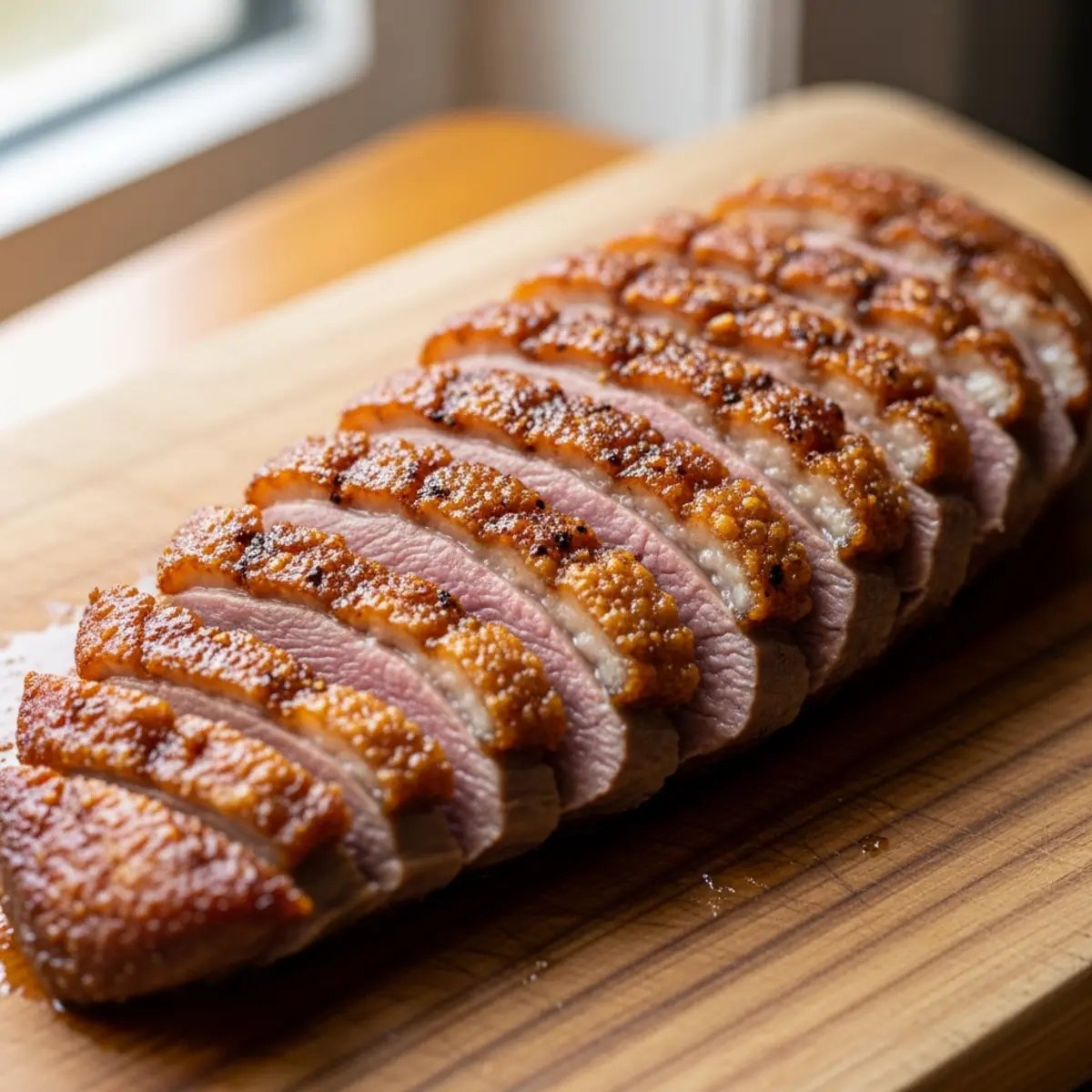
Steps
- 01
Pat duck breasts dry with paper towels. Score skin in a crosshatch pattern without cutting into meat.
- 02
Season with salt, pepper, and optionally five-spice powder or fresh herbs (rosemary and thyme).
- 03
Preheat air fryer to 195°C (390°F). Place duck breasts skin-side up in basket.
- 04
Cook for 5 minutes at 195°C, then reduce temperature to 160°C (320°F) and cook for another 10-12 minutes.
- 05
If you see smoke during cooking, stop the air fryer, drain accumulated fat, and resume cooking.
- 06
Check internal temperature: medium-rare 54°C (130°F), medium 60°C (140°F), well done 74°C (165°F).
- 07
Remove duck breasts, loosely cover with foil, and let rest for 5-10 minutes.
- 08
Serve with plum sauce, hoisin sauce, or cranberry sauce.
Recipe story
Quick high-heat cooking of duck breast originates from Chinese imperial cuisine, where rapid frying in hot oil was used to seal in juices. In Europe, French chefs adopted and perfected the method for oven-roasted duck. Today, the air fryer offers a modern, healthier version, preserving the crispy texture and succulent meat.
Ingredient Secrets
Discover the culinary secrets and flavor history of key ingredients in this dish.
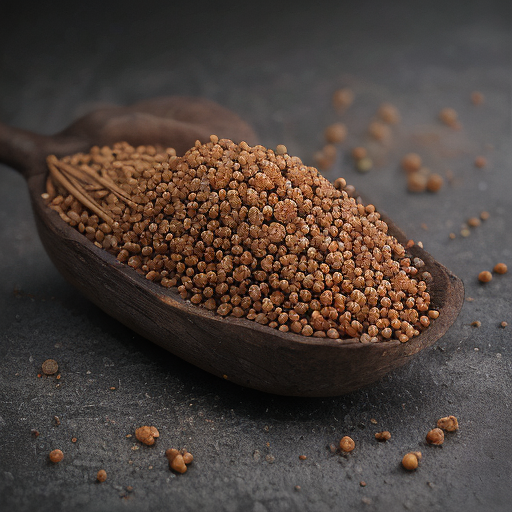
Black pepper
Known as 'black gold' in antiquity, pepper was so valuable that it served as currency and tribute. In the Middle Ages, Venetian merchants controlled the pepper trade, and individual peppercorns were often counted. Legend has it that when Alaric, king of the Visigoths, demanded tribute from Rome, he included 3,000 pounds of pepper.
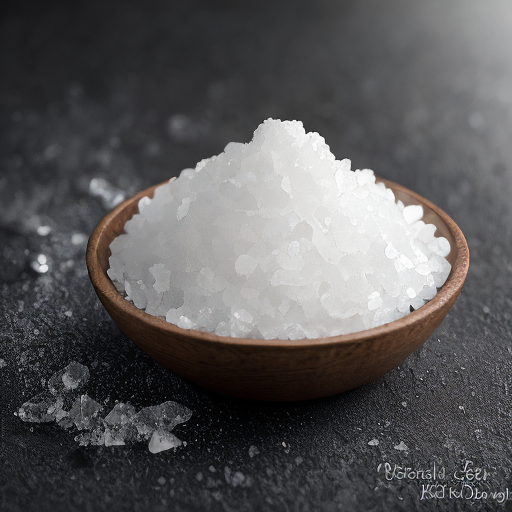
Sea salt
Sea salt, extracted from ocean waters by evaporation, was one of the most precious goods of antiquity, used both as food and as currency. In ancient Rome, soldiers were paid with salt, which is the origin of the word 'salary'. Salt roads connected entire civilizations, and in the Middle Ages, salt was so valuable it was called 'white gold'.
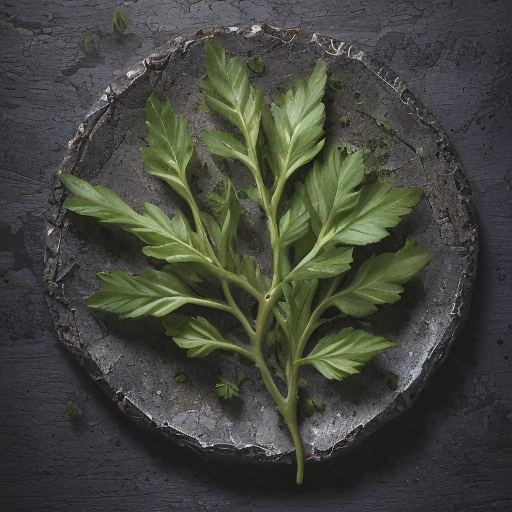
Thyme
In ancient Rome, thyme was burned in temples to purify the air and ward off evil spirits, and Roman soldiers added it to their baths to strengthen their courage. In the Middle Ages, noble ladies embroidered thyme on knights' scarves as a symbol of bravery. The ancient Greeks used it in baths and temples, and its name derives from the Greek 'thymos', meaning 'courage'.
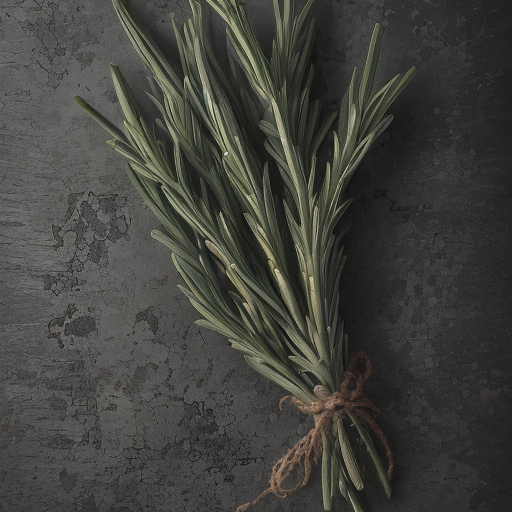
Rosemary
In ancient Rome, rosemary was a symbol of remembrance and fidelity, used in bridal crowns and funeral rites. Legend says that the goddess Venus, emerging from the sea waves, created rosemary.
You may also like
 Chicken
Air Fryer Caesar Salad with Chicken – Quick and Crispy Recipe
 Chicken
Crispy Air Fryer Chicken Breast
 Chicken
Air Fryer Chicken Breast – Quick 17-Minute Recipe
 Chicken
Crispy Orange Chicken in Air Fryer
 Chicken
Air Fryer Chicken Breast: Juicy and Buttery in 20 Minutes
 Chicken