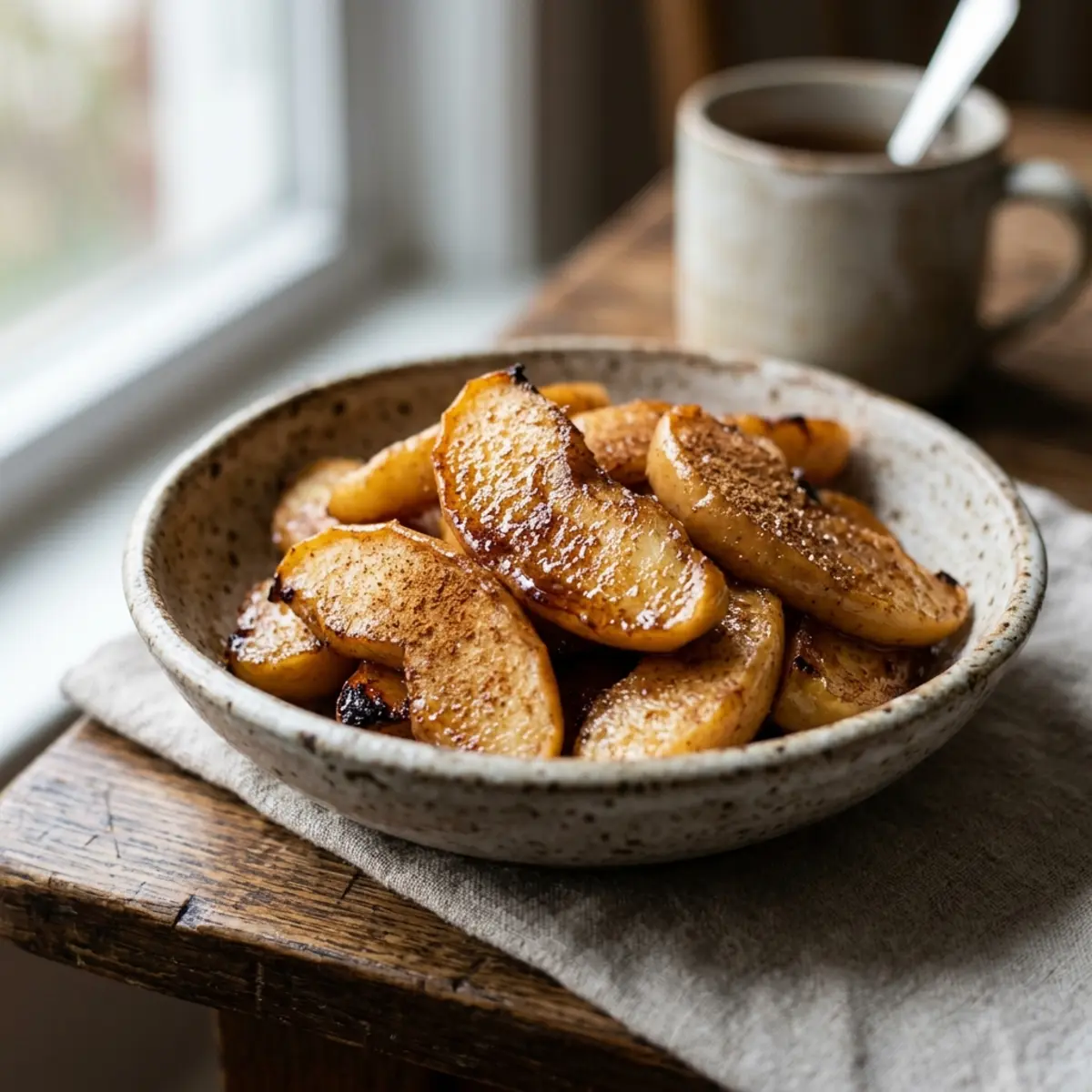
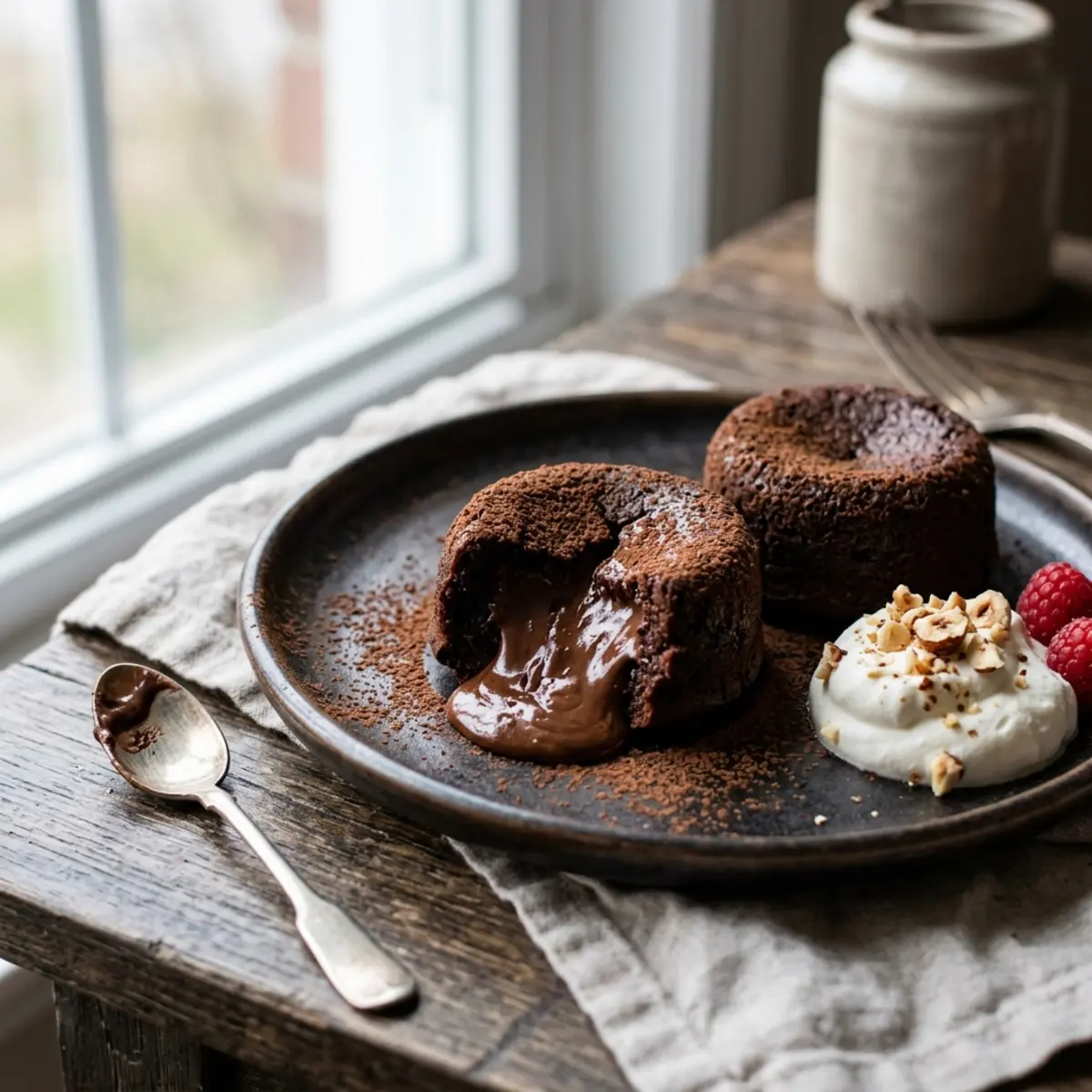
Nutella Lava Cakes in Air Fryer
Decadent lava cakes with a Nutella center, quickly cooked in an air fryer. Perfect for an indulgent dessert.
Steps
- 01
Preheat air fryer to 190°C (370°F).
- 02
In a microwave-safe bowl, combine chocolate chips and 4 tablespoons butter. Microwave in 30-second intervals, stirring each time, until completely melted and smooth.
- 03
Add eggs, vanilla, salt, flour, and 1/2 cup powdered sugar to the melted chocolate. Whisk until well combined.
- 04
In a small bowl, mix Nutella, 1 tablespoon softened butter, and 1 tablespoon powdered sugar with a fork until combined.
- 05
Grease two 180ml ramekins with cooking spray. Avoid aerosol sprays (like PAM) which can damage non-stick surfaces.
- 06
Pour half of the chocolate batter into each ramekin.
- 07
Place half of the Nutella mixture in the center of each ramekin, then cover with remaining batter, ensuring Nutella is completely enclosed.
- 08
Gently place ramekins in air fryer and bake for 8-11 minutes.
- 09
Carefully remove ramekins and let cool on a wire rack for 5 minutes.
- 10
Run a thin knife around the edges of each cake, then invert onto serving plates.
- 11
Serve immediately with vanilla ice cream, chocolate syrup, or desired topping.
Recipe story
Lava cakes were created in 1987 by French chef Jean-Georges Vongerichten at his New York restaurant. Inspired by a classic French dessert, he discovered that reducing baking time leaves the center soft and molten. The recipe quickly became popular worldwide. The Nutella version adds a modern, indulgent twist, easily made in an air fryer.
Ingredient Secrets
Discover the culinary secrets and flavor history of key ingredients in this dish.
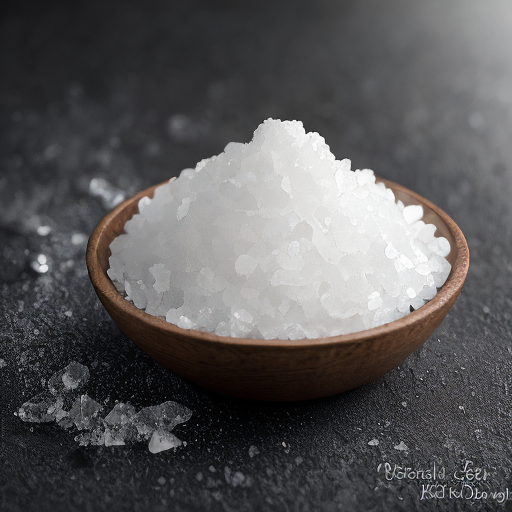
Sea salt
Sea salt, extracted from ocean waters by evaporation, was one of the most precious goods of antiquity, used both as food and as currency. In ancient Rome, soldiers were paid with salt, which is the origin of the word 'salary'. Salt roads connected entire civilizations, and in the Middle Ages, salt was so valuable it was called 'white gold'.
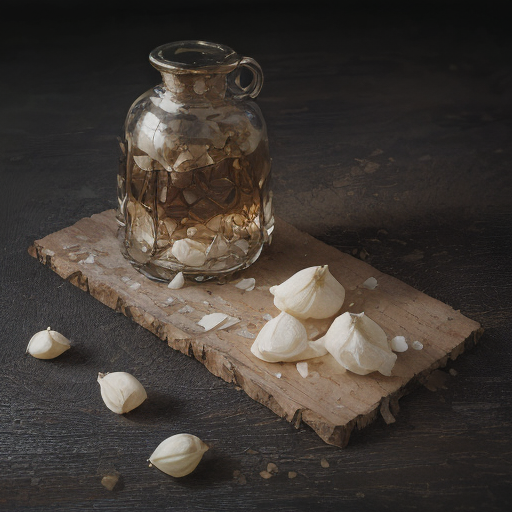
Vanilla
Vanilla, native to Mexico, was discovered by Spanish conquistadors who brought it to Europe in the 16th century. In Aztec culture, vanilla was used to flavor a royal cocoa drink. For centuries, hand-pollination was a closely guarded secret, and it wasn't until 1841 that a 12-year-old slave on Réunion discovered the method that allowed widespread cultivation.