Mexican Air Fryer Fries – Crispy and Spicy in 25 Minutes
Crispy fries with Mexican spices, melted cheese and jalapeno, quickly cooked in an air fryer.
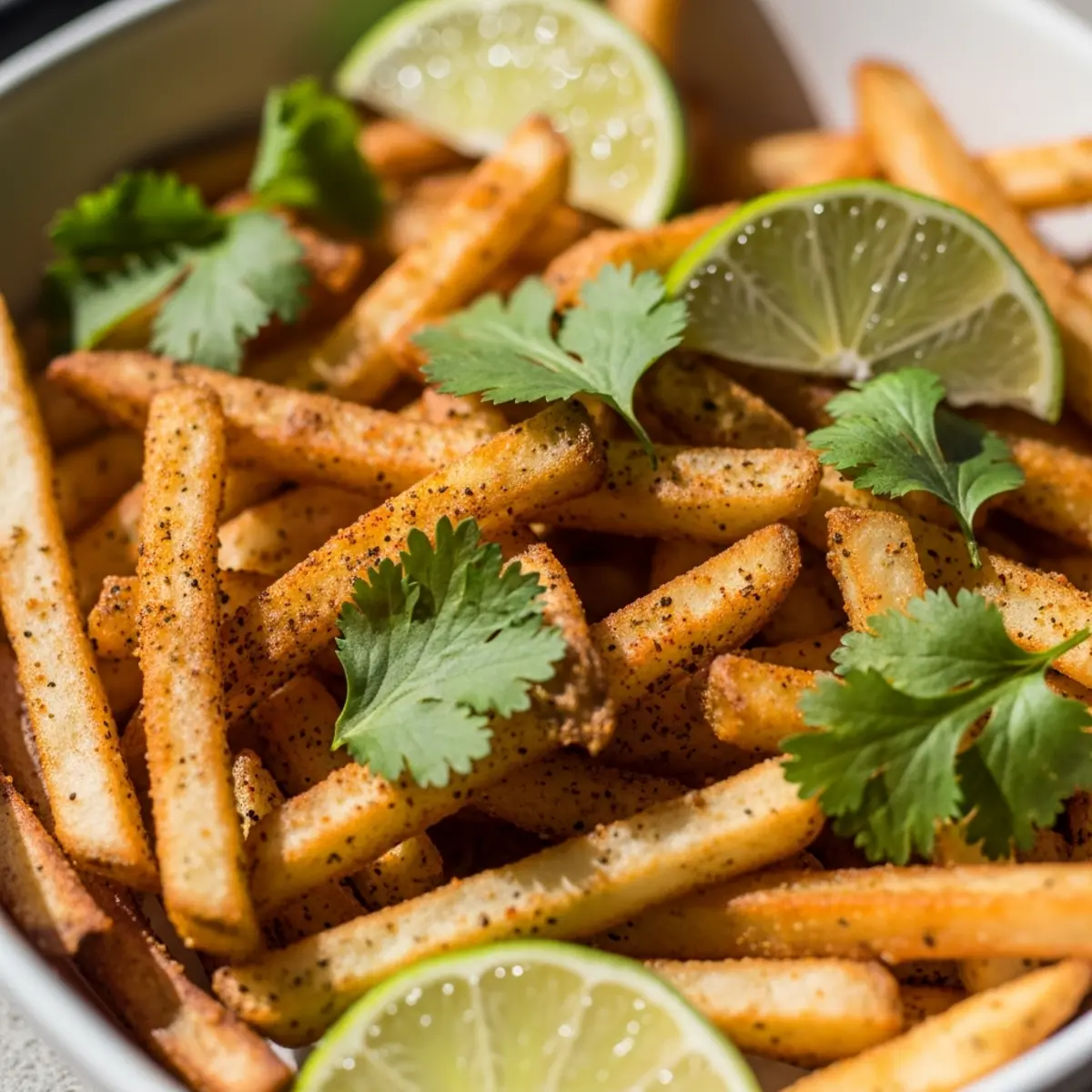
Steps
- 01
Wash potatoes thoroughly and cut them into thin sticks, about finger-thick.
- 02
Place potato slices in cold water and soak for 10 minutes, then dry very well with a kitchen towel.
- 03
In a bowl, mix olive oil with sweet paprika, cumin, garlic powder, salt, black pepper and cayenne.
- 04
Add dried potatoes to the spice mixture and toss well so each stick is evenly coated.
- 05
Preheat air fryer to 180°C (350°F).
- 06
Arrange potatoes in the air fryer basket in a single layer (cook in batches if needed).
- 07
Air fry for 15 minutes, shaking the basket halfway through.
- 08
Increase temperature to 200°C (400°F) and cook for another 5 minutes until golden and crispy.
- 09
Meanwhile, grate cheddar cheese and slice jalapenos into rounds.
- 10
When fries are done, sprinkle grated cheese and jalapeno rounds on top, then return to air fryer for 1-2 minutes until cheese melts.
- 11
Serve immediately with sour cream and chopped cilantro.
Recipe story
Jalapeño, native to Mexico, was considered a gift from the gods in pre-Columbian cultures. The potato, brought from South America, became a staple in Mexican cuisine. This modern recipe combines tradition with air fryer technology, offering a crispy and spicy snack.
Ingredient Secrets
Discover the culinary secrets and flavor history of key ingredients in this dish.
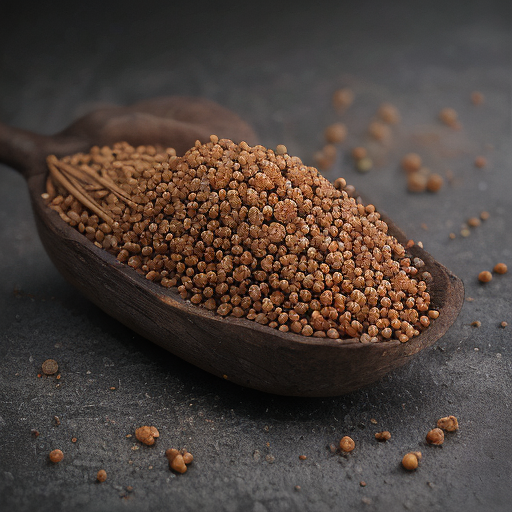
Black pepper
Known as 'black gold' in antiquity, pepper was so valuable that it served as currency and tribute. In the Middle Ages, Venetian merchants controlled the pepper trade, and individual peppercorns were often counted. Legend has it that when Alaric, king of the Visigoths, demanded tribute from Rome, he included 3,000 pounds of pepper.
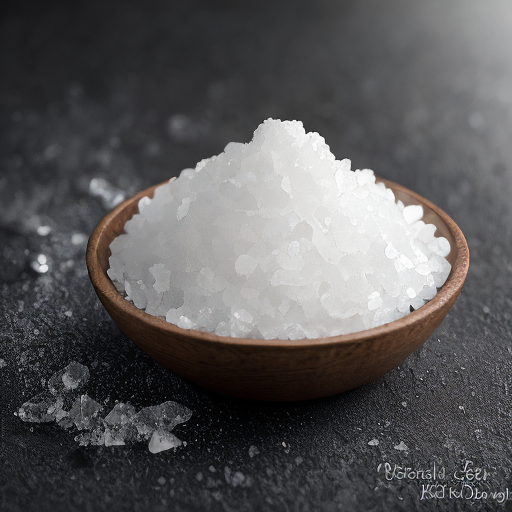
Sea salt
Sea salt, extracted from ocean waters by evaporation, was one of the most precious goods of antiquity, used both as food and as currency. In ancient Rome, soldiers were paid with salt, which is the origin of the word 'salary'. Salt roads connected entire civilizations, and in the Middle Ages, salt was so valuable it was called 'white gold'.
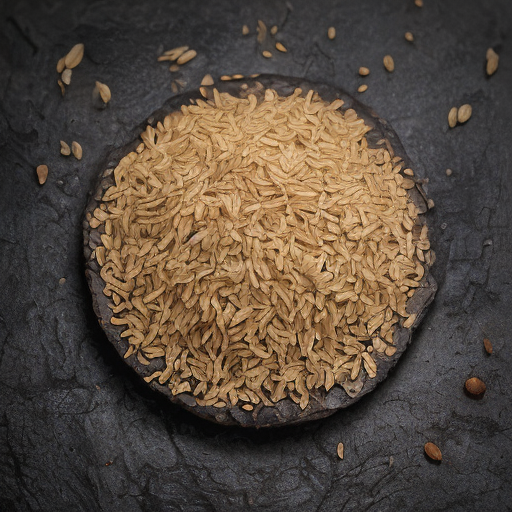
Cumin
Cumin, known since antiquity, was used by Egyptians for embalming and by Romans as a digestive. In the Middle Ages, it was believed to ward off evil spirits, and merchants transported it along the Silk Road from the East to Europe.
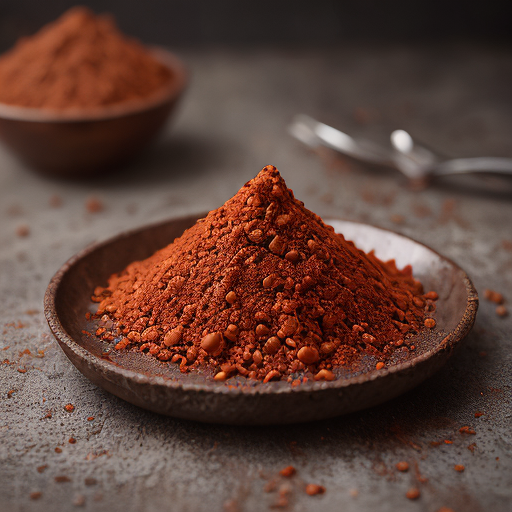
Paprika
Paprika, a emblematic spice brought to Europe by Christopher Columbus from the New World. Although associated with Hungarian cuisine, its origins are in Central America, where it was used by the Aztecs.
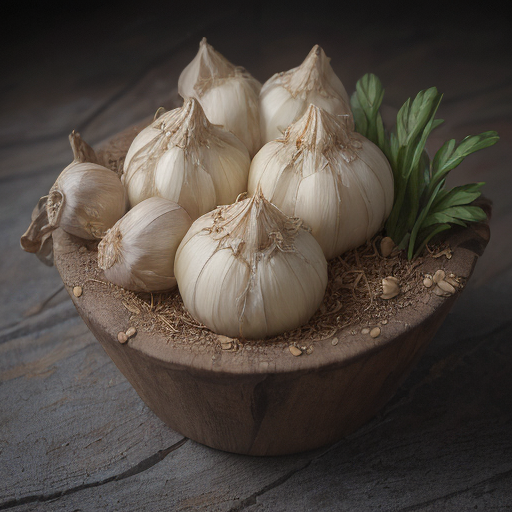
Garlic
Native to Central Asia, garlic was already known in ancient Egypt, where it was given to slaves to boost their strength. In ancient Greece, athletes consumed it before competitions, and in Rome, legionaries considered it essential for courage. During the Middle Ages, it was used to ward off vampires and the plague.
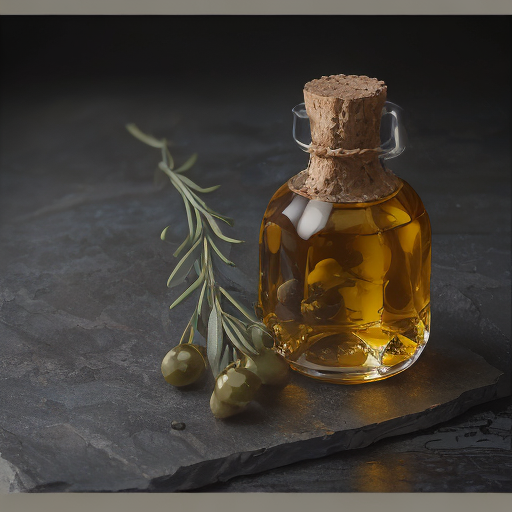
Olive oil
Originating in the Mediterranean basin, olive oil was already produced in ancient Crete 5,000 years ago. In ancient Greece, it was considered a gift from Athena and used in lamps, cosmetics, and religious ceremonies. The Romans spread it throughout the empire, and in the Middle Ages, monasteries preserved the tradition of its production.
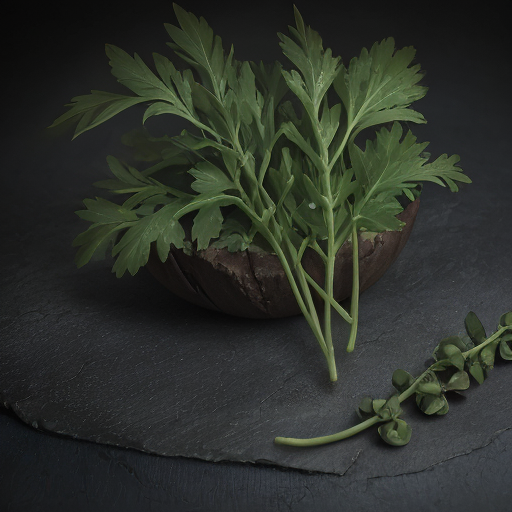
Coriander
Coriander, known since ancient times, was found in Egyptian tombs over 3,000 years old, considered a sacred spice and a remedy for immortality. The Romans brought it to Europe, where it became a staple in Mediterranean and Asian cuisines.
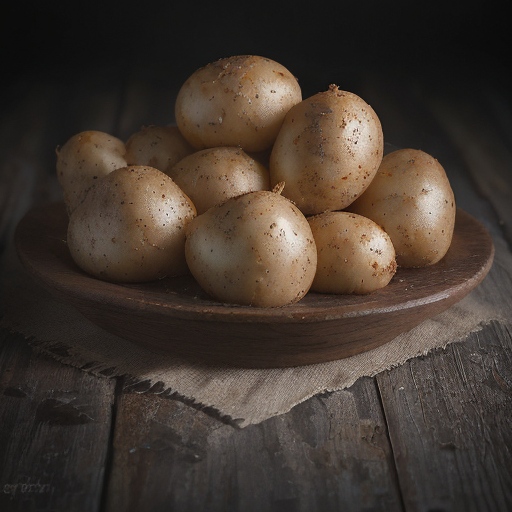
Potato
Although today it seems indispensable on the table, the potato was long viewed with suspicion in Europe. Arriving from the Andes in the 16th century, it was considered a diabolical plant, even poisonous, due to its toxic leaves and fruits. It wasn't until the 18th century, thanks to promoters like Antoine-Augustin Parmentier, that the potato became a staple food, saving Europe from famine.
You may also like
 Misc
MiscAir Fryer S'mores – Quick Campfire Treat Without Fire
 Misc
MiscHow to Reheat Frikandellen in Air Fryer: Quick and Crispy Recipe
 Misc
MiscHow to Reheat Chicken in Air Fryer (Crispy and Juicy)
 Misc
MiscCrispy Reheated Chicken Pieces in Air Fryer
 Misc
MiscStuffed Bell Pepper with Mozzarella in Air Fryer
 Misc
Misc