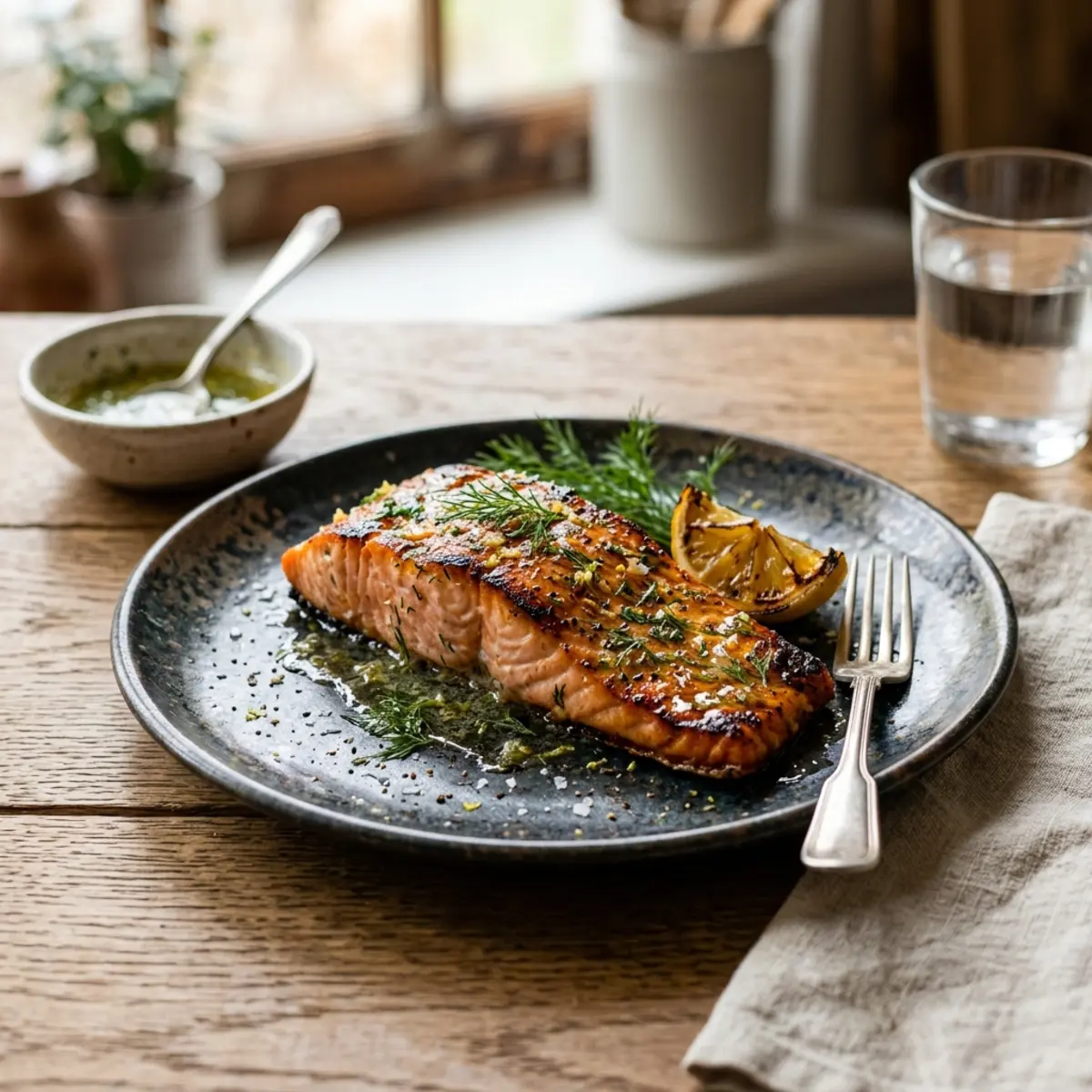
Steps
- 01
Slice the lemon into thick rounds, about 1 cm thick.
- 02
Finely chop the fresh dill.
- 03
Season the salmon fillets with salt and pepper.
- 04
Place a few lemon rounds on each fillet and sprinkle with chopped dill.
- 05
Put the salmon in the air fryer basket and cook at 180°C (350°F) for 10–12 minutes, until the fish flakes easily with a fork.
Recipe story
Salmon has been prized since ancient times in Nordic cuisines, while dill, native to Southwest Asia, was introduced to Europe by the Romans. Lemon, brought from Southeast Asia, became popular in Mediterranean cooking. The combination was perfected by French chefs in the 19th century, becoming a classic.
Ingredient Secrets
Discover the culinary secrets and flavor history of key ingredients in this dish.
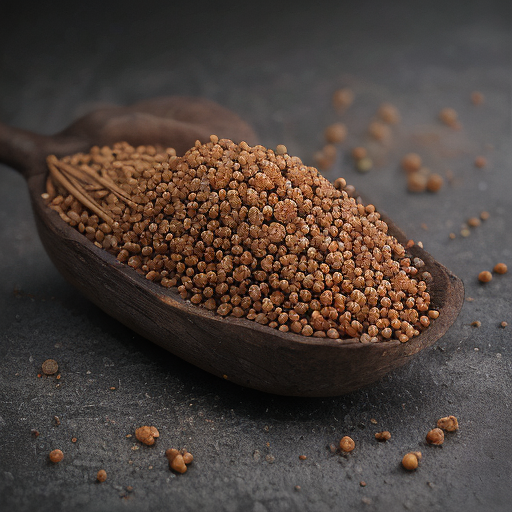
Black pepper
Known as 'black gold' in antiquity, pepper was so valuable that it served as currency and tribute. In the Middle Ages, Venetian merchants controlled the pepper trade, and individual peppercorns were often counted. Legend has it that when Alaric, king of the Visigoths, demanded tribute from Rome, he included 3,000 pounds of pepper.
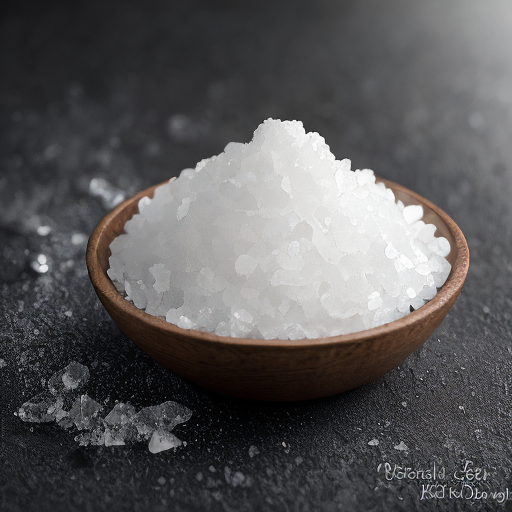
Sea salt
Sea salt, extracted from ocean waters by evaporation, was one of the most precious goods of antiquity, used both as food and as currency. In ancient Rome, soldiers were paid with salt, which is the origin of the word 'salary'. Salt roads connected entire civilizations, and in the Middle Ages, salt was so valuable it was called 'white gold'.
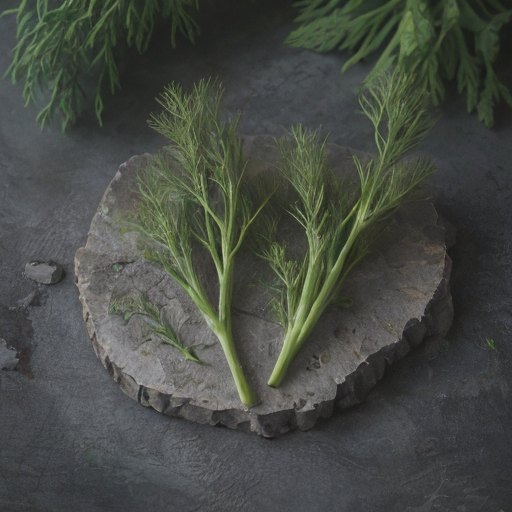
Dill
In ancient Rome, dill was considered a symbol of prosperity, and gladiators consumed it before battles to boost their courage. In the Middle Ages, it was used as a magical ingredient against witchcraft.
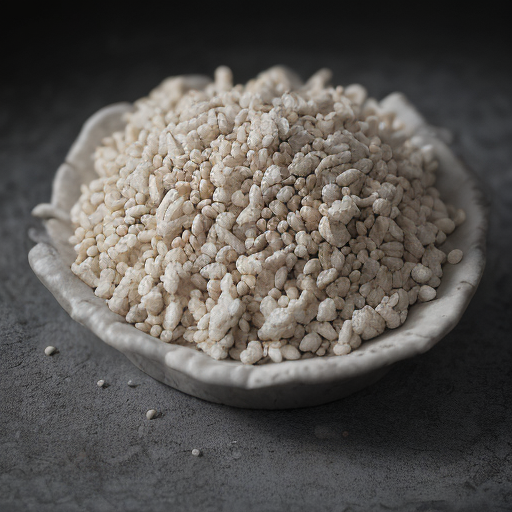
Sesame
In Assyrian mythology, the gods drank sesame wine on the night before the creation of the world, and in ancient Rome, sesame seeds were sprinkled on soldiers' bread to give them strength. In the Middle Ages, sesame was considered a magical food capable of boosting vitality. Today, it is valued for its oil rich in essential fatty acids.
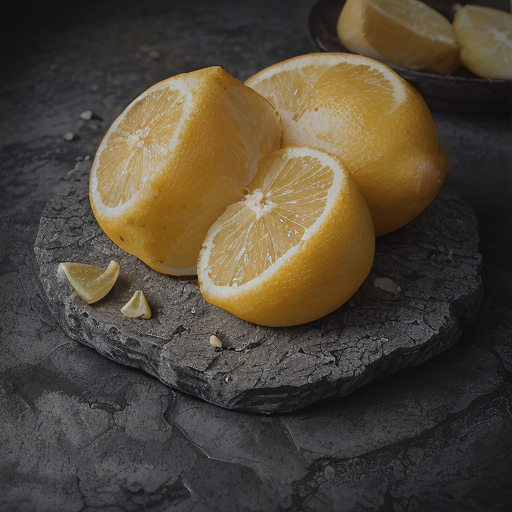
Lemon
The lemon is an ancient hybrid between citron and bitter orange, likely originating in northern India or China. In the Middle Ages, lemons were so valuable that they were given as gifts to kings. Fun fact: during the Gold Rush, British sailors were given lemons to prevent scurvy, leading to the nickname 'limey'.
You may also like
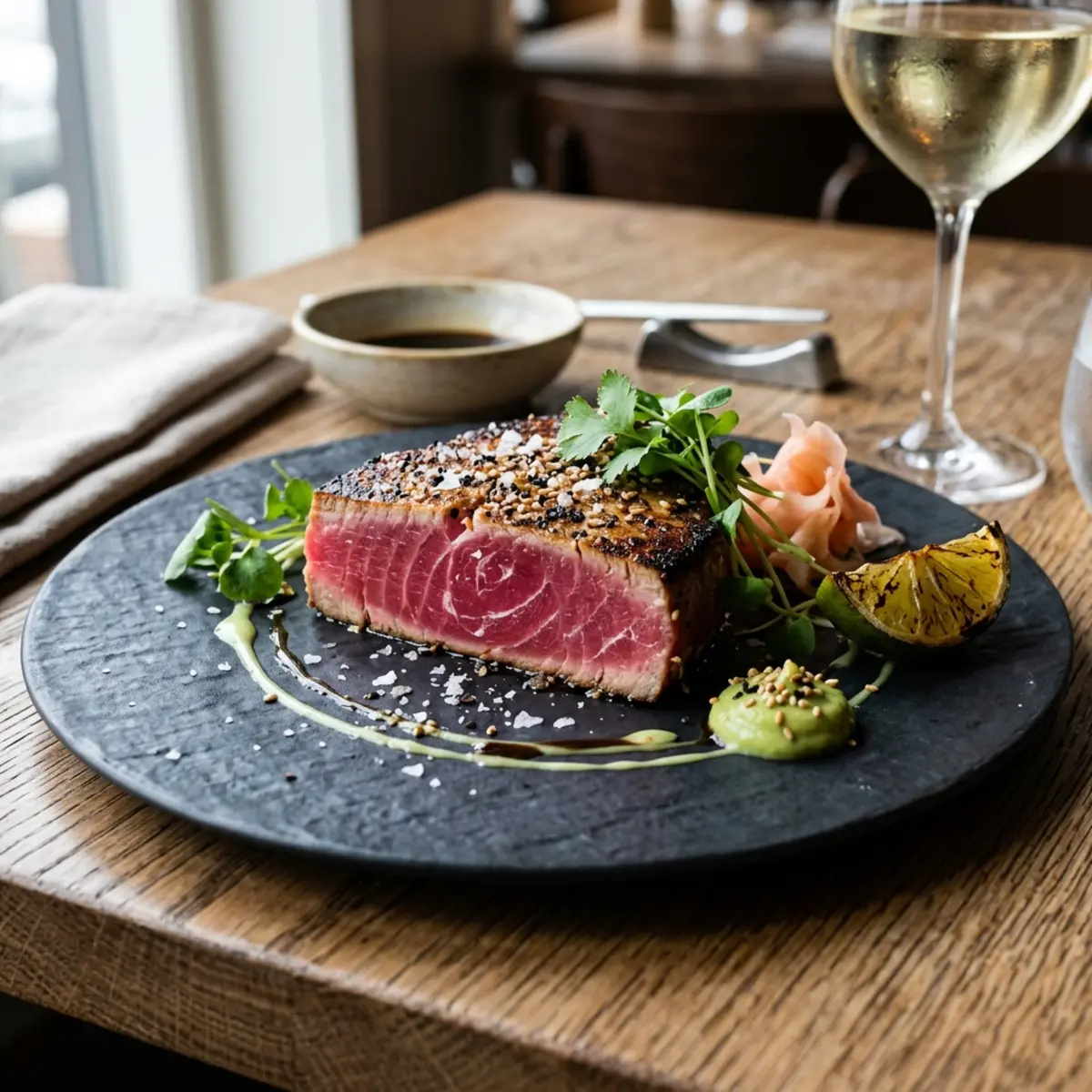 Fish
FishAir Fryer Tuna Steak – Quick and Easy Recipe in 12 Minutes
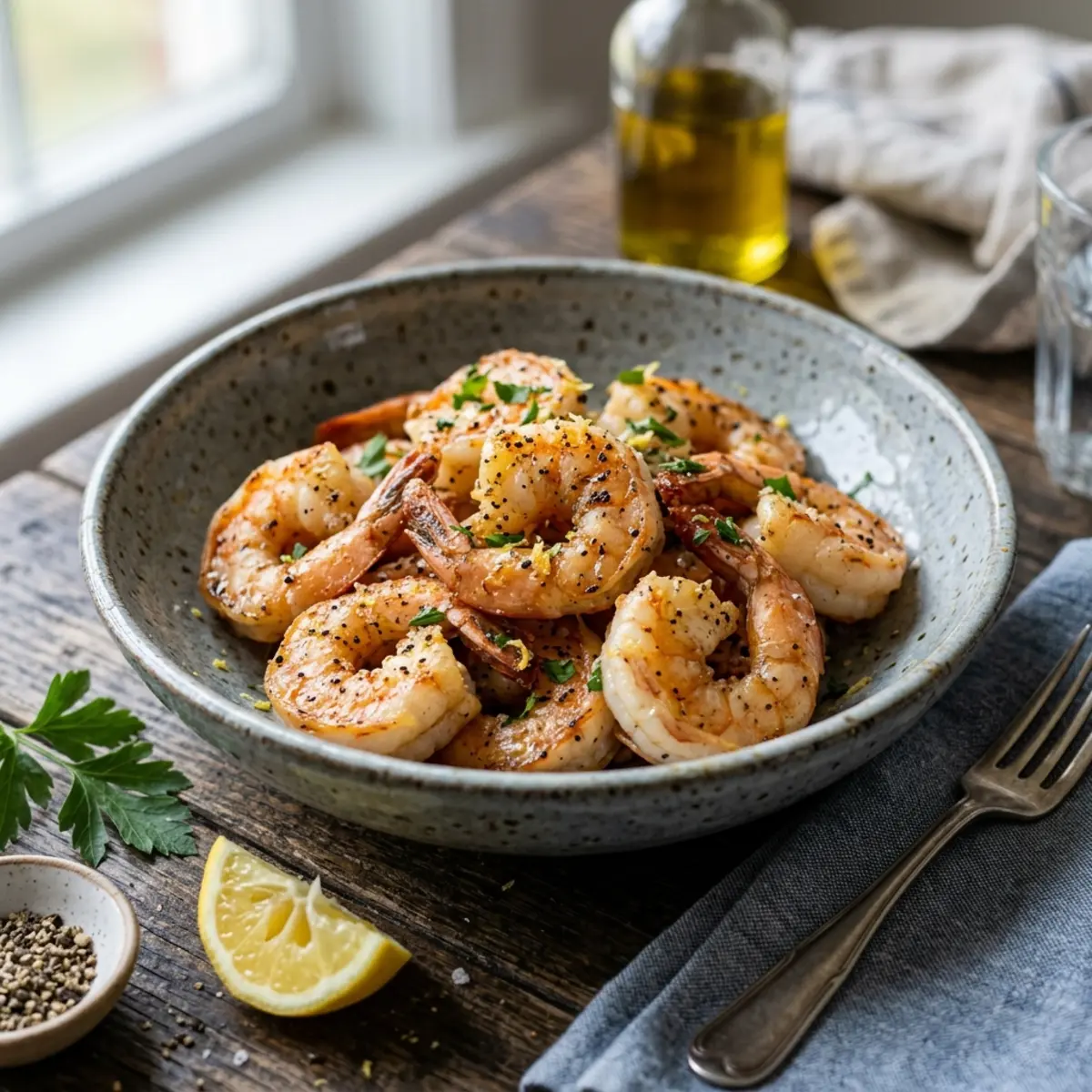 Fish
FishAir Fryer Lemon Pepper Shrimp
 Fish
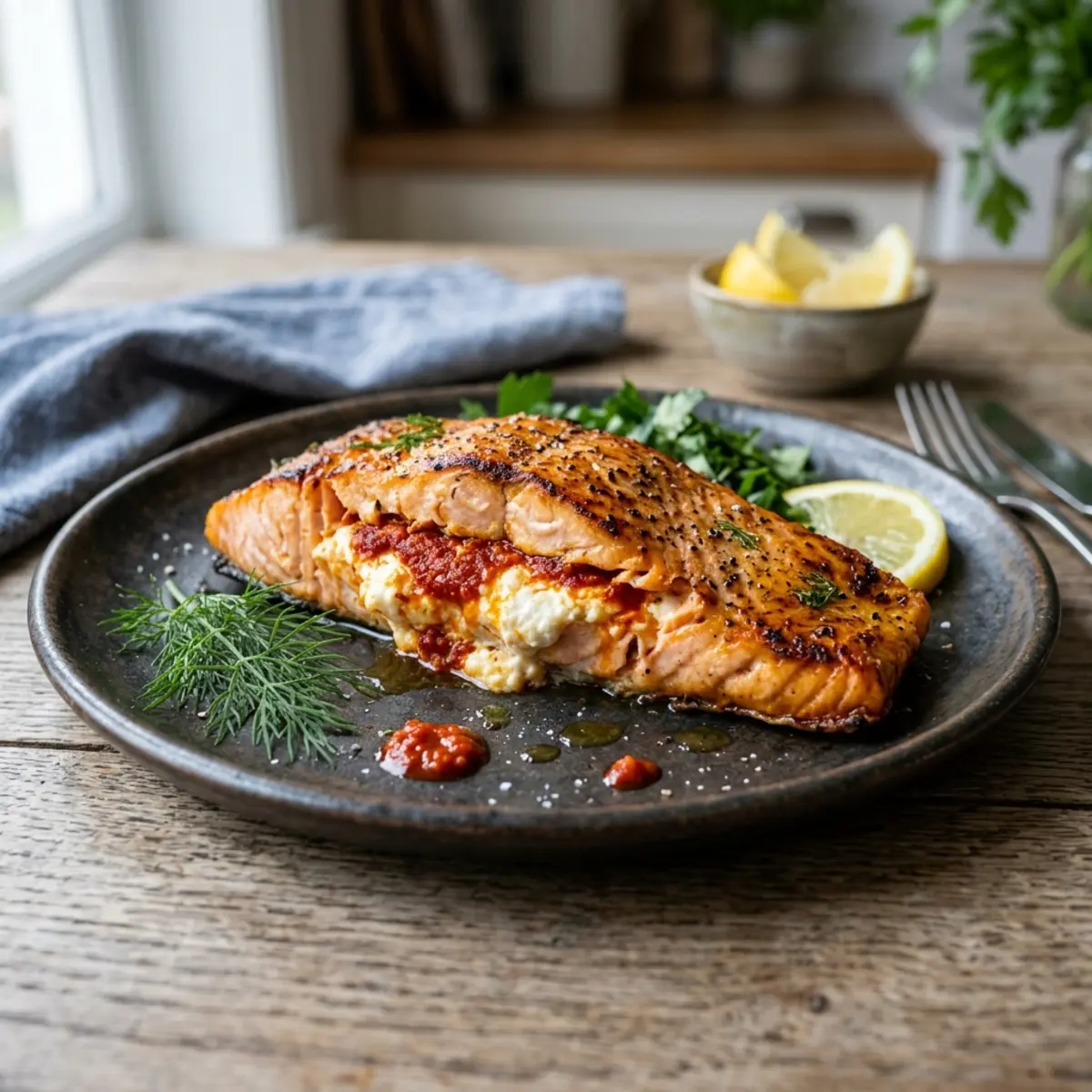
FishSalmon stuffed with ricotta and harissa in Air Fryer
 Fish
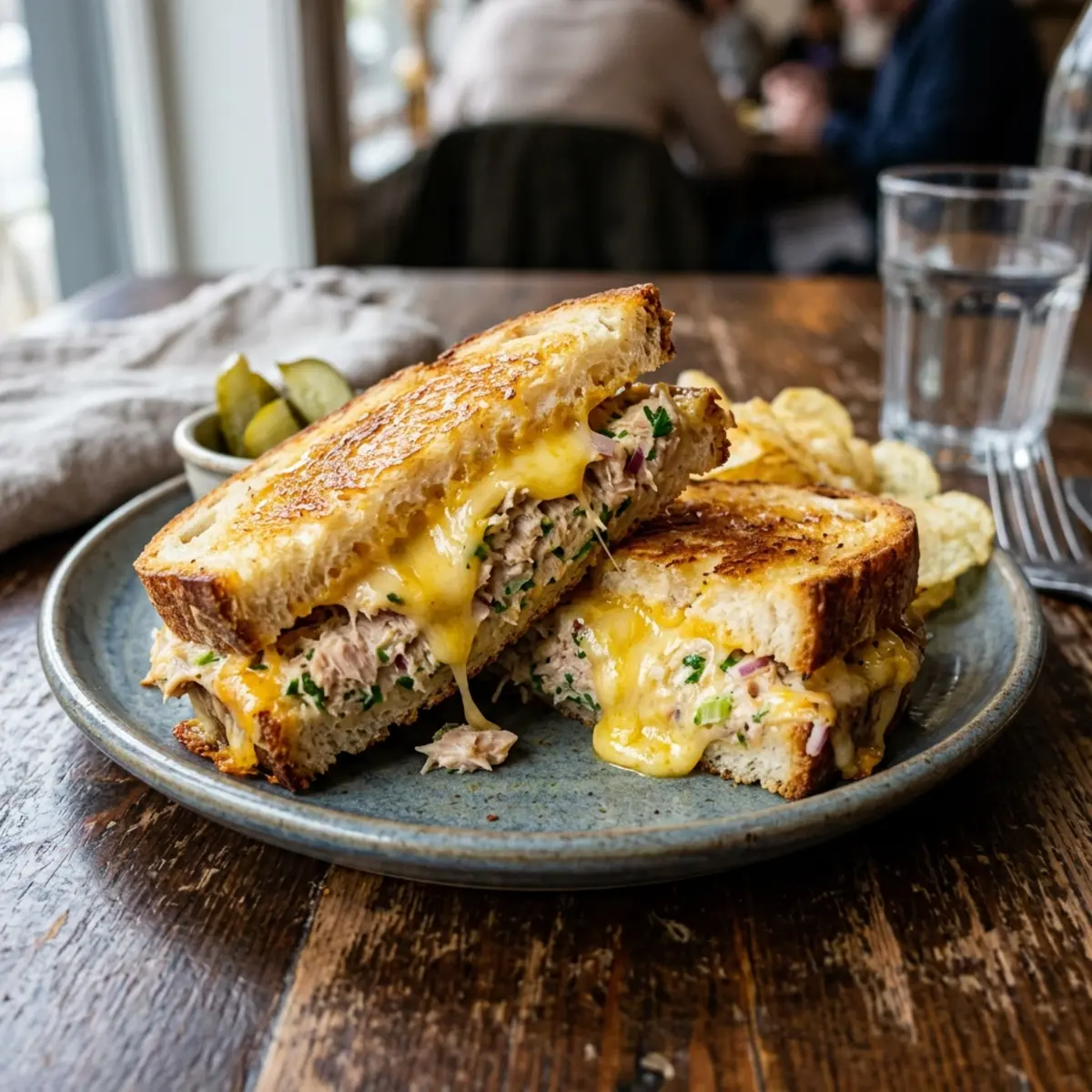
FishAir Fryer Tuna Melt – Crispy Tuna and Cheese Sandwich in 15 Minutes
 Fish
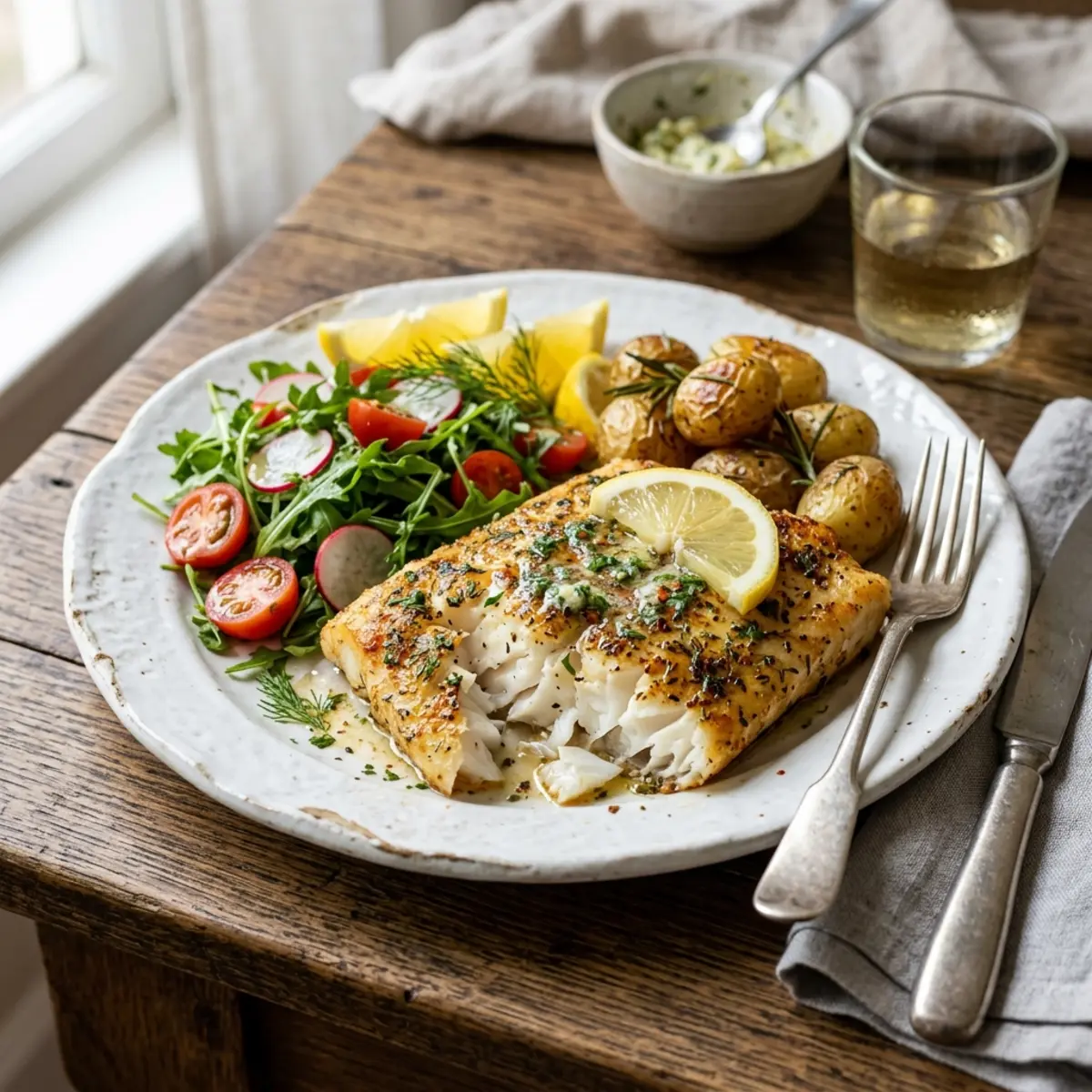
FishAir Fryer Fresh Cod Fillet - Quick & Easy 15-Min Recipe
 Fish
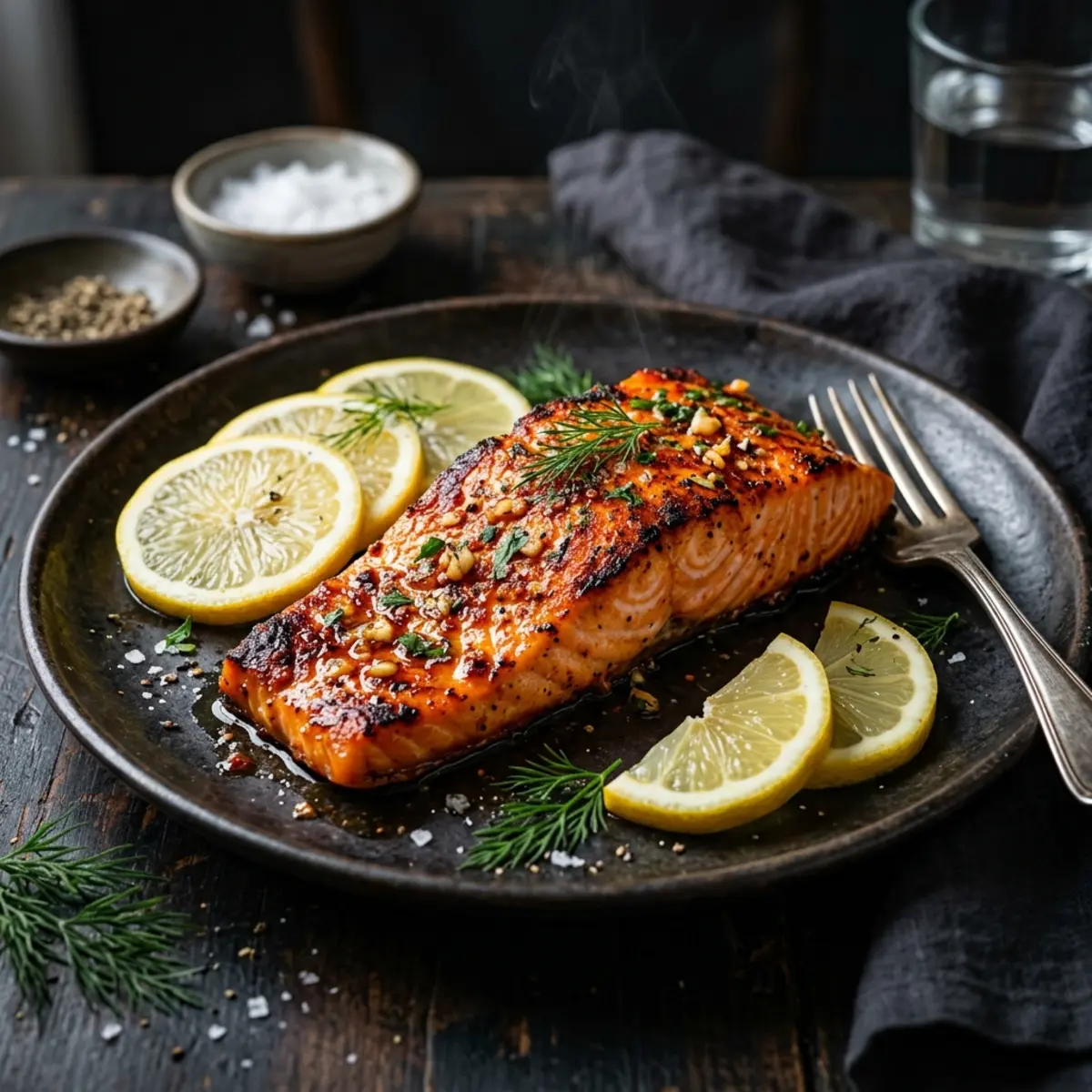
Fish