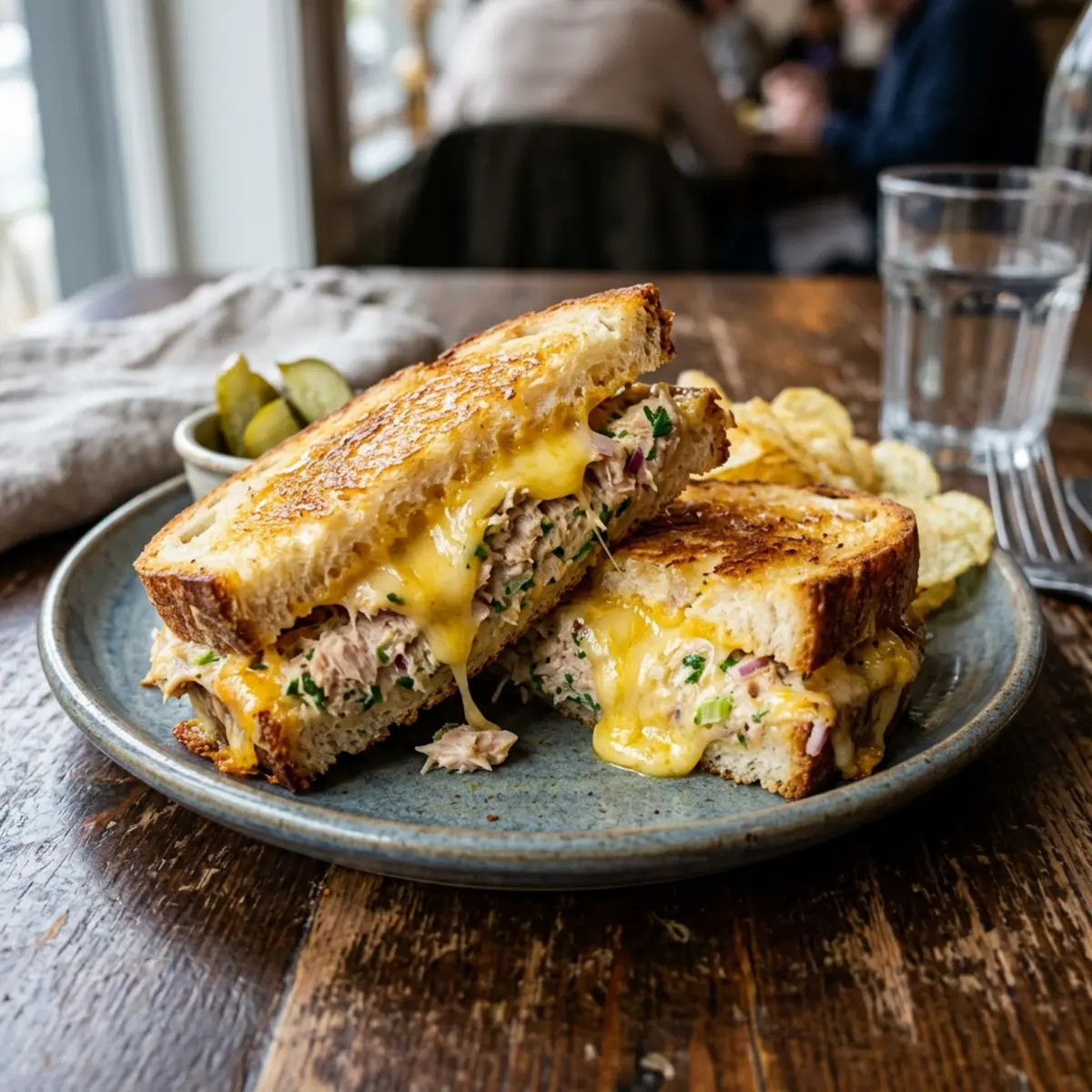
Air Fryer Tuna Melt – Crispy Tuna and Cheese Sandwich in 15 Minutes
A crispy and delicious tuna melt sandwich with melted cheese and golden bread, cooked quickly in the air fryer.
Steps
- 01
Preheat the air fryer to 193°C (380°F) for 5 minutes.
- 02
Drain the tuna well and flake it with a fork in a bowl.
- 03
Add mayonnaise and relish; mix well. Season with salt and pepper to taste.
- 04
Spread the softened butter on one side of each bread slice.
- 05
Place 1-2 slices buttered side down in the air fryer basket. Sprinkle shredded cheese on top. Cook for 1 minute to melt the cheese.
- 06
Open the drawer, add about 1/2 cup of the tuna mixture and spread evenly. Top with another bread slice, buttered side up.
- 07
Close the air fryer and cook for another 2 minutes, until the top is golden and crispy.
Recipe story
The modern tuna melt originated in American cuisine in the 1960s, when canned tuna became a staple. This crispy reinterpretation in the air fryer pays homage to culinary ingenuity. It is said that at the royal courts of France, hot cheese sandwiches were already popular, and the combination with tuna was a later innovation.
Ingredient Secrets
Discover the culinary secrets and flavor history of key ingredients in this dish.
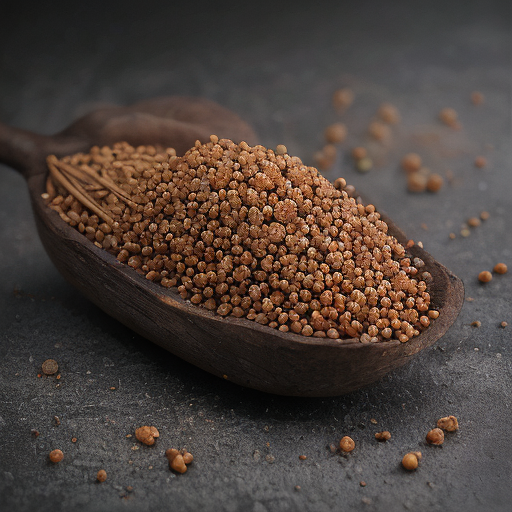
Black pepper
Known as 'black gold' in antiquity, pepper was so valuable that it served as currency and tribute. In the Middle Ages, Venetian merchants controlled the pepper trade, and individual peppercorns were often counted. Legend has it that when Alaric, king of the Visigoths, demanded tribute from Rome, he included 3,000 pounds of pepper.
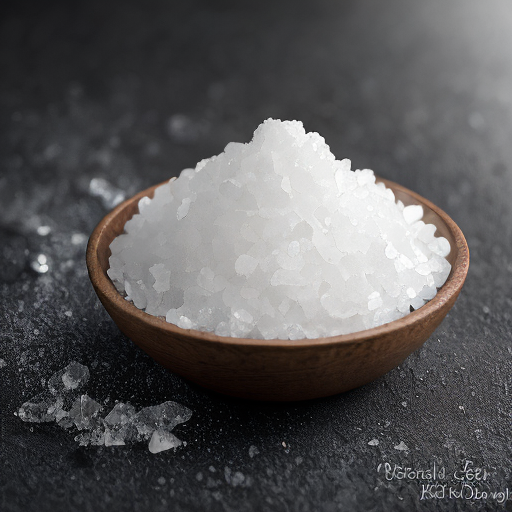
Sea salt
Sea salt, extracted from ocean waters by evaporation, was one of the most precious goods of antiquity, used both as food and as currency. In ancient Rome, soldiers were paid with salt, which is the origin of the word 'salary'. Salt roads connected entire civilizations, and in the Middle Ages, salt was so valuable it was called 'white gold'.