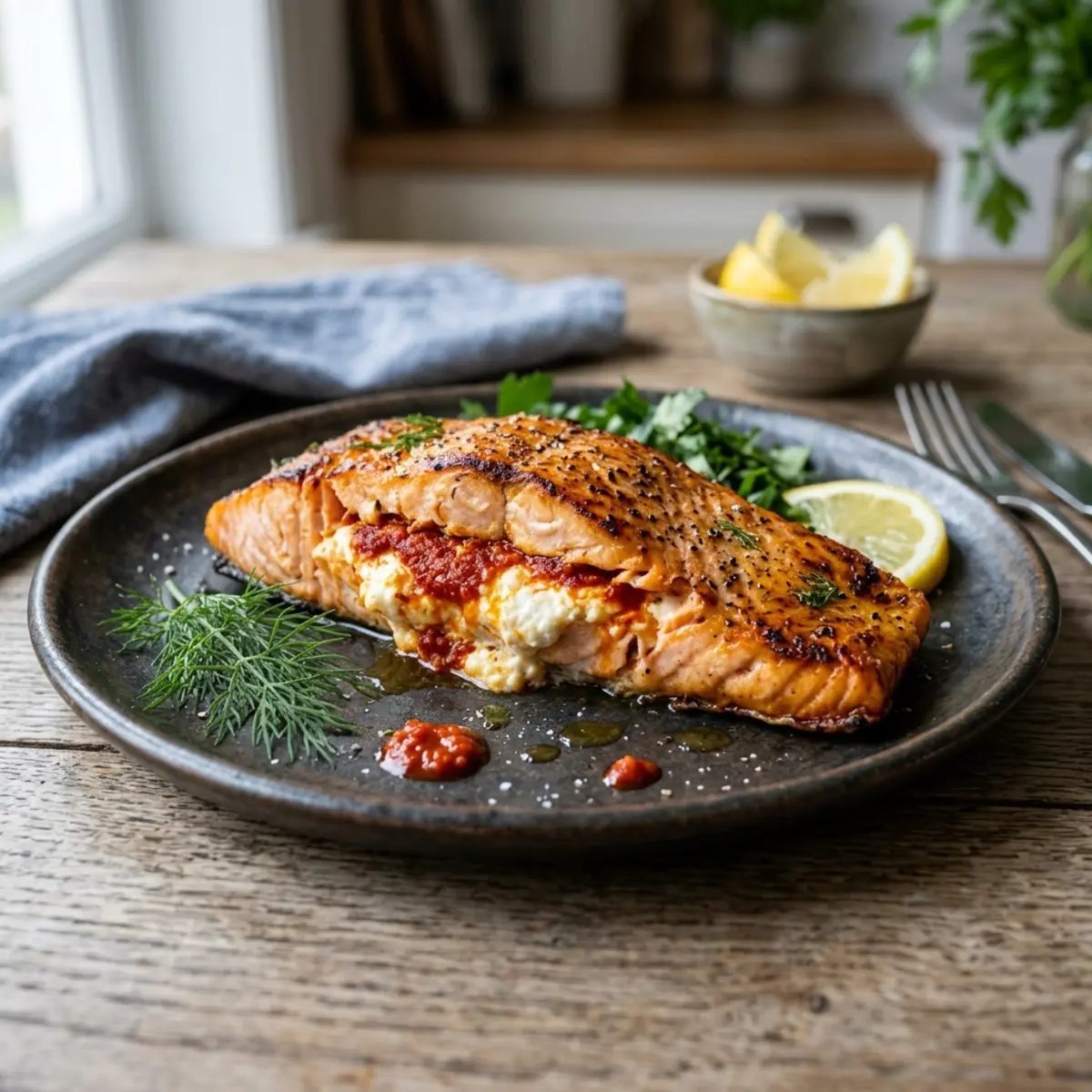
Salmon stuffed with ricotta and harissa in Air Fryer
A quick and flavorful dish, perfect for a light dinner.
Steps
- 01
Thaw the spinach in the microwave, then squeeze out as much liquid as possible. Mix it with ricotta, harissa, salt and pepper.
- 02
Place the salmon fillets skin-side down and cut a deep vertical slit in the center, down to the skin.
- 03
Fill each fillet with about 2 tablespoons of the mixture. Place them on a piece of aluminum foil and drizzle with olive oil.
- 04
Cook in the Air Fryer at 190°C (375°F) for 10 minutes, until the salmon flakes easily with a fork.
- 05
Serve hot with pasta, rice, mashed potatoes or a green salad.
Recipe story
In the royal kitchens of the Ottoman Empire, salmon was considered a gift of the sea, and the combination with ricotta and harissa recalls the trade routes between East and West. Spinach, brought from ancient Persia, was used by sultans to balance the richness of the fish, while harissa, a North African condiment, was introduced to Ottoman cuisine through caravans. This modern recipe reinterprets these influences in a quick Air Fryer dish.
Ingredient Secrets
Discover the culinary secrets and flavor history of key ingredients in this dish.
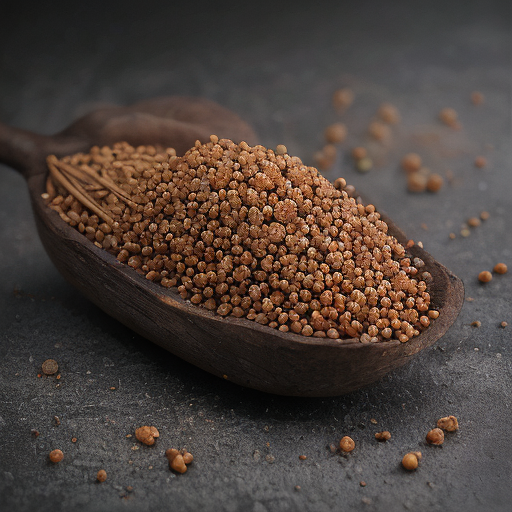
Black pepper
Known as 'black gold' in antiquity, pepper was so valuable that it served as currency and tribute. In the Middle Ages, Venetian merchants controlled the pepper trade, and individual peppercorns were often counted. Legend has it that when Alaric, king of the Visigoths, demanded tribute from Rome, he included 3,000 pounds of pepper.
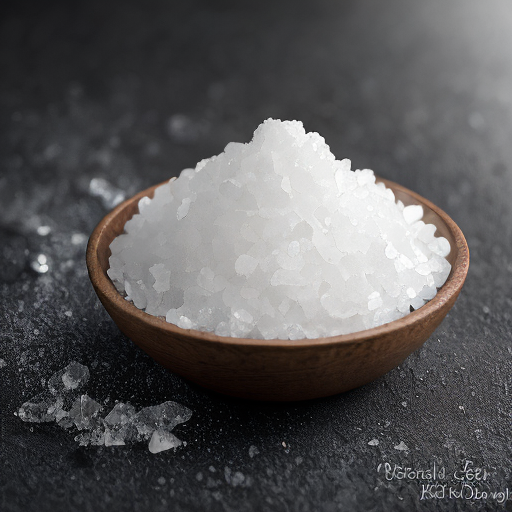
Sea salt
Sea salt, extracted from ocean waters by evaporation, was one of the most precious goods of antiquity, used both as food and as currency. In ancient Rome, soldiers were paid with salt, which is the origin of the word 'salary'. Salt roads connected entire civilizations, and in the Middle Ages, salt was so valuable it was called 'white gold'.
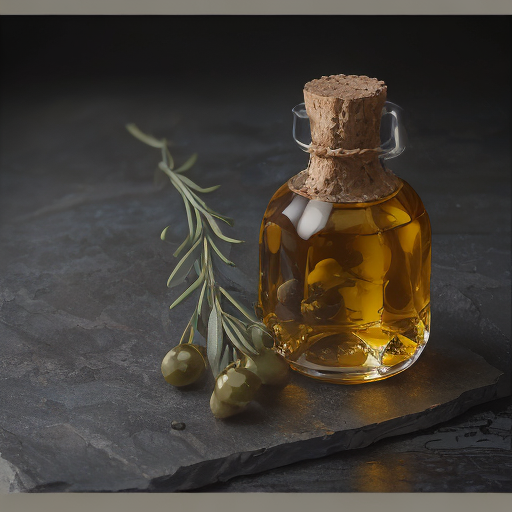
Olive oil
Originating in the Mediterranean basin, olive oil was already produced in ancient Crete 5,000 years ago. In ancient Greece, it was considered a gift from Athena and used in lamps, cosmetics, and religious ceremonies. The Romans spread it throughout the empire, and in the Middle Ages, monasteries preserved the tradition of its production.
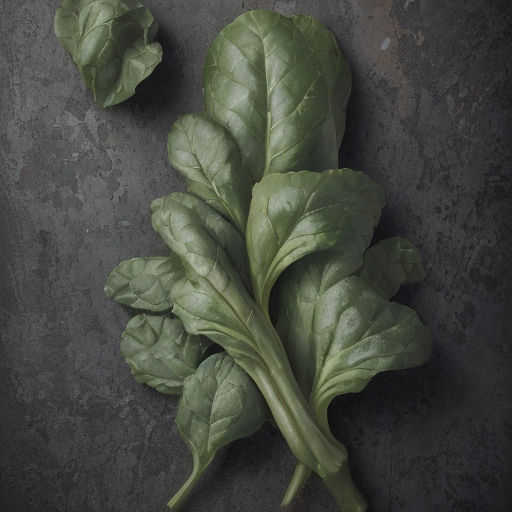
Spinach
Originating in ancient Persia, spinach conquered Europe through the Moors, who brought it to Spain in the 11th century. In the Middle Ages, it was considered a miraculous remedy for various ailments.
You may also like
 Fish
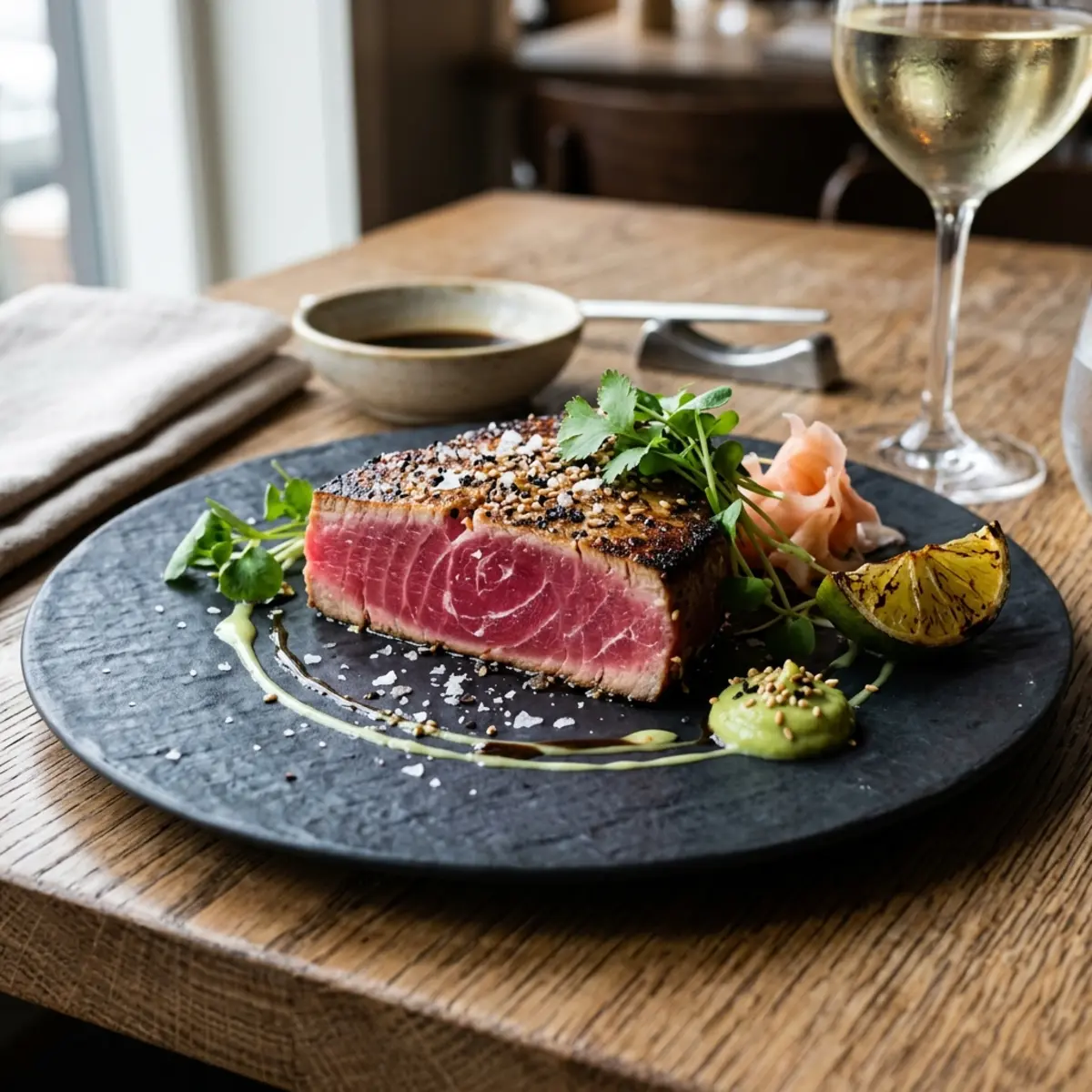
Air Fryer Tuna Steak – Quick and Easy Recipe in 12 Minutes
 Fish
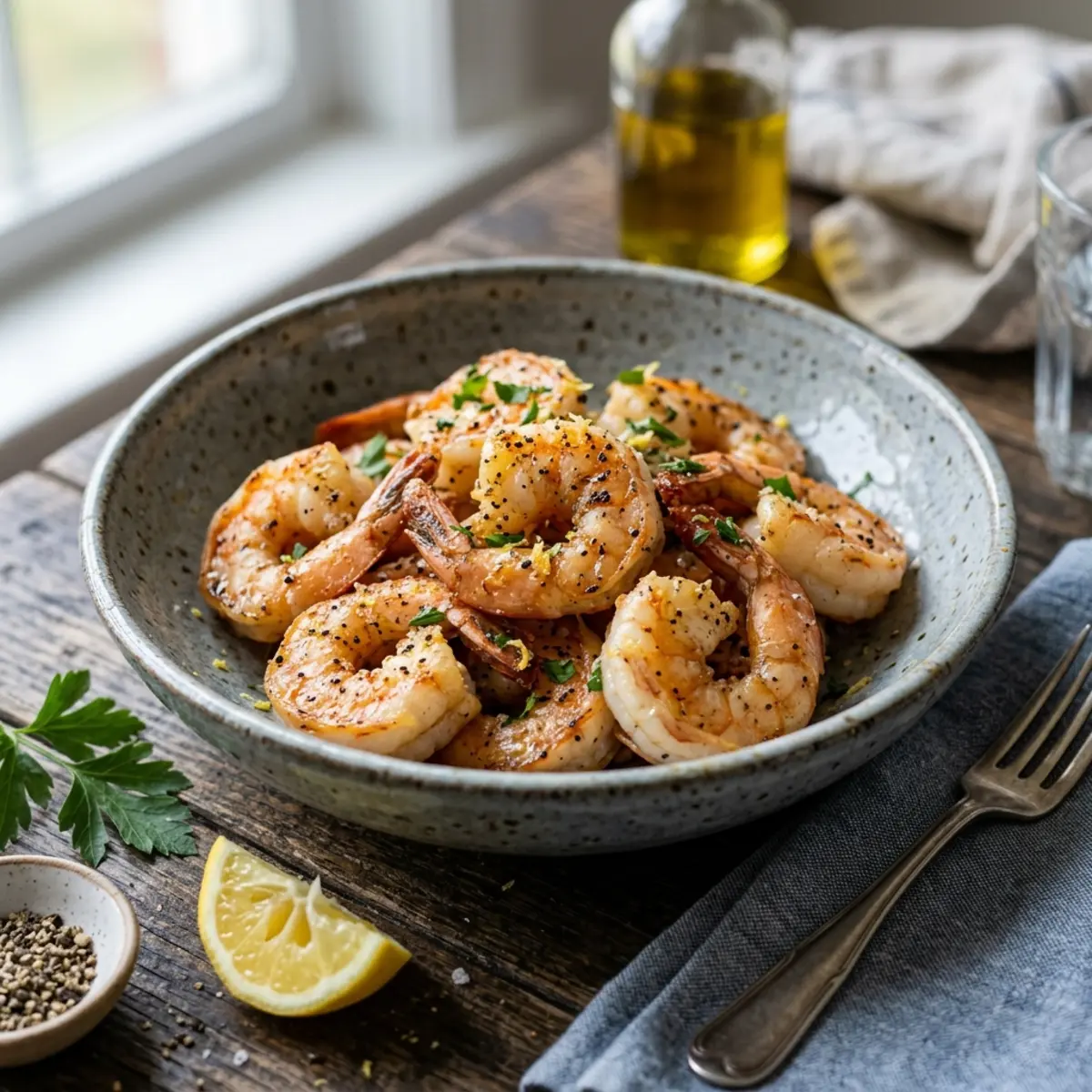
Air Fryer Lemon Pepper Shrimp
 Fish
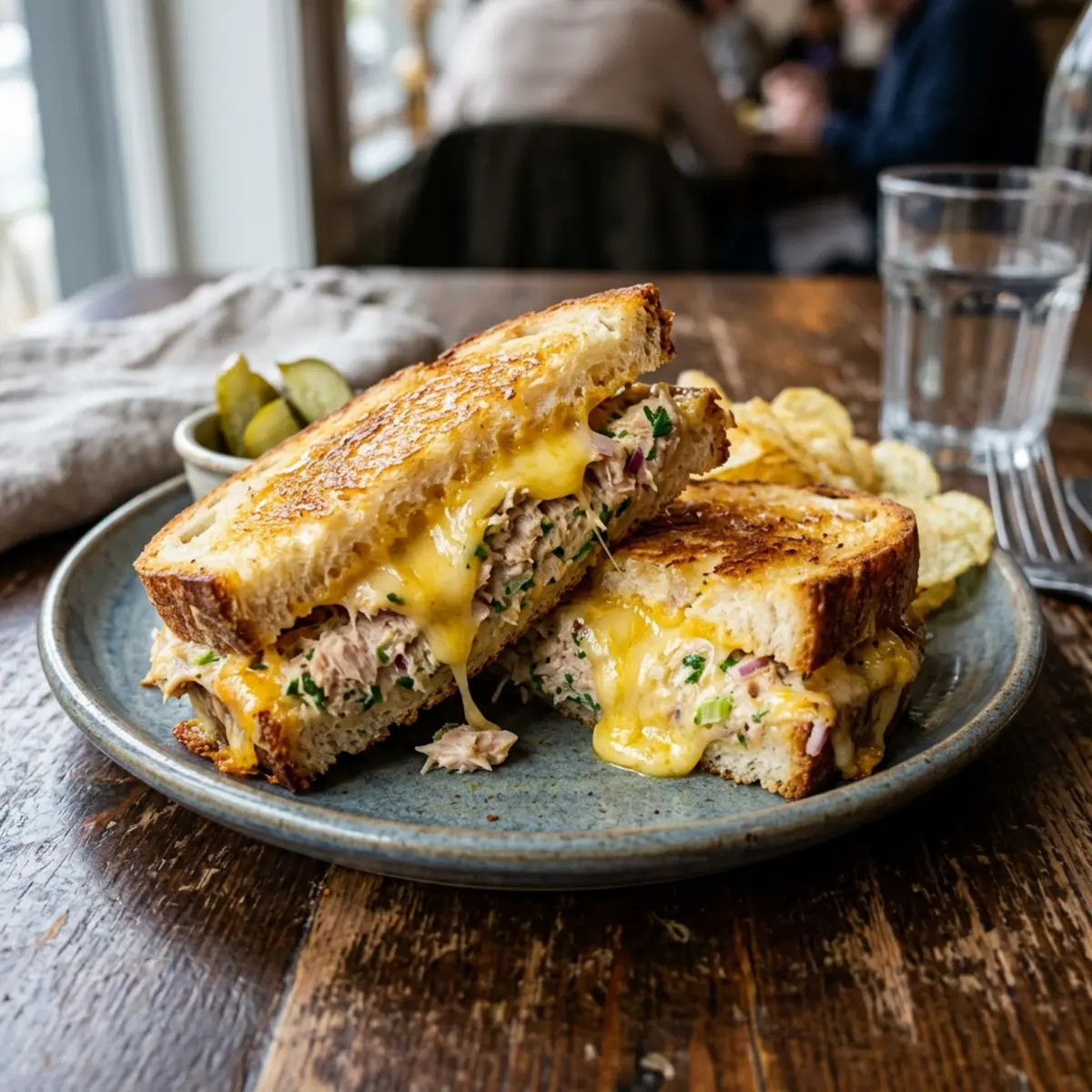
Air Fryer Tuna Melt – Crispy Tuna and Cheese Sandwich in 15 Minutes
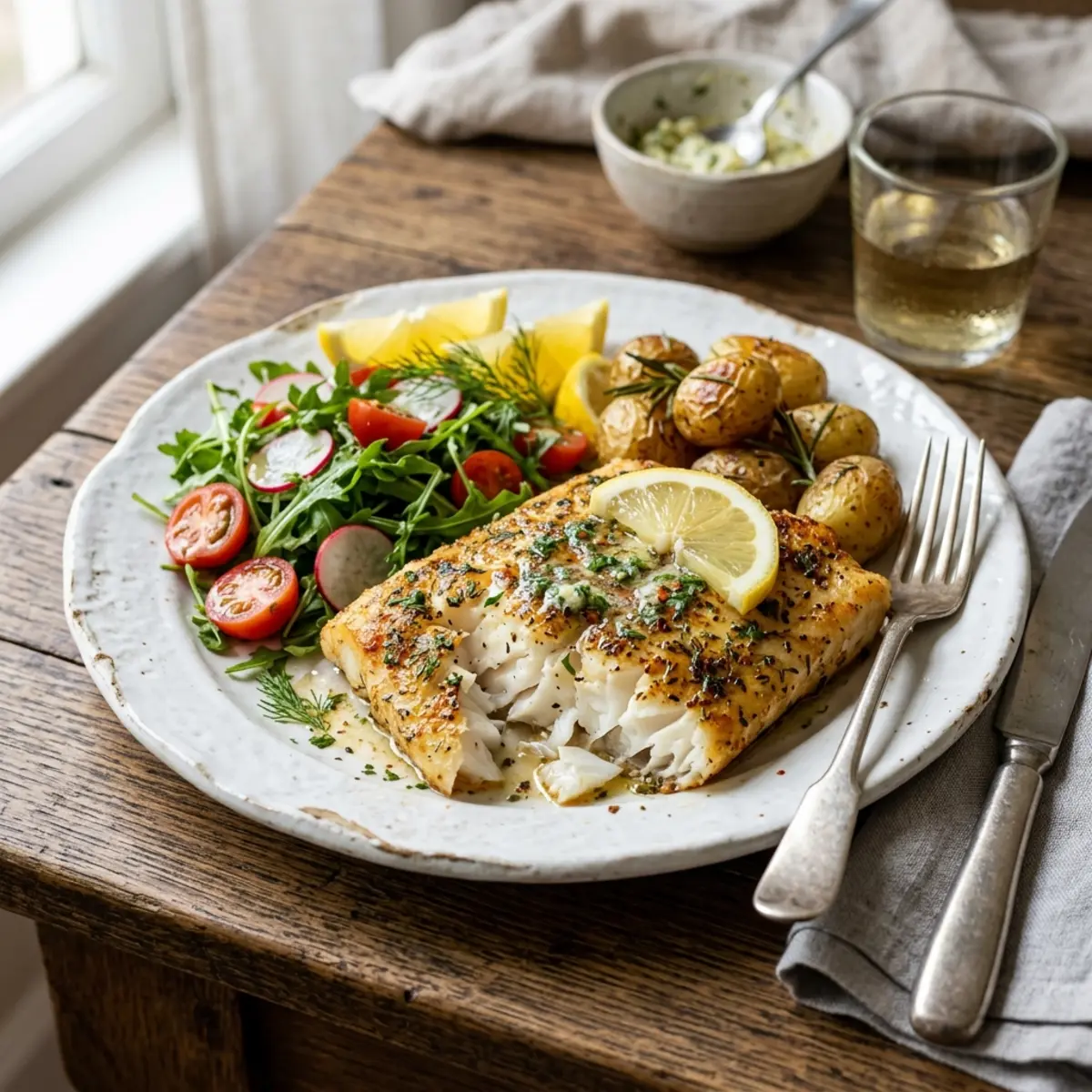 Fish
Air Fryer Fresh Cod Fillet - Quick & Easy 15-Min Recipe
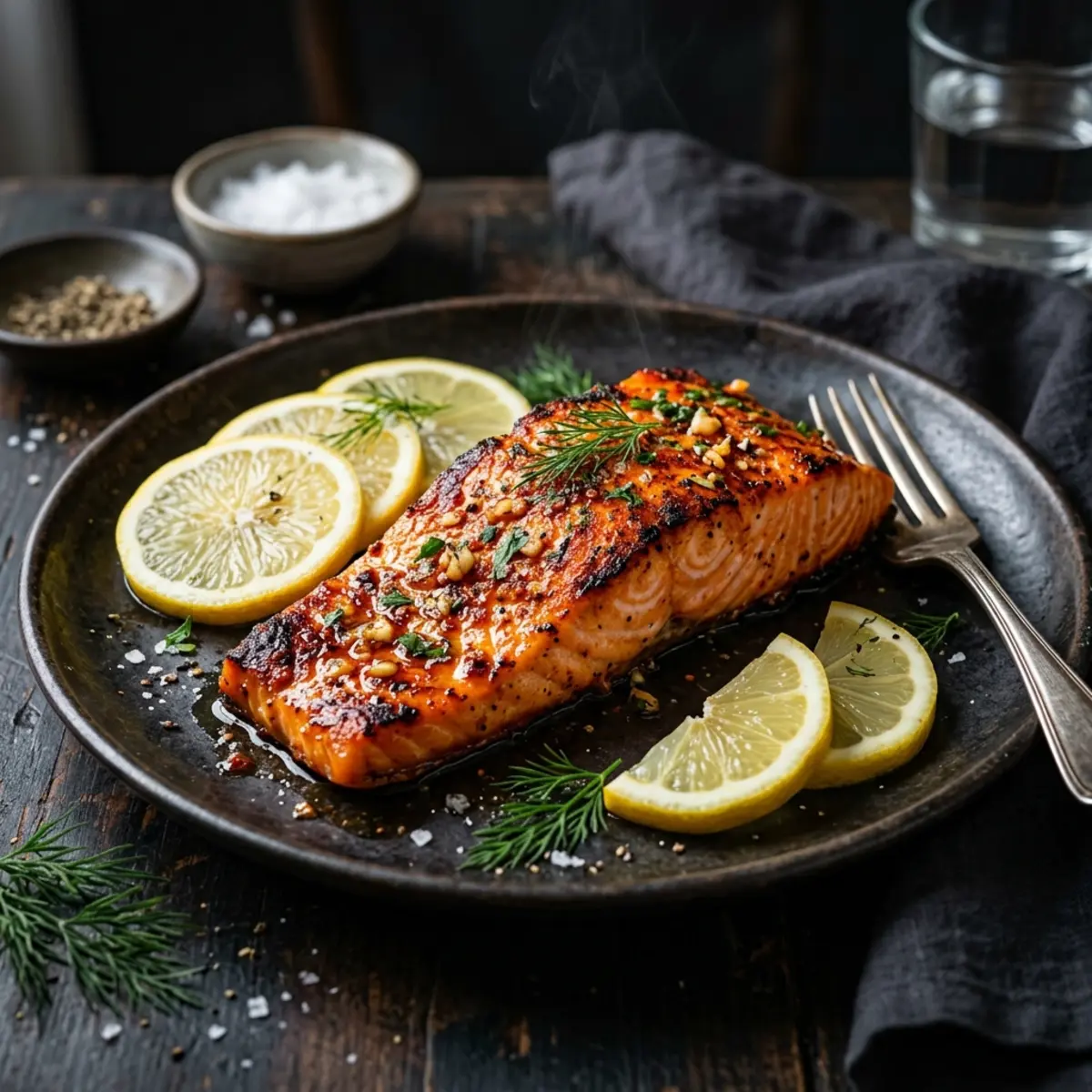 Fish
Air Fryer Salmon with Garlic and Paprika
 Fish