Lamb Navarin in Air Fryer – French Stew in 40 Minutes
A classic French stew, quickly cooked in an air fryer, with tender lamb and spring vegetables.
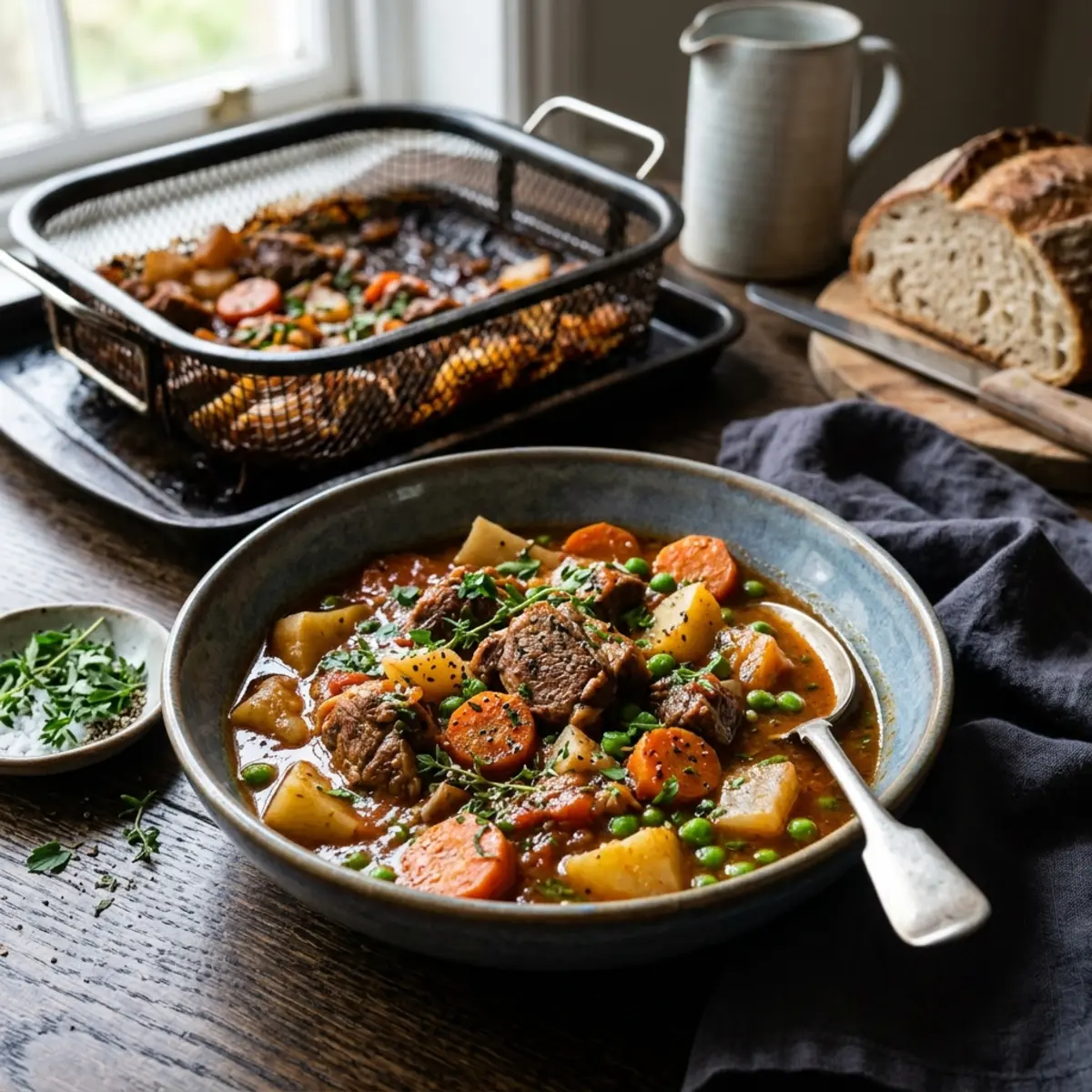
Steps
- 01
Preheat the air fryer to 180°C (350°F).
- 02
In a bowl, mix the lamb pieces, carrots, turnips, potatoes, minced garlic, tomato paste, white wine, and chicken broth. Season with salt and pepper and mix well.
- 03
Transfer the mixture to an air fryer-safe dish. Place the thyme sprig in the center.
- 04
Cook for 30 minutes at 180°C (350°F), stirring halfway through for even cooking.
- 05
Add the peas and cook for another 5 minutes, until the peas are tender.
- 06
Let the navarin rest for 5 minutes before serving. Remove the thyme sprig and serve hot.
Recipe story
Navarin is a traditional French stew originating from the rural regions of France, where shepherds cooked lamb with spring vegetables. It is said that King Louis XIV enjoyed this hearty dish, and the recipe was refined by court chefs. The name 'navarin' comes from 'navet' (turnip), a key ingredient. Over time, it became a symbol of rustic French cuisine.
Ingredient Secrets
Discover the culinary secrets and flavor history of key ingredients in this dish.
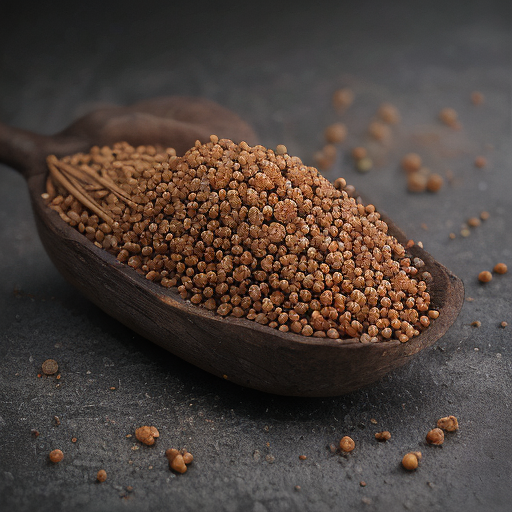
Black pepper
Known as 'black gold' in antiquity, pepper was so valuable that it served as currency and tribute. In the Middle Ages, Venetian merchants controlled the pepper trade, and individual peppercorns were often counted. Legend has it that when Alaric, king of the Visigoths, demanded tribute from Rome, he included 3,000 pounds of pepper.
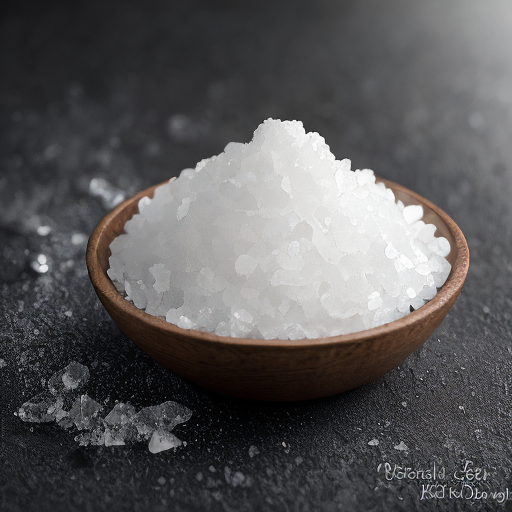
Sea salt
Sea salt, extracted from ocean waters by evaporation, was one of the most precious goods of antiquity, used both as food and as currency. In ancient Rome, soldiers were paid with salt, which is the origin of the word 'salary'. Salt roads connected entire civilizations, and in the Middle Ages, salt was so valuable it was called 'white gold'.
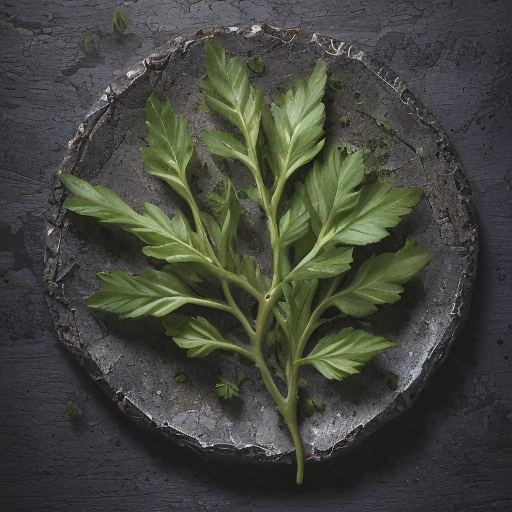
Thyme
In ancient Rome, thyme was burned in temples to purify the air and ward off evil spirits, and Roman soldiers added it to their baths to strengthen their courage. In the Middle Ages, noble ladies embroidered thyme on knights' scarves as a symbol of bravery. The ancient Greeks used it in baths and temples, and its name derives from the Greek 'thymos', meaning 'courage'.
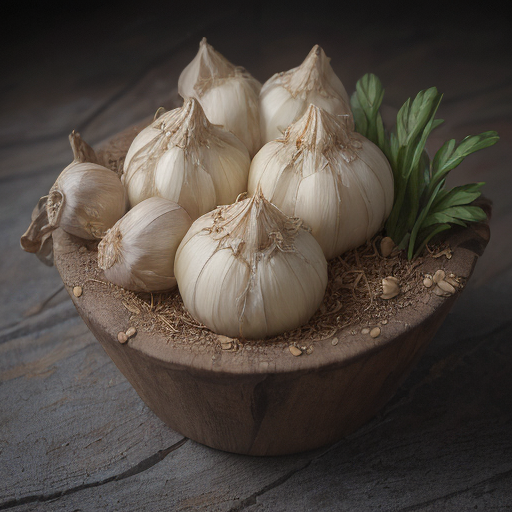
Garlic
Native to Central Asia, garlic was already known in ancient Egypt, where it was given to slaves to boost their strength. In ancient Greece, athletes consumed it before competitions, and in Rome, legionaries considered it essential for courage. During the Middle Ages, it was used to ward off vampires and the plague.
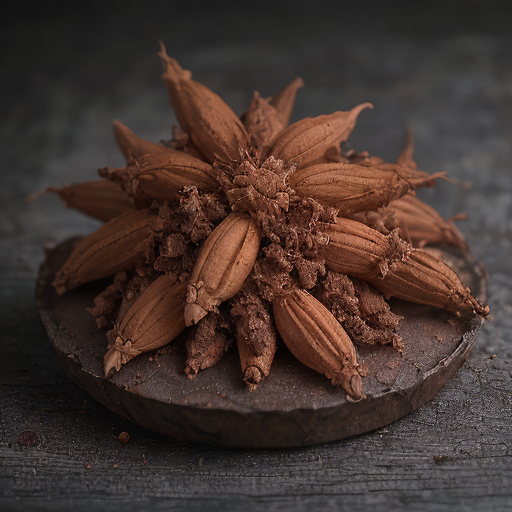
Cloves
Cloves, the dried buds of the exotic Syzygium aromaticum tree, were one of the most prized spices of the ancient world, often called 'aromatic gold'. In the Middle Ages, Venetian merchants controlled the clove trade, bringing them from the Maluku Islands, the only place they grew, and selling them at exorbitant prices in Europe.
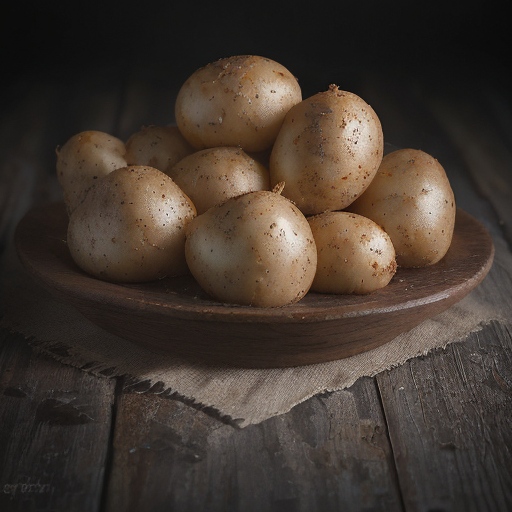
Potato
Although today it seems indispensable on the table, the potato was long viewed with suspicion in Europe. Arriving from the Andes in the 16th century, it was considered a diabolical plant, even poisonous, due to its toxic leaves and fruits. It wasn't until the 18th century, thanks to promoters like Antoine-Augustin Parmentier, that the potato became a staple food, saving Europe from famine.
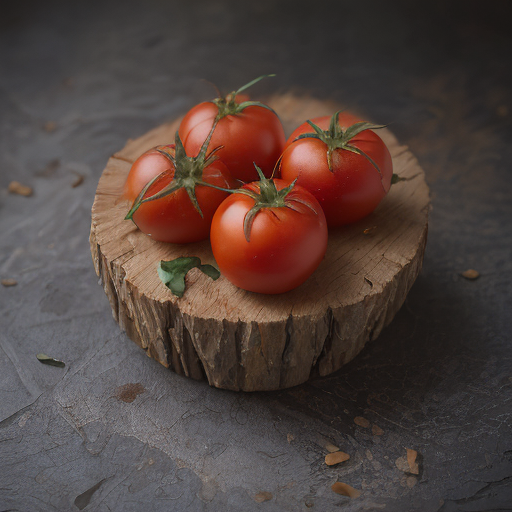
Tomato
Although today the tomato is indispensable in global cuisine, it was long viewed with suspicion in Europe, considered a toxic ornamental plant. It wasn't until the 19th century that Italian immigrants popularized it in the United States, turning it into an iconic ingredient of Mediterranean cuisine. Native to South America, the tomato was domesticated in Mexico and brought to Europe by Spanish conquistadors.
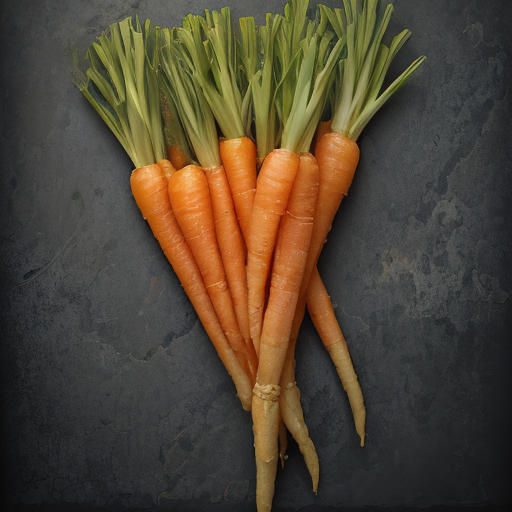
Carrot
The carrot, known in antiquity as a medicinal remedy rather than a vegetable, was originally purple or white. It wasn't until the 17th century that Dutch breeders developed the orange variety, honoring the House of Orange.
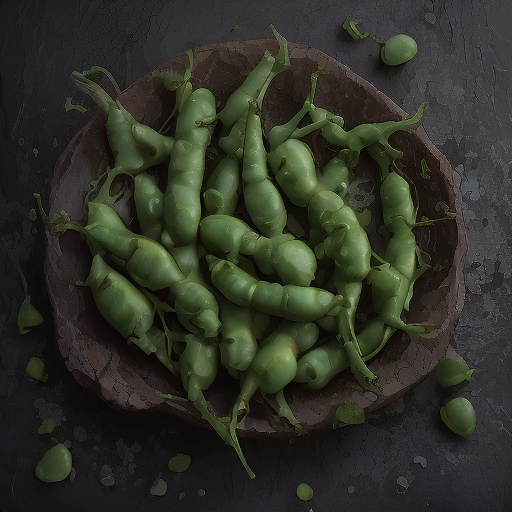
Peas
Peas are one of the oldest cultivated vegetables, with archaeological evidence in Neolithic sites from the Middle East. In the Middle Ages, dried peas were a staple food across Europe, and in the 16th century, the sweet garden pea was developed in Italy. Fun fact: peas were among the first vegetables to be frozen commercially, in the 1920s.
You may also like
 Misc
MiscAir Fryer S'mores – Quick Campfire Treat Without Fire
 Misc
MiscHow to Reheat Frikandellen in Air Fryer: Quick and Crispy Recipe
 Misc
MiscHow to Reheat Chicken in Air Fryer (Crispy and Juicy)
 Misc
MiscCrispy Reheated Chicken Pieces in Air Fryer
 Misc
MiscStuffed Bell Pepper with Mozzarella in Air Fryer
 Misc
Misc