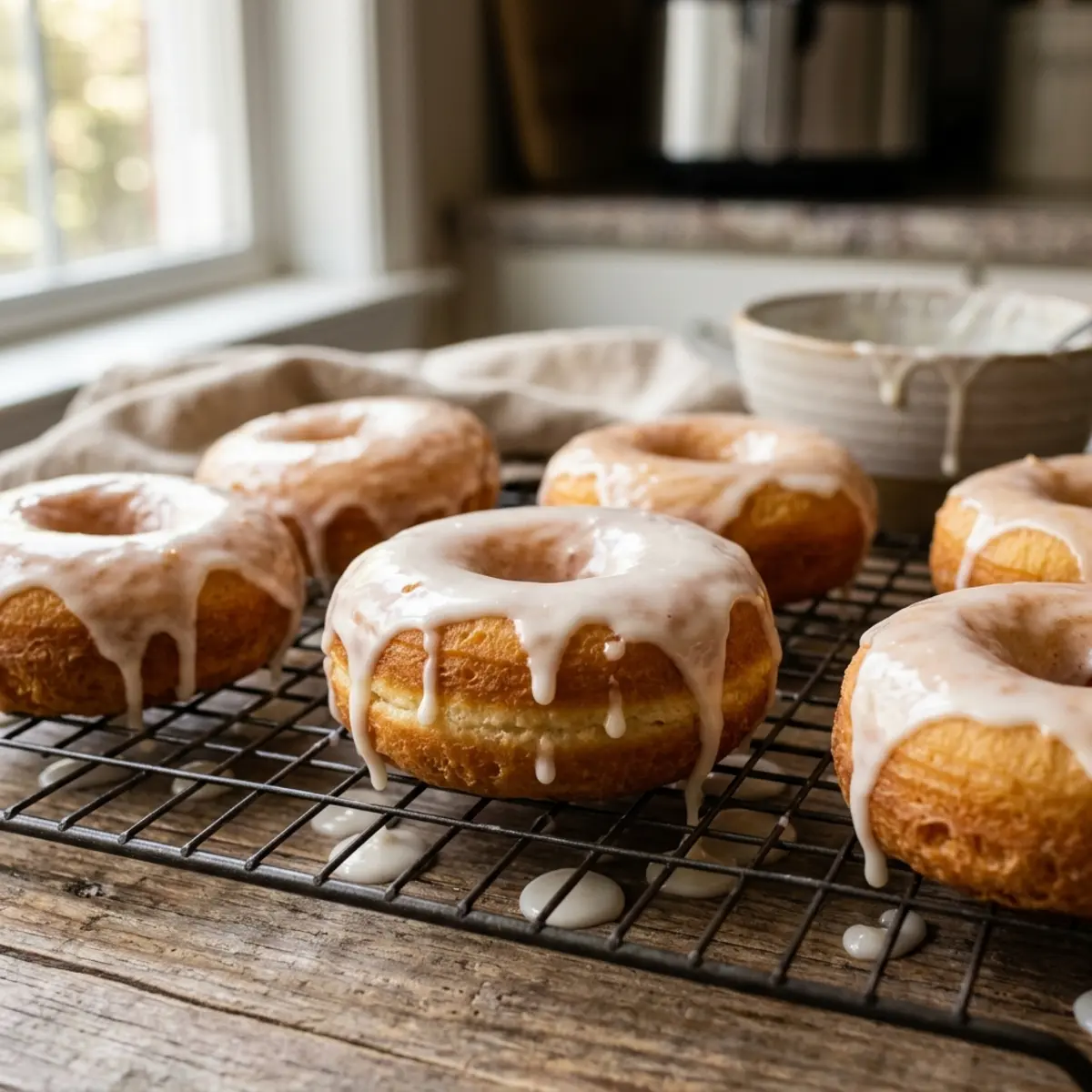
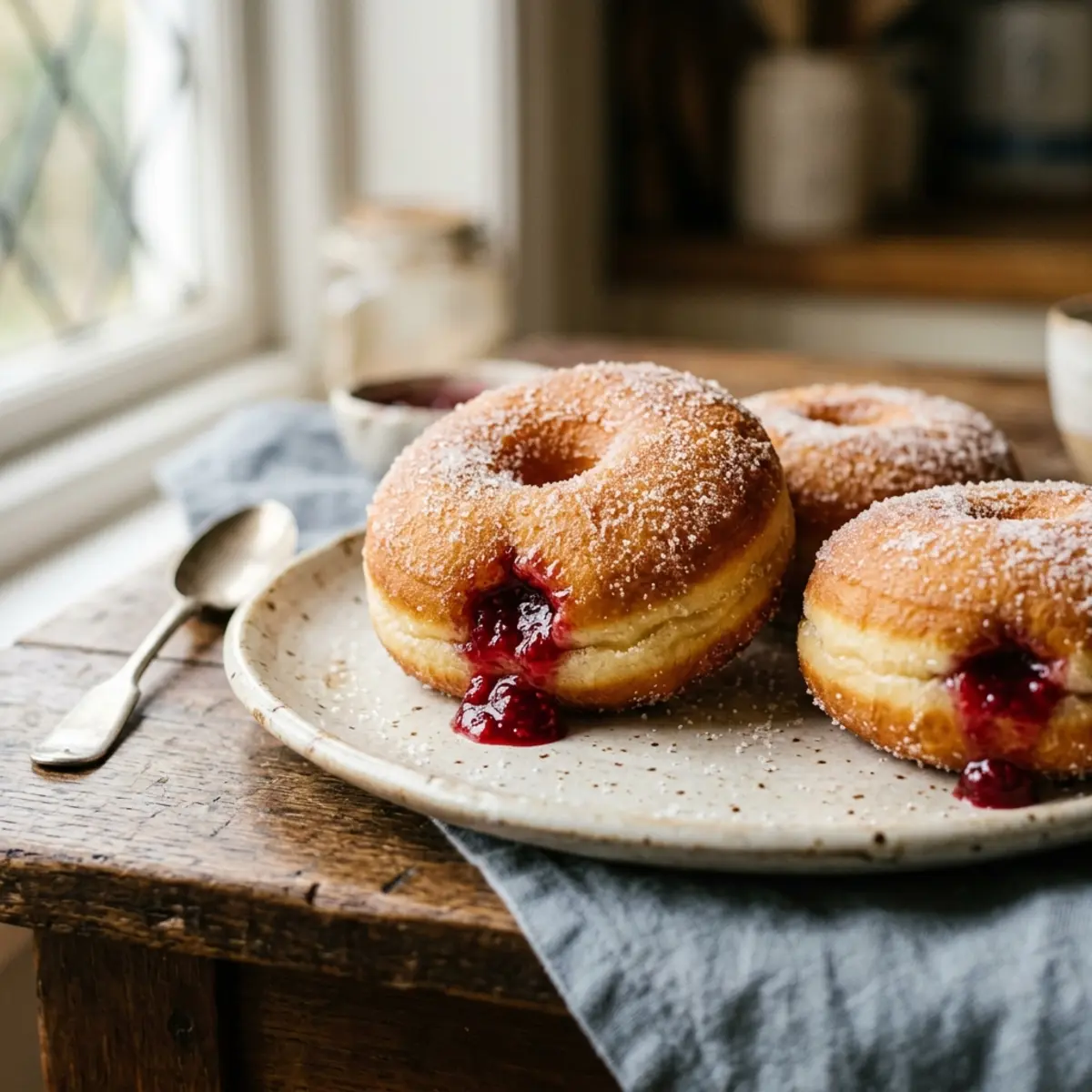
Jam-filled Doughnuts in Air Fryer
Steps
- 01
In the mixer bowl with dough hook, combine warm milk, melted butter, egg, granulated sugar, and vanilla sugar until smooth.
- 02
Sift flour over the mixture, then add instant yeast and salt. Mix on low speed until dough forms, then increase speed and knead for 15 minutes until smooth and elastic (dough will be soft and slightly sticky).
- 03
Transfer dough to a lightly oiled bowl, cover with plastic wrap, and let rise in a warm place until doubled in volume, about 1 hour.
- 04
Turn dough onto a lightly floured surface and gently press into a 1 cm thick rectangle. Cut doughnuts with a glass or round cutter about 8 cm in diameter.
- 05
Place doughnuts on a baking sheet lined with parchment paper, cover with a clean kitchen towel, and let rise for another 30 minutes.
- 06
Preheat air fryer to 180°C (350°F) for 3 minutes. Arrange doughnuts in the basket, leaving space between them.
- 07
Cook the first batch for 8 minutes until golden. For subsequent batches, reduce cooking time to 7 minutes since the air fryer is already hot.
- 08
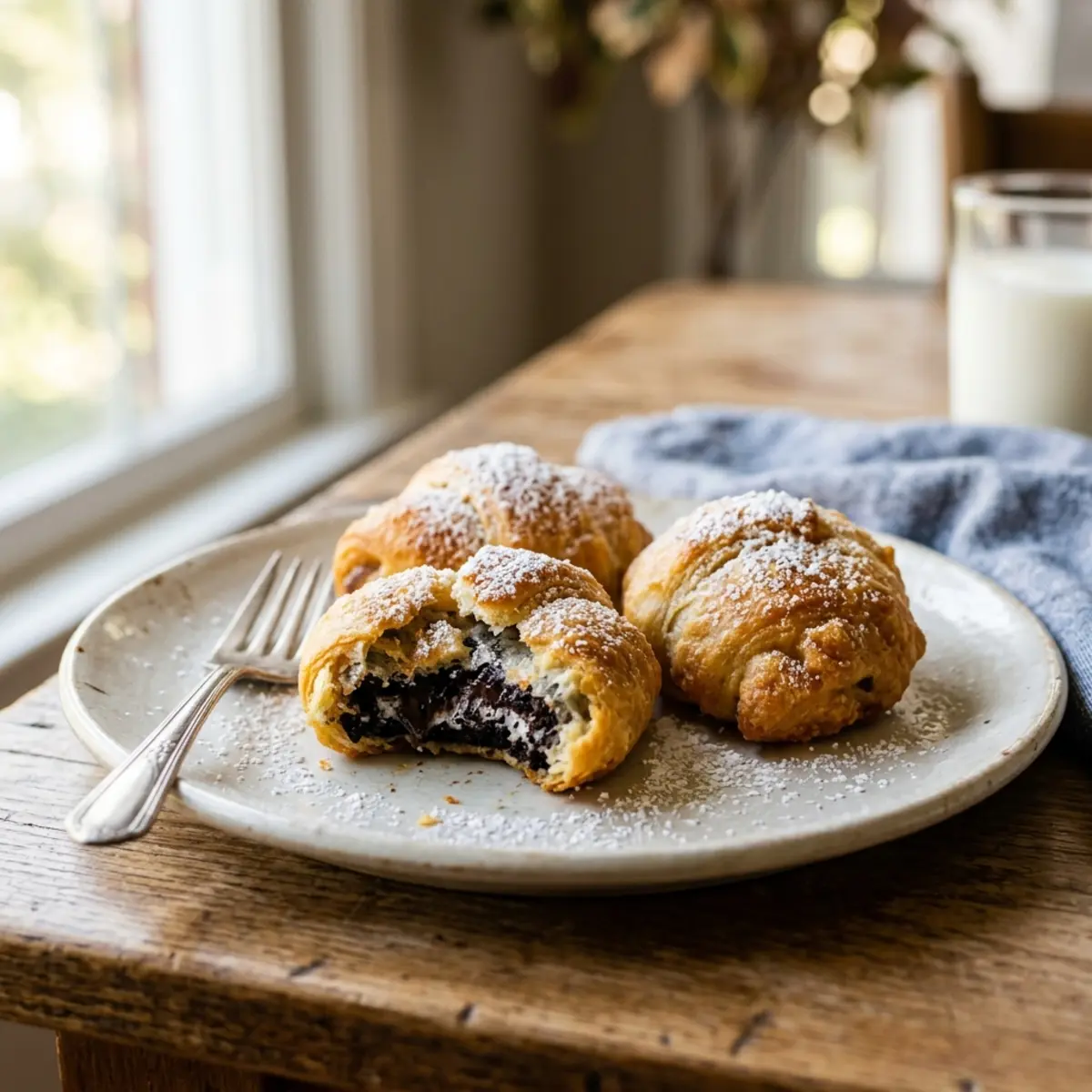
For filling: make a hole in the side of each doughnut with the handle of a fork, then fill with jam using a piping bag. Dust with powdered sugar if desired.
Recipe story
Jam-filled doughnuts have origins in medieval European cuisine, mentioned in German and French recipes from the 16th century. In Poland, pączki were fried in lard and filled with rose petal jam. In Austria, Krapfen were served during carnival. The air fryer adaptation is a modern innovation.
Ingredient Secrets
Discover the culinary secrets and flavor history of key ingredients in this dish.
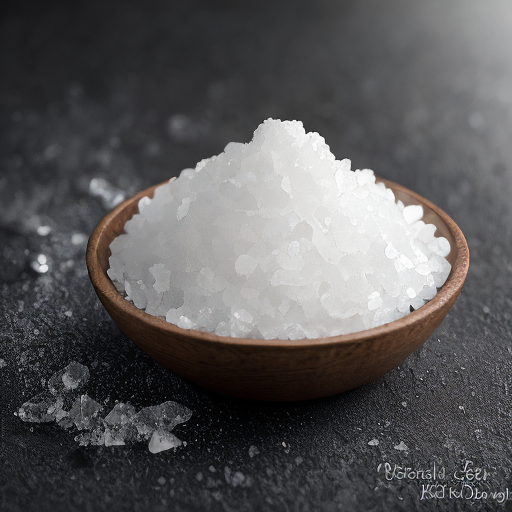
Sea salt
Sea salt, extracted from ocean waters by evaporation, was one of the most precious goods of antiquity, used both as food and as currency. In ancient Rome, soldiers were paid with salt, which is the origin of the word 'salary'. Salt roads connected entire civilizations, and in the Middle Ages, salt was so valuable it was called 'white gold'.
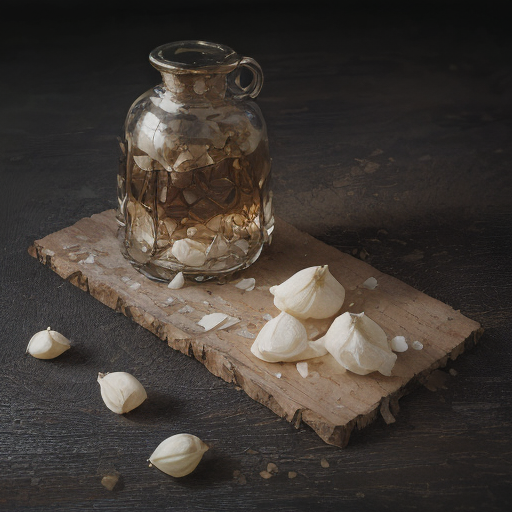
Vanilla
Vanilla, native to Mexico, was discovered by Spanish conquistadors who brought it to Europe in the 16th century. In Aztec culture, vanilla was used to flavor a royal cocoa drink. For centuries, hand-pollination was a closely guarded secret, and it wasn't until 1841 that a 12-year-old slave on Réunion discovered the method that allowed widespread cultivation.
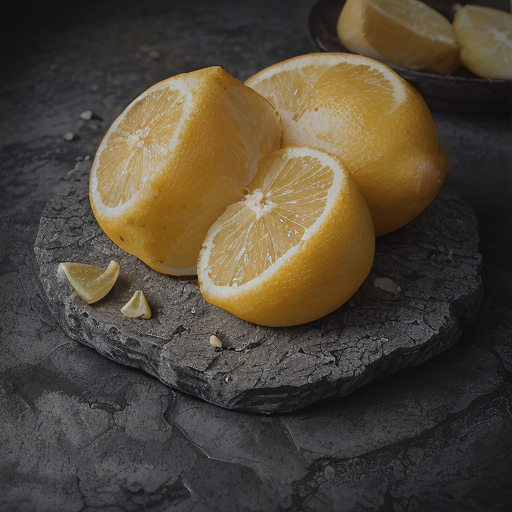
Lemon
The lemon is an ancient hybrid between citron and bitter orange, likely originating in northern India or China. In the Middle Ages, lemons were so valuable that they were given as gifts to kings. Fun fact: during the Gold Rush, British sailors were given lemons to prevent scurvy, leading to the nickname 'limey'.