Healthy Air Fryer Fish and Chips – Lighter Version
A healthier twist on the classic fish and chips, cooked in the air fryer for a crispy texture without excess oil.
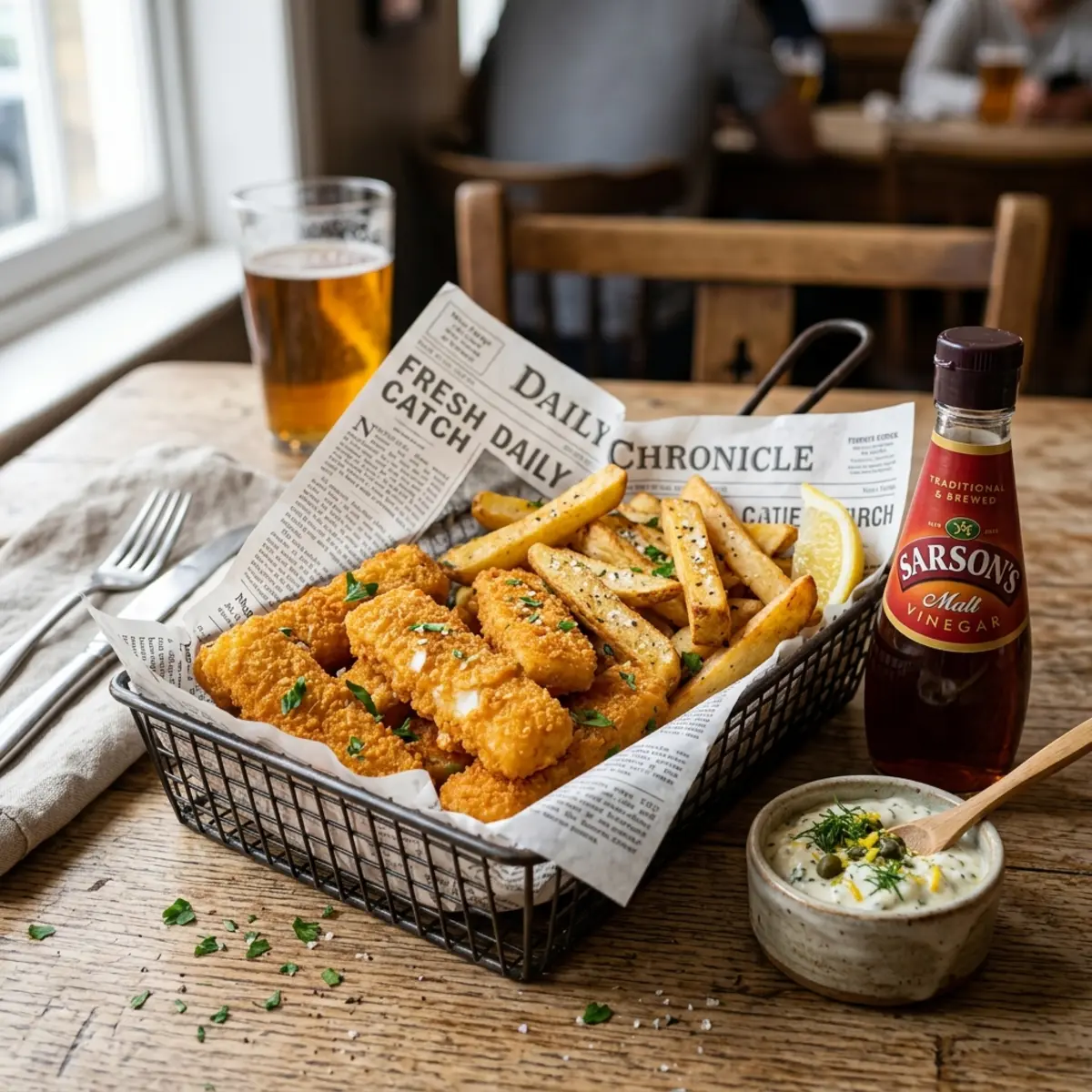
Steps
- 01
Preheat the air fryer to 200°C (400°F) for 5 minutes. Lightly spray the basket with nonstick cooking spray.
- 02
Add half a bag of frozen french fries to the basket. Cook at 200°C (400°F) for 5 minutes.
- 03
Open the basket, shake the fries, then spray with olive oil and sprinkle with salt. Continue cooking for another 4 minutes.
- 04
Open the basket again, shake the fries, and place a rack or trivet over them. Arrange the frozen breaded fish sticks on the rack.
- 05
Cook for 5 minutes, then turn the fish sticks and cook for another 4-5 minutes until golden and crispy.
- 06
Serve immediately with tartar sauce, ketchup, or garlic sauce.
Recipe story
Fish and chips originated in 19th-century England, when dock workers discovered the joy of a quick and satisfying dinner. Legend has it that King George IV was so delighted with this combination that he ordered it to be served at court. Since then, it has become a symbol of British cuisine, spreading worldwide.
Ingredient Secrets
Discover the culinary secrets and flavor history of key ingredients in this dish.
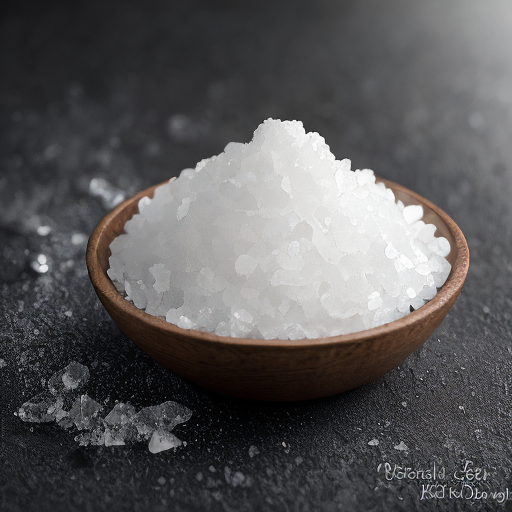
Sea salt
Sea salt, extracted from ocean waters by evaporation, was one of the most precious goods of antiquity, used both as food and as currency. In ancient Rome, soldiers were paid with salt, which is the origin of the word 'salary'. Salt roads connected entire civilizations, and in the Middle Ages, salt was so valuable it was called 'white gold'.
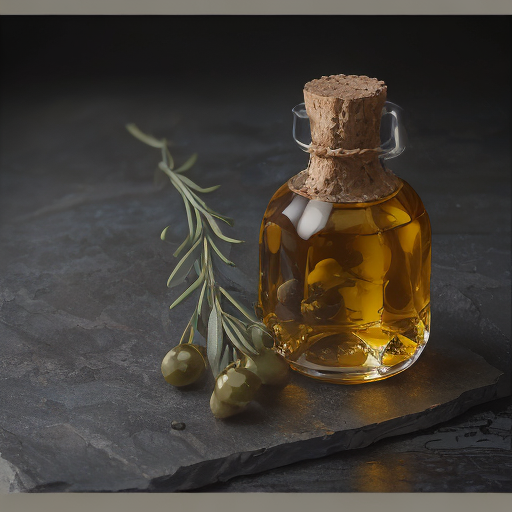
Olive oil
Originating in the Mediterranean basin, olive oil was already produced in ancient Crete 5,000 years ago. In ancient Greece, it was considered a gift from Athena and used in lamps, cosmetics, and religious ceremonies. The Romans spread it throughout the empire, and in the Middle Ages, monasteries preserved the tradition of its production.
You may also like
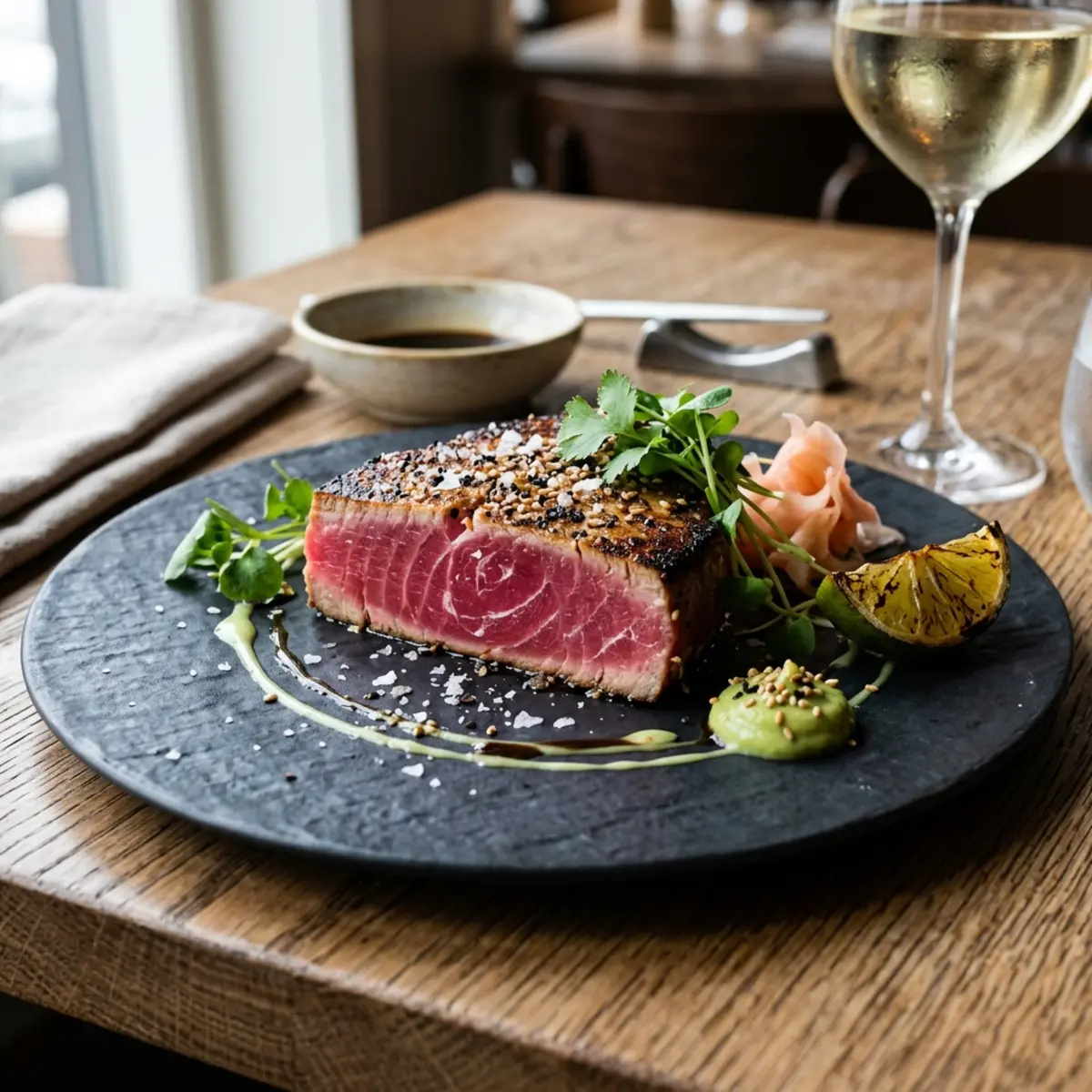 Fish
FishAir Fryer Tuna Steak – Quick and Easy Recipe in 12 Minutes
 Fish
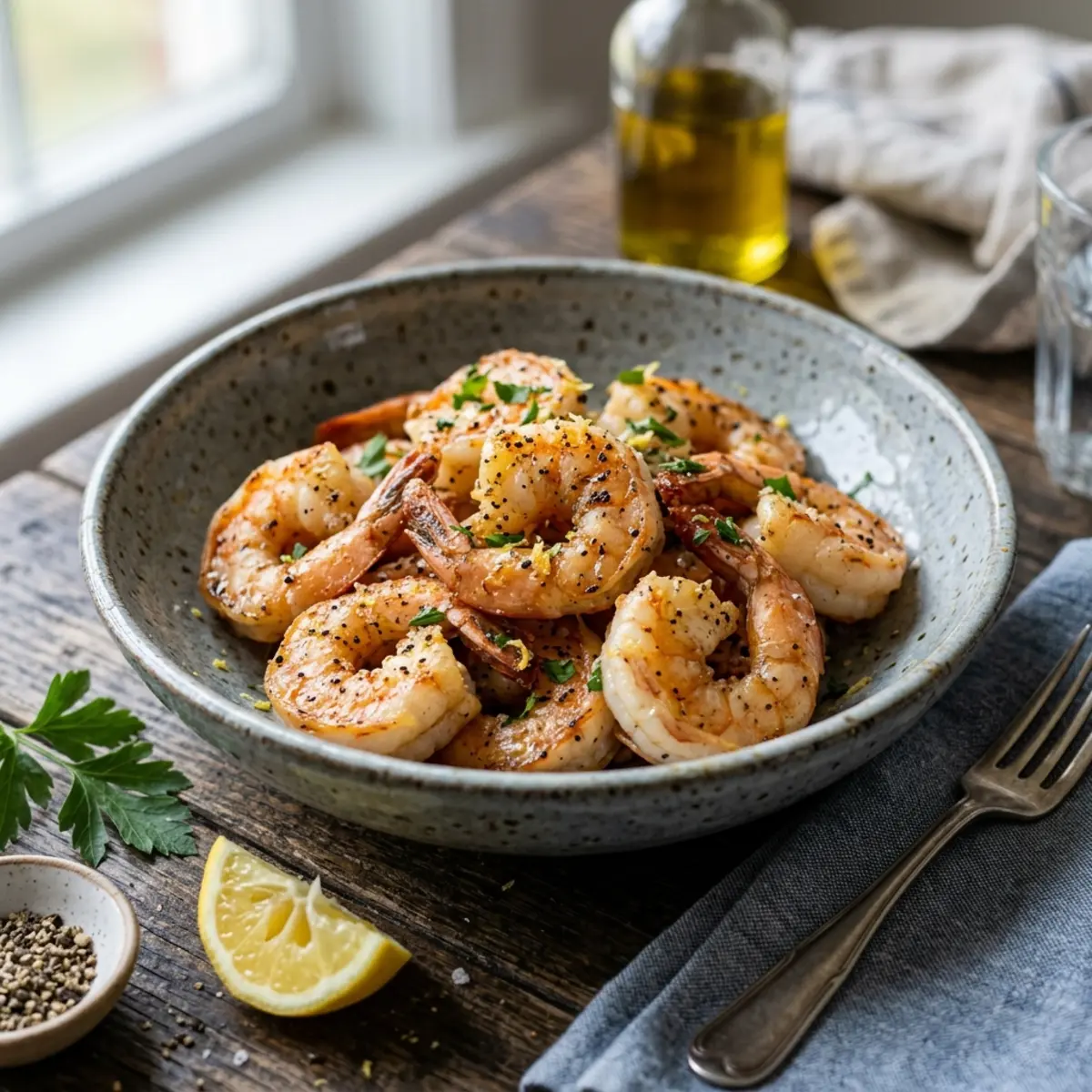
FishAir Fryer Lemon Pepper Shrimp
 Fish
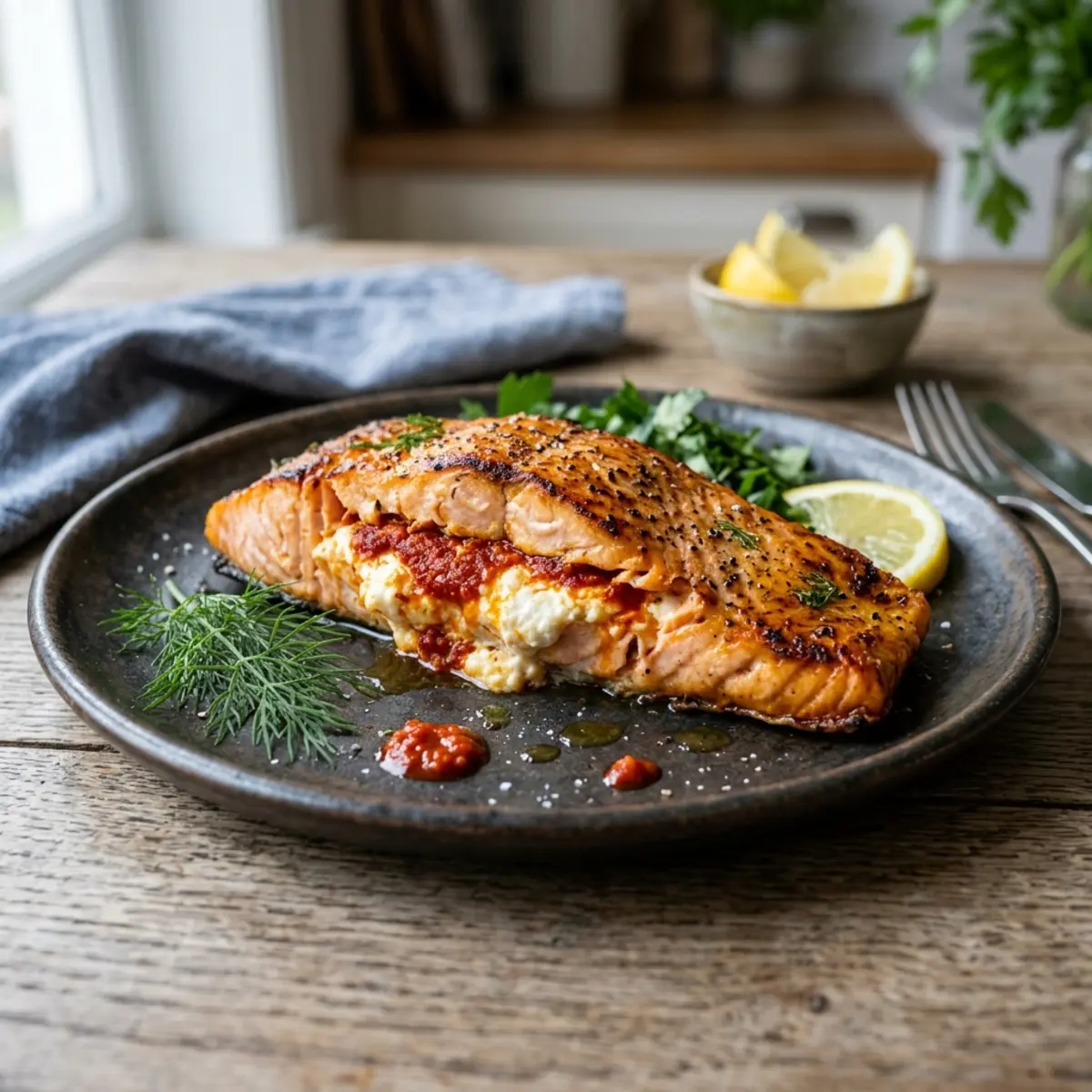
FishSalmon stuffed with ricotta and harissa in Air Fryer
 Fish
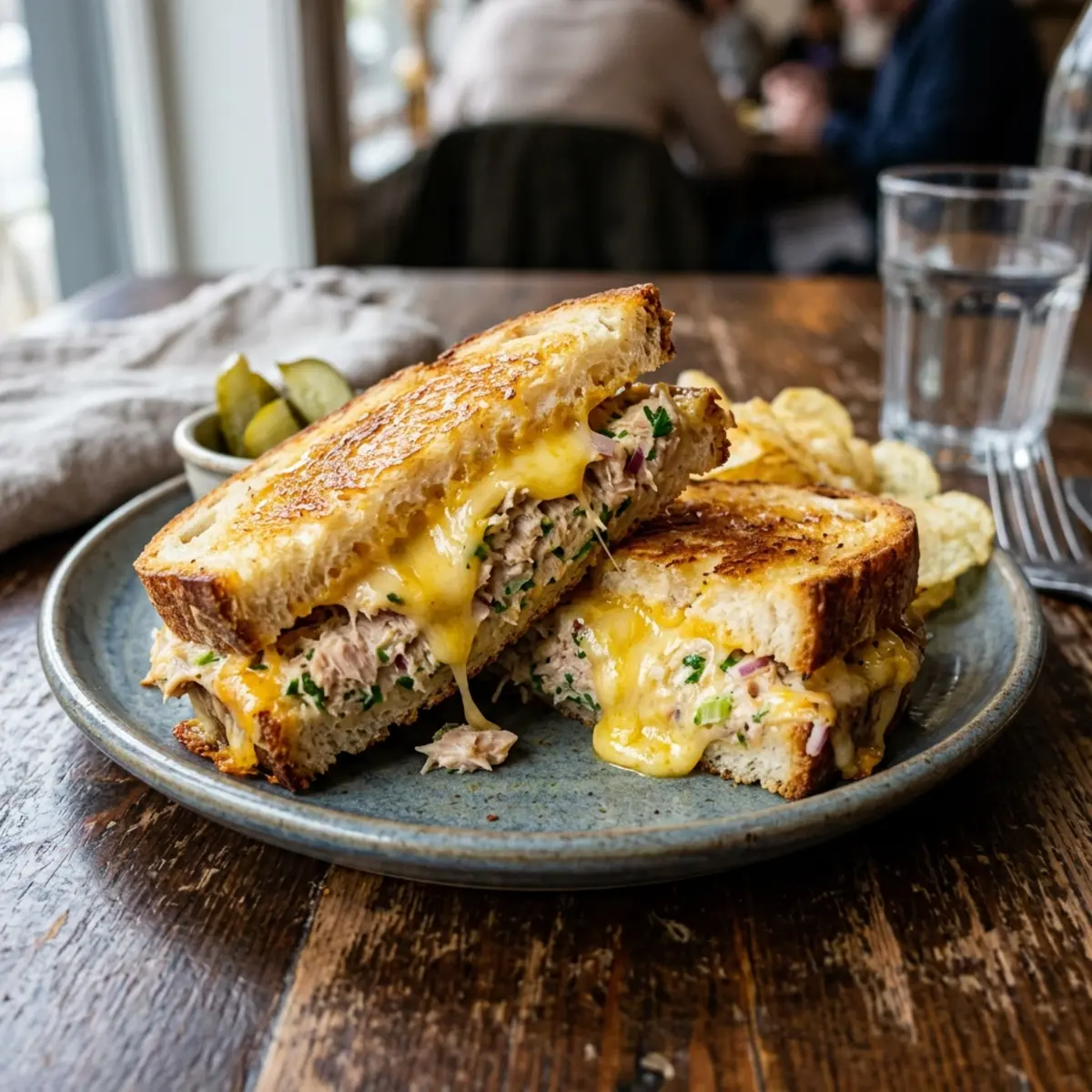
FishAir Fryer Tuna Melt – Crispy Tuna and Cheese Sandwich in 15 Minutes
 Fish
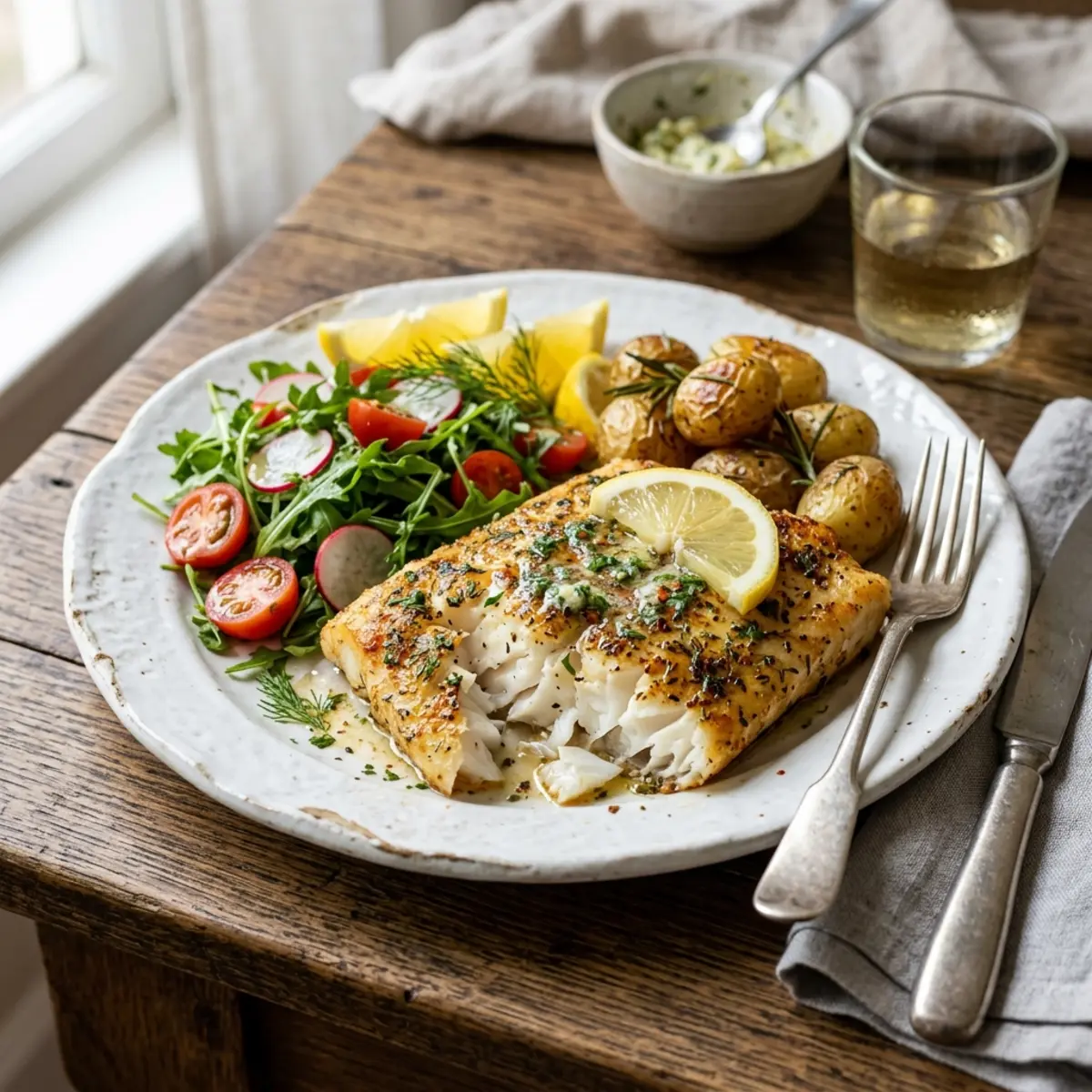
FishAir Fryer Fresh Cod Fillet - Quick & Easy 15-Min Recipe
 Fish
Fish