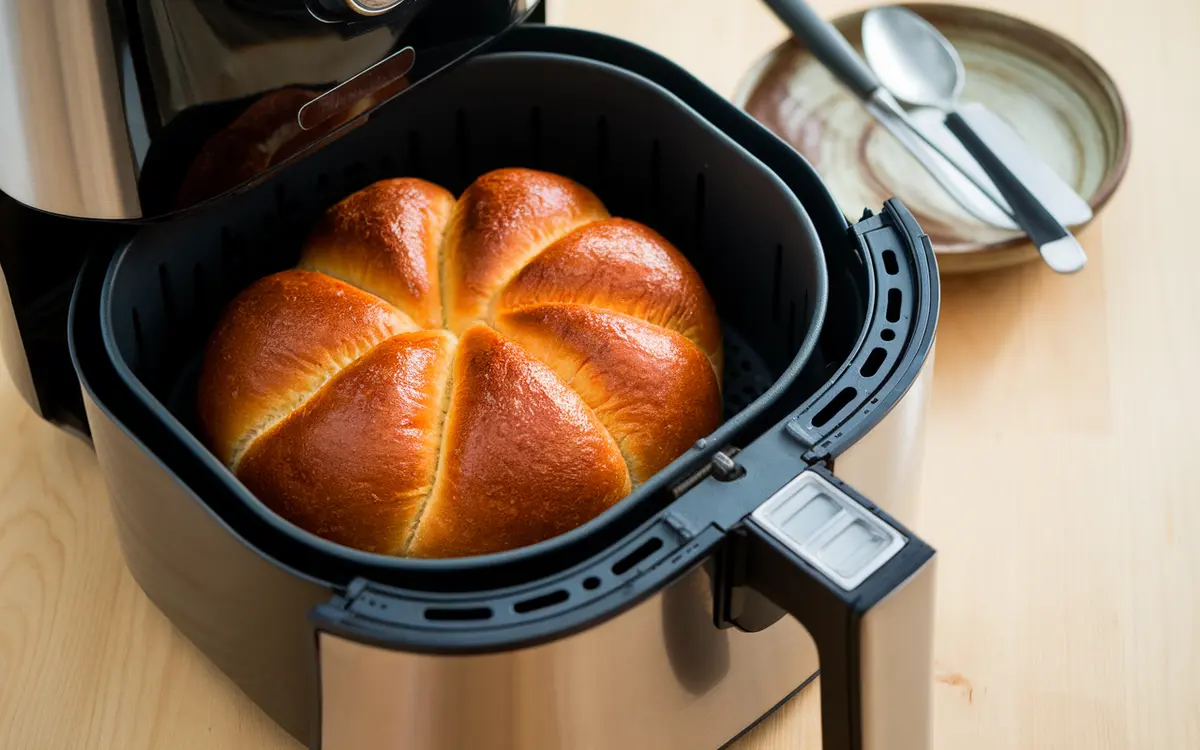
Fluffy Brioche in Air Fryer
A golden and fluffy brioche, perfect for breakfast or dessert, cooked quickly in the air fryer.
Steps
- 01
In a large bowl, mix the flour with crumbled fresh yeast. If using dry yeast, dissolve it in a little warm milk first. Add sugar and salt.
- 02
Incorporate the eggs one at a time, kneading the dough for about 10 minutes until smooth and elastic.
- 03
Gradually add the softened butter, kneading continuously until fully absorbed and the dough becomes shiny and flexible.
- 04
Cover the bowl with a clean towel and let the dough rise in a warm place for 1 hour and 30 minutes, until doubled in volume.
- 05
Gently punch down the dough, then shape it as desired: a small loaf, rolls, or classic brioche à tête.
- 06
Line the air fryer basket with parchment paper and place the shaped dough inside.
- 07
Let the dough rise again, covered, for 30 minutes until fluffy and slightly puffed.
- 08
Brush the surface of the brioche with a little milk for a golden, shiny crust.
- 09
Cook in the air fryer at 160°C (320°F) for 15-20 minutes, until the brioche is nicely golden and internal temperature reaches 88°C (190°F). Let cool before serving.
Recipe story
Brioche originated in France in the 16th century, as a rich pastry associated with the royal court. The recipe was perfected by French bakers who added butter and eggs for a fluffy texture. Over time, brioche became a symbol of culinary refinement, enjoyed worldwide. Today, it is reinterpreted in modern versions, such as this one cooked in an air fryer.
Ingredient Secrets
Discover the culinary secrets and flavor history of key ingredients in this dish.
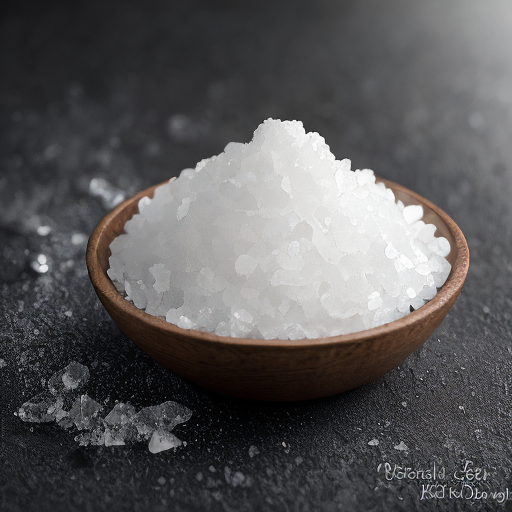
Sea salt
Sea salt, extracted from ocean waters by evaporation, was one of the most precious goods of antiquity, used both as food and as currency. In ancient Rome, soldiers were paid with salt, which is the origin of the word 'salary'. Salt roads connected entire civilizations, and in the Middle Ages, salt was so valuable it was called 'white gold'.