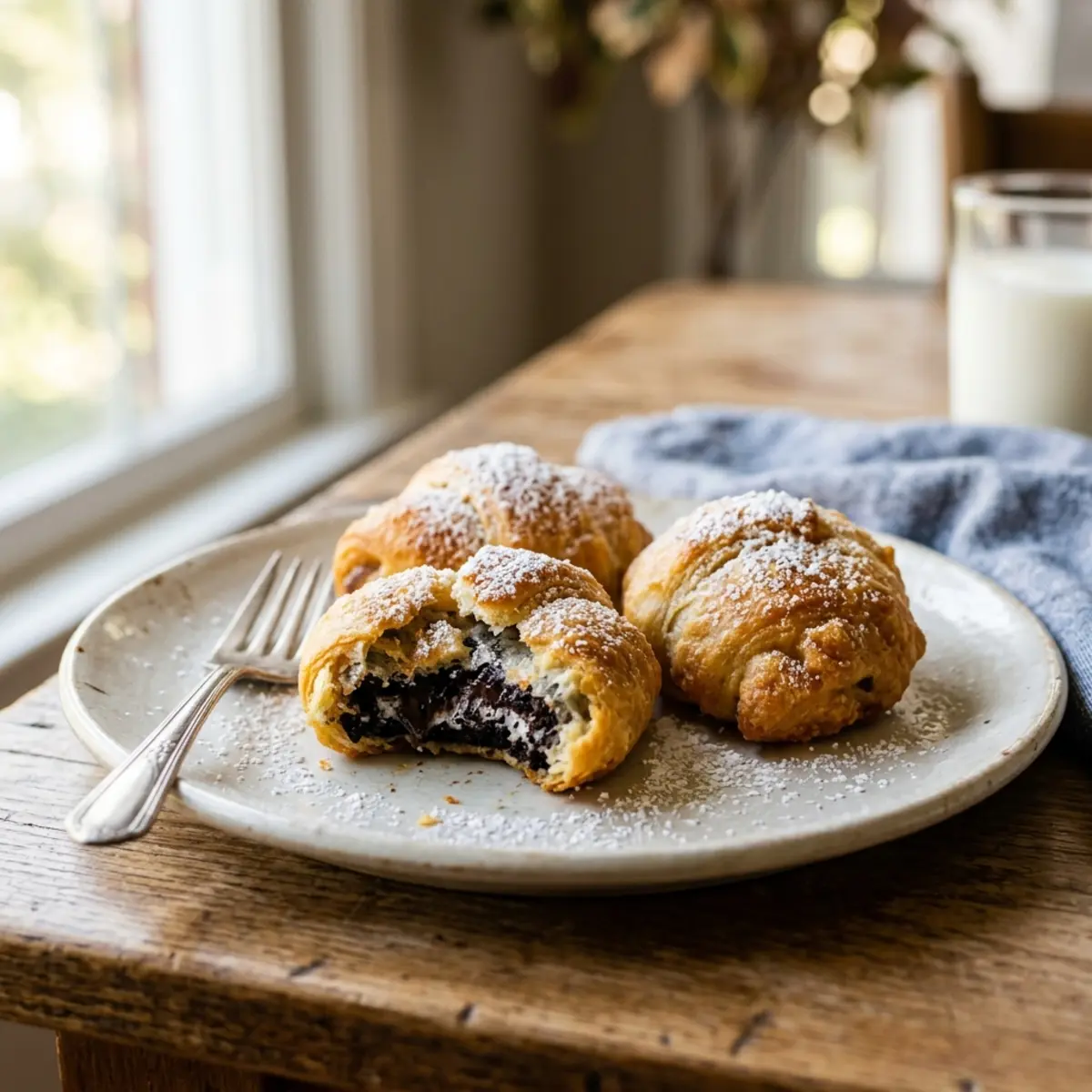
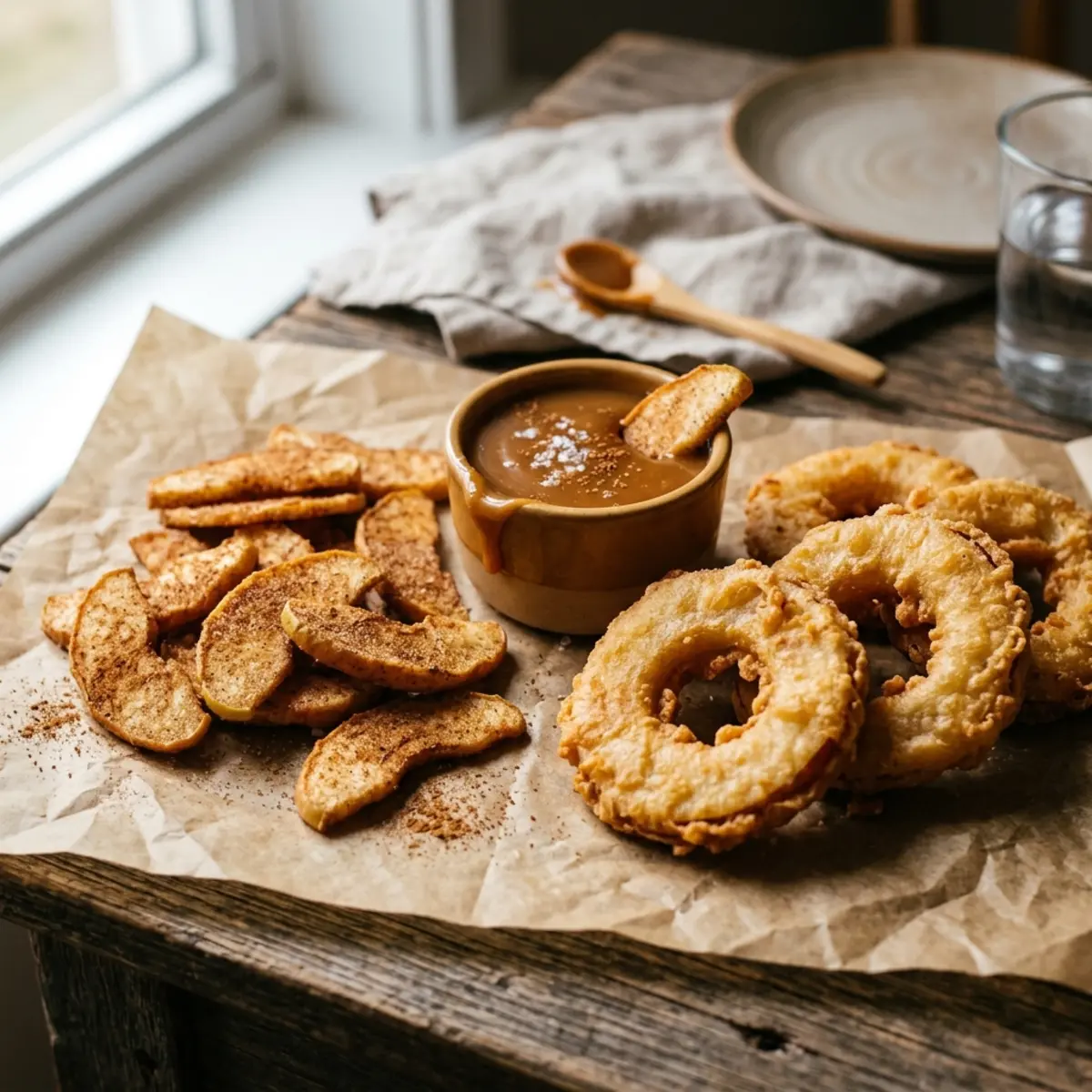
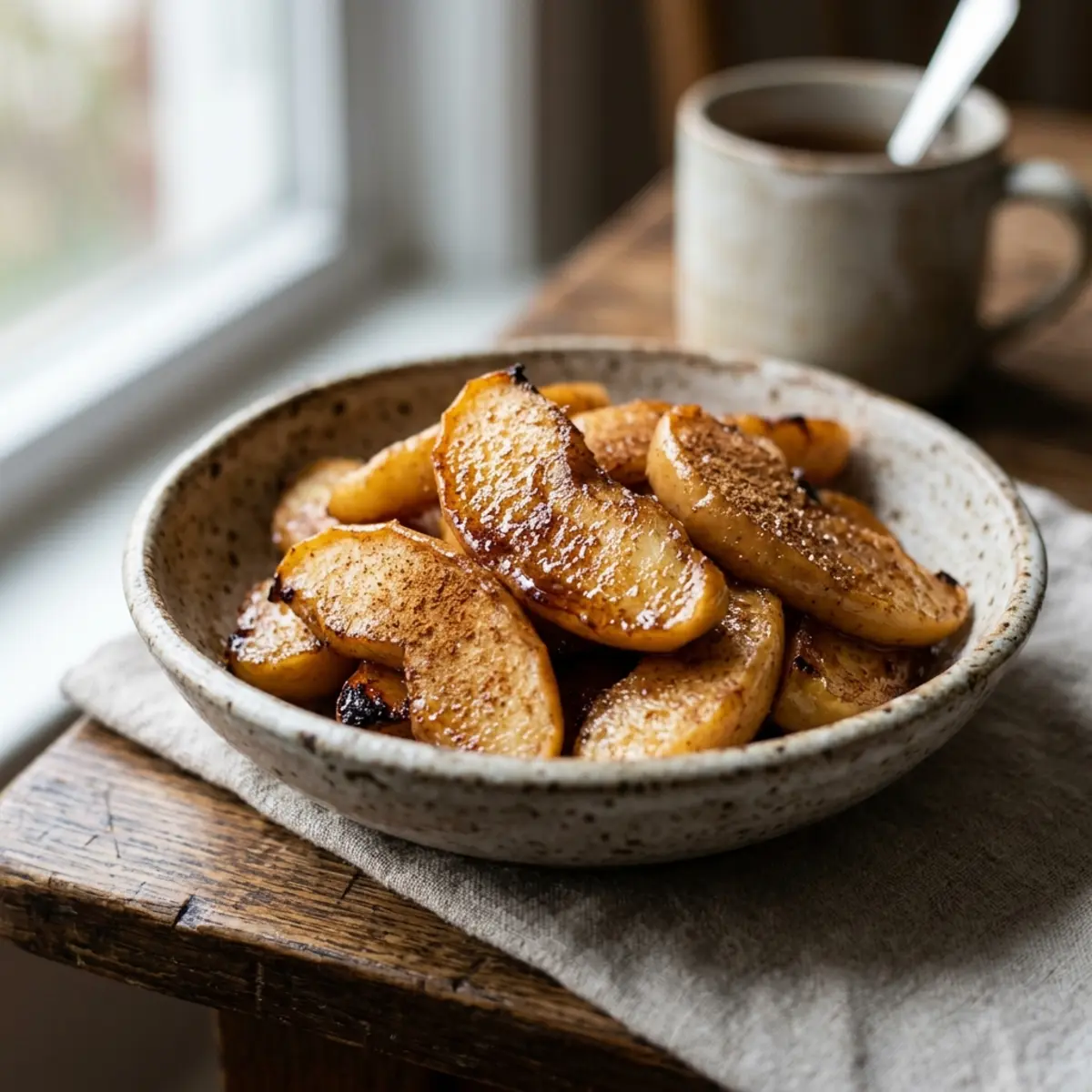
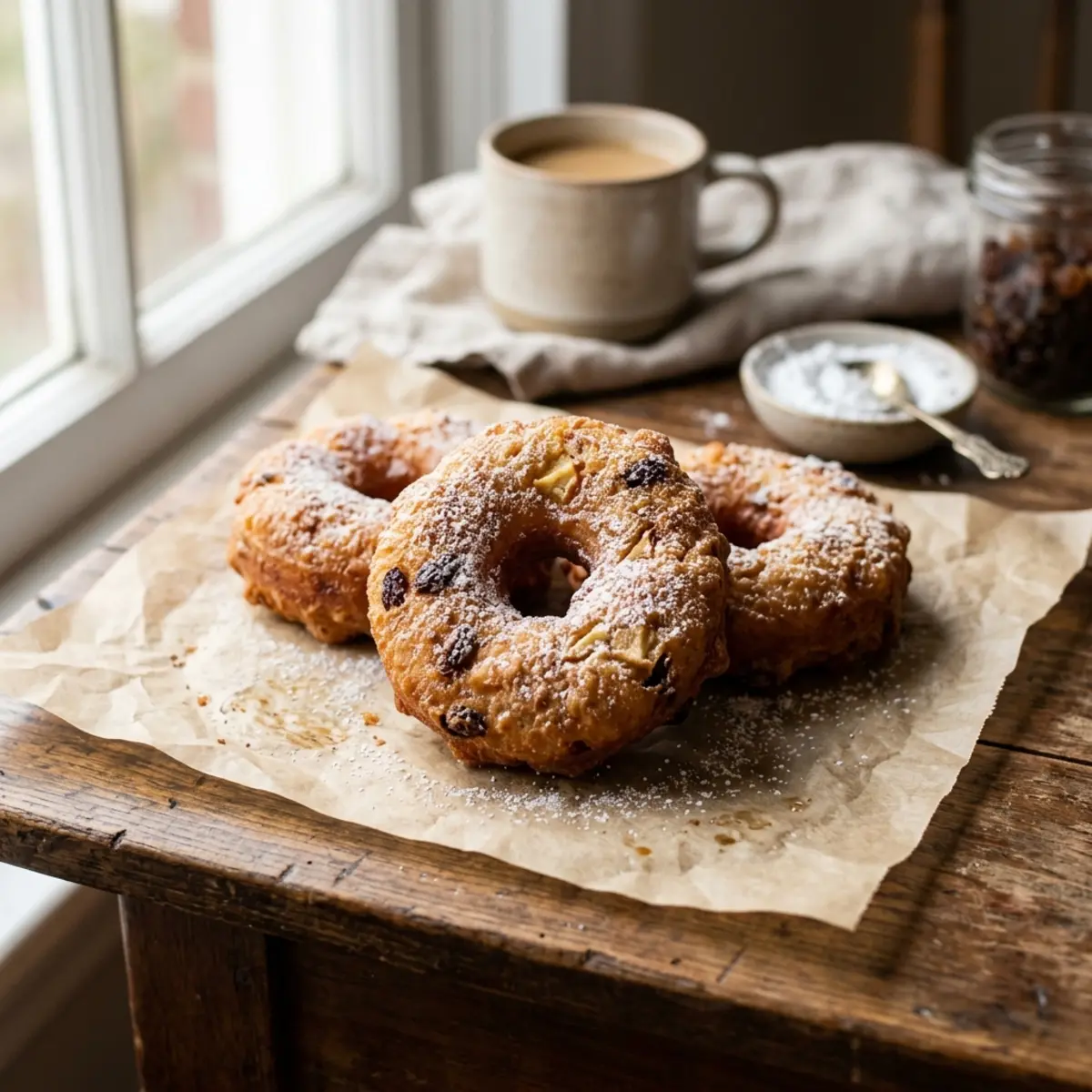
Fluffy Apple and Raisin Donuts in Air Fryer
Fluffy donuts with apples and raisins, cooked quickly in the air fryer. A simple and delicious dessert recipe.
Steps
- 01
In a bowl, beat the eggs with salt, sugar, and Bourbon vanilla sugar until smooth. Add Greek yogurt and citrus zest, mixing well.
- 02
Sift the flour together with baking powder and cinnamon, then gradually incorporate it into the mixture, stirring gently just until combined – do not overmix.
- 03
Add the diced apples and drained raisins, stirring delicately. The batter should be thick but pourable.
- 04
For air fryer: Pour the batter into small silicone molds or onto parchment paper. Place in the air fryer at 180°C (350°F) for 10–12 minutes.
- 05
After baking, let the donuts cool for 2–3 minutes, then generously sprinkle with vanilla powdered sugar.
Recipe story
These fluffy apple and raisin donuts originate from the aristocratic kitchens of the 19th century, where citrus and cinnamon flavors were brought by Levantine merchants. It is said that noble ladies served them at afternoon teas, and the recipe has been preserved and adapted over time. Today, they are popular in many countries, reinterpreted in modern versions such as the air fryer one.
Ingredient Secrets
Discover the culinary secrets and flavor history of key ingredients in this dish.
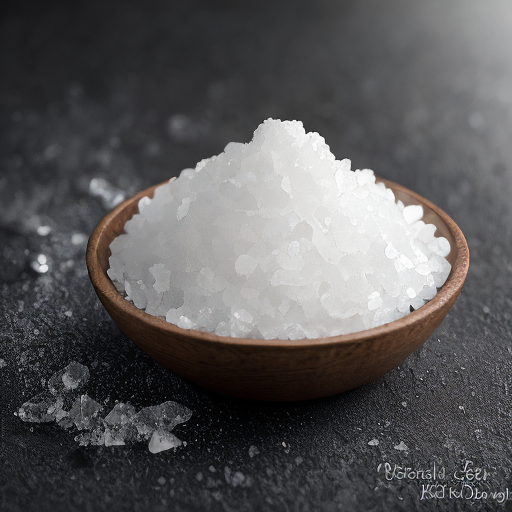
Sea salt
Sea salt, extracted from ocean waters by evaporation, was one of the most precious goods of antiquity, used both as food and as currency. In ancient Rome, soldiers were paid with salt, which is the origin of the word 'salary'. Salt roads connected entire civilizations, and in the Middle Ages, salt was so valuable it was called 'white gold'.
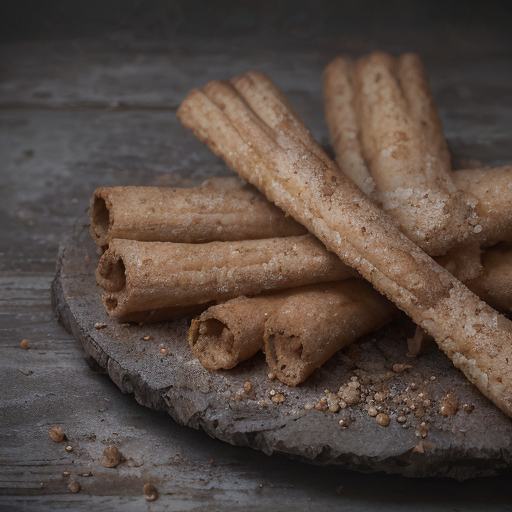
Cinnamon
In ancient Rome, cinnamon was more precious than gold, used in sacred rituals and royal perfumes. Legends told of fabulous birds called cinnamologus that built their nests from cinnamon sticks on inaccessible cliff tops. The cinnamon trade was long shrouded in mystery, with Arab merchants inventing fantastic stories to protect their sources.
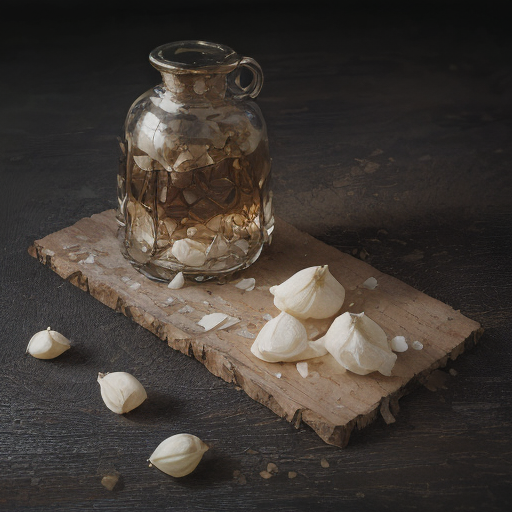
Vanilla
Vanilla, native to Mexico, was discovered by Spanish conquistadors who brought it to Europe in the 16th century. In Aztec culture, vanilla was used to flavor a royal cocoa drink. For centuries, hand-pollination was a closely guarded secret, and it wasn't until 1841 that a 12-year-old slave on Réunion discovered the method that allowed widespread cultivation.
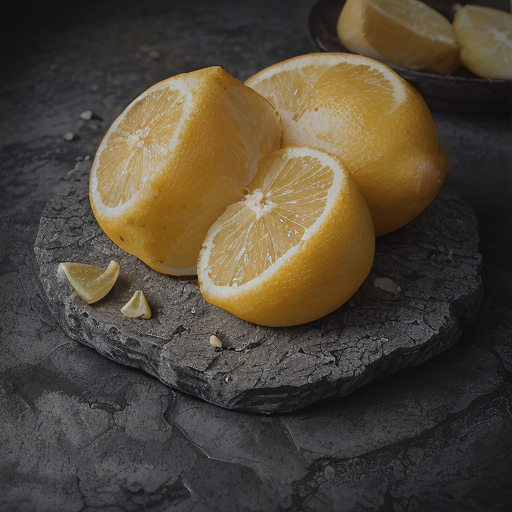
Lemon
The lemon is an ancient hybrid between citron and bitter orange, likely originating in northern India or China. In the Middle Ages, lemons were so valuable that they were given as gifts to kings. Fun fact: during the Gold Rush, British sailors were given lemons to prevent scurvy, leading to the nickname 'limey'.