Crispy Duck Breast in Air Fryer with Honey and Balsamic Glaze
A refined dish with crispy skin and juicy meat, glazed with honey and balsamic vinegar.
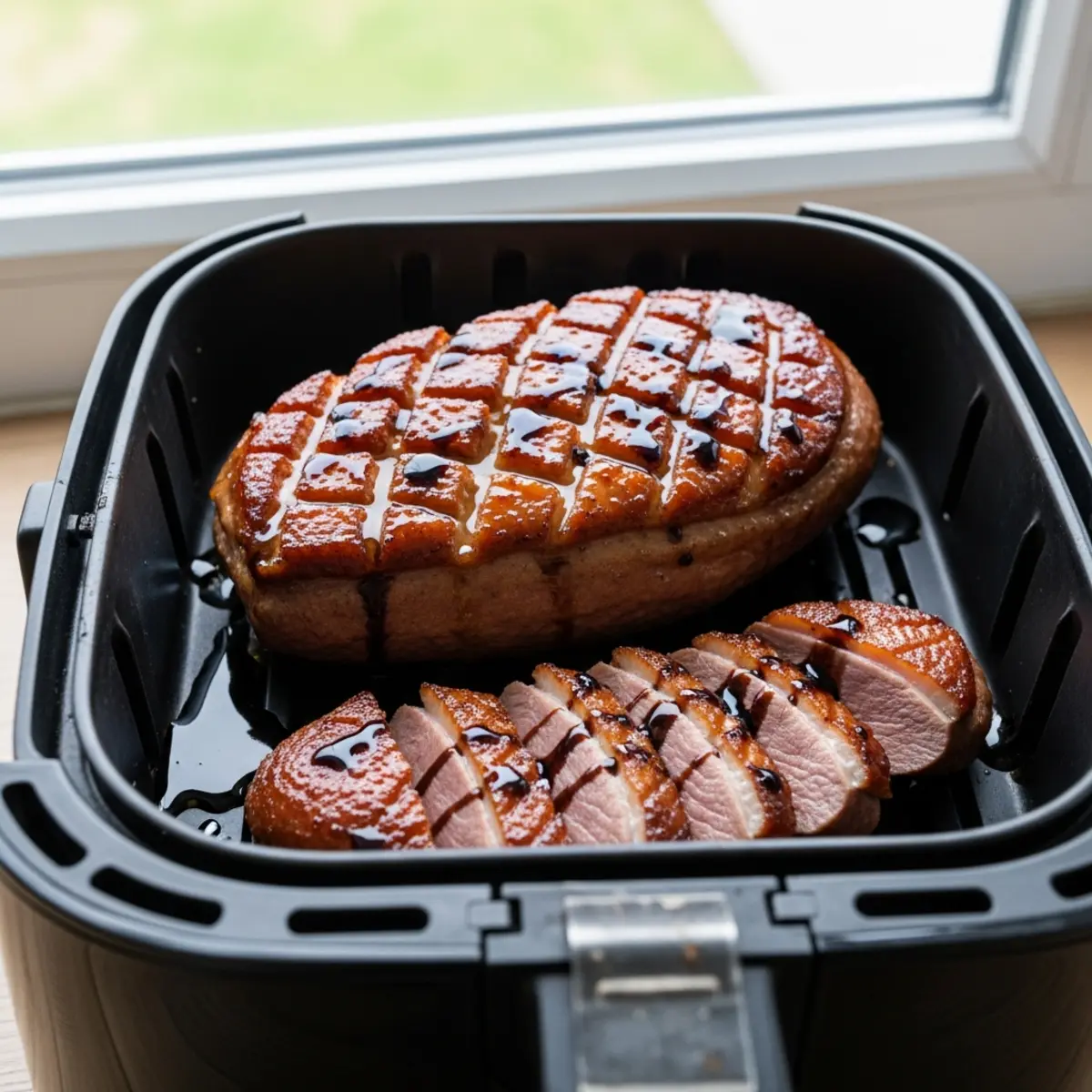
Steps
- 01
Remove duck breast from refrigerator 15 minutes before cooking. Pat very dry with paper towels.
- 02
Score the skin in a crosshatch pattern, being careful not to cut into the meat. This helps render fat and makes skin crispy.
- 03
Season generously on both sides with salt, pepper, and optionally garlic powder and thyme.
- 04
Preheat air fryer to 190°C (375°F) for 3-5 minutes.
- 05
Place duck breast in basket, skin side up. Cook for 15-20 minutes, turning pieces halfway (after turning, skin side should be down).
- 06
Check internal temperature: 57°C (135°F) for medium-rare, 60-63°C (140-145°F) for medium.
- 07
Remove from air fryer and let rest 5-10 minutes before slicing thinly, across the grain.
- 08
Optionally, drizzle with honey or balsamic reduction before serving.
Recipe story
Duck has been a prized dish in European noble cuisines, especially in France, where duck breast (magret) is a delicacy. The sweet-sour glaze of honey and balsamic vinegar, typical of the Italian region of Modena, adds a modern twist to this classic preparation.
Ingredient Secrets
Discover the culinary secrets and flavor history of key ingredients in this dish.
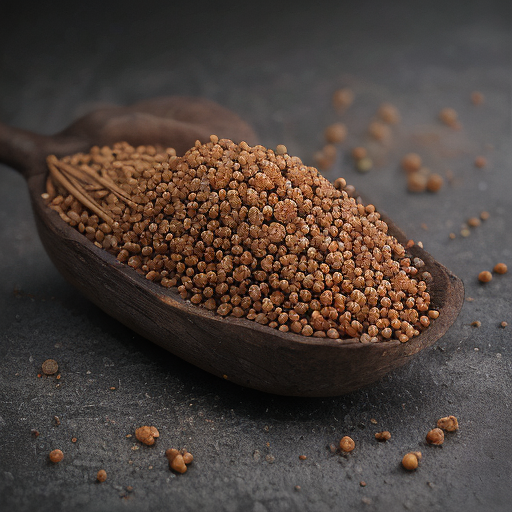
Black pepper
Known as 'black gold' in antiquity, pepper was so valuable that it served as currency and tribute. In the Middle Ages, Venetian merchants controlled the pepper trade, and individual peppercorns were often counted. Legend has it that when Alaric, king of the Visigoths, demanded tribute from Rome, he included 3,000 pounds of pepper.
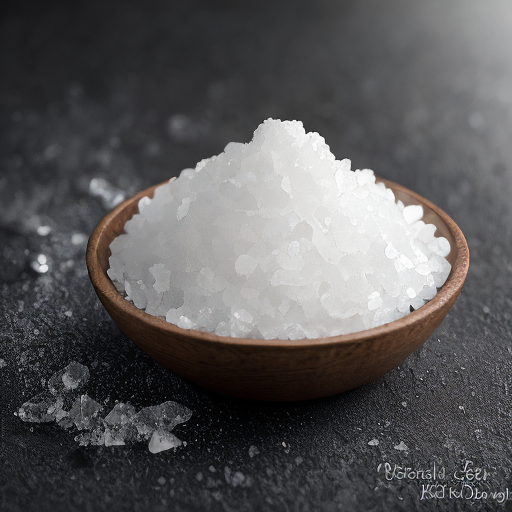
Sea salt
Sea salt, extracted from ocean waters by evaporation, was one of the most precious goods of antiquity, used both as food and as currency. In ancient Rome, soldiers were paid with salt, which is the origin of the word 'salary'. Salt roads connected entire civilizations, and in the Middle Ages, salt was so valuable it was called 'white gold'.
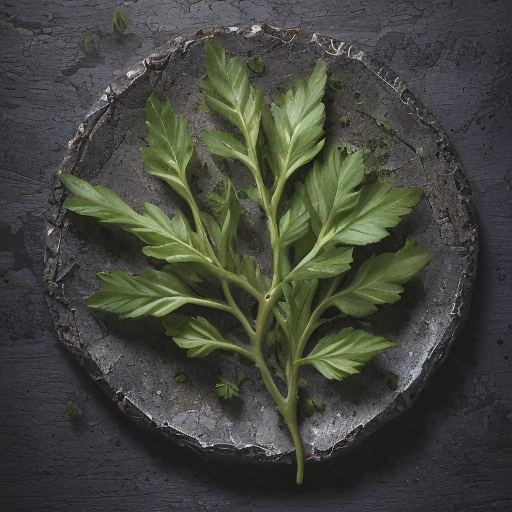
Thyme
In ancient Rome, thyme was burned in temples to purify the air and ward off evil spirits, and Roman soldiers added it to their baths to strengthen their courage. In the Middle Ages, noble ladies embroidered thyme on knights' scarves as a symbol of bravery. The ancient Greeks used it in baths and temples, and its name derives from the Greek 'thymos', meaning 'courage'.
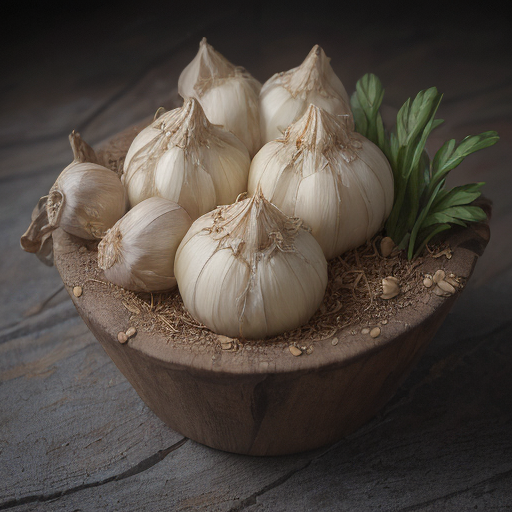
Garlic
Native to Central Asia, garlic was already known in ancient Egypt, where it was given to slaves to boost their strength. In ancient Greece, athletes consumed it before competitions, and in Rome, legionaries considered it essential for courage. During the Middle Ages, it was used to ward off vampires and the plague.
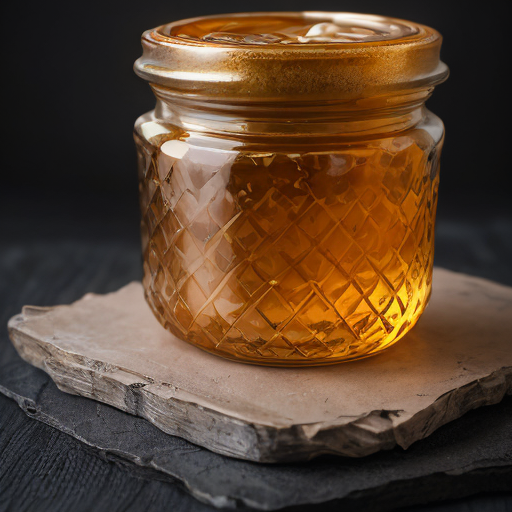
Honey
Honey is one of the oldest sweet foods, used since the Stone Age. In ancient Egypt, it was offered to the gods and used in embalming. In ancient Greece, it was considered the food of the gods, and in Rome, it was used as medicine and preservative. During the Middle Ages, honey was the main sweetener in Europe before sugar.
You may also like
 Chicken
Air Fryer Caesar Salad with Chicken – Quick and Crispy Recipe
 Chicken
Crispy Air Fryer Chicken Breast
 Chicken
Air Fryer Chicken Breast – Quick 17-Minute Recipe
 Chicken
Crispy Orange Chicken in Air Fryer
 Chicken
Air Fryer Chicken Breast: Juicy and Buttery in 20 Minutes
 Chicken