Crispy Corn Fritters with Indonesian Influences
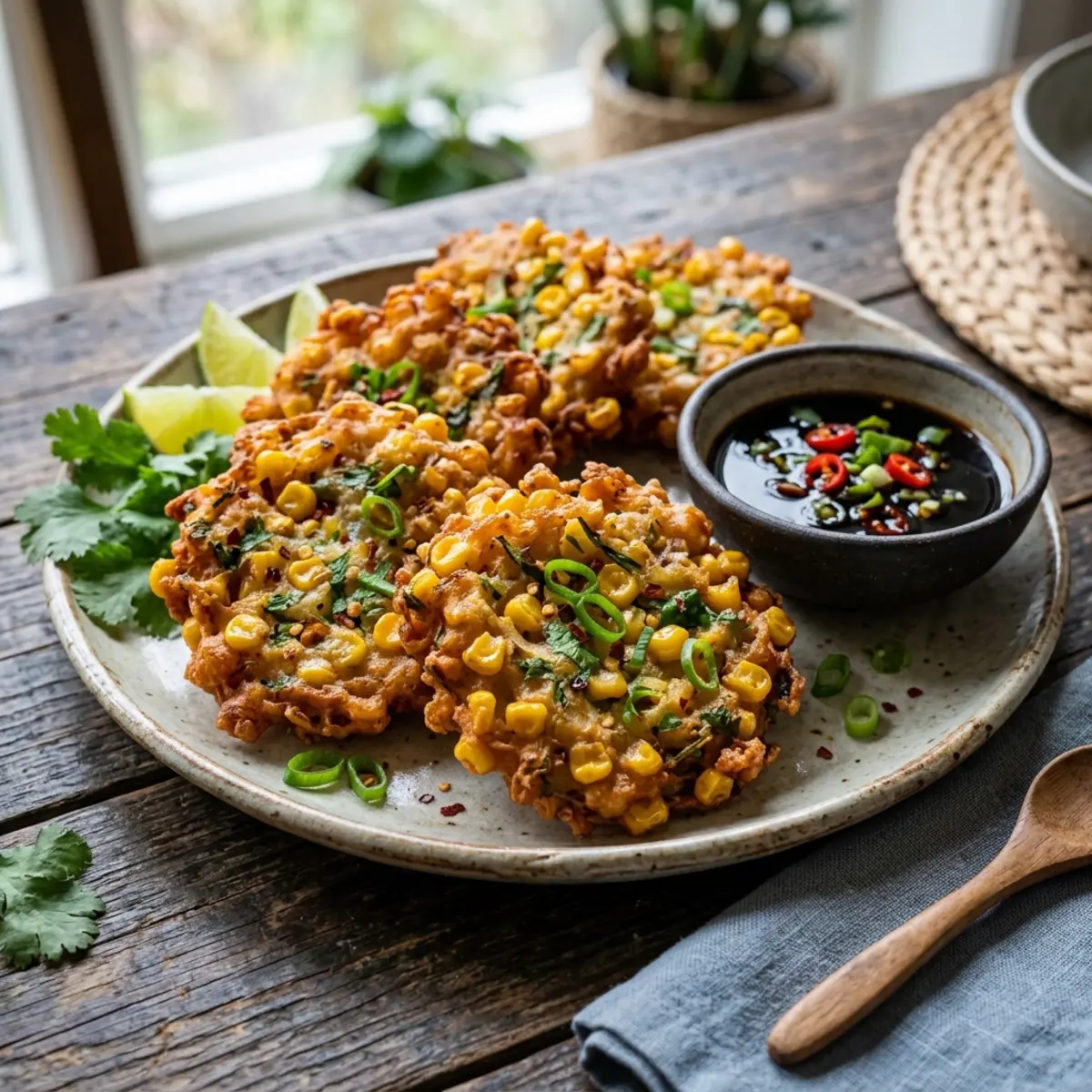
Crispy corn fritters seasoned with ginger, sambal oelek, and sweet soy sauce, cooked in an air fryer for a golden and crunchy texture.
Steps
- 01
1. In a bowl, mash the drained corn with a fork or immersion blender, leaving some kernels whole for a crunchy texture.
- 02
2. Add the egg, flour, green onions, garlic, ginger, sambal oelek, sweet soy sauce, salt, and pepper. Mix until a firm batter forms.
- 03
3. Using a spoon, drop dollops of batter onto a work surface. Gently flatten them to ensure even cooking in the air fryer.
- 04
4. Preheat the air fryer to 180°C (350°F).
- 05
5. Lightly brush the tops of the fritters with oil for a nice golden color.
- 06
6. Carefully place the fritters in the air fryer basket. Cook for 10–12 minutes, turning halfway, until golden and crispy.
Recipe story
These crispy corn fritters are inspired by the fusion of Indonesian cuisine and Eastern European corn-based dishes. In Indonesia, sambal oelek and kecap manis are staple ingredients, while corn is often used in snacks. The recipe combines the crunchy texture of corn with the spicy and sweet flavors of Indonesian seasonings, resulting in a modern and savory appetizer.
Ingredient Secrets
Discover the culinary secrets and flavor history of key ingredients in this dish.
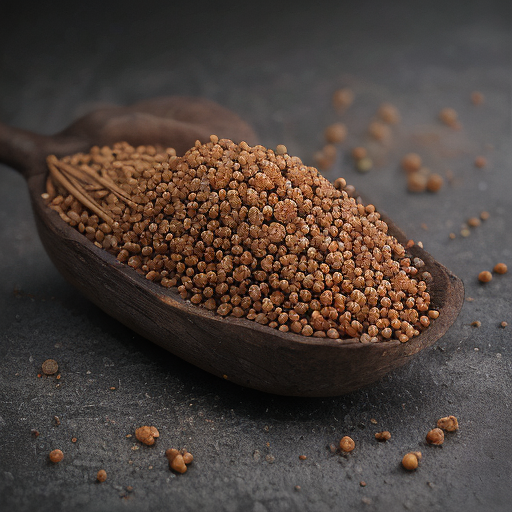
Black pepper
Known as 'black gold' in antiquity, pepper was so valuable that it served as currency and tribute. In the Middle Ages, Venetian merchants controlled the pepper trade, and individual peppercorns were often counted. Legend has it that when Alaric, king of the Visigoths, demanded tribute from Rome, he included 3,000 pounds of pepper.
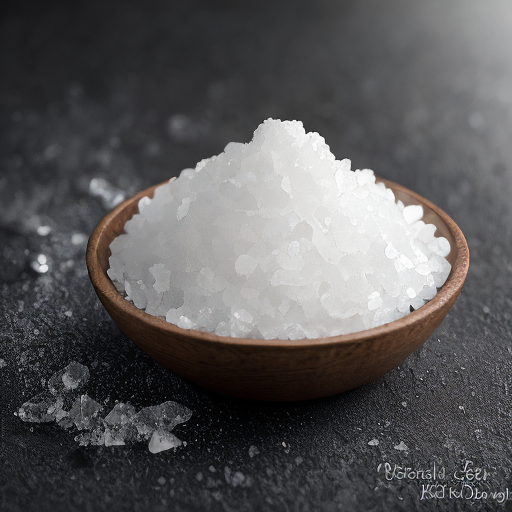
Sea salt
Sea salt, extracted from ocean waters by evaporation, was one of the most precious goods of antiquity, used both as food and as currency. In ancient Rome, soldiers were paid with salt, which is the origin of the word 'salary'. Salt roads connected entire civilizations, and in the Middle Ages, salt was so valuable it was called 'white gold'.
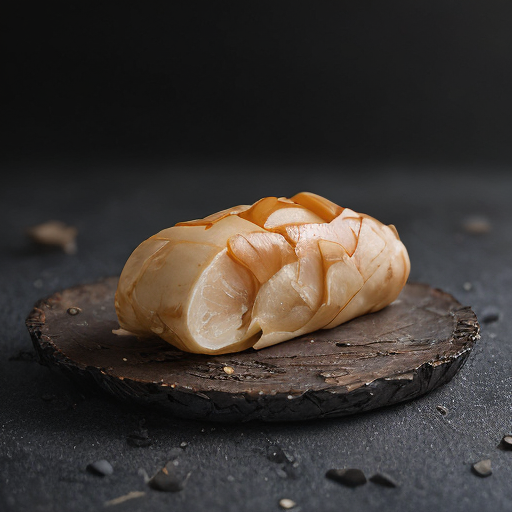
Ginger
Ginger, known since antiquity, was one of the first spices brought along the Silk Road, so precious that a kilogram of ginger was worth a sheep in medieval Europe.
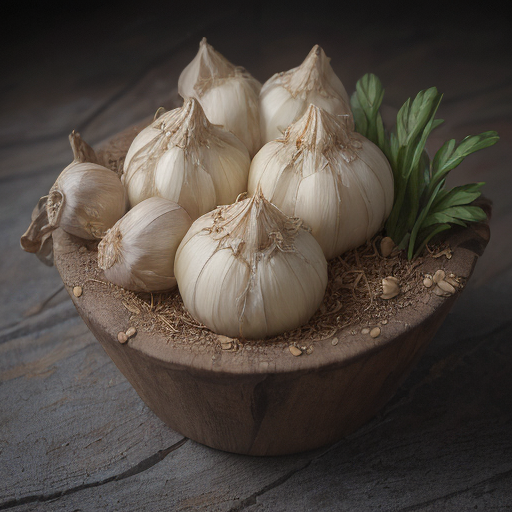
Garlic
Native to Central Asia, garlic was already known in ancient Egypt, where it was given to slaves to boost their strength. In ancient Greece, athletes consumed it before competitions, and in Rome, legionaries considered it essential for courage. During the Middle Ages, it was used to ward off vampires and the plague.
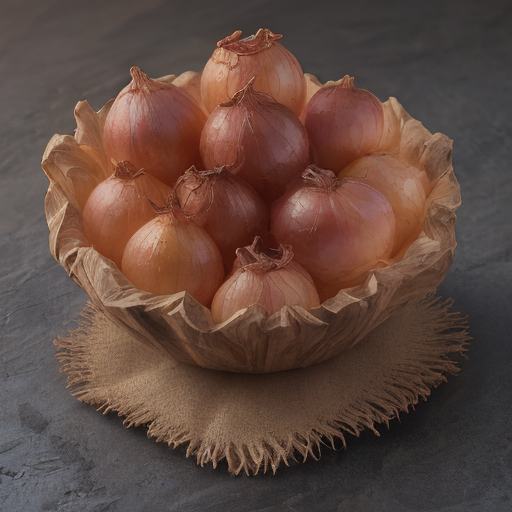
Onion
Probably originating in Central or West Asia, onions were cultivated in ancient Egypt, where they were considered a symbol of eternity and placed in tombs. In ancient Greece, athletes ate them to balance their blood, and in Rome, they were a staple food for soldiers. During the Middle Ages, onions were believed to protect against arrows and the plague.
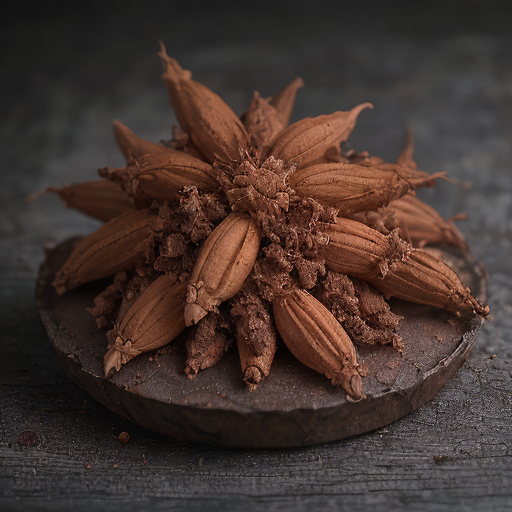
Cloves
Cloves, the dried buds of the exotic Syzygium aromaticum tree, were one of the most prized spices of the ancient world, often called 'aromatic gold'. In the Middle Ages, Venetian merchants controlled the clove trade, bringing them from the Maluku Islands, the only place they grew, and selling them at exorbitant prices in Europe.
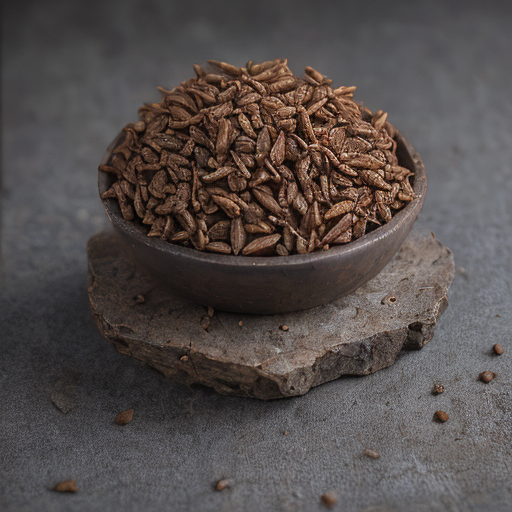
Anise
In ancient Rome, anise was so valuable that it was used as currency, and Pliny the Elder wrote that 'anyone who chews anise stays young'. In the Middle Ages, merchants from the Levant controlled the anise trade, bringing it to Europe along the Silk Road.
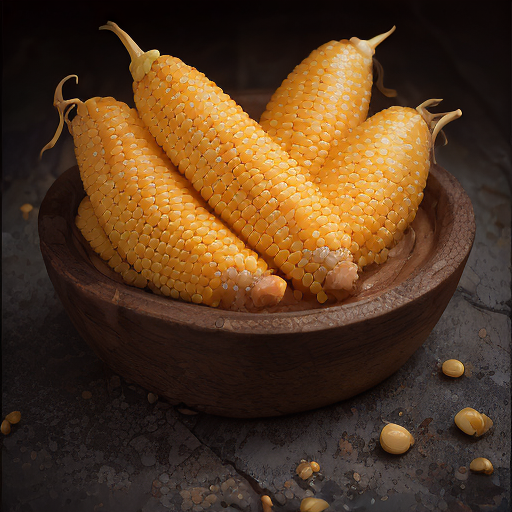
Corn
Corn, native to Central America, was domesticated over 9,000 years ago in Mexico. After the discovery of the Americas, it spread rapidly to Europe, Africa, and Asia, becoming a global staple crop. Fun fact: in Italy, corn was called 'grano turco' (Turkish wheat) because it was believed to originate from the East.