Crispy Chicken Drumsticks in Air Fryer (Gluten-Free)
Tender and crispy chicken drumsticks cooked in an air fryer without flour, perfect for a quick and healthy dinner.
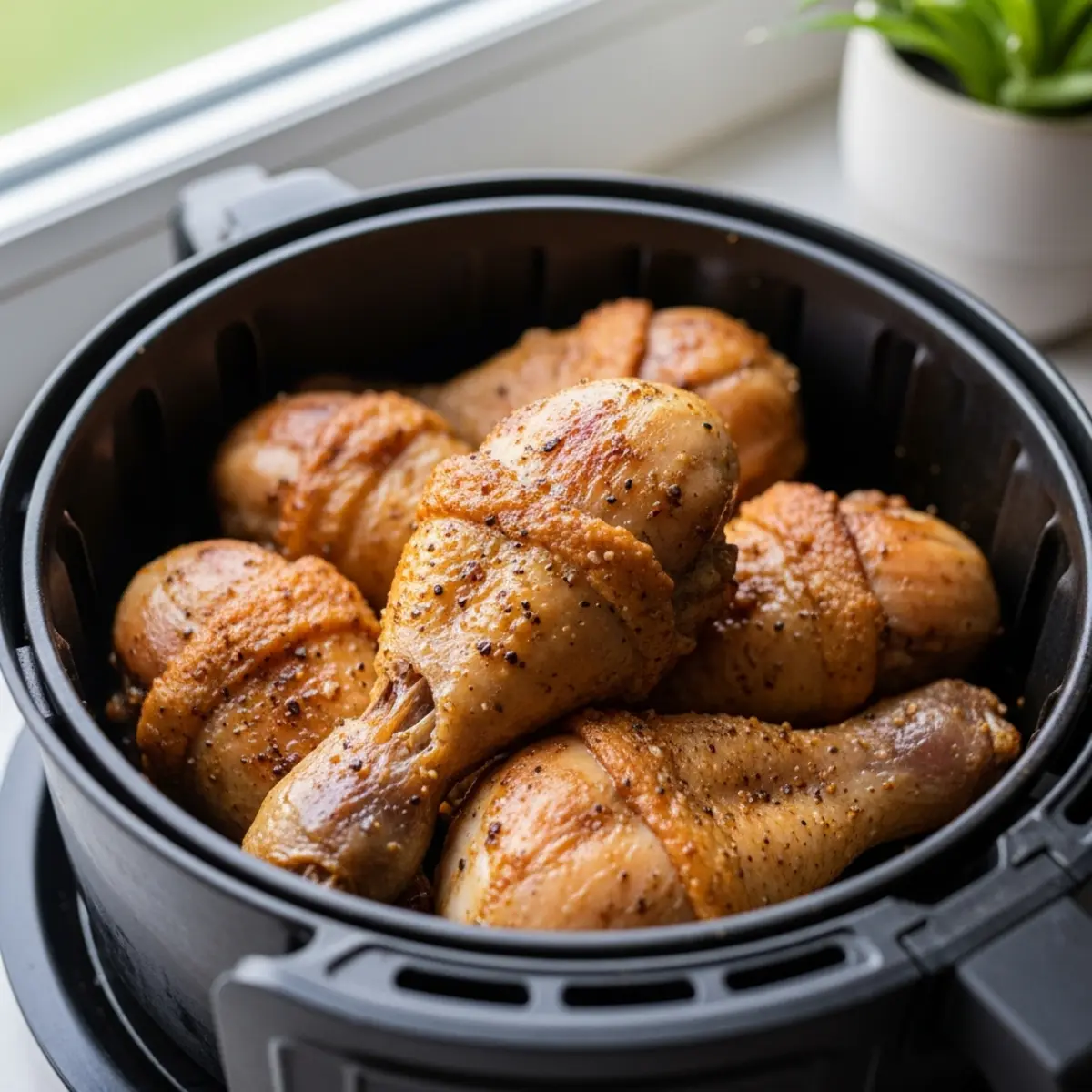
Steps
- 01
Pat the chicken drumsticks dry with paper towels, then soak them in a cup of whole milk for at least 30 minutes (preferably overnight) to make them more tender.
- 02
In a large bowl, thoroughly mix the Parmesan, arrowroot flour, cornstarch, turmeric, paprika, cayenne, garlic powder, onion powder, black pepper, brown sugar, salt, and dried thyme.
- 03
Remove the drumsticks from the milk and, using tongs, roll each piece in the spice mixture until evenly coated.
- 04
Place the drumsticks in the air fryer basket, leaving space between them for even cooking.
- 05
Lightly spray the tops with olive oil spray.
- 06
Cook at 200°C (400°F) for 10 minutes. Turn the drumsticks, spray again, and cook for another 10 minutes.
- 07
Turn once more, spray, and cook for a final 5 minutes.
- 08
Check the internal temperature – it should reach 74°C (165°F). Serve immediately, hot.
Recipe story
Crispy flourless chicken drumsticks are a modern twist on traditional Southern fried chicken. Originating from soul food cuisine, this version uses an air fryer to achieve a golden, crispy texture while significantly reducing oil. The recipe has been adapted to be gluten-free, using arrowroot flour and cornstarch, while retaining the authentic, spicy flavor.
Ingredient Secrets
Discover the culinary secrets and flavor history of key ingredients in this dish.
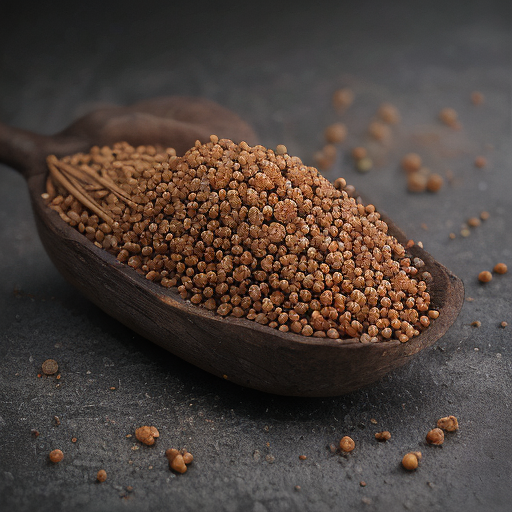
Black pepper
Known as 'black gold' in antiquity, pepper was so valuable that it served as currency and tribute. In the Middle Ages, Venetian merchants controlled the pepper trade, and individual peppercorns were often counted. Legend has it that when Alaric, king of the Visigoths, demanded tribute from Rome, he included 3,000 pounds of pepper.
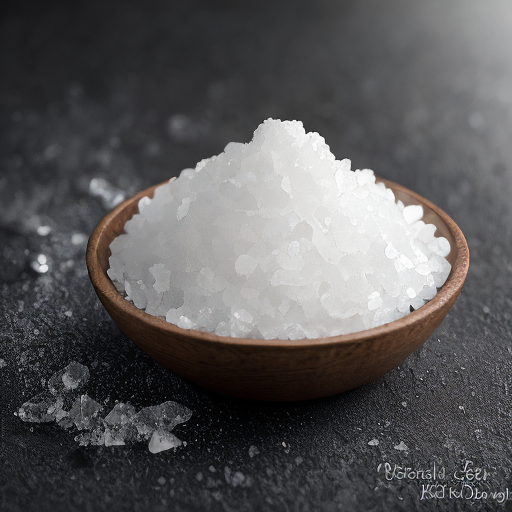
Sea salt
Sea salt, extracted from ocean waters by evaporation, was one of the most precious goods of antiquity, used both as food and as currency. In ancient Rome, soldiers were paid with salt, which is the origin of the word 'salary'. Salt roads connected entire civilizations, and in the Middle Ages, salt was so valuable it was called 'white gold'.
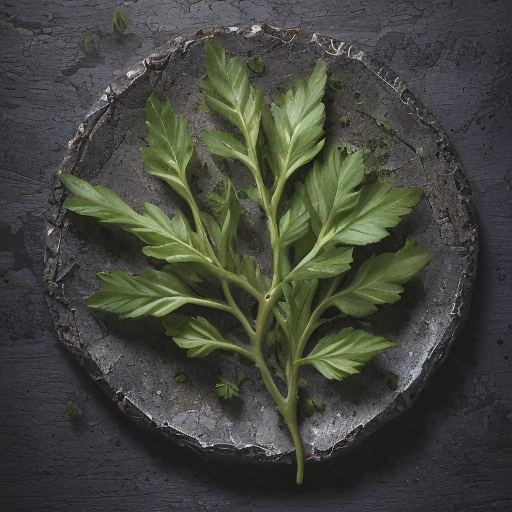
Thyme
In ancient Rome, thyme was burned in temples to purify the air and ward off evil spirits, and Roman soldiers added it to their baths to strengthen their courage. In the Middle Ages, noble ladies embroidered thyme on knights' scarves as a symbol of bravery. The ancient Greeks used it in baths and temples, and its name derives from the Greek 'thymos', meaning 'courage'.
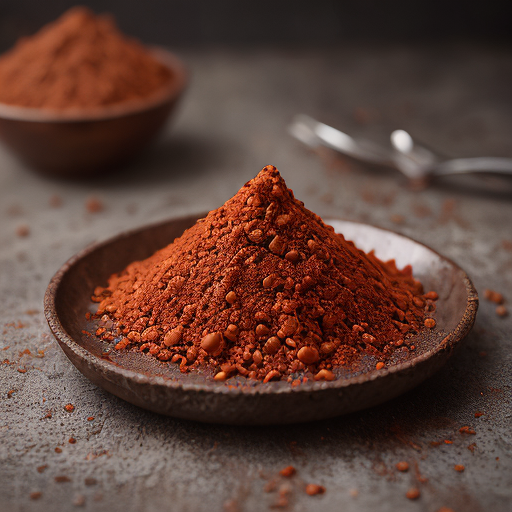
Paprika
Paprika, a emblematic spice brought to Europe by Christopher Columbus from the New World. Although associated with Hungarian cuisine, its origins are in Central America, where it was used by the Aztecs.
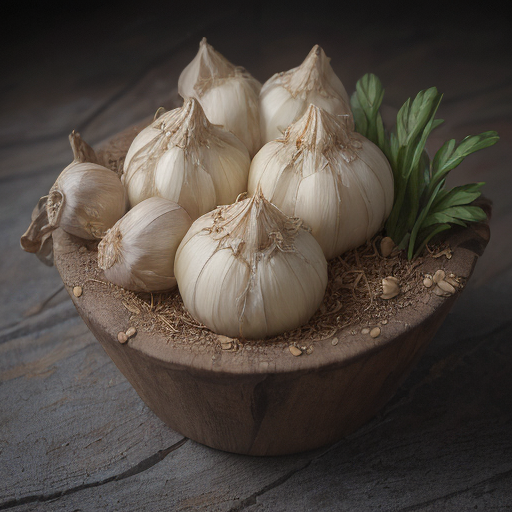
Garlic
Native to Central Asia, garlic was already known in ancient Egypt, where it was given to slaves to boost their strength. In ancient Greece, athletes consumed it before competitions, and in Rome, legionaries considered it essential for courage. During the Middle Ages, it was used to ward off vampires and the plague.
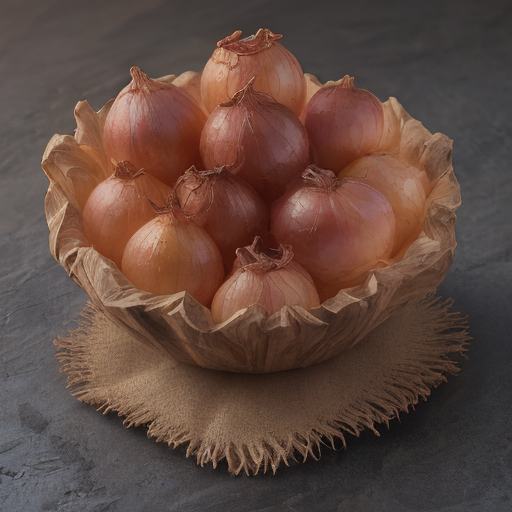
Onion
Probably originating in Central or West Asia, onions were cultivated in ancient Egypt, where they were considered a symbol of eternity and placed in tombs. In ancient Greece, athletes ate them to balance their blood, and in Rome, they were a staple food for soldiers. During the Middle Ages, onions were believed to protect against arrows and the plague.
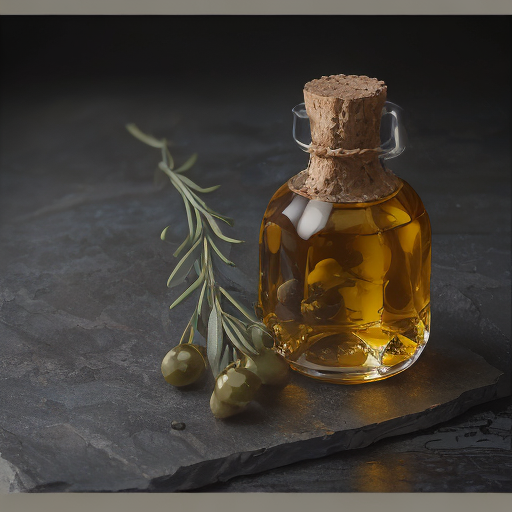
Olive oil
Originating in the Mediterranean basin, olive oil was already produced in ancient Crete 5,000 years ago. In ancient Greece, it was considered a gift from Athena and used in lamps, cosmetics, and religious ceremonies. The Romans spread it throughout the empire, and in the Middle Ages, monasteries preserved the tradition of its production.
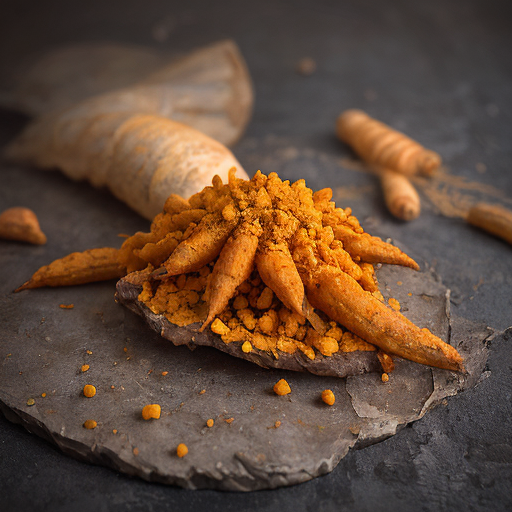
Turmeric
Turmeric, also known as 'poor man's saffron,' has been used in India for over 4,000 years, both as a spice and in religious rituals. In Ayurvedic medicine, it was considered a blood purifier and a remedy for inflammation. Today, curcumin, its active compound, is studied for its antioxidant and anti-inflammatory properties.
You may also like
 Chicken
Air Fryer Caesar Salad with Chicken – Quick and Crispy Recipe
 Chicken
Crispy Air Fryer Chicken Breast
 Chicken
Air Fryer Chicken Breast – Quick 17-Minute Recipe
 Chicken
Crispy Orange Chicken in Air Fryer
 Chicken
Air Fryer Chicken Breast: Juicy and Buttery in 20 Minutes
 Chicken