Crispy Calamari Rings in Air Fryer
Breaded calamari rings cooked quickly in the air fryer for a crispy, golden texture, perfect as an appetizer or snack.

Steps
- 01
Prepare three bowls: one with flour mixed with paprika, salt, and pepper; one with beaten eggs; and one with breadcrumbs.
- 02
Dip calamari rings first in the flour mixture, then in egg, and finally in breadcrumbs, ensuring they are well coated.
- 03
Preheat the air fryer to 200°C (400°F).
- 04
Place the breaded rings in a single layer in the air fryer basket. Lightly spray with olive oil.
- 05
Cook at 200°C (400°F) for 7-8 minutes. Shake the basket halfway through.
- 06
Remove from air fryer and serve immediately with lemon wedges or garlic dipping sauce.
Recipe story
Originating from Mediterranean cuisine, breaded calamari rings were popularized by Greek and Italian fishermen who fried fresh squid in olive oil. In the 19th century, the recipe was adopted by chefs in southern Italy, becoming a classic appetizer in taverns along the Amalfi Coast. Today, this delicacy is enjoyed worldwide, and the air fryer version offers a lighter alternative while maintaining the crispy texture.
Ingredient Secrets
Discover the culinary secrets and flavor history of key ingredients in this dish.
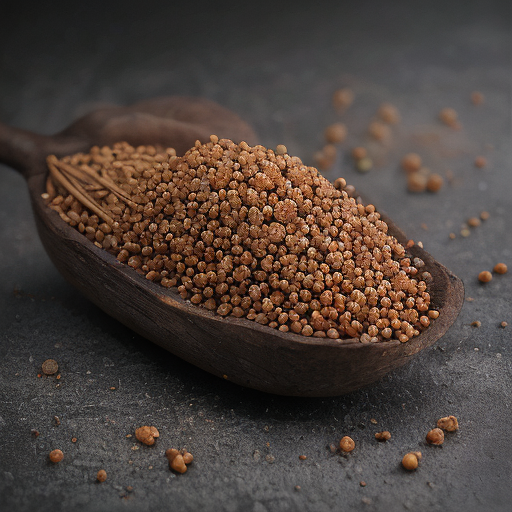
Black pepper
Known as 'black gold' in antiquity, pepper was so valuable that it served as currency and tribute. In the Middle Ages, Venetian merchants controlled the pepper trade, and individual peppercorns were often counted. Legend has it that when Alaric, king of the Visigoths, demanded tribute from Rome, he included 3,000 pounds of pepper.
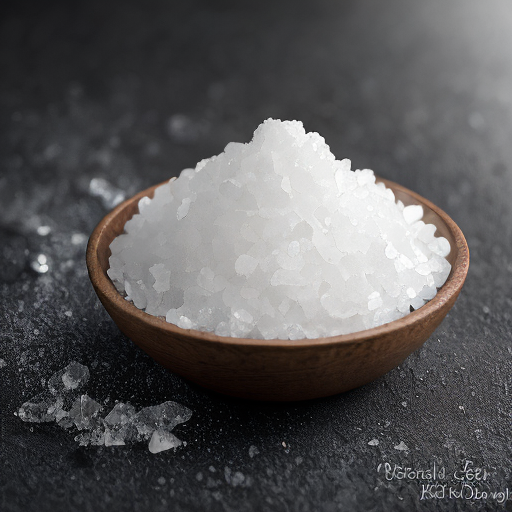
Sea salt
Sea salt, extracted from ocean waters by evaporation, was one of the most precious goods of antiquity, used both as food and as currency. In ancient Rome, soldiers were paid with salt, which is the origin of the word 'salary'. Salt roads connected entire civilizations, and in the Middle Ages, salt was so valuable it was called 'white gold'.
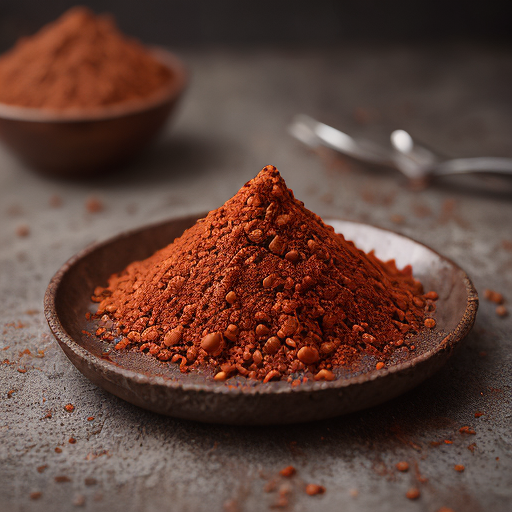
Paprika
Paprika, a emblematic spice brought to Europe by Christopher Columbus from the New World. Although associated with Hungarian cuisine, its origins are in Central America, where it was used by the Aztecs.
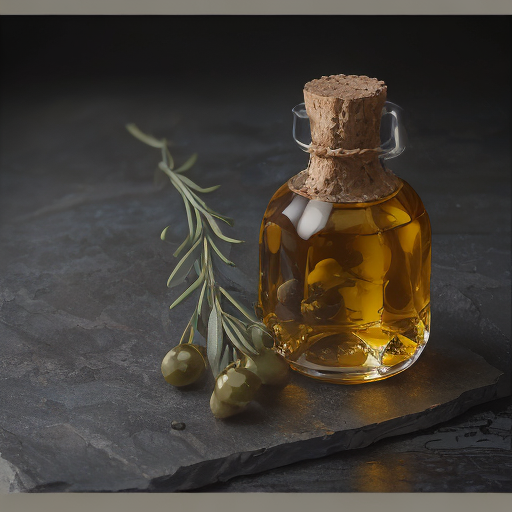
Olive oil
Originating in the Mediterranean basin, olive oil was already produced in ancient Crete 5,000 years ago. In ancient Greece, it was considered a gift from Athena and used in lamps, cosmetics, and religious ceremonies. The Romans spread it throughout the empire, and in the Middle Ages, monasteries preserved the tradition of its production.
You may also like
 Misc
Air Fryer S'mores – Quick Campfire Treat Without Fire
 Misc
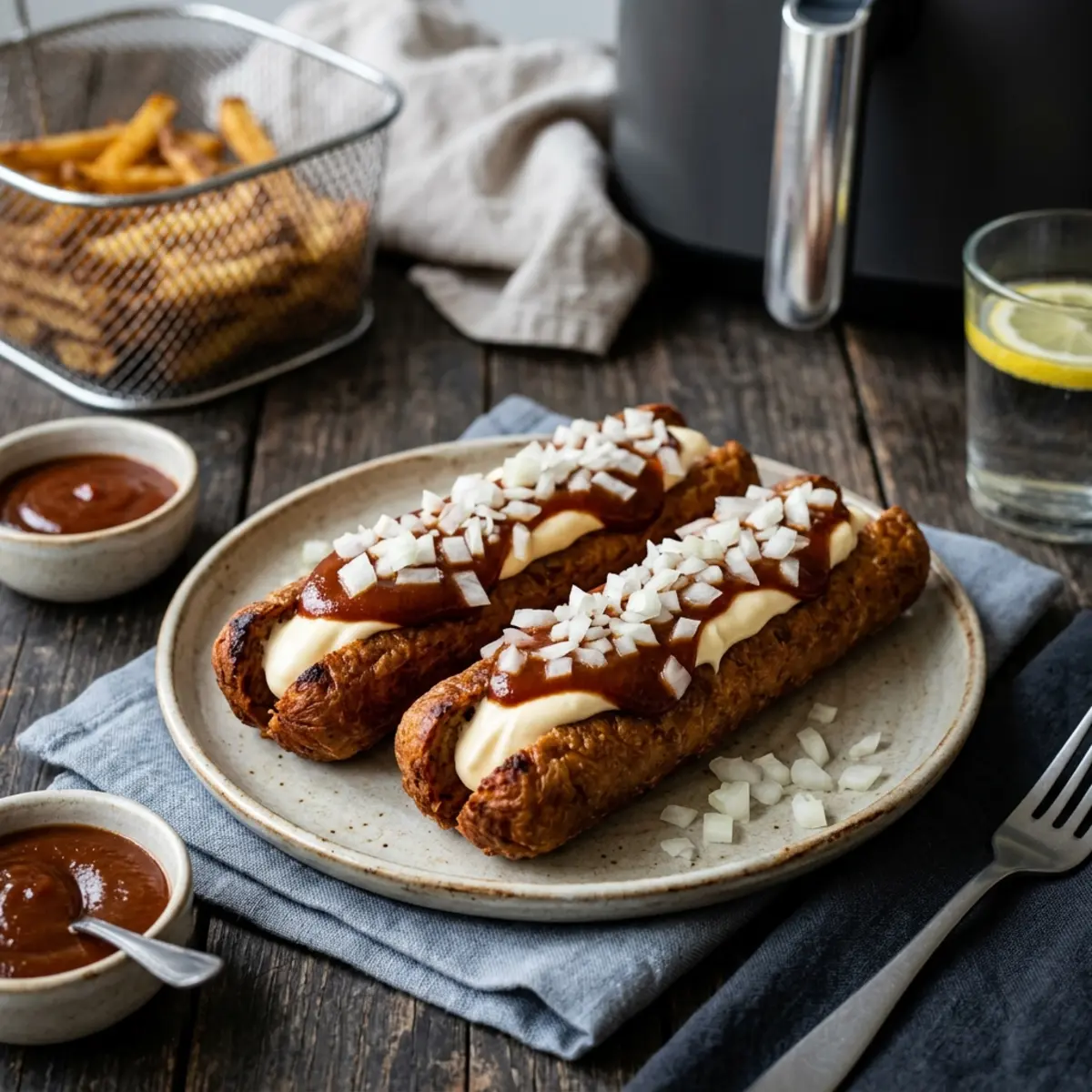
How to Reheat Frikandellen in Air Fryer: Quick and Crispy Recipe
 Misc
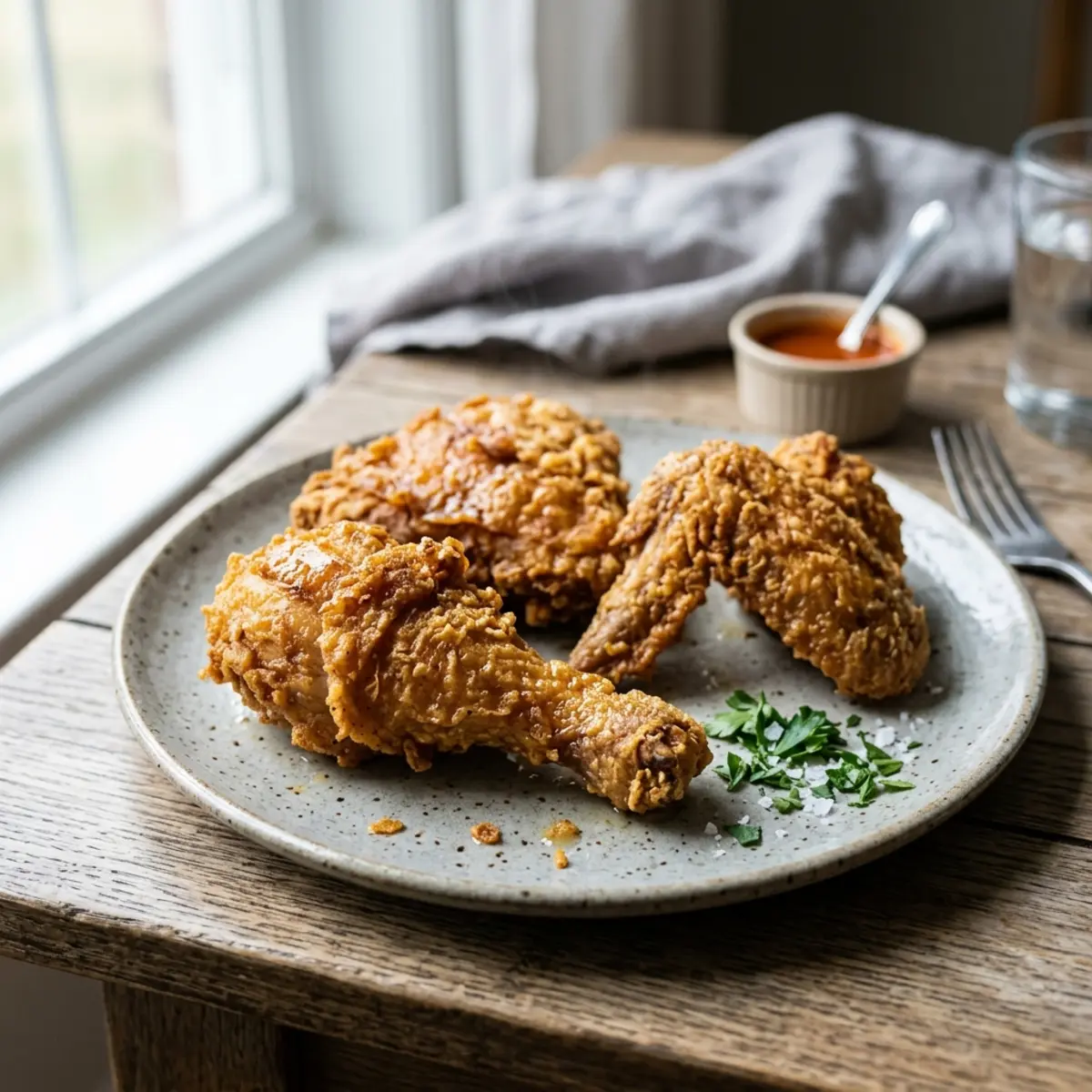
How to Reheat Chicken in Air Fryer (Crispy and Juicy)
 Misc
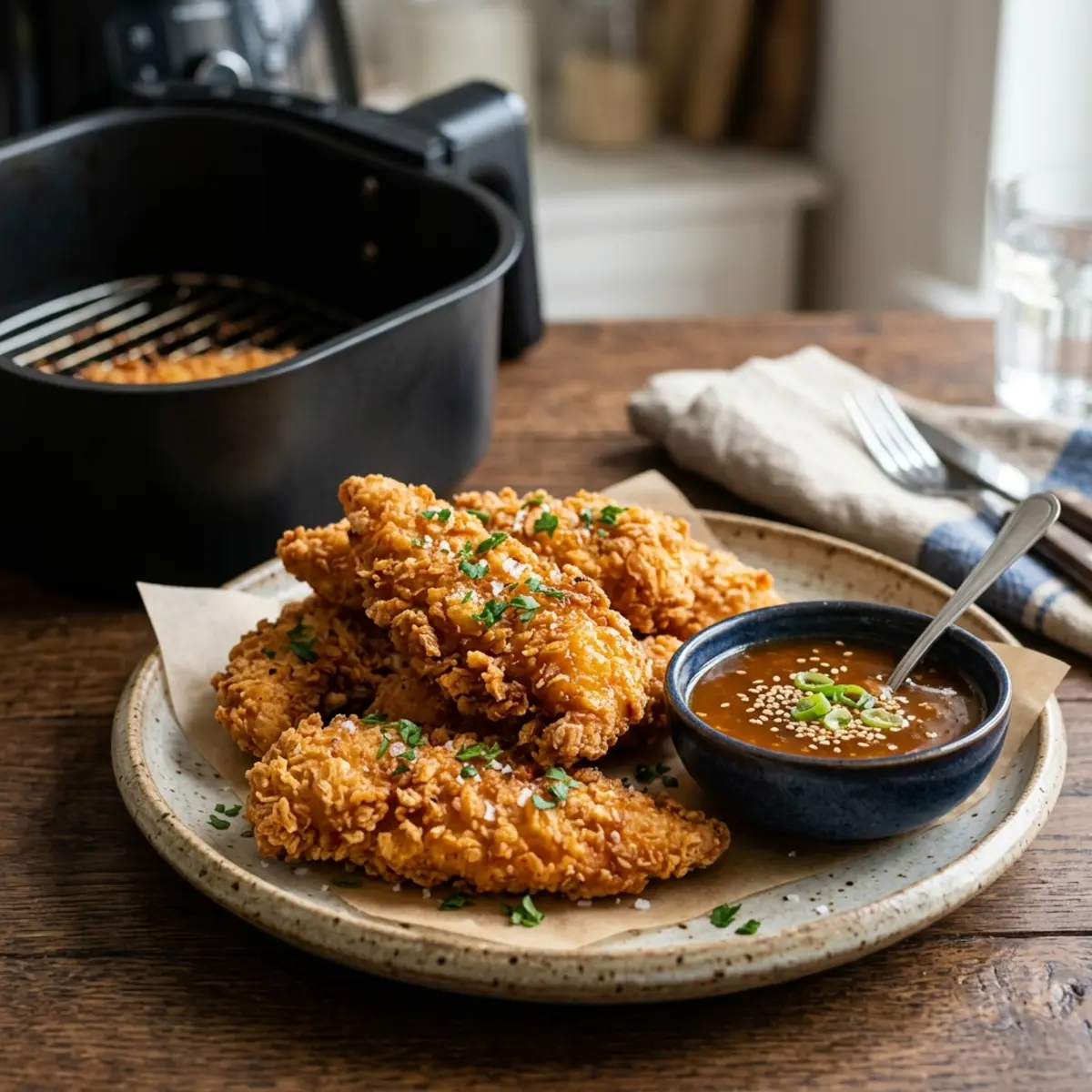
Crispy Reheated Chicken Pieces in Air Fryer
 Misc
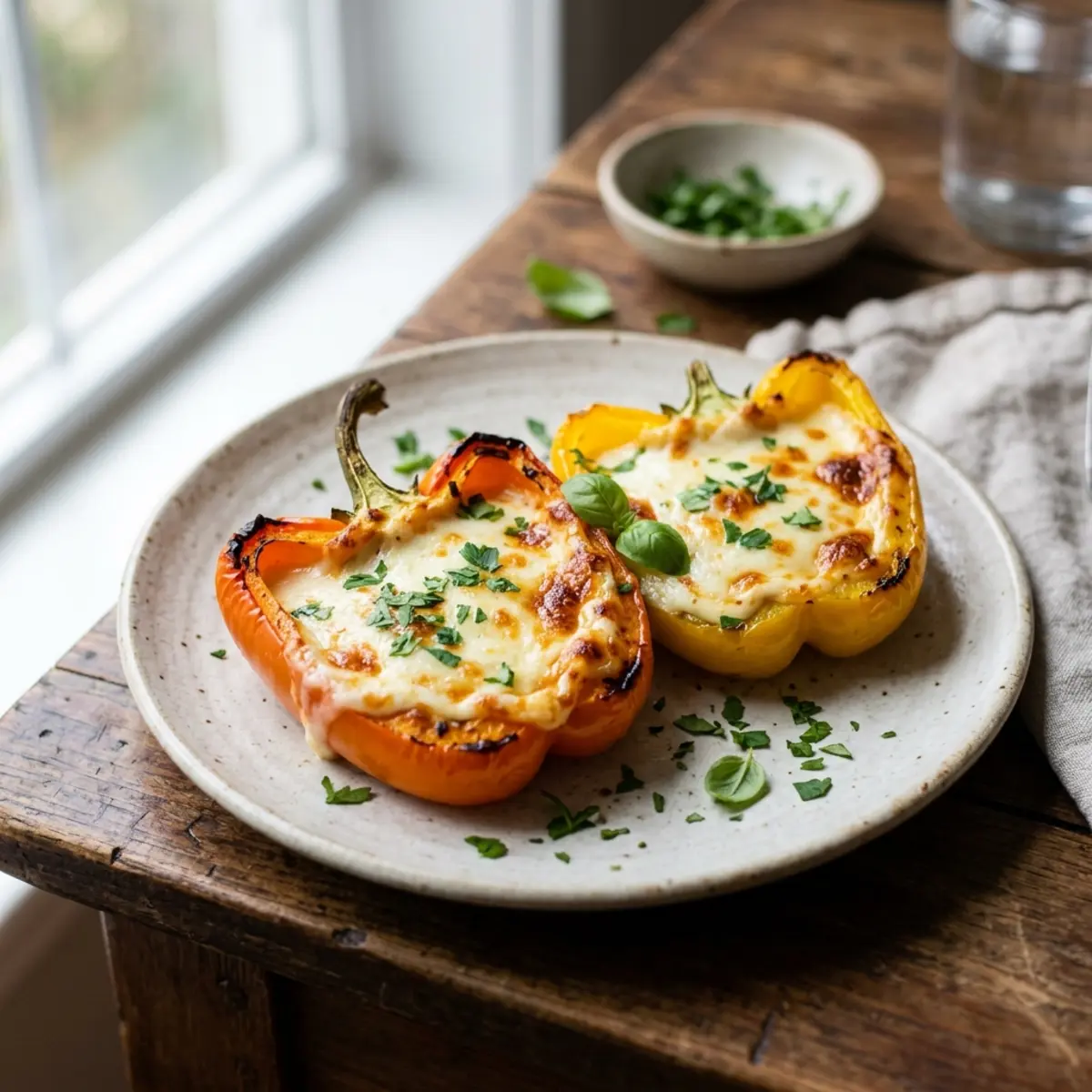
Stuffed Bell Pepper with Mozzarella in Air Fryer
 Misc