Crispy Babi Pangang in Air Fryer with Green Beans and Rice Noodles
An authentic Indonesian dish, reimagined for the air fryer: crispy pork belly marinated in ketjap manis and aromatic spices, served with spicy green beans and rice noodles.
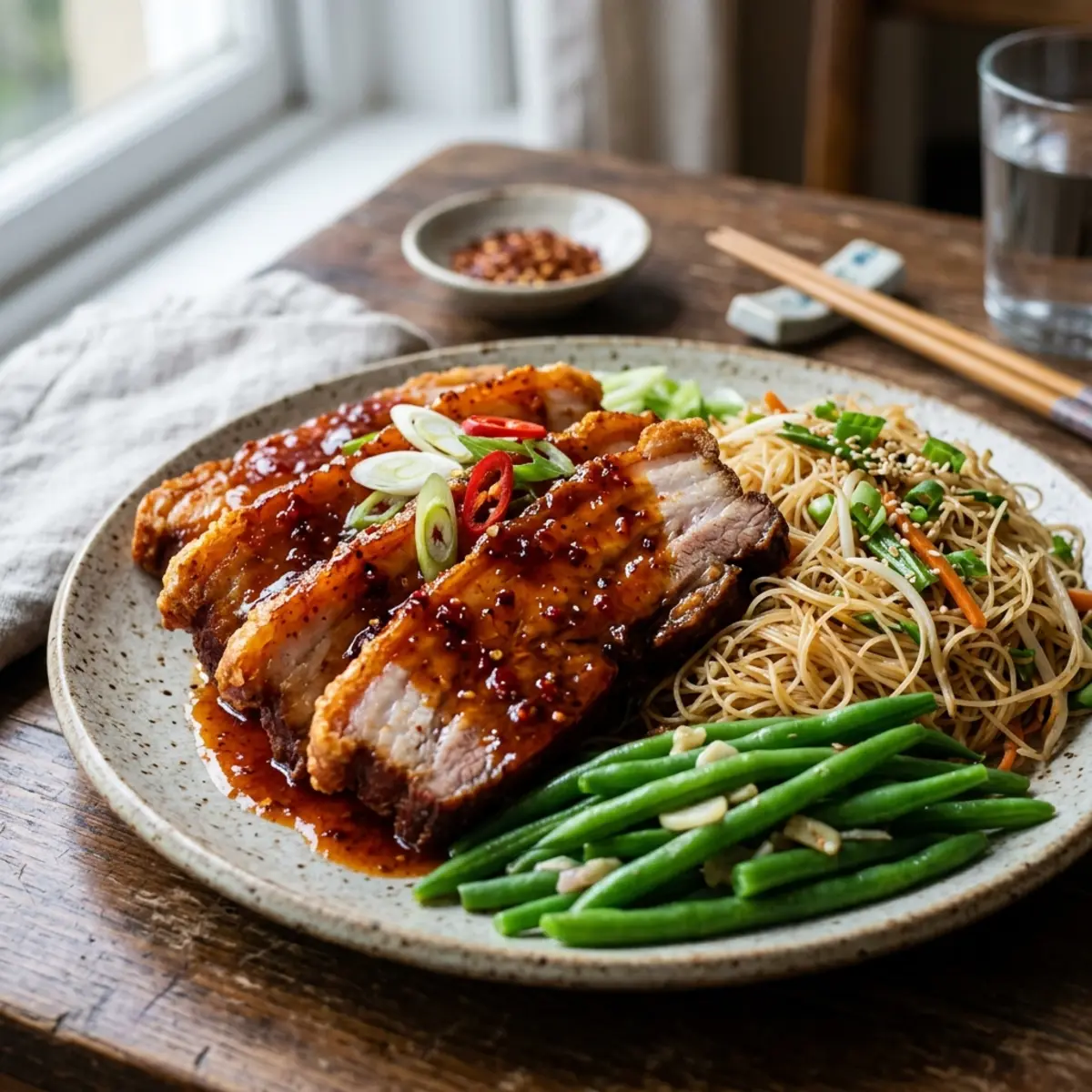
Steps
- 01
Peel and finely chop the onion, garlic, and ginger. Blend into a smooth paste using a hand blender. Mix the remaining marinade ingredients. Score the pork belly skin, then coat well with the marinade on all sides. Cover and refrigerate for at least 4 hours.
- 02
Preheat the air fryer to 180°C (350°F). Line the bottom with aluminum foil to catch drips and prevent sticking.
- 03
Remove the meat from the fridge 30 minutes before cooking. Place it on the air fryer rack and cook for 25 minutes until tender and crispy. Let it rest for 5 minutes after cooking.
- 04
Trim the ends of the green beans. Soak them in hot water for 5 minutes, then drain.
- 05
Toss the beans with olive oil and sambal. Place them next to the meat in the air fryer and cook for about 7 more minutes, stirring occasionally.
- 06
Peel and grate the ginger. In a heatproof bowl, combine all sauce ingredients. Cover with foil and place in the air fryer alongside the meat until heated through.
- 07
Soak the rice noodles in hot water for 5 minutes, then drain. Drizzle with a little sesame oil. Serve the babi pangang with the beans, noodles, and sauce.
Recipe story
Babi pangang is an iconic Indonesian dish with roots in the culinary traditions of southern China, brought by Chinese immigrants to the archipelago. The name comes from the Hokkien dialect and means 'roast pork'. The recipe evolved over centuries, blending Chinese techniques with local ingredients like ketjap manis and sambal. In Indonesia, it is often served at celebrations and family gatherings, symbolizing hospitality and prosperity. The air fryer version preserves the traditional crispy texture while reducing preparation time.
Ingredient Secrets
Discover the culinary secrets and flavor history of key ingredients in this dish.
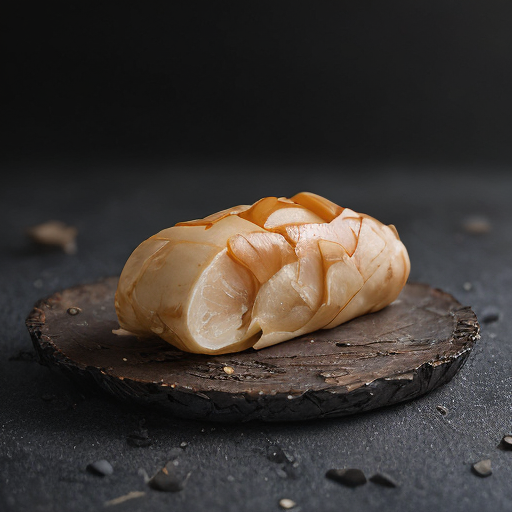
Ginger
Ginger, known since antiquity, was one of the first spices brought along the Silk Road, so precious that a kilogram of ginger was worth a sheep in medieval Europe.
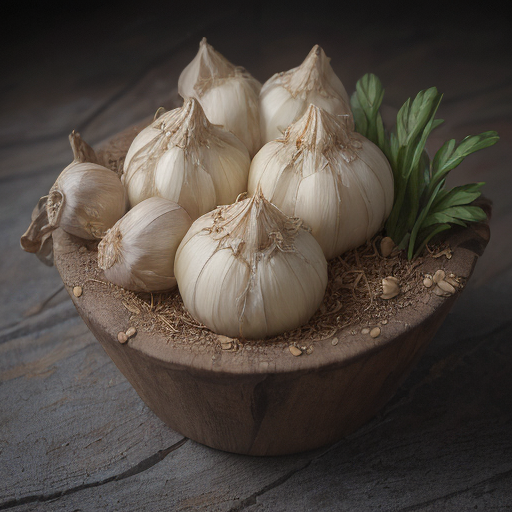
Garlic
Native to Central Asia, garlic was already known in ancient Egypt, where it was given to slaves to boost their strength. In ancient Greece, athletes consumed it before competitions, and in Rome, legionaries considered it essential for courage. During the Middle Ages, it was used to ward off vampires and the plague.
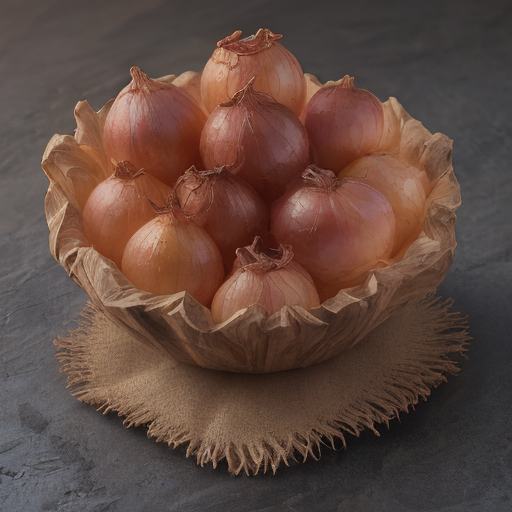
Onion
Probably originating in Central or West Asia, onions were cultivated in ancient Egypt, where they were considered a symbol of eternity and placed in tombs. In ancient Greece, athletes ate them to balance their blood, and in Rome, they were a staple food for soldiers. During the Middle Ages, onions were believed to protect against arrows and the plague.
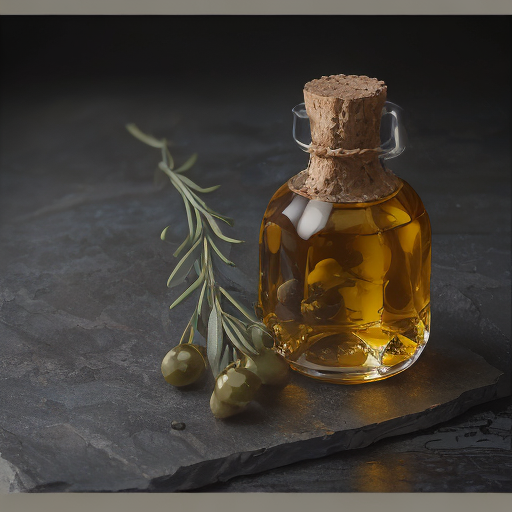
Olive oil
Originating in the Mediterranean basin, olive oil was already produced in ancient Crete 5,000 years ago. In ancient Greece, it was considered a gift from Athena and used in lamps, cosmetics, and religious ceremonies. The Romans spread it throughout the empire, and in the Middle Ages, monasteries preserved the tradition of its production.
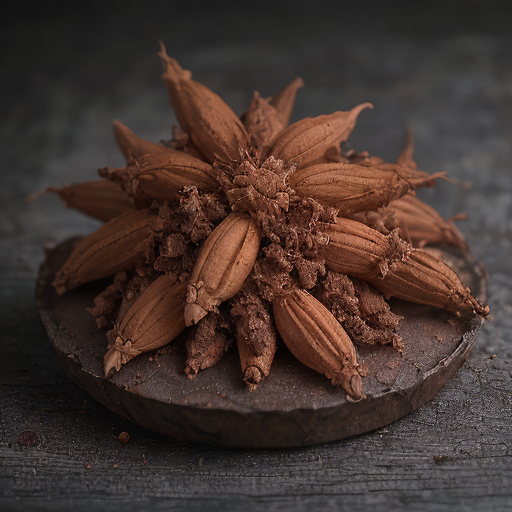
Cloves
Cloves, the dried buds of the exotic Syzygium aromaticum tree, were one of the most prized spices of the ancient world, often called 'aromatic gold'. In the Middle Ages, Venetian merchants controlled the clove trade, bringing them from the Maluku Islands, the only place they grew, and selling them at exorbitant prices in Europe.
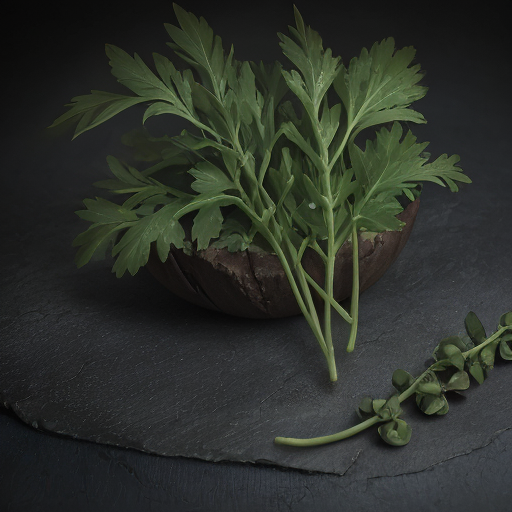
Coriander
Coriander, known since ancient times, was found in Egyptian tombs over 3,000 years old, considered a sacred spice and a remedy for immortality. The Romans brought it to Europe, where it became a staple in Mediterranean and Asian cuisines.
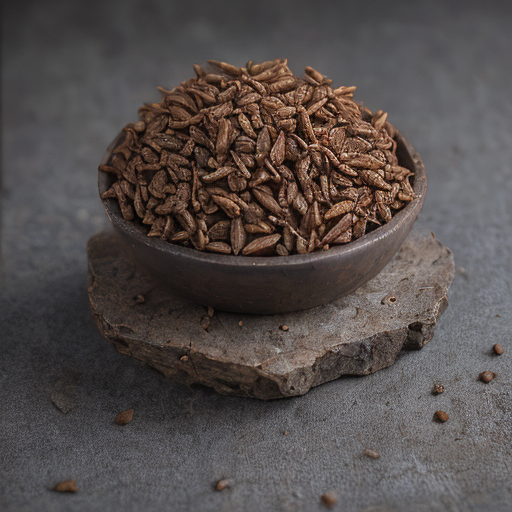
Anise
In ancient Rome, anise was so valuable that it was used as currency, and Pliny the Elder wrote that 'anyone who chews anise stays young'. In the Middle Ages, merchants from the Levant controlled the anise trade, bringing it to Europe along the Silk Road.
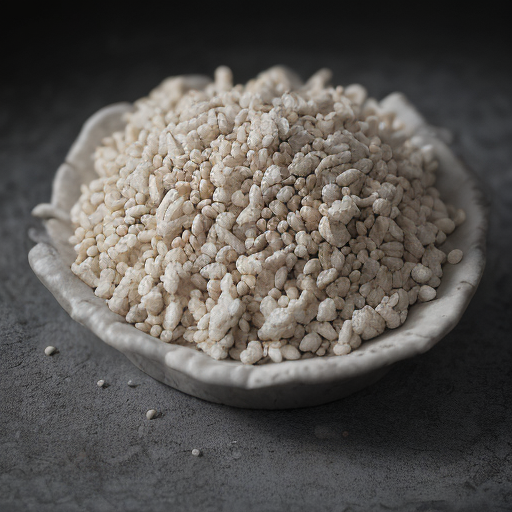
Sesame
In Assyrian mythology, the gods drank sesame wine on the night before the creation of the world, and in ancient Rome, sesame seeds were sprinkled on soldiers' bread to give them strength. In the Middle Ages, sesame was considered a magical food capable of boosting vitality. Today, it is valued for its oil rich in essential fatty acids.
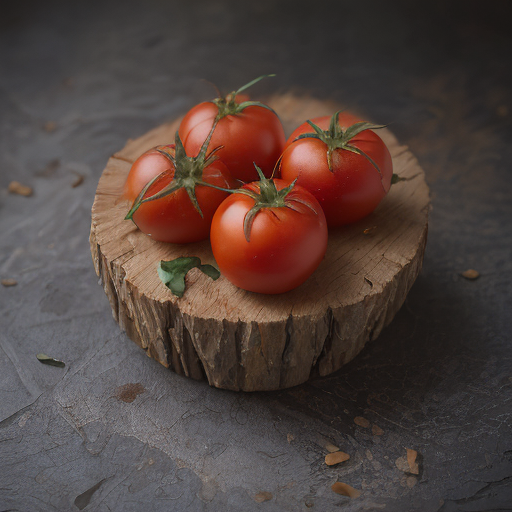
Tomato
Although today the tomato is indispensable in global cuisine, it was long viewed with suspicion in Europe, considered a toxic ornamental plant. It wasn't until the 19th century that Italian immigrants popularized it in the United States, turning it into an iconic ingredient of Mediterranean cuisine. Native to South America, the tomato was domesticated in Mexico and brought to Europe by Spanish conquistadors.
You may also like
 Misc
MiscAir Fryer S'mores – Quick Campfire Treat Without Fire
 Misc
MiscHow to Reheat Frikandellen in Air Fryer: Quick and Crispy Recipe
 Misc
MiscHow to Reheat Chicken in Air Fryer (Crispy and Juicy)
 Misc
MiscCrispy Reheated Chicken Pieces in Air Fryer
 Misc
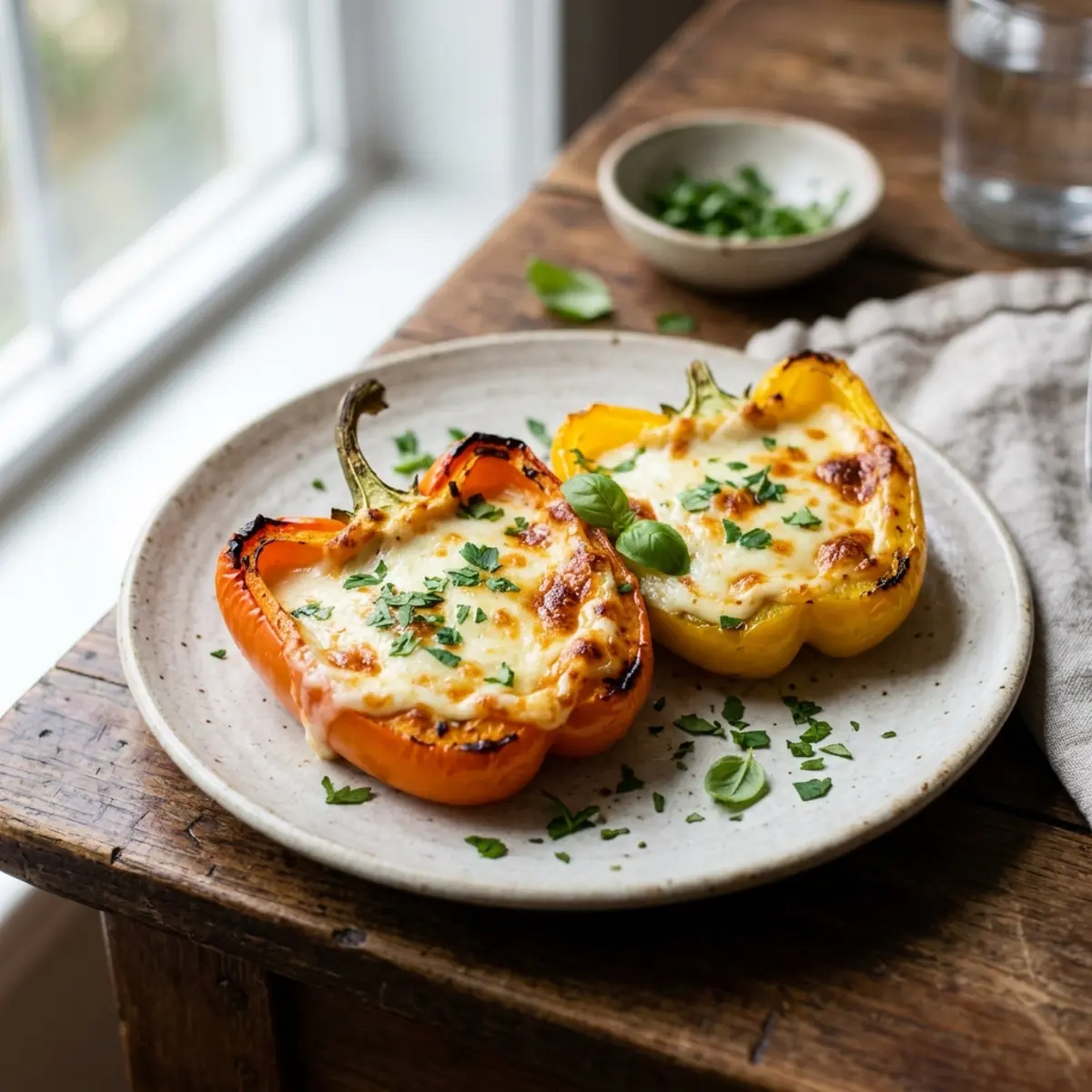
MiscStuffed Bell Pepper with Mozzarella in Air Fryer
 Misc
Misc