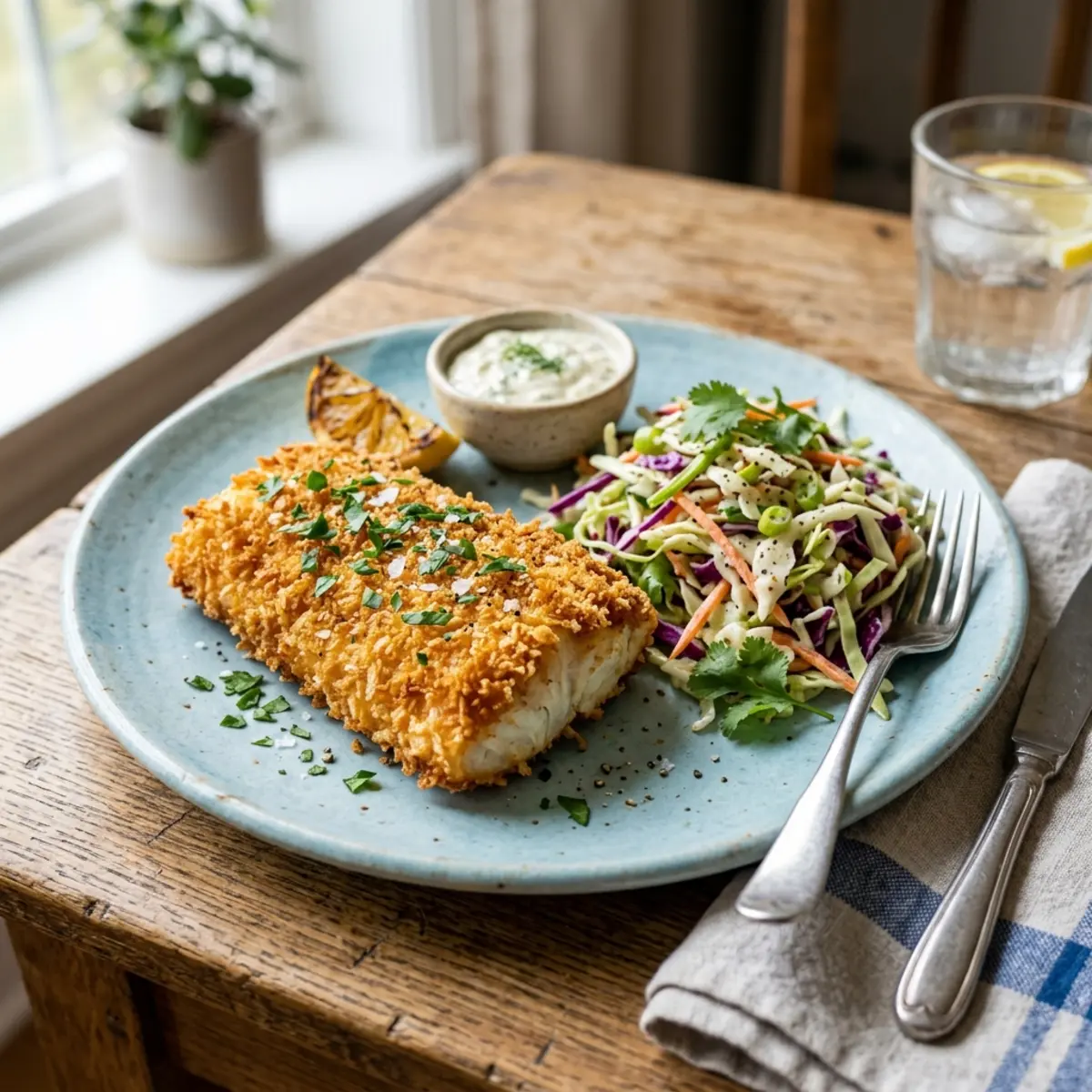
Crispy Air Fryer Mahi Mahi with Panko Crust
Panko-crusted mahi mahi fillets seasoned and air-fried until golden and crispy. A quick and healthy recipe perfect for a light dinner.
Steps
- 01
Preheat the air fryer to 200°C (400°F).
- 02
If the mahi mahi fillets are wet, pat them dry with paper towels.
- 03
Place the fillets on a large plate and brush or drizzle with olive oil, ensuring all sides are coated.
- 04
In a shallow bowl, mix together panko breadcrumbs, paprika, garlic powder, onion powder, salt, and pepper.
- 05
Take each fillet and press it into the breadcrumb mixture, coating evenly on all sides.
- 06
Place the breaded fillets in a single layer in the air fryer basket, without touching each other.
- 07
Spray generously with cooking oil spray.
- 08
Cook for 12-15 minutes, turning the fillets halfway through and spraying the other side with oil spray, until golden and flaky.
- 09
Serve immediately with lemon wedges, if desired.
Recipe story
Mahi-mahi, also known as dolphinfish or dorado, is a highly prized fish in tropical cuisines worldwide. Native to the warm waters of the Atlantic, Indian, and Pacific Oceans, this fish has been fished for centuries by coastal communities. In Hawaii, mahi-mahi is considered a symbol of good luck and is often prepared simply, grilled or fried. The panko crust recipe reflects the influence of Japanese cuisine, which introduced panko breadcrumbs to international cooking. Today, breaded mahi-mahi is a popular dish in Caribbean and Latin American restaurants.
Ingredient Secrets
Discover the culinary secrets and flavor history of key ingredients in this dish.
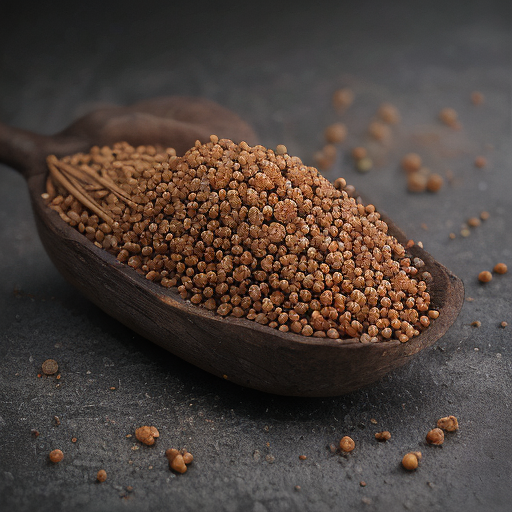
Black pepper
Known as 'black gold' in antiquity, pepper was so valuable that it served as currency and tribute. In the Middle Ages, Venetian merchants controlled the pepper trade, and individual peppercorns were often counted. Legend has it that when Alaric, king of the Visigoths, demanded tribute from Rome, he included 3,000 pounds of pepper.
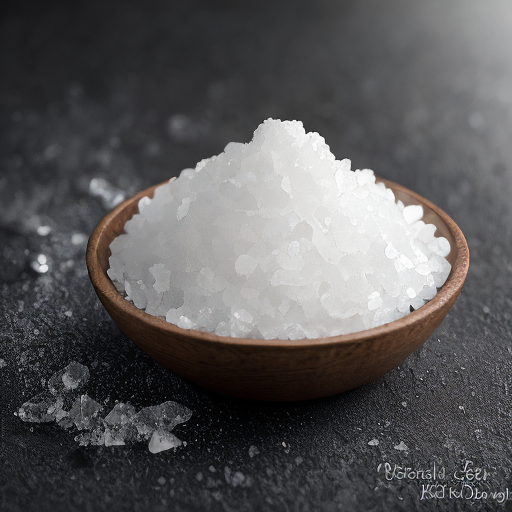
Sea salt
Sea salt, extracted from ocean waters by evaporation, was one of the most precious goods of antiquity, used both as food and as currency. In ancient Rome, soldiers were paid with salt, which is the origin of the word 'salary'. Salt roads connected entire civilizations, and in the Middle Ages, salt was so valuable it was called 'white gold'.
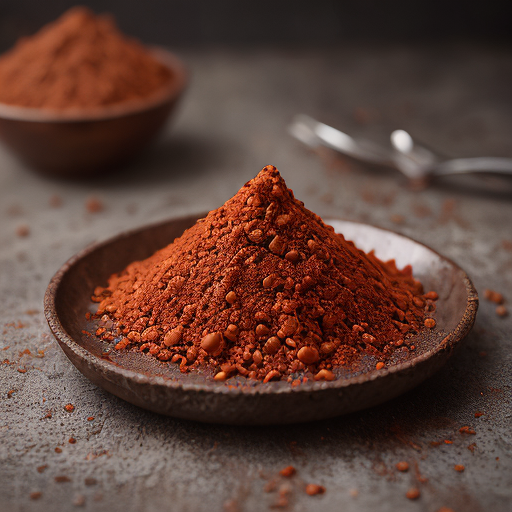
Paprika
Paprika, a emblematic spice brought to Europe by Christopher Columbus from the New World. Although associated with Hungarian cuisine, its origins are in Central America, where it was used by the Aztecs.
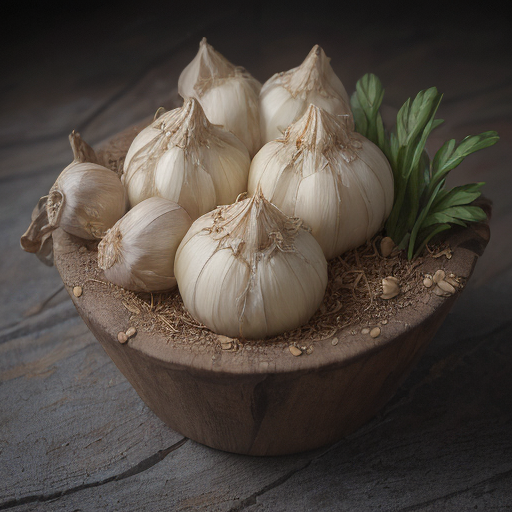
Garlic
Native to Central Asia, garlic was already known in ancient Egypt, where it was given to slaves to boost their strength. In ancient Greece, athletes consumed it before competitions, and in Rome, legionaries considered it essential for courage. During the Middle Ages, it was used to ward off vampires and the plague.
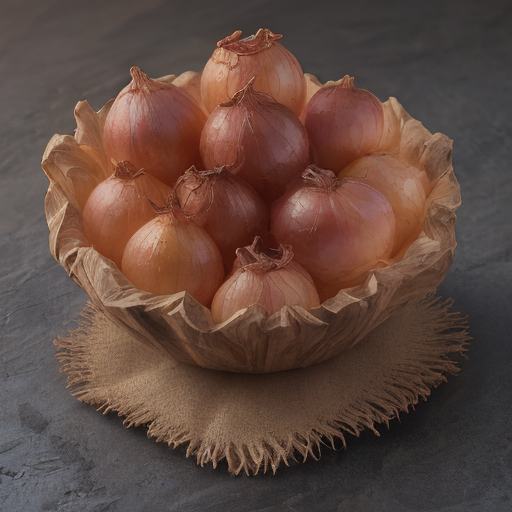
Onion
Probably originating in Central or West Asia, onions were cultivated in ancient Egypt, where they were considered a symbol of eternity and placed in tombs. In ancient Greece, athletes ate them to balance their blood, and in Rome, they were a staple food for soldiers. During the Middle Ages, onions were believed to protect against arrows and the plague.
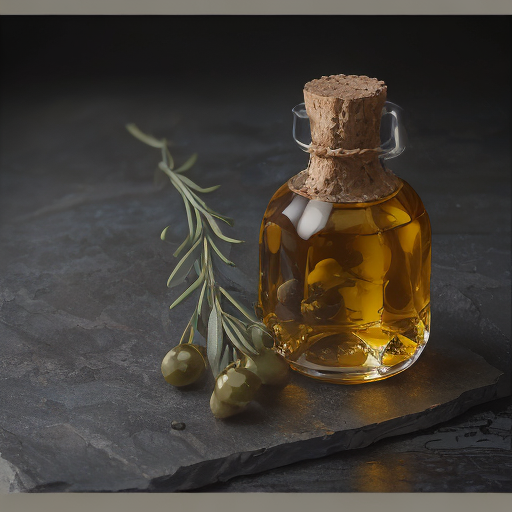
Olive oil
Originating in the Mediterranean basin, olive oil was already produced in ancient Crete 5,000 years ago. In ancient Greece, it was considered a gift from Athena and used in lamps, cosmetics, and religious ceremonies. The Romans spread it throughout the empire, and in the Middle Ages, monasteries preserved the tradition of its production.
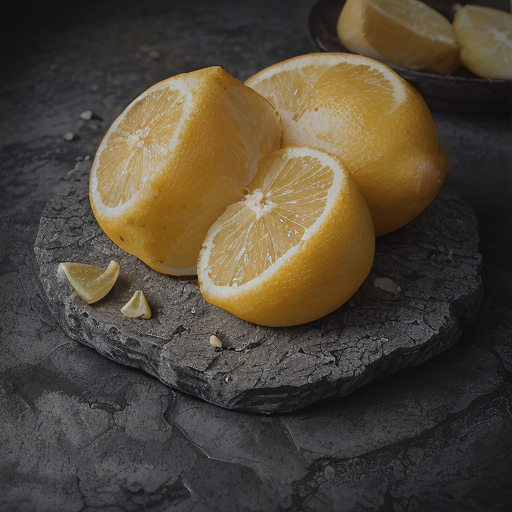
Lemon
The lemon is an ancient hybrid between citron and bitter orange, likely originating in northern India or China. In the Middle Ages, lemons were so valuable that they were given as gifts to kings. Fun fact: during the Gold Rush, British sailors were given lemons to prevent scurvy, leading to the nickname 'limey'.
You may also like
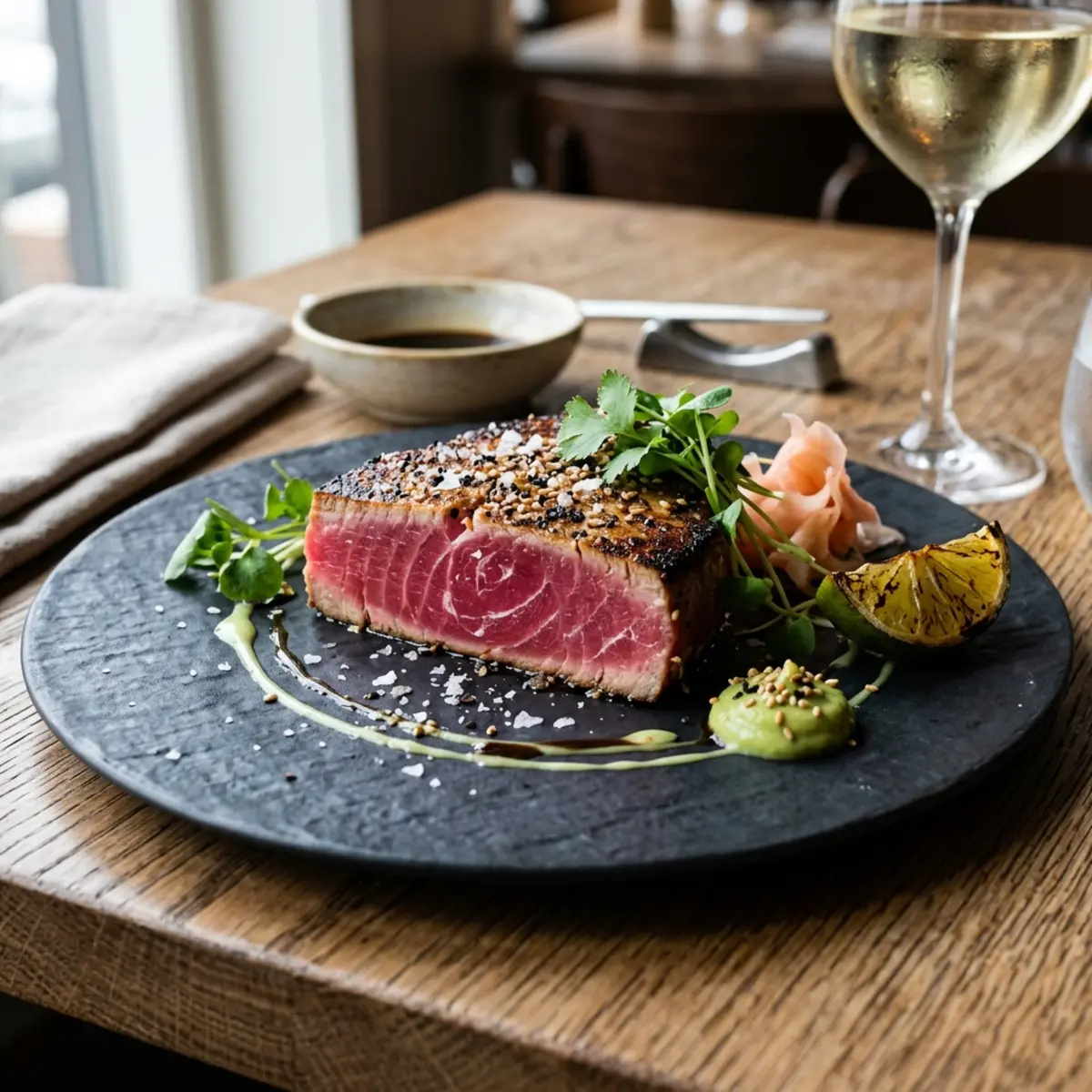 Fish
FishAir Fryer Tuna Steak – Quick and Easy Recipe in 12 Minutes
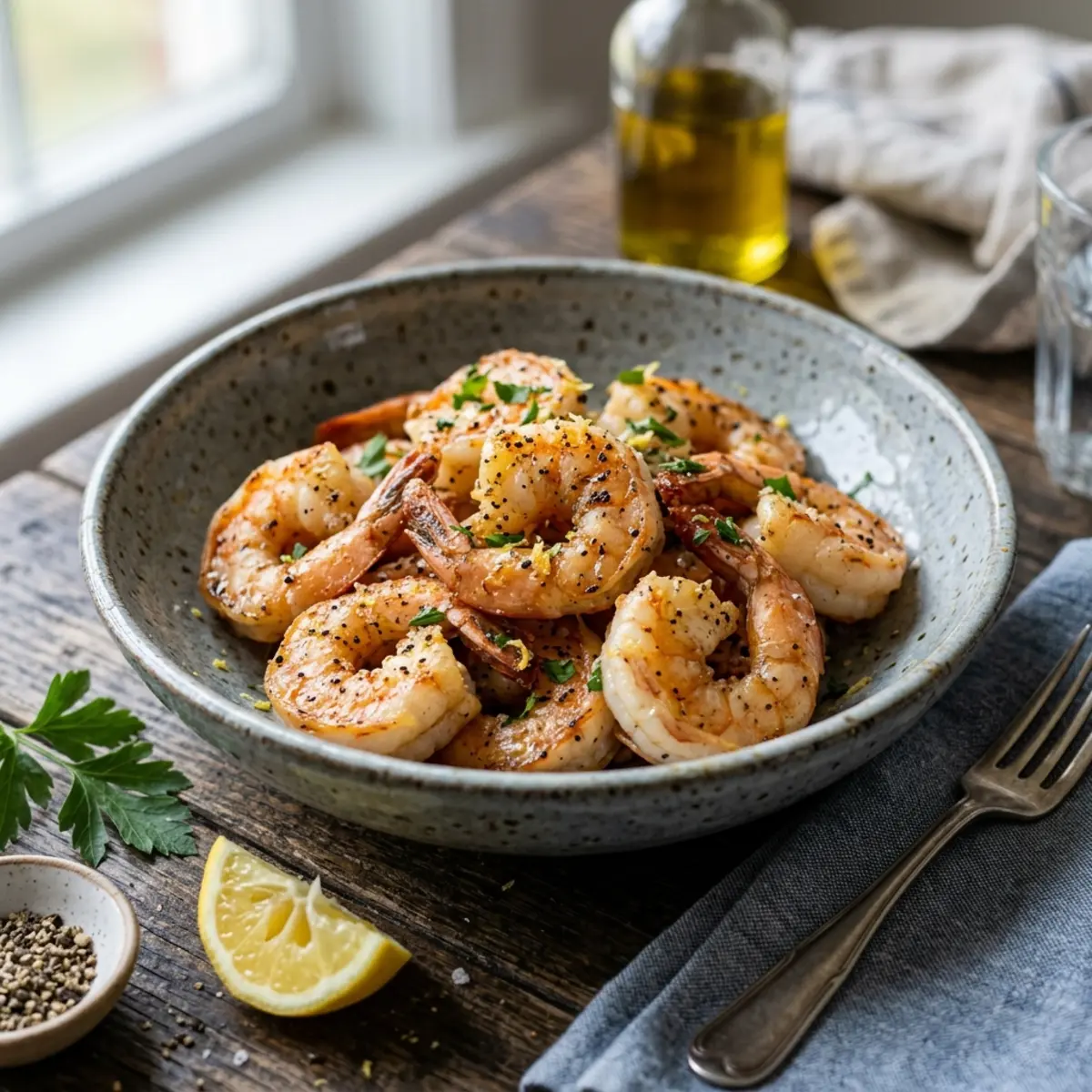 Fish
FishAir Fryer Lemon Pepper Shrimp
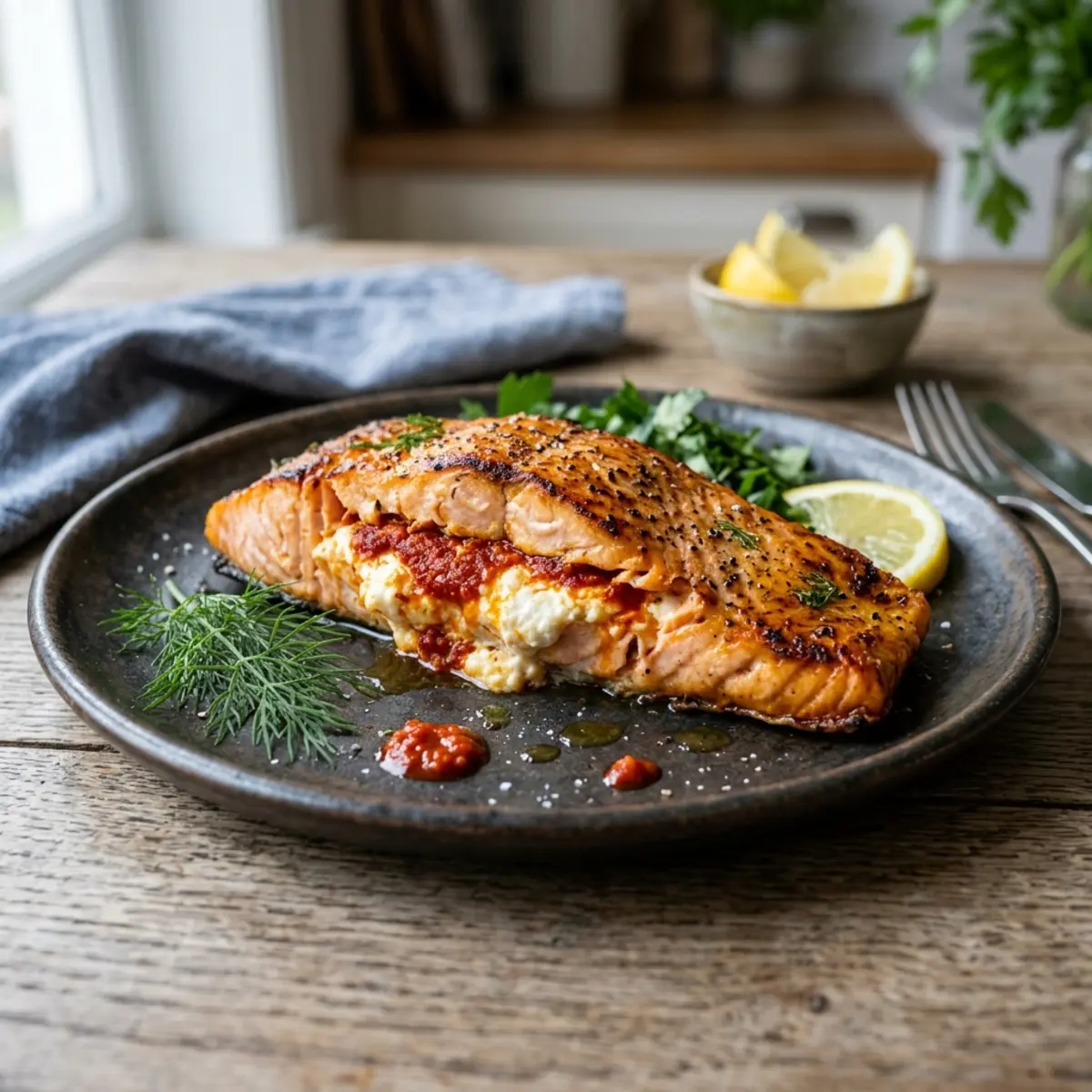 Fish
FishSalmon stuffed with ricotta and harissa in Air Fryer
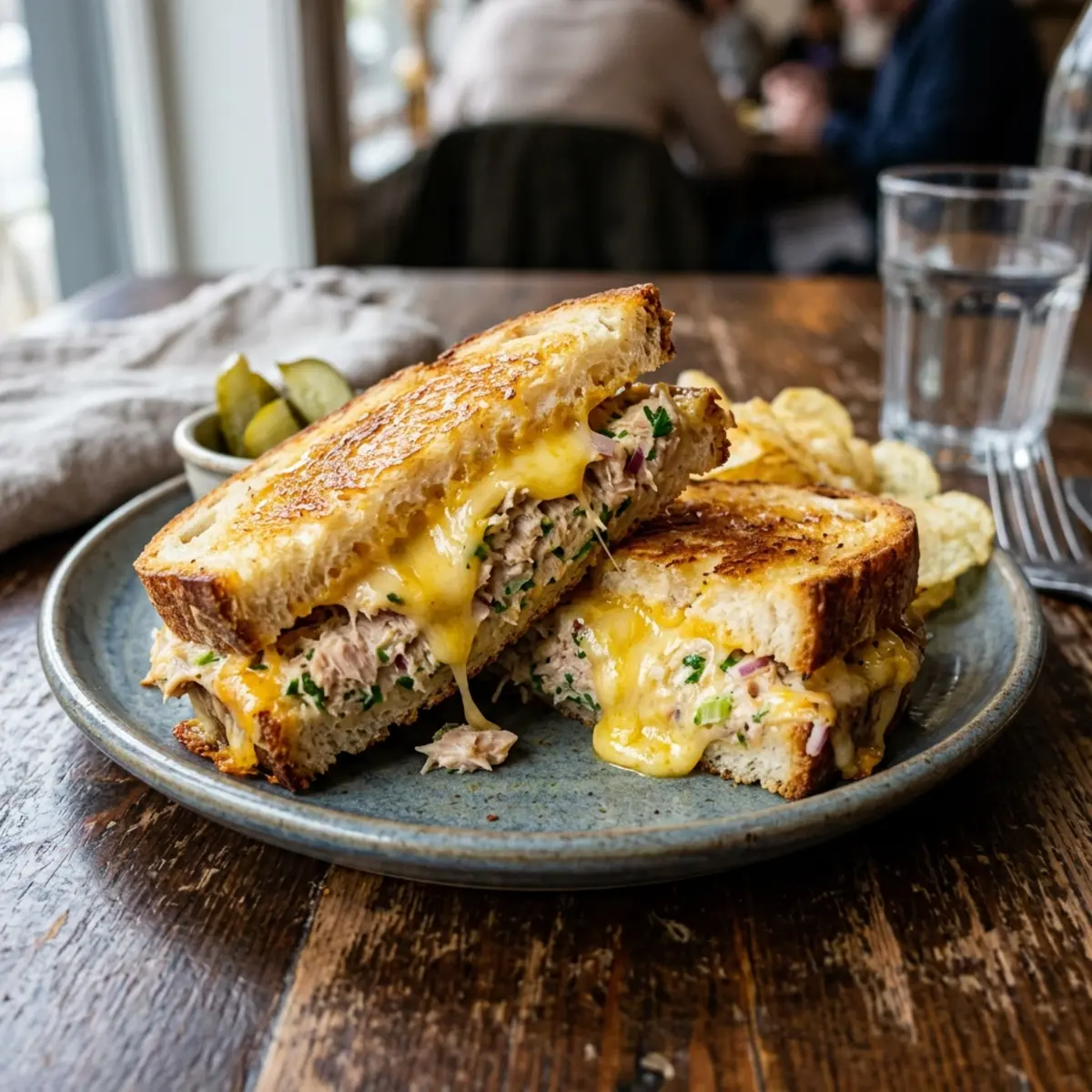 Fish
FishAir Fryer Tuna Melt – Crispy Tuna and Cheese Sandwich in 15 Minutes
 Fish
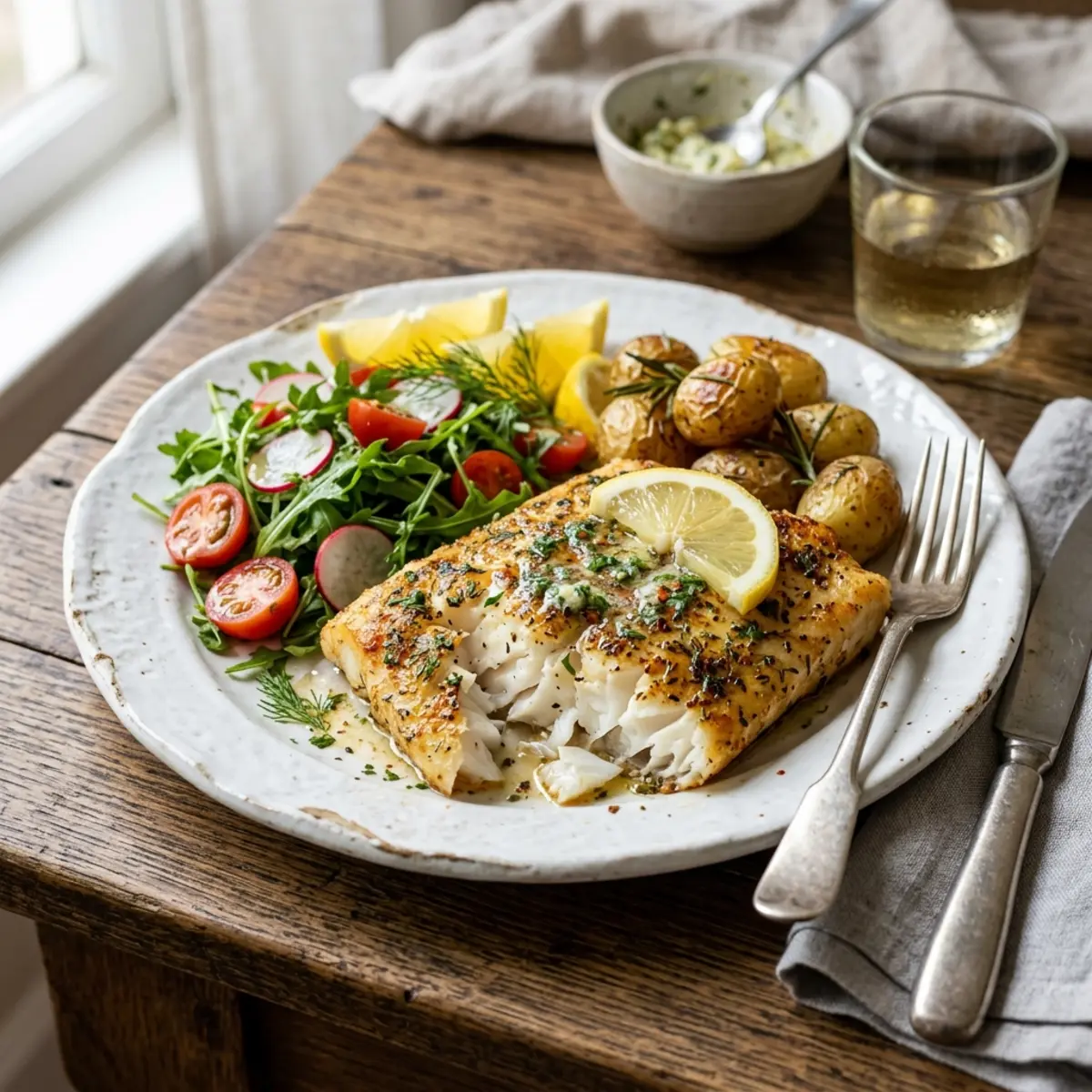
FishAir Fryer Fresh Cod Fillet - Quick & Easy 15-Min Recipe
 Fish
Fish