Crispy Air Fryer Focaccia
A quick and easy recipe for crispy focaccia, perfect as a snack or side dish, made in the air fryer.
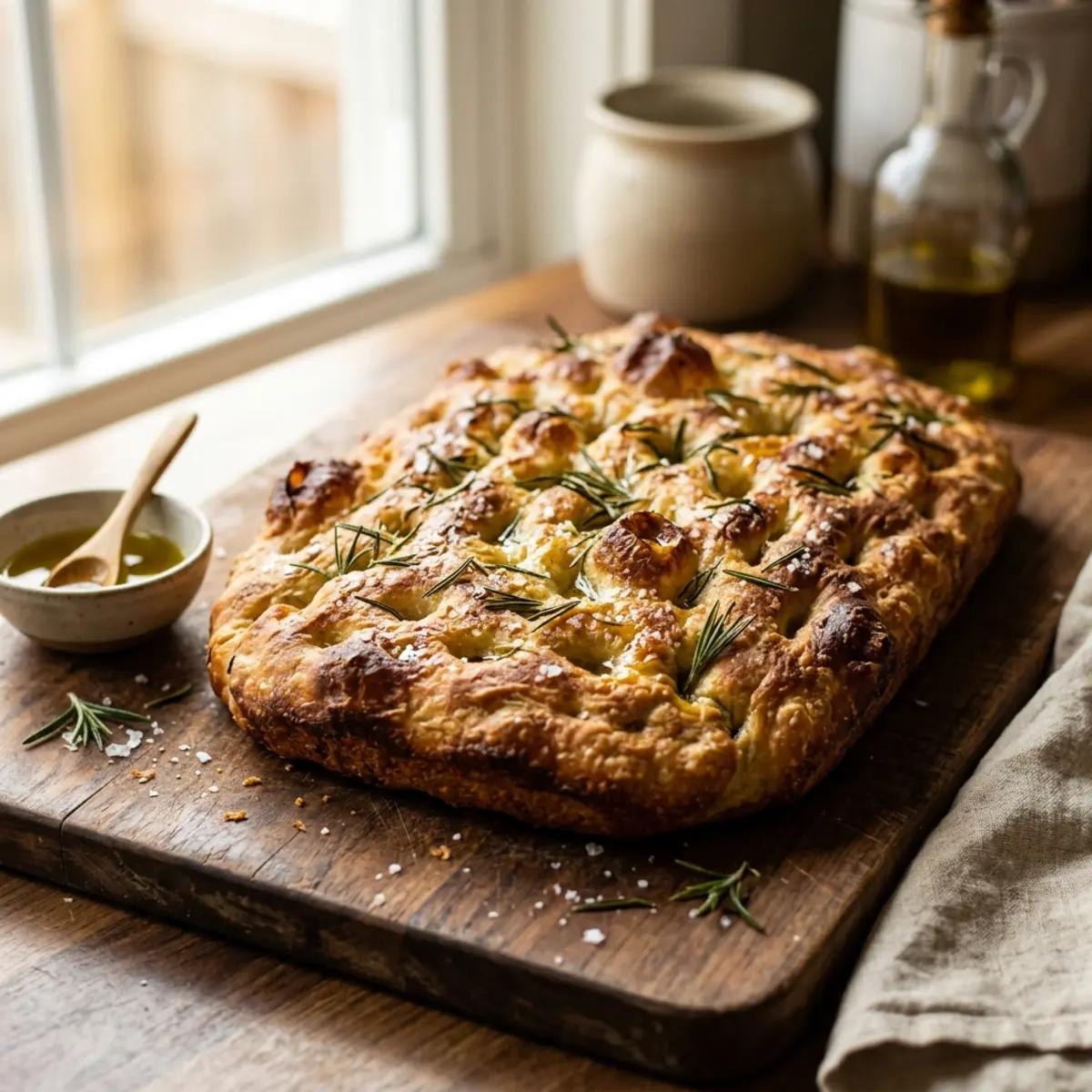
Steps
- 01
In a bowl, mix flour, yeast, and salt.
- 02
Add warm water and olive oil. Knead until the dough is smooth and elastic.
- 03
Cover the bowl and let the dough rise in a warm place for 30 minutes, until doubled in volume.
- 04
On a floured surface, roll the dough into a circle about 1 cm thick.
- 05
Place the dough in the air fryer basket (or on a suitable parchment paper).
- 06
Lightly brush with olive oil, then sprinkle garlic, rosemary, and coarse salt.
- 07
Bake in the preheated air fryer at 180°C for 12–15 minutes, until golden and crispy.
- 08
Let cool slightly before serving. Enjoy plain or as a side.
Recipe story
Focaccia is an ancient Italian bread originating from Liguria. In ancient Rome, a version called 'panis focacius' was baked on the hearth, symbolizing hospitality. Over the centuries, the recipe spread throughout Italy, becoming a staple of Italian cuisine. Its golden texture and olive oil aroma have made it popular worldwide.
Ingredient Secrets
Discover the culinary secrets and flavor history of key ingredients in this dish.
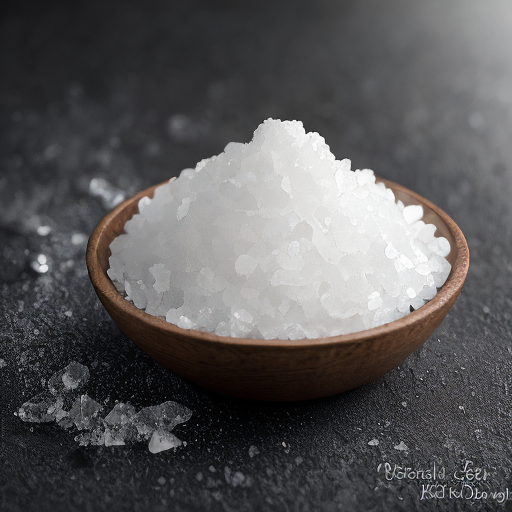
Sea salt
Sea salt, extracted from ocean waters by evaporation, was one of the most precious goods of antiquity, used both as food and as currency. In ancient Rome, soldiers were paid with salt, which is the origin of the word 'salary'. Salt roads connected entire civilizations, and in the Middle Ages, salt was so valuable it was called 'white gold'.
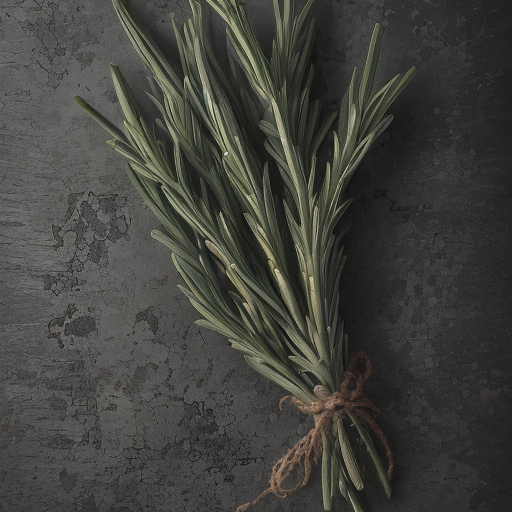
Rosemary
In ancient Rome, rosemary was a symbol of remembrance and fidelity, used in bridal crowns and funeral rites. Legend says that the goddess Venus, emerging from the sea waves, created rosemary.
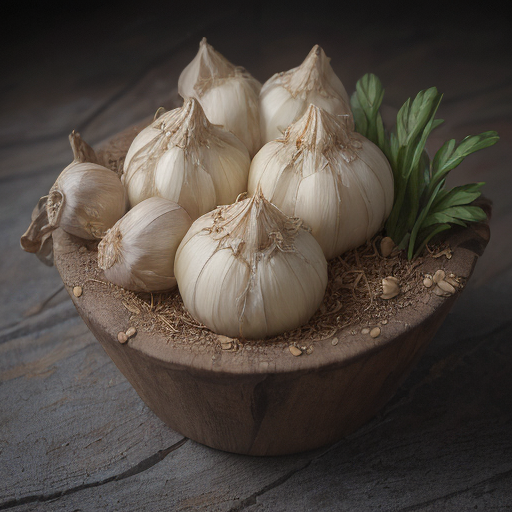
Garlic
Native to Central Asia, garlic was already known in ancient Egypt, where it was given to slaves to boost their strength. In ancient Greece, athletes consumed it before competitions, and in Rome, legionaries considered it essential for courage. During the Middle Ages, it was used to ward off vampires and the plague.
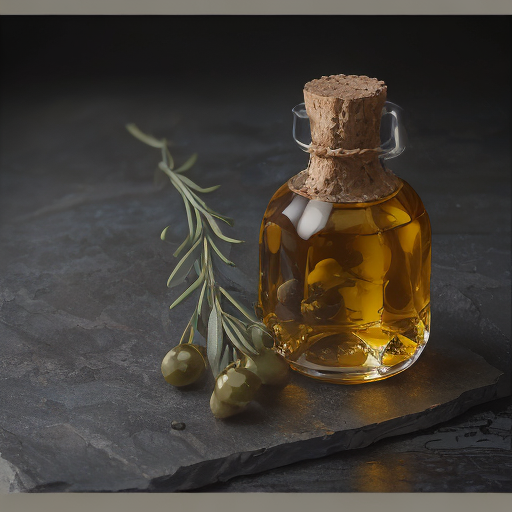
Olive oil
Originating in the Mediterranean basin, olive oil was already produced in ancient Crete 5,000 years ago. In ancient Greece, it was considered a gift from Athena and used in lamps, cosmetics, and religious ceremonies. The Romans spread it throughout the empire, and in the Middle Ages, monasteries preserved the tradition of its production.
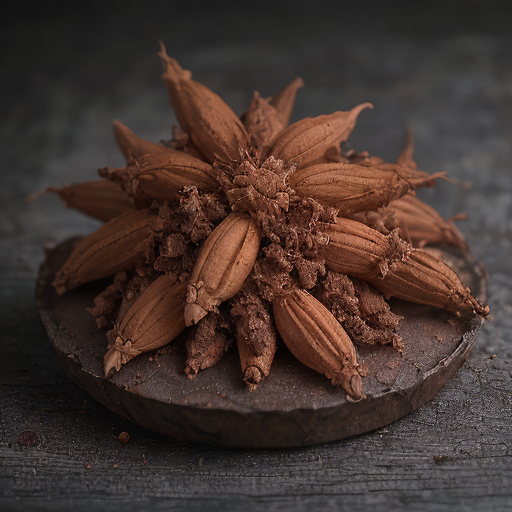
Cloves
Cloves, the dried buds of the exotic Syzygium aromaticum tree, were one of the most prized spices of the ancient world, often called 'aromatic gold'. In the Middle Ages, Venetian merchants controlled the clove trade, bringing them from the Maluku Islands, the only place they grew, and selling them at exorbitant prices in Europe.
You may also like
 Misc
MiscAir Fryer S'mores – Quick Campfire Treat Without Fire
 Misc
MiscHow to Reheat Frikandellen in Air Fryer: Quick and Crispy Recipe
 Misc
MiscHow to Reheat Chicken in Air Fryer (Crispy and Juicy)
 Misc
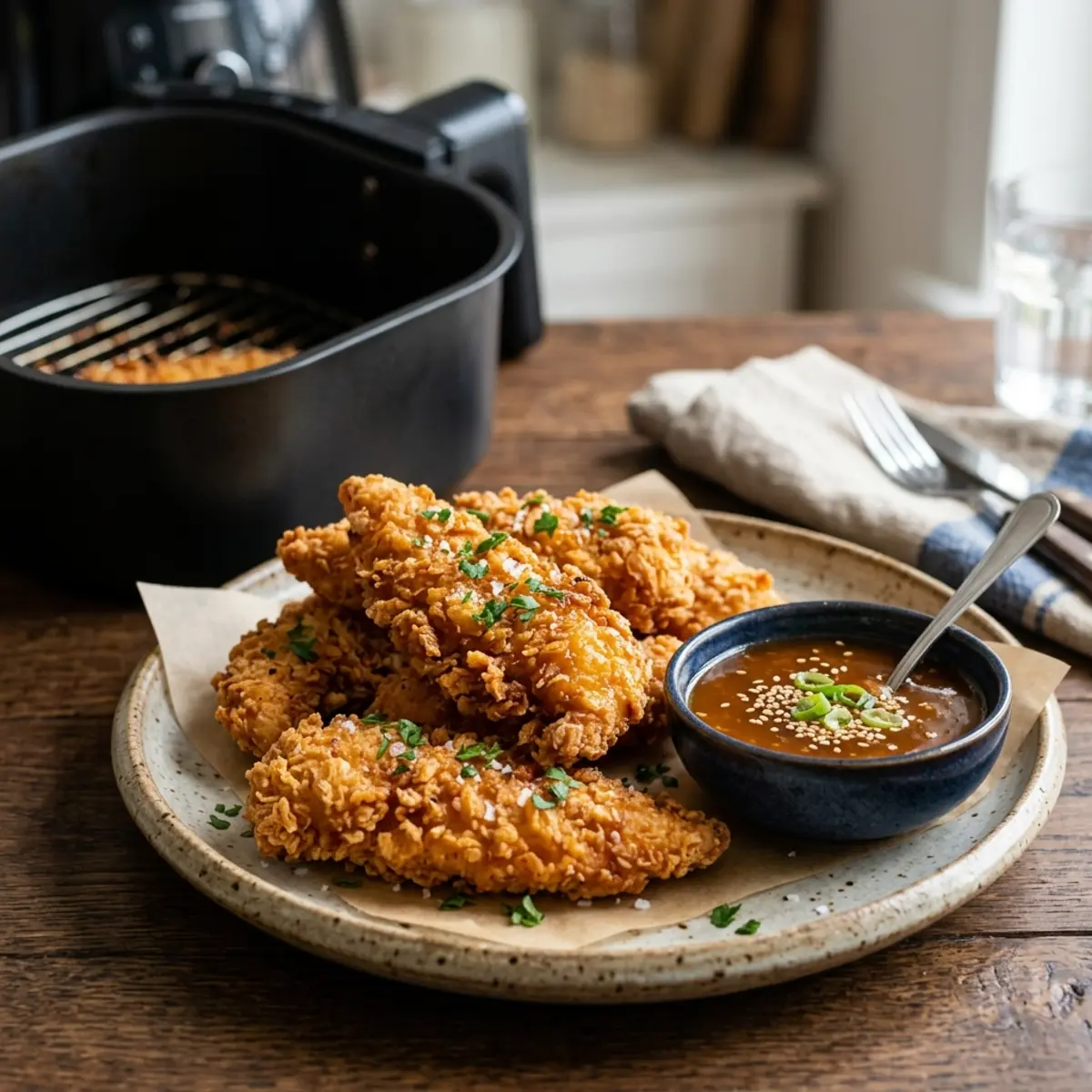
MiscCrispy Reheated Chicken Pieces in Air Fryer
 Misc
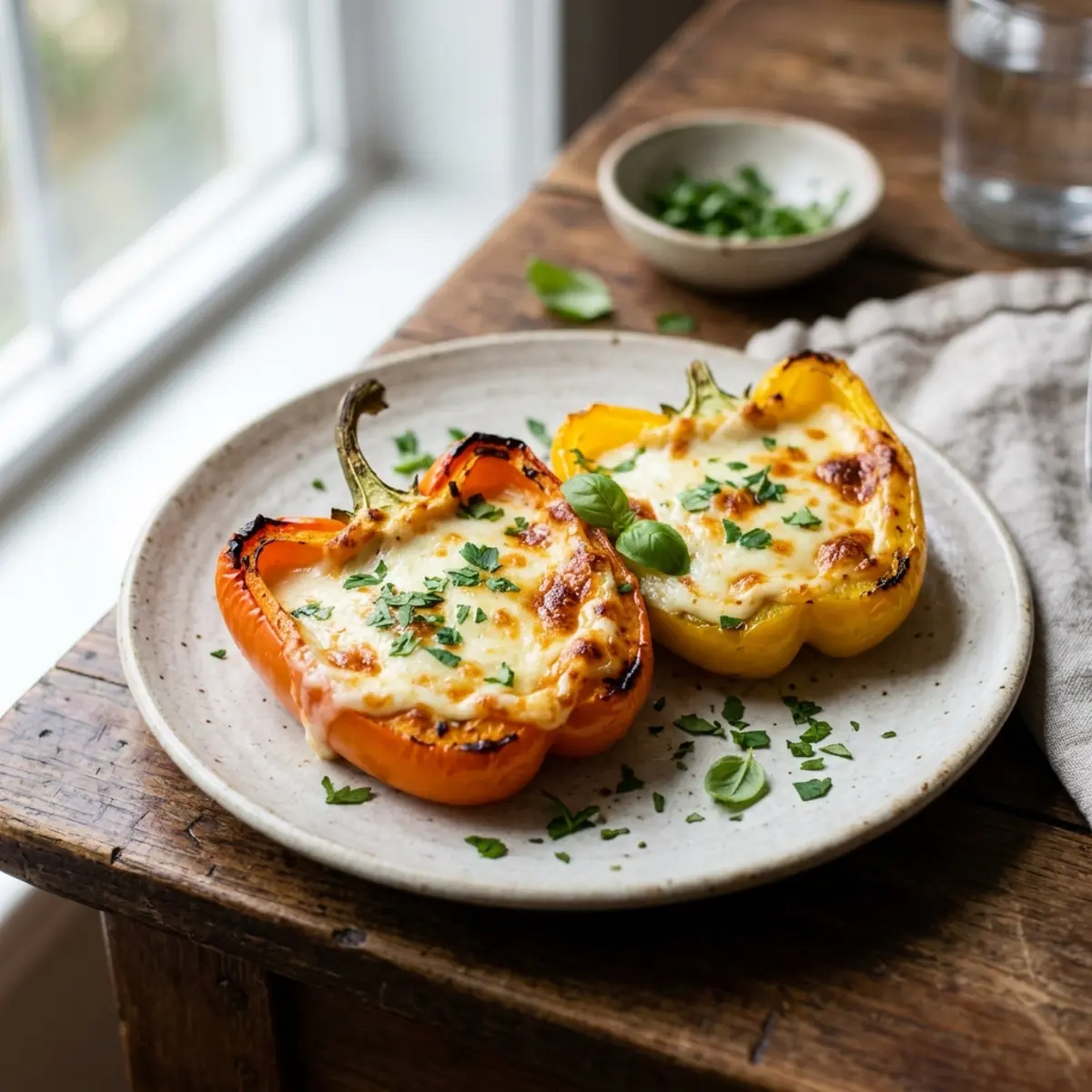
MiscStuffed Bell Pepper with Mozzarella in Air Fryer
 Misc
Misc