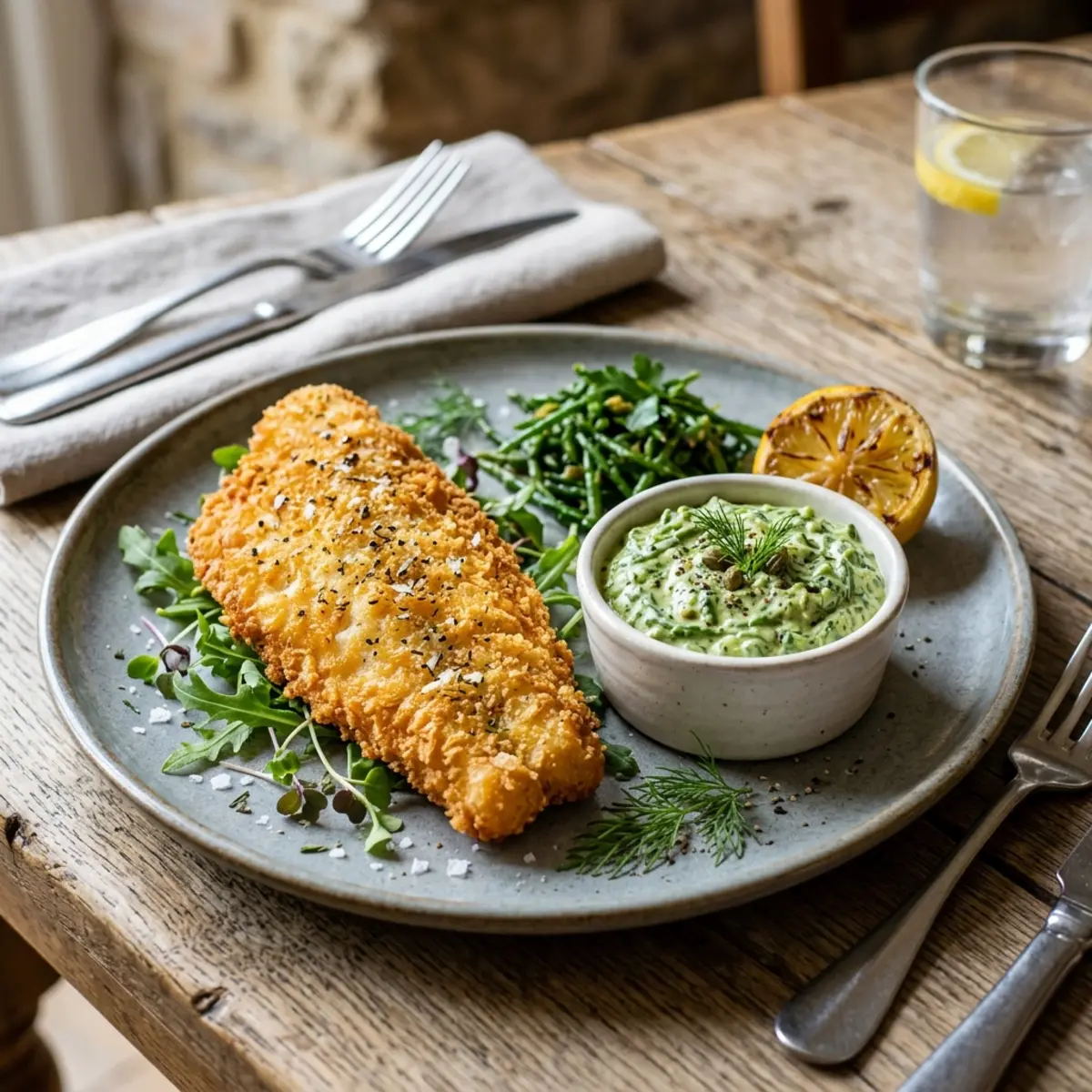
Crispy Air Fryer Fish with Sea Asparagus Remoulade
Steps
- 01
Pat the fish fillets dry with paper towels. Season both sides with salt and pepper.
- 02
Set up breading station: place flour in a shallow dish, beat egg in another dish, and panko in a third dish.
- 03
Coat each fillet in flour, shaking off excess. Dip in beaten egg, then in panko, pressing gently to adhere.
- 04
Lightly spray both sides of the breaded fish with olive oil spray.
- 05
Preheat air fryer to 180°C (350°F) for 3 minutes.
- 06
Place fish fillets in the air fryer basket in a single layer, leaving space between them. Cook for 10-12 minutes, flipping halfway, until golden and crispy and internal temperature reaches 63°C (145°F).
- 07
While fish cooks, make remoulade: in a small bowl, mix mayonnaise, Dijon mustard, lemon juice, chopped capers, and fresh dill. Stir well.
- 08
Boil sea asparagus in salted water for 1-2 minutes, then drain and rinse under cold water. Pat dry with paper towels.
- 09
To serve, arrange crispy fish on plates alongside sea asparagus. Top fish with remoulade or serve on the side.
Recipe story
Breaded fish is a classic in British cuisine, where fish and chips became a national symbol in the 19th century. Sea asparagus, also known as samphire, is a wild plant that grows on the coasts of Northern Europe, used for centuries as a salty, tangy ingredient. The combination of crispy fish and sea asparagus remoulade pays homage to coastal culinary traditions, reinterpreted in a modern, lighter version thanks to the air fryer.
Ingredient Secrets
Discover the culinary secrets and flavor history of key ingredients in this dish.
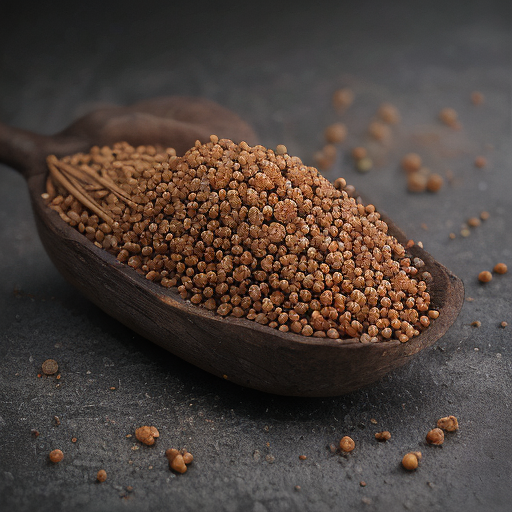
Black pepper
Known as 'black gold' in antiquity, pepper was so valuable that it served as currency and tribute. In the Middle Ages, Venetian merchants controlled the pepper trade, and individual peppercorns were often counted. Legend has it that when Alaric, king of the Visigoths, demanded tribute from Rome, he included 3,000 pounds of pepper.
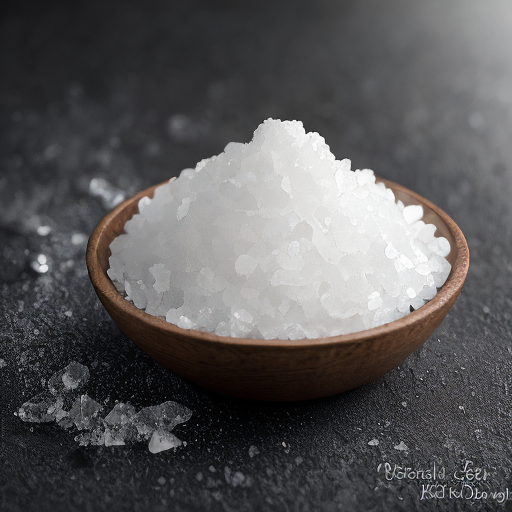
Sea salt
Sea salt, extracted from ocean waters by evaporation, was one of the most precious goods of antiquity, used both as food and as currency. In ancient Rome, soldiers were paid with salt, which is the origin of the word 'salary'. Salt roads connected entire civilizations, and in the Middle Ages, salt was so valuable it was called 'white gold'.
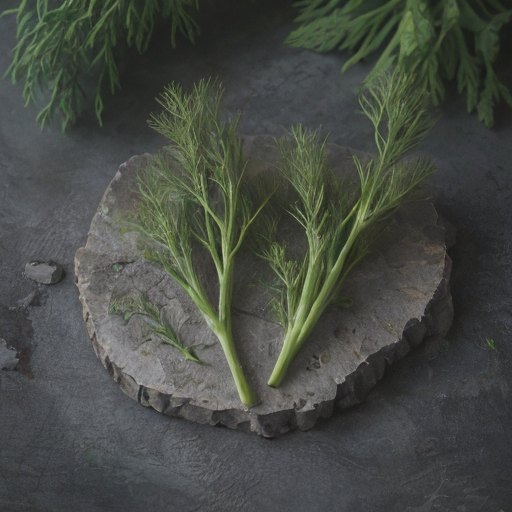
Dill
In ancient Rome, dill was considered a symbol of prosperity, and gladiators consumed it before battles to boost their courage. In the Middle Ages, it was used as a magical ingredient against witchcraft.
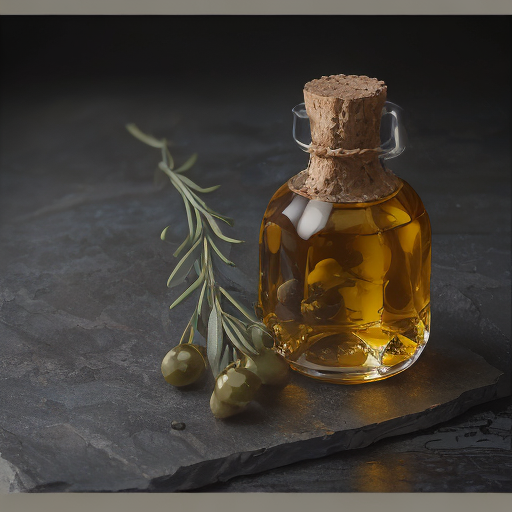
Olive oil
Originating in the Mediterranean basin, olive oil was already produced in ancient Crete 5,000 years ago. In ancient Greece, it was considered a gift from Athena and used in lamps, cosmetics, and religious ceremonies. The Romans spread it throughout the empire, and in the Middle Ages, monasteries preserved the tradition of its production.
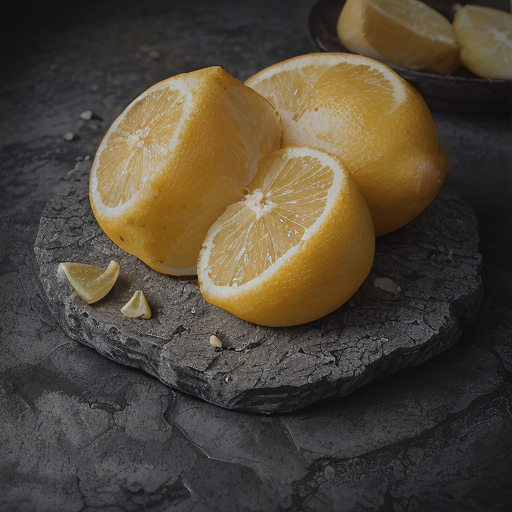
Lemon
The lemon is an ancient hybrid between citron and bitter orange, likely originating in northern India or China. In the Middle Ages, lemons were so valuable that they were given as gifts to kings. Fun fact: during the Gold Rush, British sailors were given lemons to prevent scurvy, leading to the nickname 'limey'.
You may also like
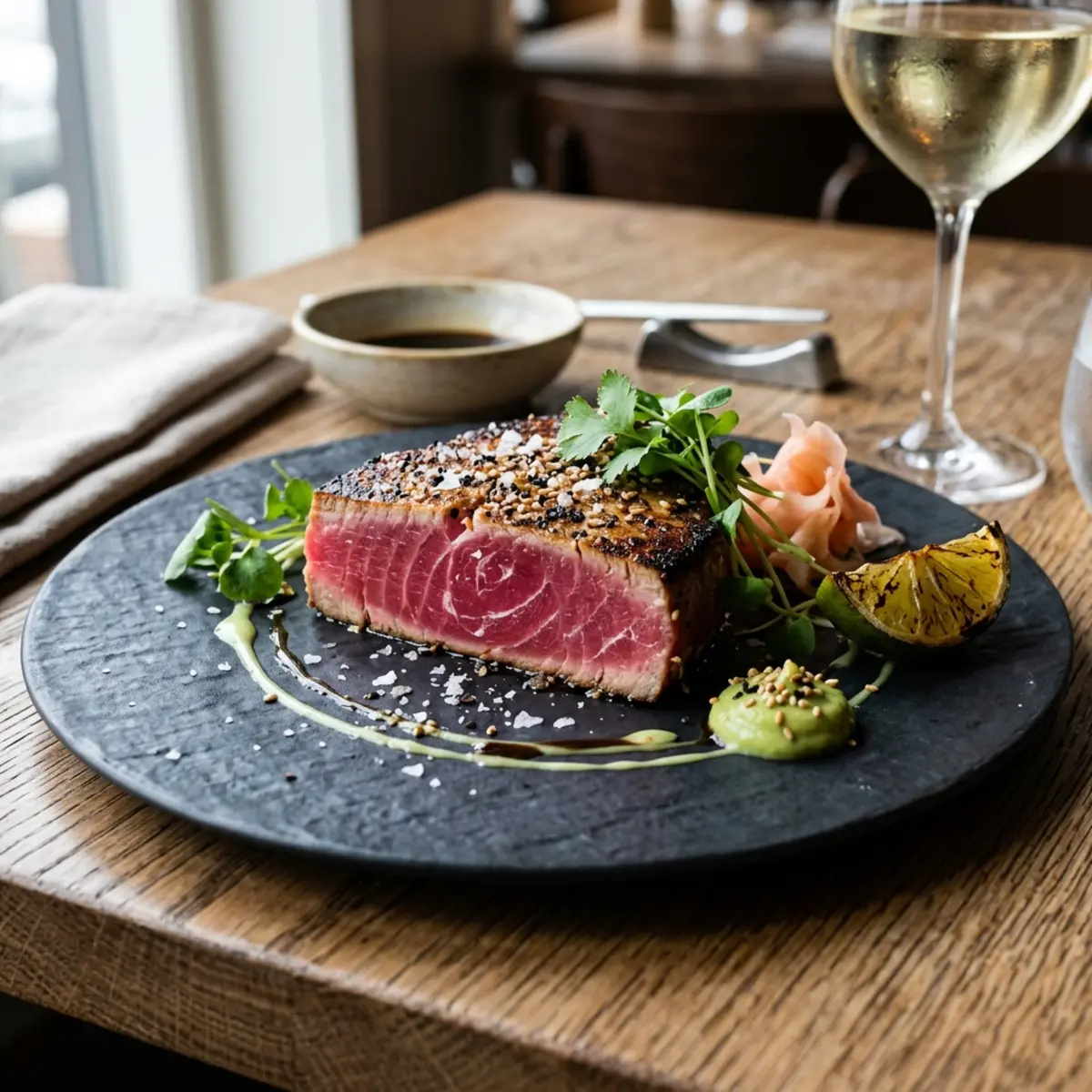 Fish
FishAir Fryer Tuna Steak – Quick and Easy Recipe in 12 Minutes
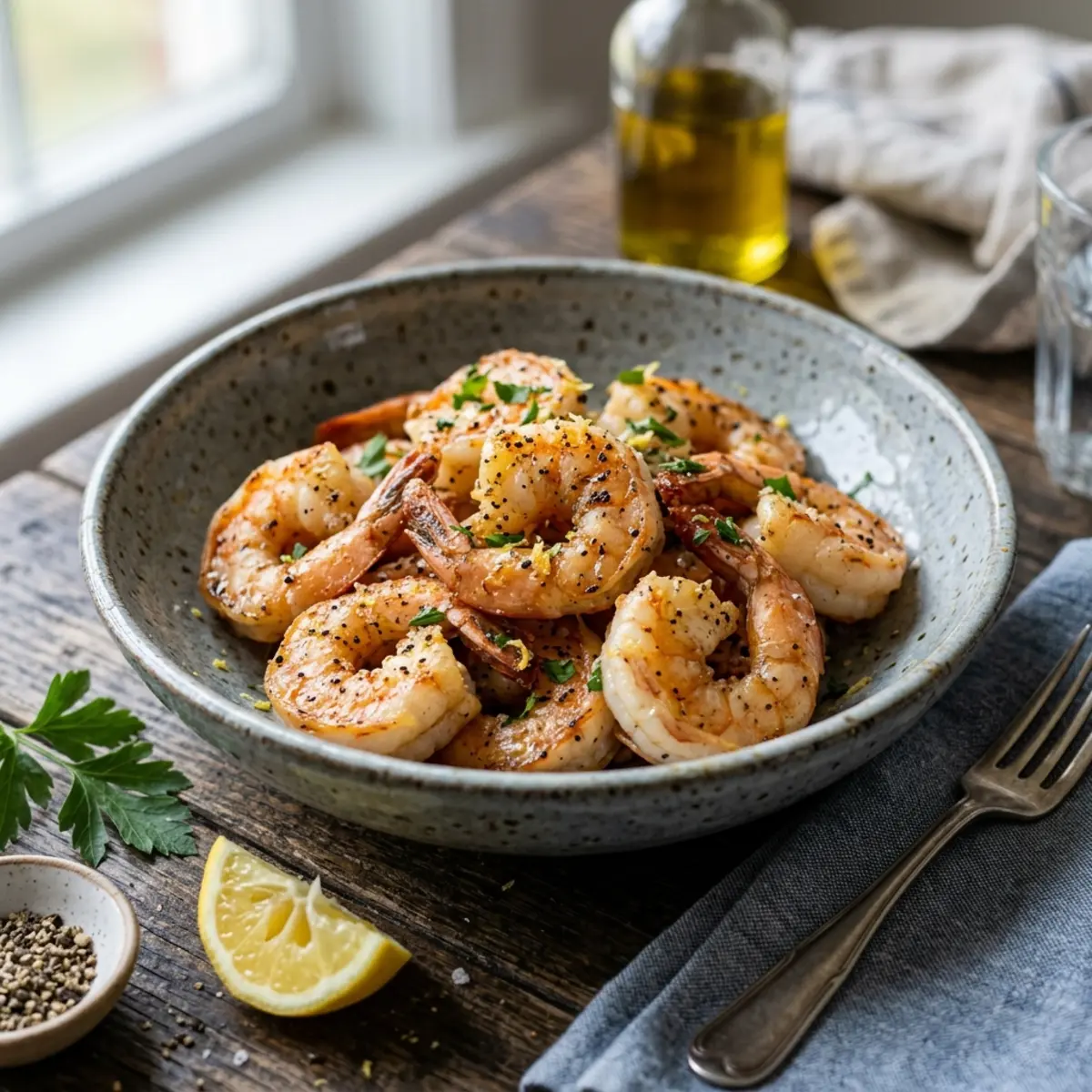 Fish
FishAir Fryer Lemon Pepper Shrimp
 Fish
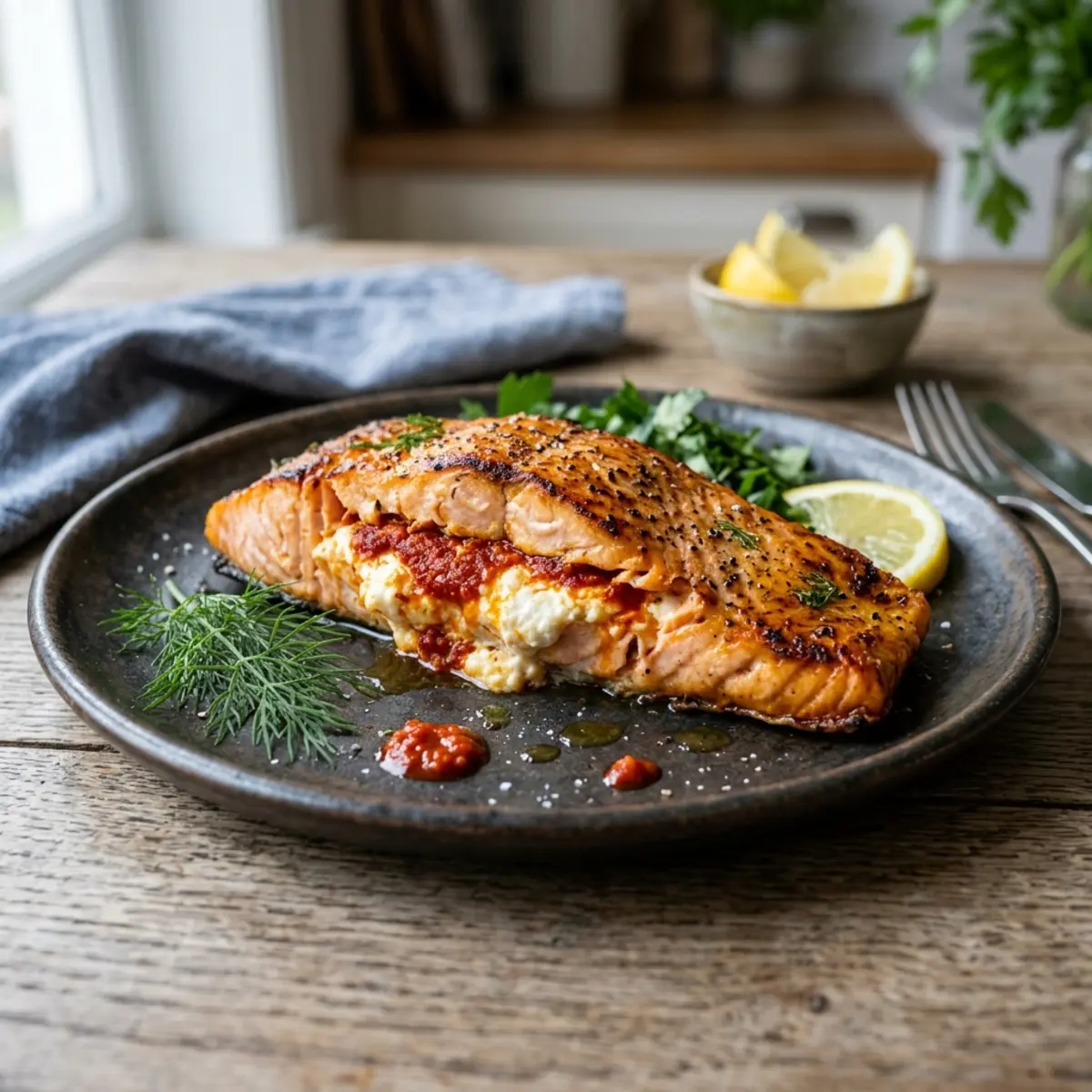
FishSalmon stuffed with ricotta and harissa in Air Fryer
 Fish
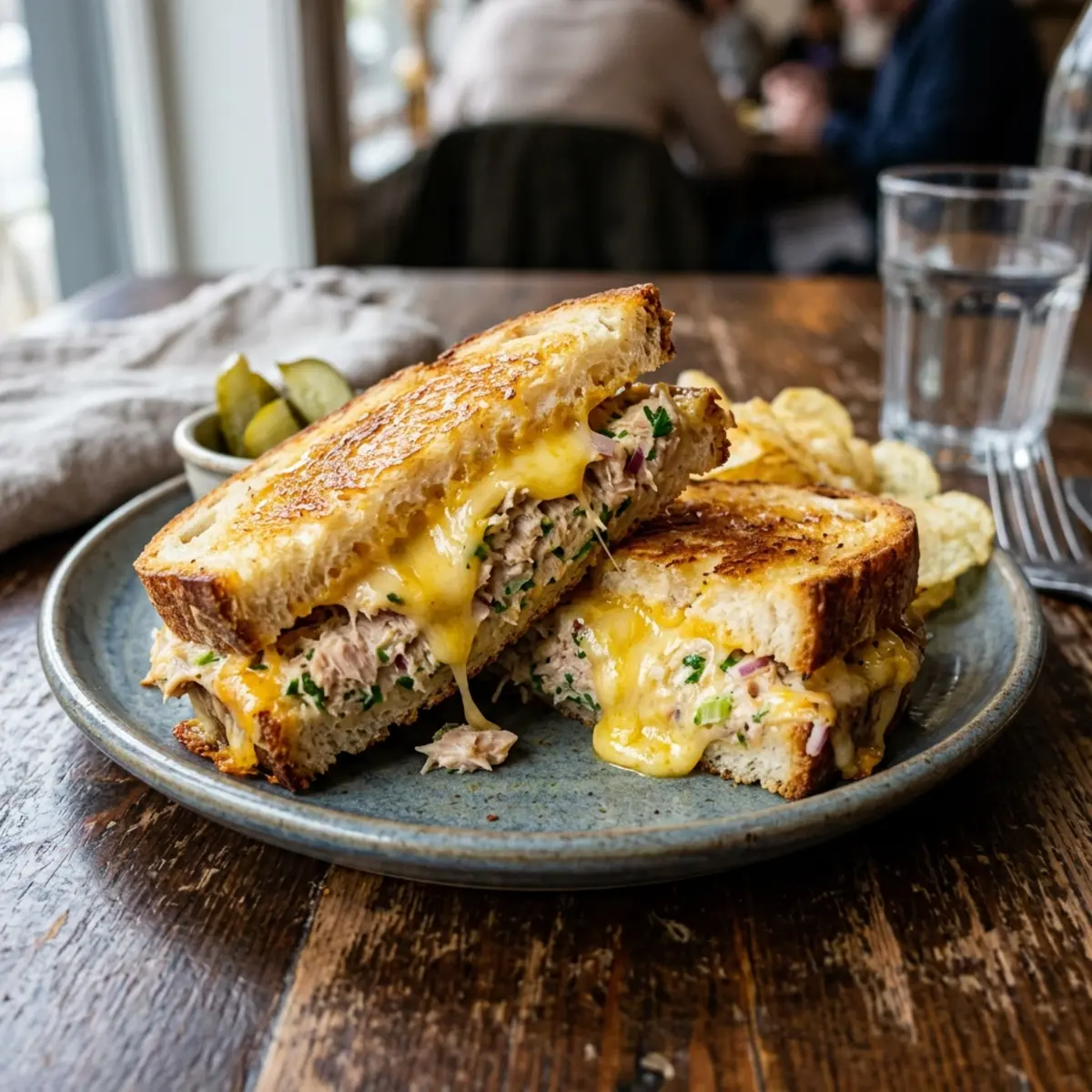
FishAir Fryer Tuna Melt – Crispy Tuna and Cheese Sandwich in 15 Minutes
 Fish
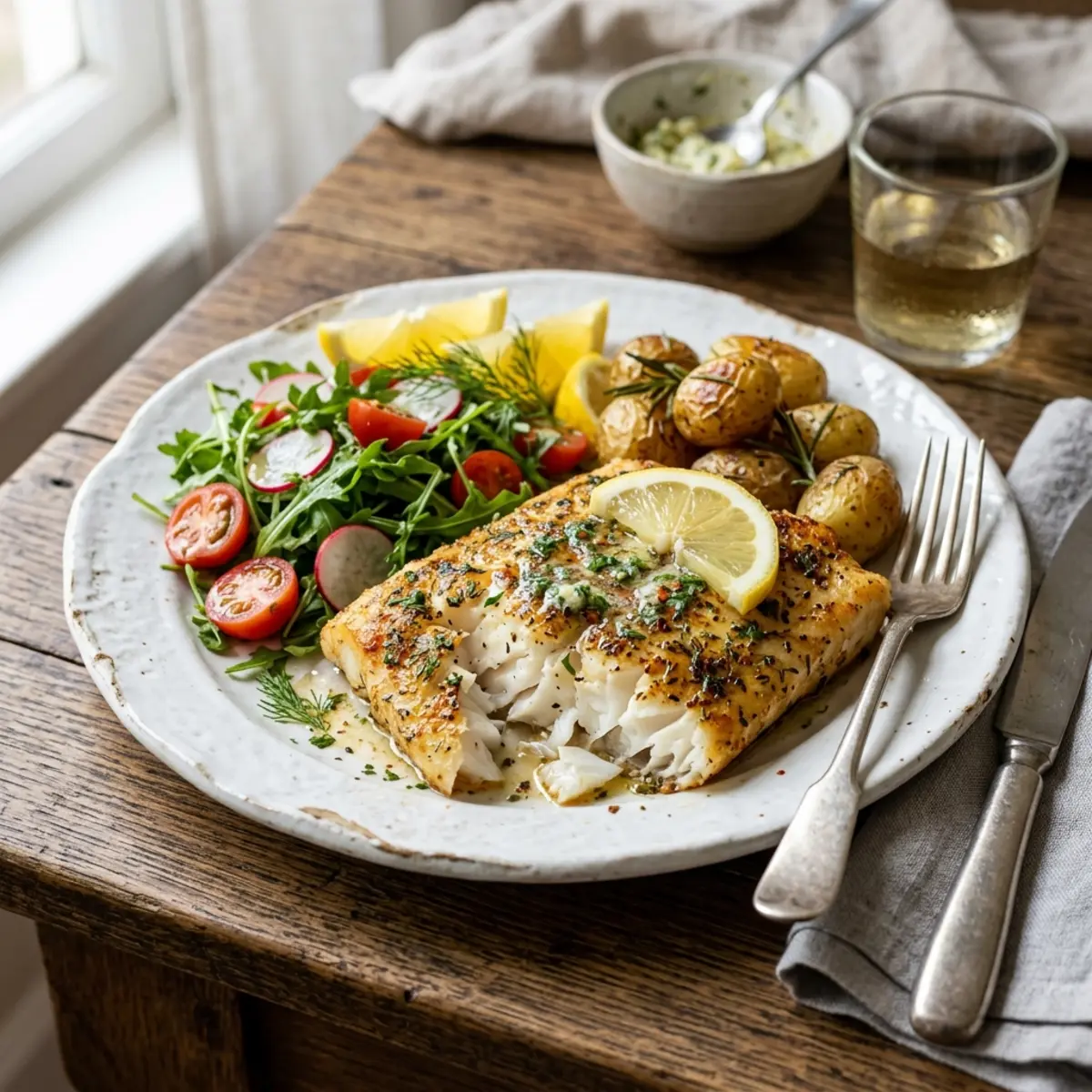
FishAir Fryer Fresh Cod Fillet - Quick & Easy 15-Min Recipe
 Fish
Fish