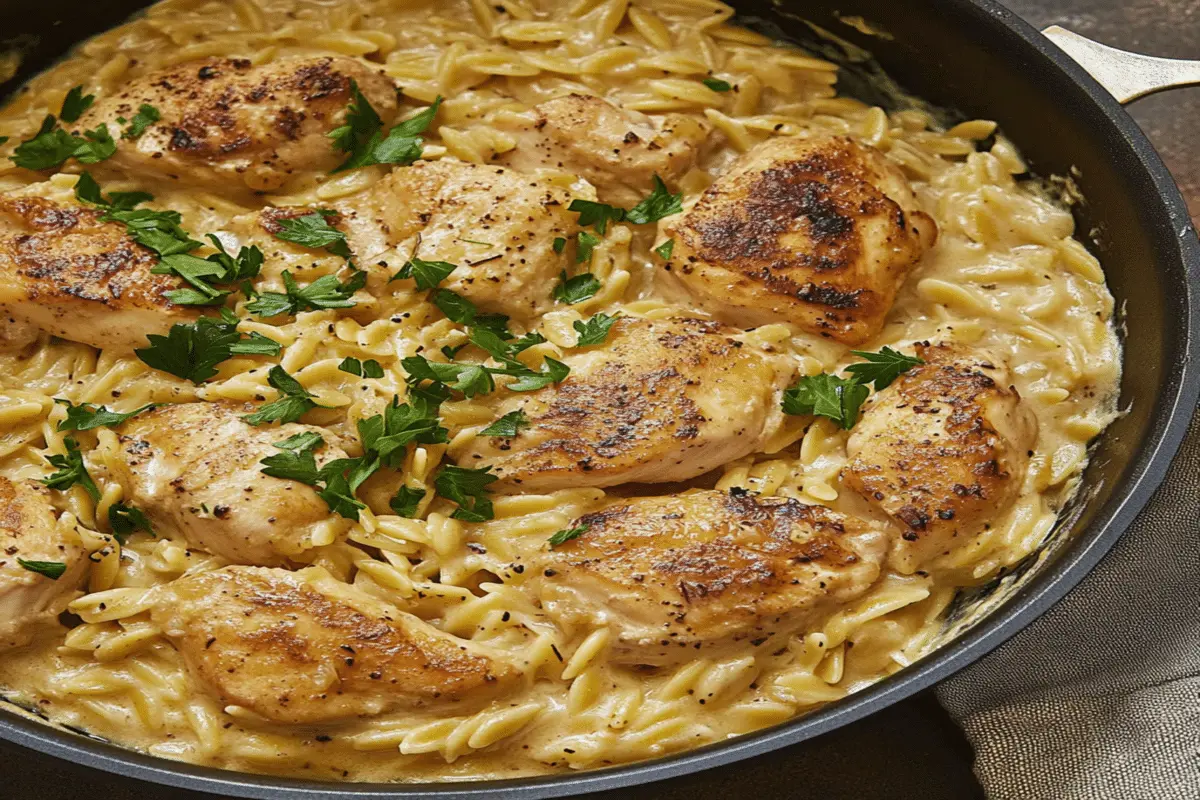
Creamy Orzo with Chicken in Air Fryer
A creamy and flavorful dish with tender chicken and orzo, quickly cooked in the air fryer.
Steps
- 01
In a small bowl, mix paprika, oregano, thyme, salt, and pepper. Pat chicken thighs dry with paper towels, then season evenly on all sides.
- 02
Finely chop the onion and prepare the garlic. Measure all liquid and solid ingredients to have everything ready.
- 03
Heat a deep skillet over medium heat with oil. Place seasoned chicken pieces and let them cook without moving for 5 minutes to form a browned crust.
- 04
Turn the meat and cook for another 4-5 minutes on the other side. Remove chicken pieces and set aside.
- 05
Reduce heat and add onion and garlic to the same skillet. Stir until soft and fragrant.
- 06
Add orzo and vegetable broth. Stir gently to release any browned bits from the bottom of the pan.
- 07
Place chicken pieces over the orzo, cover the skillet, and let simmer on low heat for about 15 minutes, until liquid is absorbed and pasta is tender.
- 08
Remove chicken from the skillet. Add cooking cream and butter, stirring until a creamy and smooth sauce forms.
- 09
Stir in Parmesan over low heat, mixing continuously until melted evenly.
- 10
Return chicken to the skillet and let sit for a few minutes to combine flavors. Serve warm, sprinkled with fresh parsley and extra Parmesan.
Recipe story
Orzo, a type of pasta resembling rice, has its origins in Mediterranean cuisine, used for centuries in Greece and Italy. In ancient Greece, orzo was prepared as a simple dish, boiled in soup or with vegetables. In Italy, it became popular in the southern regions, often cooked risotto-style with cheese and herbs. The recipe has evolved over time, being adapted in many cultures, including Turkish and Balkan cuisines. The version with chicken and cream is a modern interpretation, combining creamy texture with rich meat and herb flavors.
Ingredient Secrets
Discover the culinary secrets and flavor history of key ingredients in this dish.
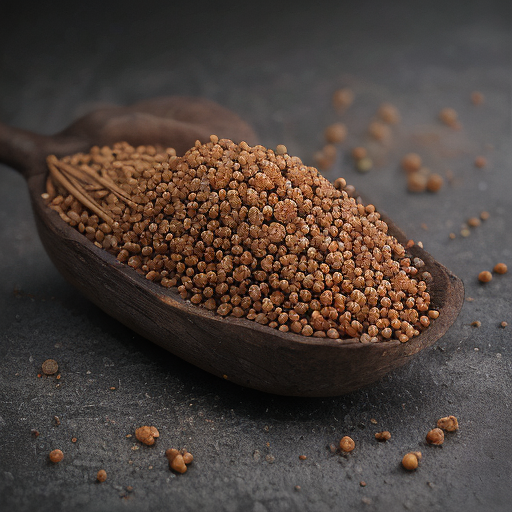
Black pepper
Known as 'black gold' in antiquity, pepper was so valuable that it served as currency and tribute. In the Middle Ages, Venetian merchants controlled the pepper trade, and individual peppercorns were often counted. Legend has it that when Alaric, king of the Visigoths, demanded tribute from Rome, he included 3,000 pounds of pepper.
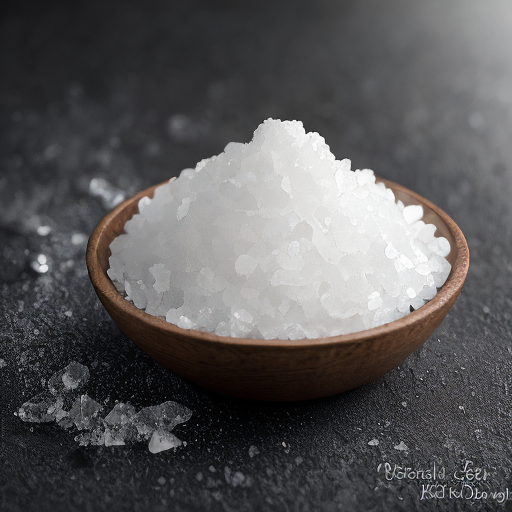
Sea salt
Sea salt, extracted from ocean waters by evaporation, was one of the most precious goods of antiquity, used both as food and as currency. In ancient Rome, soldiers were paid with salt, which is the origin of the word 'salary'. Salt roads connected entire civilizations, and in the Middle Ages, salt was so valuable it was called 'white gold'.
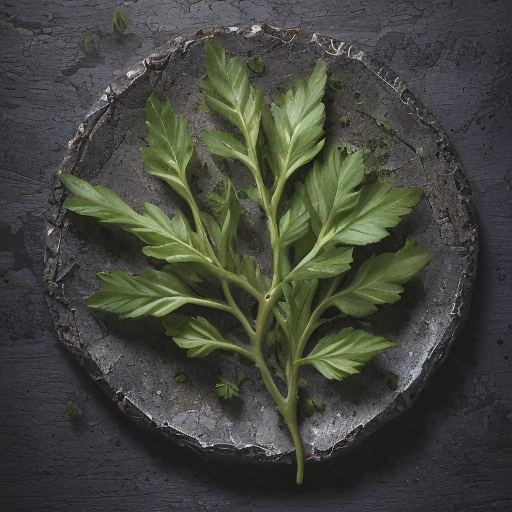
Thyme
In ancient Rome, thyme was burned in temples to purify the air and ward off evil spirits, and Roman soldiers added it to their baths to strengthen their courage. In the Middle Ages, noble ladies embroidered thyme on knights' scarves as a symbol of bravery. The ancient Greeks used it in baths and temples, and its name derives from the Greek 'thymos', meaning 'courage'.
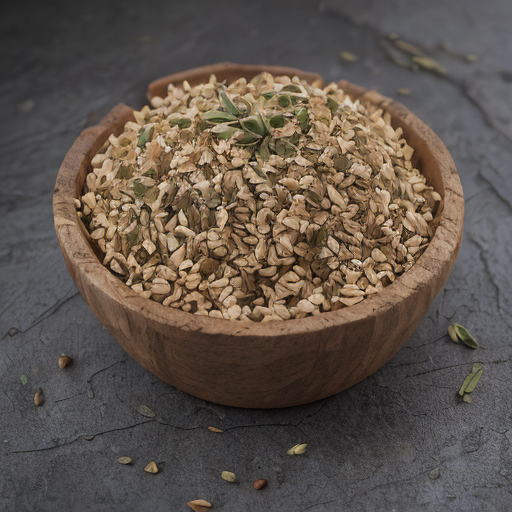
Oregano
Oregano, also known as 'mountain joy', was used by ancient Greeks as an antidote for poisons and a symbol of happiness. In the Middle Ages, it was planted on graves to ensure peace for the souls.
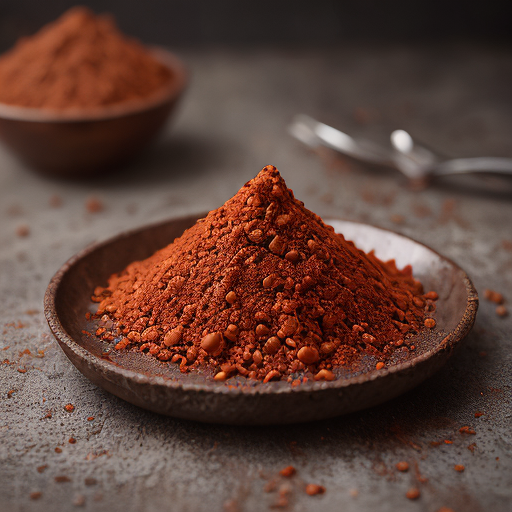
Paprika
Paprika, a emblematic spice brought to Europe by Christopher Columbus from the New World. Although associated with Hungarian cuisine, its origins are in Central America, where it was used by the Aztecs.
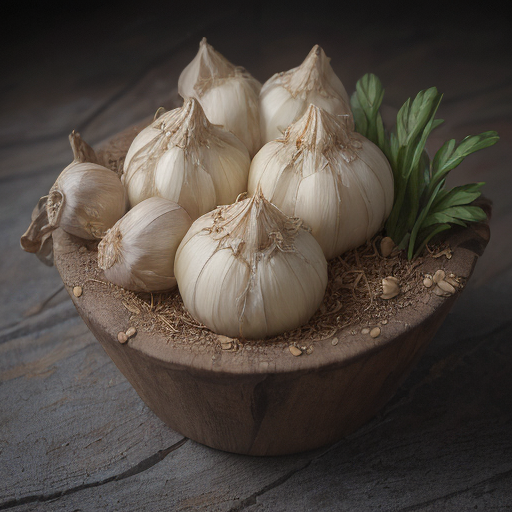
Garlic
Native to Central Asia, garlic was already known in ancient Egypt, where it was given to slaves to boost their strength. In ancient Greece, athletes consumed it before competitions, and in Rome, legionaries considered it essential for courage. During the Middle Ages, it was used to ward off vampires and the plague.
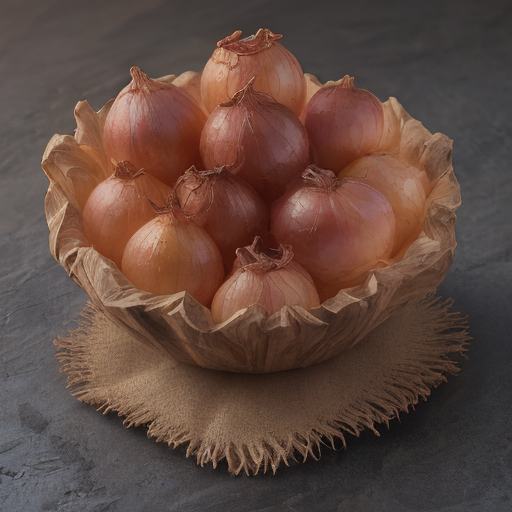
Onion
Probably originating in Central or West Asia, onions were cultivated in ancient Egypt, where they were considered a symbol of eternity and placed in tombs. In ancient Greece, athletes ate them to balance their blood, and in Rome, they were a staple food for soldiers. During the Middle Ages, onions were believed to protect against arrows and the plague.
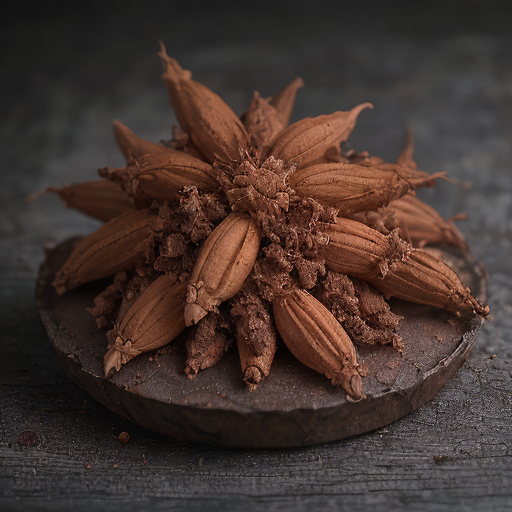
Cloves
Cloves, the dried buds of the exotic Syzygium aromaticum tree, were one of the most prized spices of the ancient world, often called 'aromatic gold'. In the Middle Ages, Venetian merchants controlled the clove trade, bringing them from the Maluku Islands, the only place they grew, and selling them at exorbitant prices in Europe.
You may also like
 Chicken
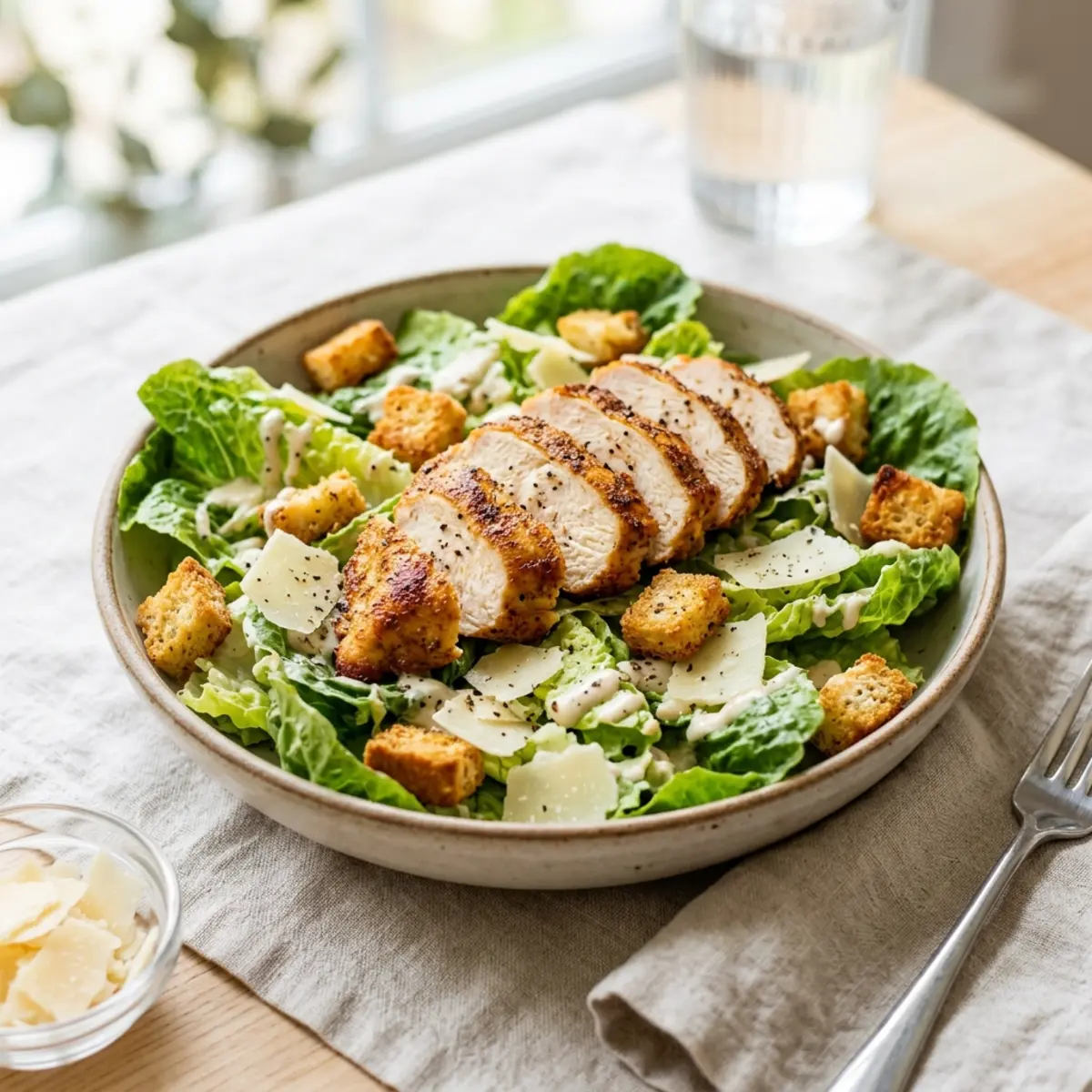
Air Fryer Caesar Salad with Chicken – Quick and Crispy Recipe
 Chicken
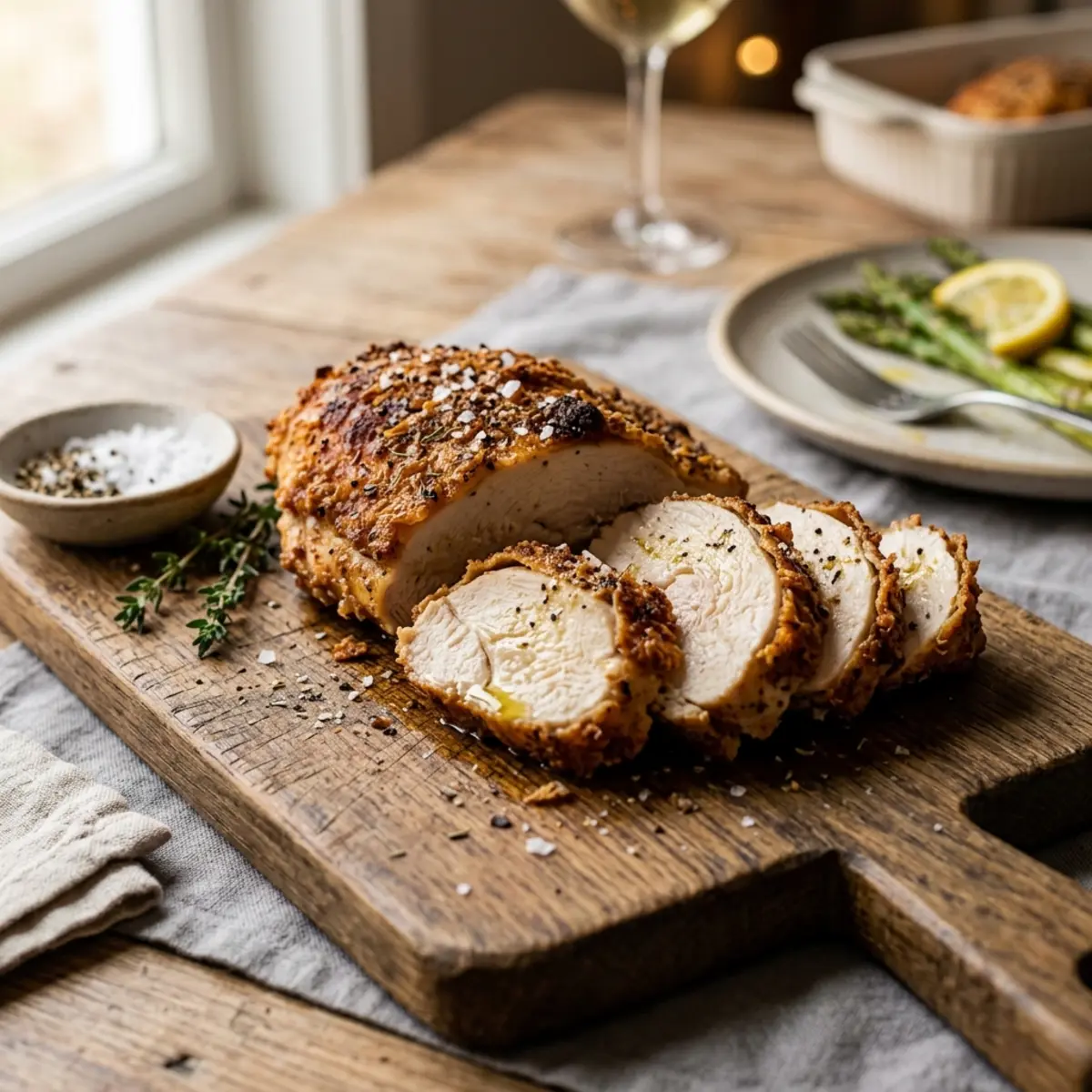
Crispy Air Fryer Chicken Breast
 Chicken
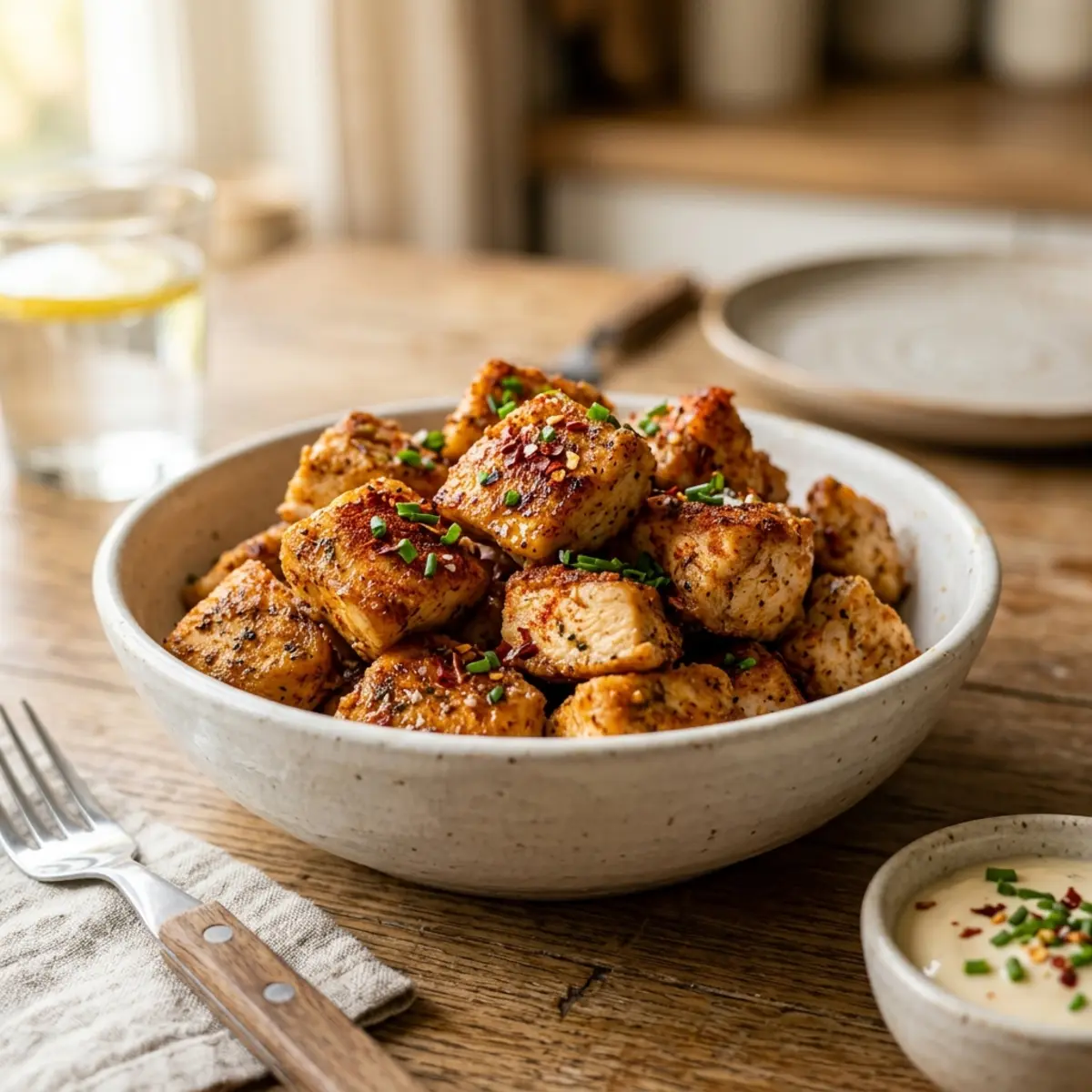
Air Fryer Chicken Breast – Quick 17-Minute Recipe
 Chicken
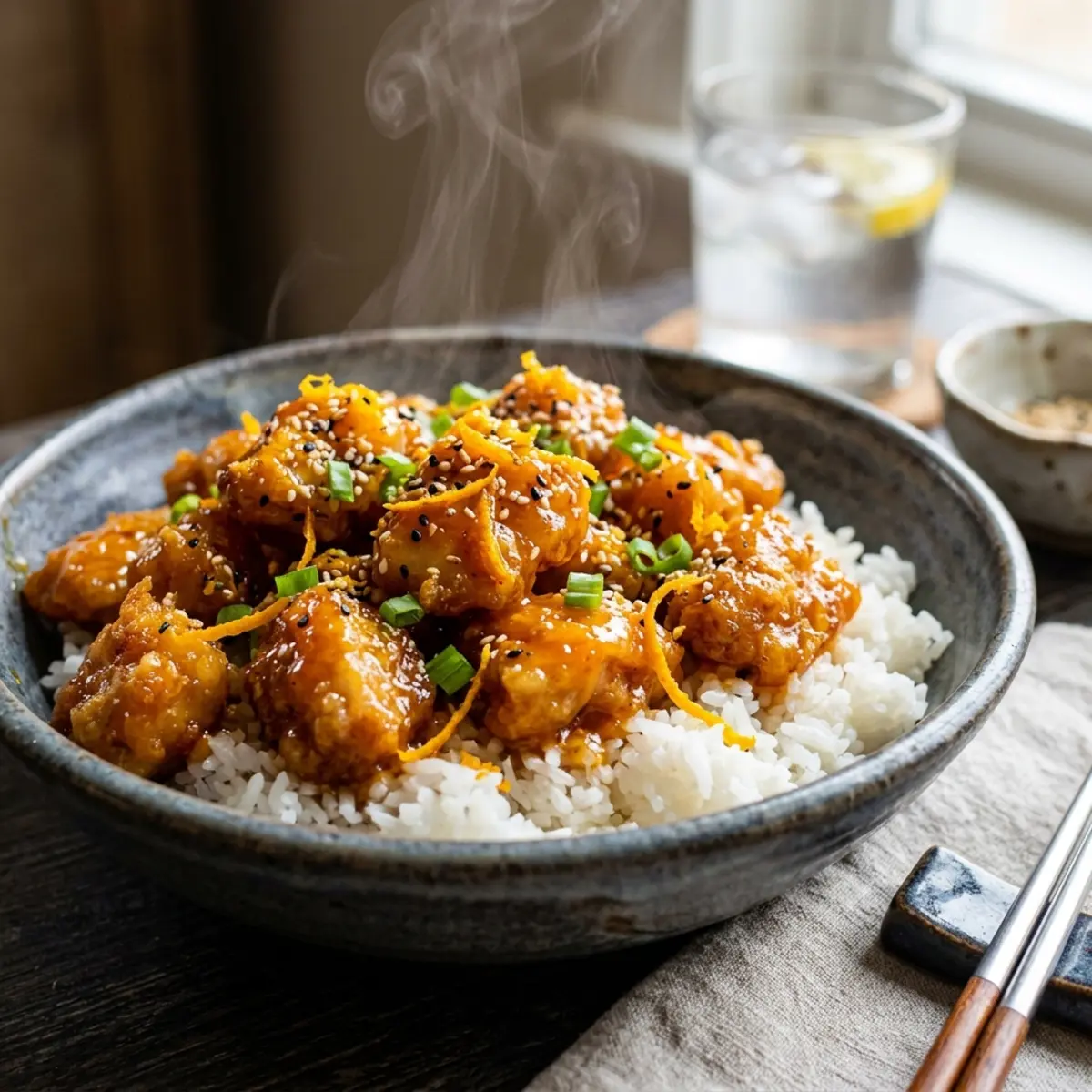
Crispy Orange Chicken in Air Fryer
 Chicken
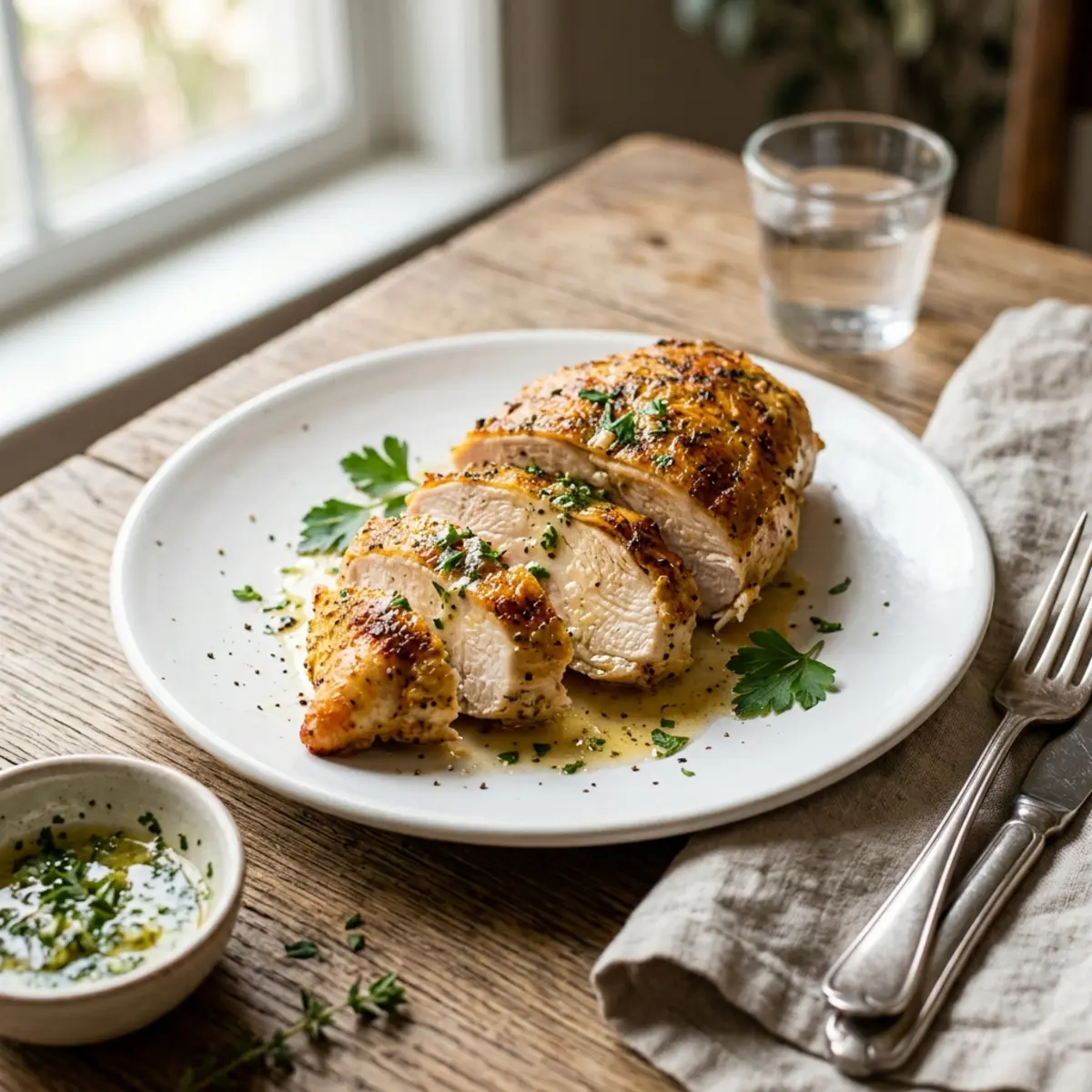
Air Fryer Chicken Breast: Juicy and Buttery in 20 Minutes
 Chicken